Freight From China To Japan
Your Reliable Freight Forwarding Partner in China
Freight Forwarder From China to Japan
For 11 years, CHINA BRF LOGISTICS has been a leading freight forwarding expert in China, dedicated to delivering your cargo with precision and care. We offer a comprehensive range of services to meet all your shipping needs
We have focused on the Japan market for many years, so we can handle every shipment from China to Japan very well. Including door to port, door to door, port to port, and port to door service.
Whether you ship FCL from China on 20GP container, 40 GP container, or LCL shipping goods from China to Port of Tokyo,Port of Yokohama,Port of Nagoya,Port of Osaka,Port of Kobe,Port of Hakata (Fukuoka),Port of Shimizu,Port of Moji,Port of Chiba, CHINA BRF LOGISTICS will always provide you cheapest shipping freight to save your shipping cost.
CHINA BRF LOGISTICS is an expert on both sea freight from China to Japan and air freight from China to Japan , you can rely on us and we will be your best freight forwarder and partner in China.


We can ship to any port in Japan by sea. For example,Tokyo,Yokohama, Nagoya,Osaka, Kobe

เราสามารถจัดส่งตามเงื่อนไข DDU และ DDP และส่งถึงหน้าบ้านคุณตามกำหนดเวลา
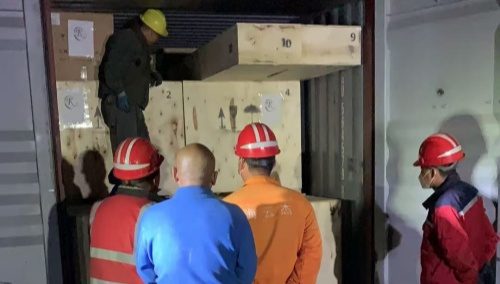
Sea Freight from China to Japan
We can make sure there is space in the carrier even during peak season with a competitive price.
Air Freight from China to Japan
We will choose the best air route and rate based on your budget and schedule.

Door to Door Shipping from China to Japan
We can provide a fast customs clearance service in Japan, and deliver your goods to your warehouse or home.
บริการเพิ่มเติมเมื่อส่งสินค้าจากจีน
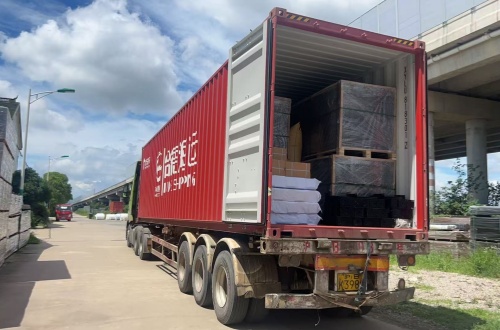

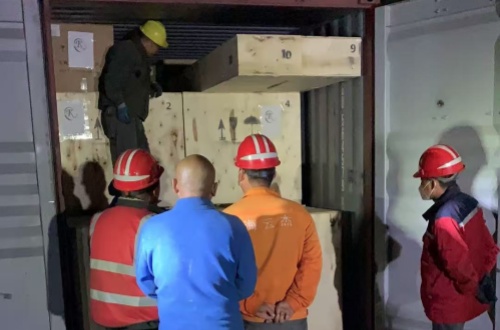

การผ่านพิธีการศุลกากร
คุณไม่จำเป็นต้องส่งเอกสารใดๆ ให้เราเลย เราจะจัดการเรื่องเอกสารและรายละเอียดอื่นๆ ทั้งหมดให้คุณ.
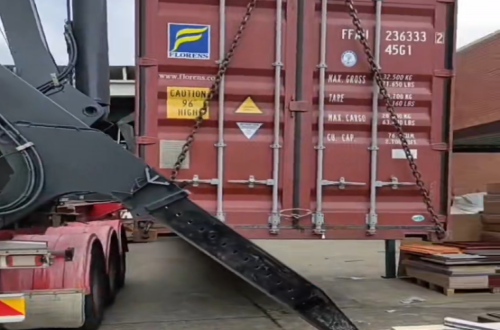
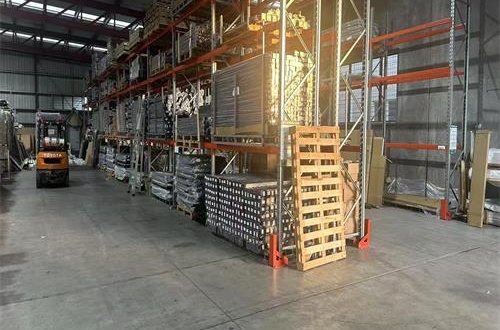
บริการส่งถึงบ้าน
แต่ละภูมิภาคมีวิธีการจัดส่งที่แตกต่างกัน หากท่านต้องการทราบว่าสินค้าของท่านจะถูกจัดส่งอย่างไร
Your Best Reliable Freight Forwarder from China to Japan
- We can quote lower freight rates than the market average because of our contract rates with carriers.
- Shipping service from any port in China.
- Paperwork in China and Japan
- China Warehouse and distribution service.
- Pick up delivery service in China
Time of Shipping from China to Japan
ท่าเรือโหลดสินค้า | Port of Arrive | Transmit Time |
เทียนจิน | Tokyo / Yokohama /Osaka /Kobe | 4 |
| ชิงเต่า | Tokyo / Yokohama /Osaka /Kobe | 3 |
เซี่ยงไฮ้ | Tokyo / Yokohama /Osaka /Kobe | 3 |
| หนิงโป | Tokyo / Yokohama /Osaka /Kobe | 4 |
เซียเหมิน | Tokyo / Yokohama /Osaka /Kobe | 4 |
| เซินเจิ้น | Tokyo / Yokohama /Osaka /Kobe | 5 |
Shipping from China to Japan: The Complete Guide for Importers
Are you looking for the most comprehensive guide for shipping from China to Japan?
Or, you’re planning to import from China.
Well, I have made this guide for you.
Because I am going to cover everything you need to know when shipping from China to Japan.
จาก การขนส่งทางทะเล, air freight, Japan import customs, products to best freight forwarders, just to mention a few.
The best part?
This guide will help you reduce shipping cost and time from China to Japan.
Let’s jump right in:
- CHINA BRF Freight Forward Services to Japan
- Ways of Shipping from China to Japan
- A Complete Guide to Japan Import Customs
- Main Products Japan Imports from China
- How to choose best Freight Forwarder from China to Japan
- FAQs on Shipping from China to Japan
Chapter 1: CHINA BRF LOGISTICS Services to Japan
With the rising competition in logistic industry, freight forwarding logistics companies have cropped up with the majority giving substandard services.
At CHINA BRF LOGISTICS, we offer some of the best freight forwarding services to Japan.
When importing from China to Japan, you can benefit from our ever-growing partnerships and networks.
We not only help you find high quality products, but also ensure you receive them within the shortest time possible.
You can always benefit from our 8 years’ experience in the logistics industry.
จีน BRF LOGISTICS is continuously growing to support its ever increasing clients importing from China to Japan. By 2019, we had got the NVOCC.
I can tell you this for free:
CHINA BRF LOGISTICS team will help you at every stage.
From custom clearance, packaging, loading to inspection, CHINA BRF LOGISTICS ensures all your cargo reaches Japan without delays.
We always update you on every single movement of the shipment.
Whether you need:
Air freight from China to Tokyo Japan
Sea freight from China to Tokyo Japan
Door to door shipping from China to Tokyo Japan
From LCL shipping from China to Tokyo Japan to FCL shipping from China to Tokyo Japan, CHINA BRF LOGISTICS offers the best freight forwarding service.
CHINA BRF LOGISTICS is one of the leading freight forwarder from China to Japan that offers:
2.การเก็บสินค้าในคลัง and distribution
3.Cargo insurance
4.Customs clearance
5. Loading supervision, among other services
And by the way, at CHINA BRF LOGISTICS, our main focus is you – we want you to import from China to Japan without any hurdles.
Can you imagine this?
With CHINA BRF LOGISTICS to Japan, you are guaranteed of 10 to 15 days free warehousing.
You can also use our containers for a maximum of 21 days (free time).
We do all these to save on shipping cost from China to Japan.
During our logistics process, when shipping from China to Japan , we send pictures and videos of your goods.
Why am I telling all these?
Because CHINA BRF LOGISTICS is a company you can trust for all your shipping needs from China to Japan.
But, that’s not everything you need to know about shipping from China to Japan.
Here are even more critical things you must know:
Chapter 2: Ways of Shipping from China to Japan
Whenever you’re looking for the best ways to ship from China to Japan, you need to consider a number of factors.
Basically, there are only two main ways to ensure that your goods reaches the destination in time.
The two main modes of transportation include:
Whether to choose an air freight from China to Japan or ocean freight from China to Japan will depend on:
1. Nature of goods you’re shipping
2. How urgently do you need to the goods?
On this, once the product reaches the destination port,CHINA BRF LOGISTICS will always ensure the จากบ้านถึงบ้าน delivery even if it means road transport.
CHINA BRF LOGISTICS has priority to satisfy the customer within the shortest time possible.
Now, let’s explore on ways of shipping from China to Japan:
2.1. Sea Freight from China to Japan
The shortest straight-line distance between China and Japan is about 108 kilometers, located between Yilan County in Taiwan Province and Okinawa Prefecture and Nago Island in Japan; The straight-line distance between major cities in Chinese Mainland, such as Shanghai and Japan, is about 690 kilometers, and that between Beijing and Tokyo is about 2100 kilometers.
Main distance data
The shortest distance is approximately 108 kilometers from Wuyanjiao, Dong’ao Township, Yilan County, Taiwan to Yonaguni Island, Okinawa Prefecture, Japan.
Distance between major cities:
The distance from Shanghai to Kyushu Island is about 690 kilometers.
Dalian to Fukuoka is about 950 kilometers away.
Beijing to Tokyo is about 2100 kilometers away.
Sea/ocean freight is very effective in ensuring commodities reach Japan from China.
Ocean freight is basically the transportation of the commodities via the sea from one port location to the other.
During this mode of transportation, the cargo can be put on the shipping vessel directly or put on the shipping containers first.
To ensure your cargo arrives safely in Japan, the freight forwarder handles all logistics work.
From cargo clearance, verifying documents to supervising the loading process.
But, even before you think of ocean freight from China to Japan , you need to know both the port of origin and destination.
That’s where I want to take you next.
2.1.1. Main Sea Ports in China
China has so many sea ports in China and they include:
- ท่าเรือเซี่ยงไฮ้
- Port of Tianjin xingang
- ท่าเรือกวางโจว
- Port of Qingdao
- ท่าเรือเซินเจิ้น
- Port of Ningbo
- Port of Dalian
- Port of Xiamen
- Port of Lianyungang and many others.
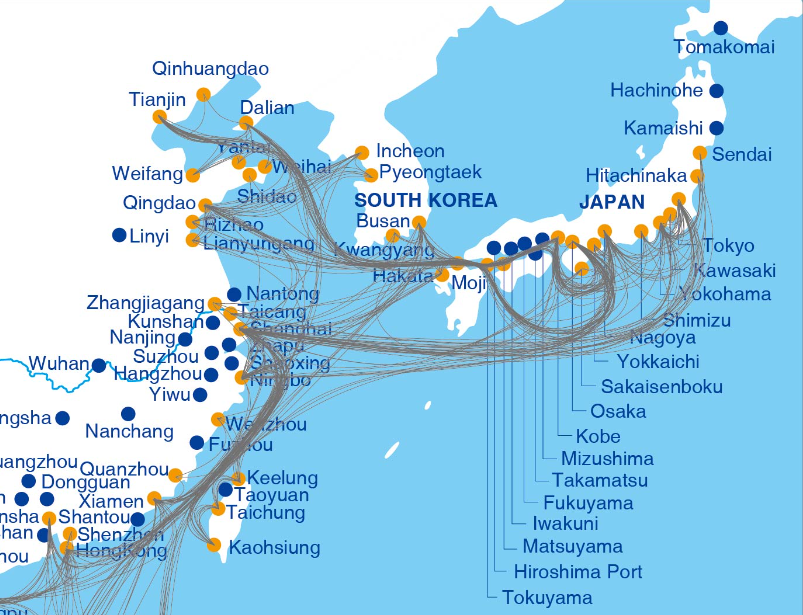
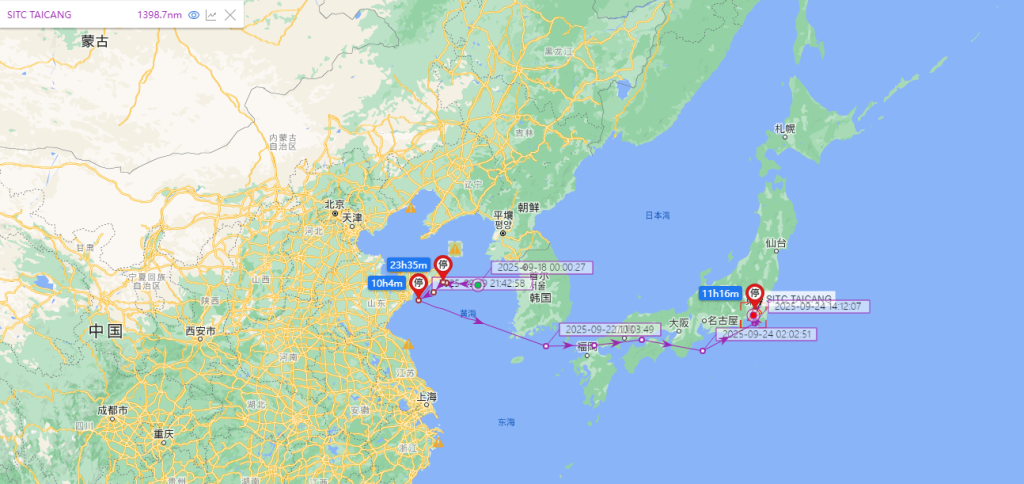
sitc japan route
The bottom, you need to know the sea port where you want to ship from in China.
This way, you will know how long goods will take to reach the sea port in China.
2.1.2. Main Sea Ports in Japan
Japan also has a number of the receiving sea ports which can handle millions of tonnes of cargo in a year.
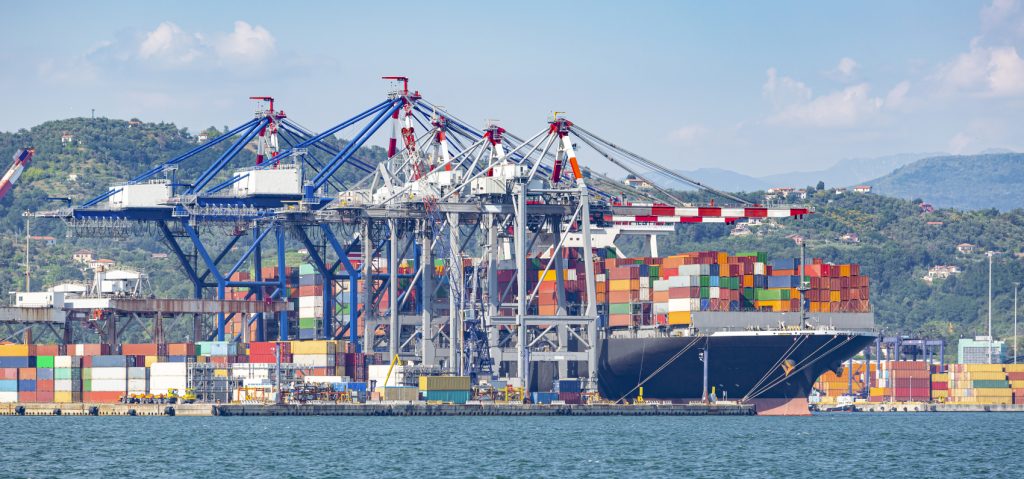
Comparison of Major Ports in Japan
| ท่าเรือ | Location | Main Cargo / Specialization | Key Features |
|---|---|---|---|
| Tokyo | Kanto region, Tokyo Bay | Containers, general cargo, bulk goods | Major international trade hub for the capital region |
| Yokohama | Kanagawa Prefecture, near Tokyo | Containers, vehicles, machinery | Advanced logistics, modern container terminals |
| Nagoya | Aichi Prefecture | Automobiles, machinery, containers | Japan’s largest port by cargo volume, Toyota export base |
| Osaka | Kansai region | Containers, bulk cargo, passenger ferries | Key gateway for western Japan |
| Kobe | Hyogo Prefecture, Kansai | Containers, raw materials, industrial goods | Historic port, strong global shipping network |
| Hakata (Fukuoka) | Kyushu region | Containers, ferries, bulk cargo | Links with China and Korea, growing trade hub |
| Shimizu | Shizuoka Prefecture | Automobiles, industrial cargo | Near Mount Fuji, strong access to central Japan |
| Moji | Kitakyushu, Kyushu | Containers, bulk cargo | Gateway for trade with China and Korea |
| Chiba | Chiba Prefecture, Tokyo Bay | Oil, LNG, energy-related cargo | Major energy and chemical supply port |
Secondary / Regional Ports in Japan
| ท่าเรือ | Location | Main Cargo / Notes |
|---|---|---|
| Niigata | Niigata Prefecture, Sea of Japan coast | Bulk cargo, agricultural products, industrial goods |
| Toyama | Toyama Prefecture | Aluminum, timber, regional industrial cargo |
| Kanmon (Shimonoseki/Moji) | Kanmon Strait, Yamaguchi/Fukuoka | Containers, bulk, domestic ferry services |
| Kushiro | Hokkaido | Fishery products, timber, regional trade |
| Muroran | Hokkaido | Coal, steel, industrial cargo |
| Otaru | Hokkaido | General cargo, seafood exports |
| Matsuyama | Ehime Prefecture, Shikoku | Regional trade, vehicles, bulk cargo |
| Takamatsu | Kagawa Prefecture, Shikoku | Regional containers, ferries, industrial goods |
| Hiroshima (Ujina) | Hiroshima Prefecture | Vehicles, machinery, containerized cargo |
| Kagoshima | Kagoshima Prefecture, Kyushu | Bulk cargo, regional trade, ferries |
| Matsue / Izumo | Shimane Prefecture | Timber, regional goods, local shipping |
2.1.3. How Long it Takes to Ship from China to Japan
The shipping time can range from 3 -4 days when one ship from China to Japan.
Normally the time it takes to ship from China to Japan will depend on the:
1.Location of the port
2.Time it takes for custom clearance in China
There are so many tools you can use to calculate this.
Here is a useful resource from ports.com: Sea Route & Distance:
Sea Freight Transit Time: China to Japan
| China Port | Japan Port | Transit Time (Days) | Notes |
|---|---|---|---|
| เซี่ยงไฮ้ | Tokyo / Yokohama | 3 – 5 days | One of the fastest and most frequent routes |
| เซี่ยงไฮ้ | Osaka / Kobe | 3 – 4 days | Direct and frequent services to Kansai region |
| หนิงโป | Tokyo / Yokohama | 4 – 6 days | Slightly longer than Shanghai due to sailing distance |
| หนิงโป | Osaka / Kobe | 3 – 5 days | Stable sailings for manufacturing and retail cargo |
| ชิงเต่า | Tokyo / Yokohama | 4 – 6 days | Strong route for electronics, machinery, and textiles |
| Tianjin (Xingang) | Yokohama / Tokyo | 5 – 7 days | Key northern China to Kanto trade lane |
| ดาเลียน | Tokyo / Yokohama | 3 – 4 days | Very fast, frequent ferries and feeder vessels |
| เซียเหมิน | Osaka / Kobe | 4 – 6 days | Popular for southern China exports |
| Shenzhen (Yantian/Shekou) | Tokyo / Yokohama | 5 – 7 days | Key route for electronics, garments, and consumer goods |
| Shenzhen (Yantian/Shekou) | Osaka / Kobe | 5 – 7 days | Frequent sailings, strong trade volume |
Shipping from China to Japan is one of the fastest international sea routes. Major Chinese ports like Shanghai, Ningbo, Qingdao, and Shenzhen offer regular sailings to Japan’s key hubs such as Tokyo, Yokohama, Osaka, and Kobe. Transit times typically range from 3 to 7 days, making sea freight between China and Japan both cost-effective and efficient for importers and exporters.
2.1.4. Shipping Companies from China to Japan
There are many shipping companies which can promptly facilitate movement of your consignment from China to Japan.
Depending on the reputation and services of the company, one can easily choose the best amongst the well-known ones.
The companies which have operated on that route include;
ONTO SHIPPING
SITC SHIPPING
JJ SHIPPING
CCL SHIPPING
EAS SHIPPING
SINOTRANS SHIPPING
Chapter 3: Sea Freight: FCL vs. LCL – Which Is Right for You?
Efficient international shipping starts with the right container choice. Learn the key differences between การขนส่งตู้คอนเทนเนอร์เต็มตู้ (FCL) และ Less-than-Container Load (LCL), their advantages, and when to use each for sea freight from China to Japan, and beyond.
• FCL (Full Container Load): A single shipper uses the full capacity of a 20ft or 40ft container. Ideal for bulk goods, high-value items, or when shipping time and privacy matter.
• LCL (Less-than-Container Load): Cargo from multiple shippers is consolidated into one container. Cost-effective for smaller shipments that don’t fill an entire container.
Comparison Table: FCL vs. LCL
| คุณสมบัติ | FCL | LCL |
|---|---|---|
| Container Usage | Full container used by one shipper | Shared container with others |
| ความคุ้มค่า | Cheaper per unit for large volume | Lower upfront cost for small volume |
| Handling | Loaded/sealed at origin by shipper | Multiple handling and consolidation |
| เวลาขนส่ง | Generally faster (less handling) | Slightly longer (more coordination) |
| Risk of Damage | Lower risk | Slightly higher (shared container) |
| Documentation | Simpler | More complex (consolidation required) |
Less than Container Load Shipping from China to Australia (LCL)
Less than Container Load (LCL) is consignment shared by many other customers with small amounts of goods to export.
In one container, different types of goods are packed inside till the container is full.
All the goods packed in the same container will be consolidated until the shipping thresh hold is met.
These goods must have the same destination port.
The shipping cost of the whole consignment will be shared by the individuals whose goods are inside the container as per the individual space (volume in cubic meters) occupied.
This type of sea/ocean shipping is considered cheaper when one is shipping very small quantities from China to Japan.
Though very cheap, it takes longer as the handling and consolidation takes time.
Why?
Consolidating goods at the port of departure is long and can be tedious.
Moreover, at the port of destination, you need to separate goods to their respective owners.
Again, each package will be cleared independently.
So basically, you require a lot of manpower and time.
It is important to handle these goods carefully in China and Japan to prevent possible damaging of goods.
Full Container Load Shipping from China to Japan (FCL)
Full Container Load (FCL) is suitable where one is importing goods which can fill one container.
This will give easy handling since every this is treated as one entity and can be cleared as one.
Tracking of such a consignment is therefore straightforward.
This makes it safer than LCL where many other packages are mixed in one container.
Once the consignment departs, the shipping container /booking number can be used to estimate the container duration in the sea /ocean.
When FCL is used, the charges are on flat rate as compared to LCL where the charges are levied on every individual package.
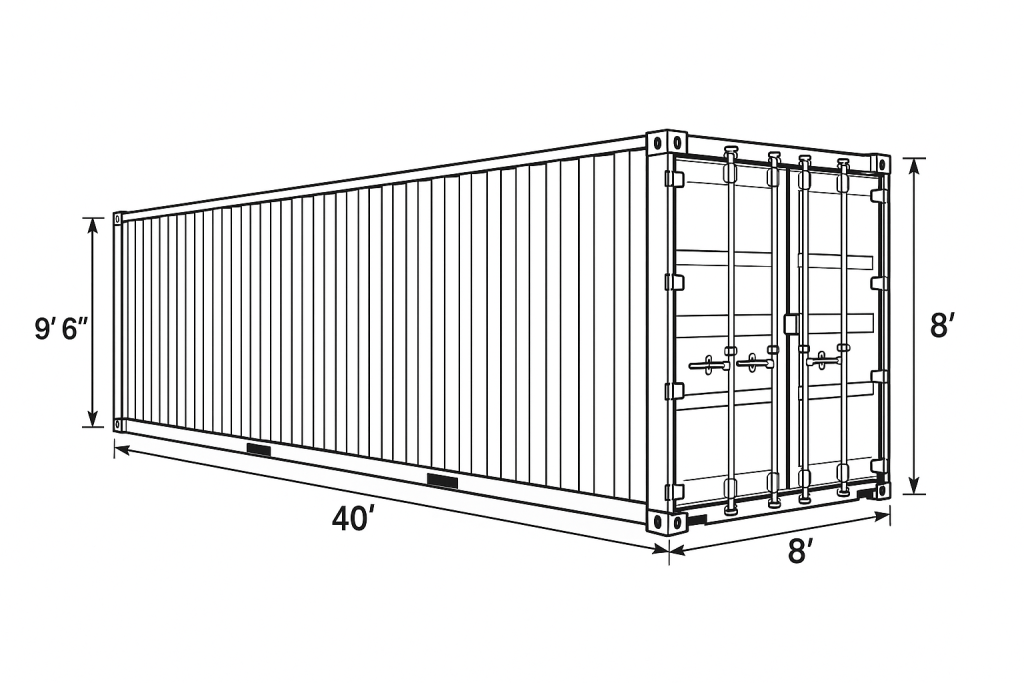
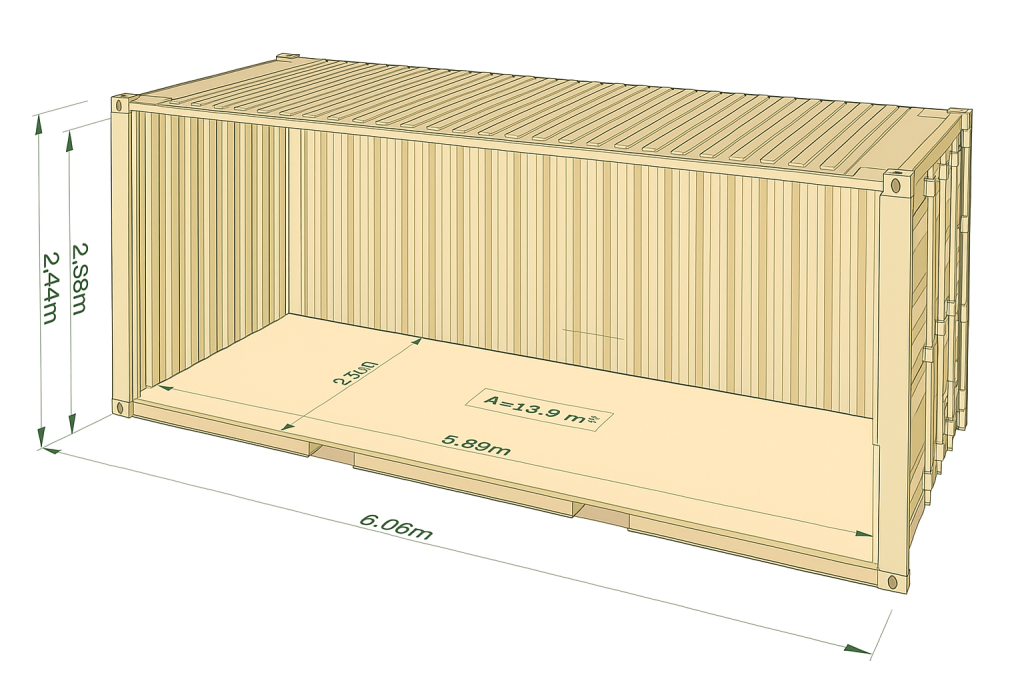
Normally, the maximum load permitted for every container during shipping is 28 tones with the 3 commonly used types of the containers being 20 feet, 40 feet and 40 feet high cube container.
At the port of departure and at the port of destination, LCL and FCL have different ways of handling due to the nature of goods available in each and every container.
Their difference in handling is such that:
1. FCL has very minimal handling. This is because the supplier takes the responsibility of sealing, loading and transporting cargo to the port in China.
Once it is loaded to the ship, there will be no need of opening it again at the destination port till the customer gets its procession.
LCL has taken a lot of time since every package has to be handled independently during consolidation at the departure port. You will go through a similar process at the port of destination when segregating individual packages.
2. The Freight forwarder will always issue a bill of Lading directly when one used FCL. For LCL, the bill of lading will be issued by the official shipping line.
3. Due to less handling activities in FCL, its charges are less compared to the LCL. The difference in the charges is due to high charges levied on the handling of the LCL both at the destination port and the departure port.
4. In FCL, the container number will just be one while when using LCL, every package inside the container has to be marked with the shipping mark to differentiate it with other packages. Normally, this mark must be visible with bold, black and water proof color which cannot be erased easily.
It should be written in English and if possible in the language of the destination port. Cargos carrying dangerous substances/chemicals must be marked using orange or red colors.
Key Ports in Japan for Sea Freight
1. Port of Tokyo
One of Japan’s busiest container ports, serving as a gateway for international trade in the Kanto region. It handles general cargo, containers, and bulk shipments.
2. Port of Yokohama
Located near Tokyo, Yokohama is a key international container hub and one of Japan’s largest logistics centers. It offers efficient customs clearance and modern facilities.
3. Port of Nagoya
Japan’s largest port by cargo volume, especially for automobile exports. Many major manufacturers, including Toyota, rely on Nagoya Port for global distribution.
4. Port of Osaka
Situated in the Kansai region, Osaka Port specializes in container handling, bulk cargo, and passenger ferries, serving as a central hub for western Japan.
5. Port of Kobe
Historically one of Japan’s busiest international trade ports, Kobe continues to handle large volumes of containers, raw materials, and manufactured goods.
6. Port of Hakata (Fukuoka)
A key port in Kyushu, Hakata handles international ferry routes to China and Korea, along with bulk and containerized cargo.
7. Port of Shimizu
Located near Mount Fuji, Shimizu Port is known for handling industrial cargo and automobiles, with convenient access to central Japan.
8. Port of Moji
A major logistics hub in northern Kyushu, Moji Port handles container traffic, bulk cargo, and serves as a vital gateway for trade with China and Korea.
9. Port of Chiba
Specializes in energy-related cargo such as oil and natural gas, supporting Japan’s industrial supply chain near Tokyo Bay.
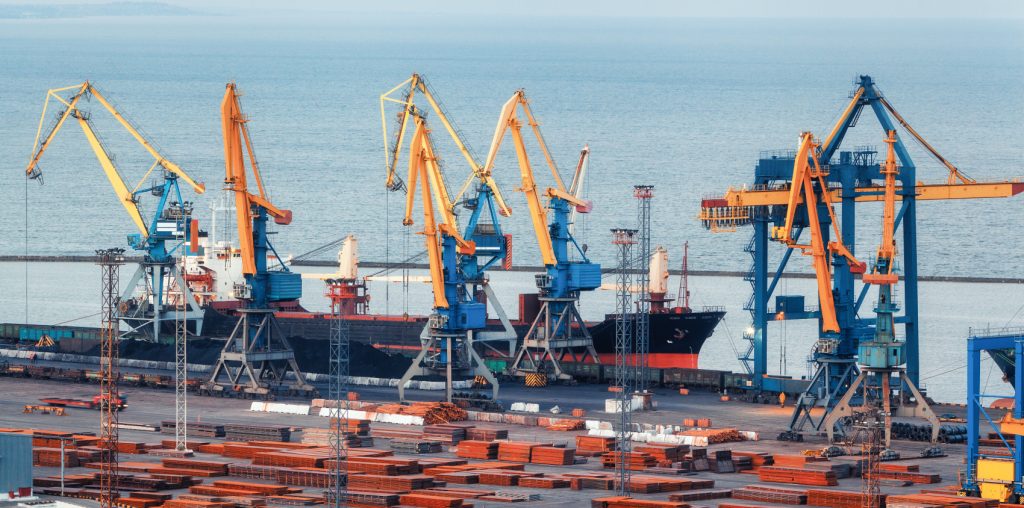
Chapter 4: Japan Customs Clearance and Door-to-Door Delivery Process
Learn the step-by-step process for customs clearance and จากบ้านถึงบ้าน delivery in Japan. Ensure your shipments are delivered smoothly and efficiently.
Customs Clearance to Door Delivery in Japan: A Complete Guide
This guide covers the complete process of importing goods into Japan, from customs clearance to final door-to-door delivery.
It is designed to help businesses and individuals ensure smooth logistics when shipping to Japan.
1. Prepare Required Documents
Before your cargo arrives in Japan, make sure the following documents are ready:
ใบแจ้งราคาการค้า – Details of the goods including description, quantity, unit price, and total value.
รายการสิ่งของที่ต้องนำติดตัว – Lists the contents, quantity, and weight of each package.
Bill of Lading (B/L) or Air Waybill (AWB) – Proof of the transport contract for your shipment.
Import License (if applicable) – Certain items may require a specific import permit.
Other Specific Documents – Such as Certificates of Origin, Health Certificates, or Quarantine Certificates depending on the type of goods.
Ensure all documents are accurate to avoid customs delays.
2. Choose a Customs Clearance Method
You can choose one of the following options for customs clearance:
Self-Clearance – If you are familiar with Japanese customs procedures, you can handle the clearance yourself.
Hire a Customs Broker/Agent – Many importers prefer professional brokers or freight forwarders to handle customs on their behalf.
For most importers, using a customs broker is more efficient and convenient.
3. Submit Import Declaration
The import declaration must be submitted as soon as the cargo arrives in Japan.
The declaration includes details such as quantity, value, and country of origin.
It can be submitted electronically through Japan Customs’ online system.
High-value shipments may require additional supporting documents.
4. Pay Customs Duty and Consumption Tax
Duties and taxes are calculated based on the classification and value of the goods.
Consumption tax is generally 10%.
After payment, customs will issue clearance approval.
5.Cargo Inspection
เมื่อทุกข้อกำหนดได้รับการปฏิบัติตามครบถ้วนแล้ว กรมศุลกากรจะอนุมัติการผ่านพิธีการศุลกากร และสินค้าจะได้รับอนุญาตให้เข้าประเทศออสเตรเลีย ณ จุดนี้ ผู้จัดส่งสินค้าจะจัดเตรียมขั้นตอนต่อไปของกระบวนการ คือ การขนส่งไปยังจุดหมายปลายทาง.
6. Delivery to Door
Once cleared, the cargo will be handed over to a delivery company (e.g., Japan Post, Yamato Transport, or other courier services) and delivered to your specified address.
If you use a “door-to-door” service, the carrier will deliver directly to your warehouse or chosen location.
Important Notes
Accuracy of Declaration – Ensure all declaration information is true and complete to avoid fines or cargo detention.
Special Product Requirements – Items like food, pharmaceuticals, and cosmetics may require extra permits or quarantine checks.
Time Planning – Customs clearance and delivery take time; plan ahead to avoid business disruption.
Useful Resources
Japan Customs Official Website – For the latest import regulations, duties, and declaration guides.
Japan Post International Services – Provides shipping and tracking for international mail.
DHL, Nippon Express, etc. – Offer logistics and customs clearance services from China (or other countries) to Japan.
เพื่อการผ่านพิธีการศุลกากรที่สะดวกสบายและประสิทธิภาพสูง จากบ้านถึงบ้าน บริการส่งสินค้าในออสเตรเลีย ติดต่อ BRF LOGISTICS วันนี้ เรารับประกันว่าจะจัดหาบริการขนส่งที่ทันเวลา เป็นไปตามข้อกำหนด และคุ้มค่าสำหรับธุรกิจของคุณ.
Japan Import FAQ – FCL & LCL Shipping from China
Q1: Which Japan port should I choose for FCL from China?
For full container load shipments from China, ports like Tokyo, Yokohama, Osaka, Kobe, and Nagoya are ideal due to their high efficiency, frequent sailings, and strong connections to domestic distribution networks.
Q2: Is LCL viable for shipping to Japan?
Yes, less-than-container-load (LCL) shipments are suitable if your cargo volume is limited or not urgent. Major ports like Tokyo, Yokohama, and Osaka handle frequent LCL consolidations from China.
Q3: What documents are required for importing to Japan?
Required documents include:
ใบส่งสินค้า (B/L)
ใบแจ้งราคาการค้า
รายการสิ่งของที่ต้องนำติดตัว
ใบประกาศนำเข้า submitted to Japan Customs
Additional Certificates such as Certificate of Origin, Health Certificate, or Quarantine Certificate, depending on the product type
Q4: How can I reduce delays at Japanese customs?
Ensure all documents are accurate and complete, declare goods correctly, comply with Japanese regulations for restricted items, and make sure packaging and labeling meet import requirements. Hiring a professional customs broker can also speed up clearance.
Q5: Does CHINA BRF LOGISTICS operate in all major Japanese ports?
Yes, CHINA BRF LOGISTICS offers door-to-door shipping solutions covering all major Japanese ports, including Tokyo, Yokohama, Osaka, Kobe, and Nagoya.
Shipping to Japan from China has never been easier with FCL and LCL options. Choosing the right port, such as Tokyo, Yokohama, Osaka, Kobe, or Nagoya, ensures fast and efficient delivery. Proper documentation—including Bill of Lading, Commercial Invoice, Packing List, and Import Declaration—is crucial to avoid customs delays. CHINA BRF LOGISTICS provides professional customs clearance and door-to-door delivery services across all major Japanese ports, making your imports smooth and hassle-free.
Chapter 5: Air Freight from China to Japan
When time is a constraint to ship any cargo, it is important to know the fastest way of having your commodity reach Japan.
Air freight is considered the fastest means of transportation.
In Air freight, the services include:
- Domestic air freight forwarding
- Oversize air freight forwarding
- Real-time shipment tracking and tracing
- Specialized export services which may include export compliance
- Export documentation
- Coordination with banks for banking compliance
- Crating and packaging, just to mention a few
All these ensure the arrival of the shipment in time to give the customer satisfaction.
2.2.1. Advantages of Air freight
Some of the main advantages of air freight over sea freight include:
1. Faster delivery time since the flight have higher speeds compared to the ships. Normally, air freight companies know the shortest routes to be used depending on the agency of the cargo
2. Cost effective since there will be minimal point of contact since one freight broker can easily handle all the logistics
3. Consignment will as well be safe as it will always be insured for risk reduction and tracking
When it comes to air freight services, the customers will always be concerned about time to ensure he receives his consignment in time.
The customer’s expectation can be met by giving additional specialized export services such as:
- Export documentation
- Coordination with banks for banking compliance
- Export compliance and more are offered.
All these aim to ensure faster delivery of goods as per the wish of the customer.
Before using air freight from China to Japan, it is important to be well versed with the airports in China and their locations.
China as a country has so many airports which aid movement of different commodities from different locations.
Depending on different places where goods are sourced, the airports will always be busy on a cargo basis to export the goods out of the country.
Some of the main airports in china include:
- Beijing Capital International Airport
- Shanghai Pudong International Airport
- Chengdu Shuangliu International Airport
- Hong Kong International Airport
- Xi an Xianyang International Airport
- Kunming Changshui International Airport
- Guangzhou Baiyun International Airport
- Shenzhen Bao’an International Airport
- Hangzhou Xiaoshan International Airport
- Xiamen Gaoqi International Airport
- Changsha Huanghua International Airport
- Qingdao Jiaodong International Airport
- Wuhan Tianhe International Airport
- Haikou Meilan International Airport
- Tianjin Binhai International Airport
- Phoenix International Airport
- Harbin Taiping International Airport
- Guiyang Longdongbao International Airport
- Dalian Zhoushuizi International Airport
- Taiyuan Wusu International Airport
- Lanzhou Zhongchuan International Airport
- Shijiazhuang Zhengding International Airport
Since the cargo leaves from China to Japan, it is important to know the locations of each and every airport in Japan.
This will help you to plan accordingly when importing from China to Japan.
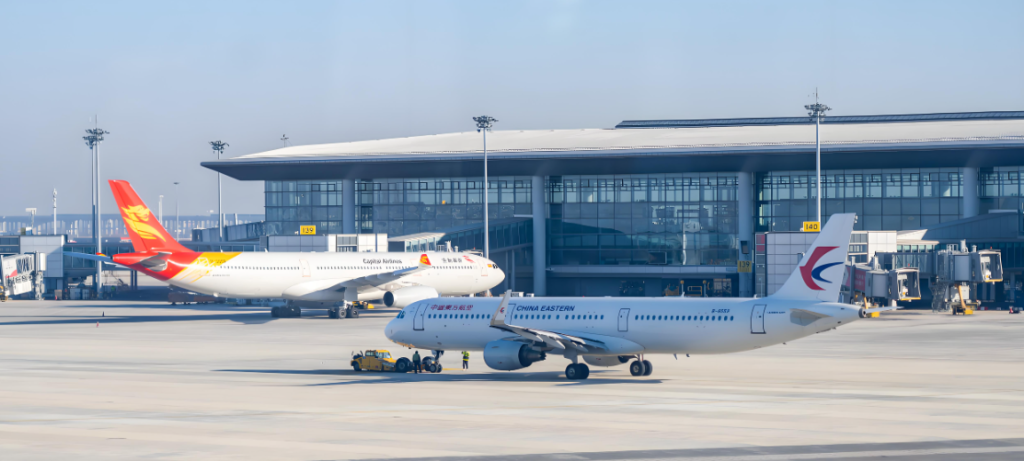
Major Cargo Airports in Japan
1. Narita International Airport (NRT) – Tokyo
Japan’s largest international air cargo hub
Main base for ANA Cargo, Nippon Cargo Airlines, and other carriers
Core gateway connecting Japan with China, the U.S., and Europe
2. Haneda Airport (HND) – Tokyo
Primarily a passenger airport, but also handles express and priority cargo
Close to central Tokyo, ideal for time-sensitive shipments
3. Kansai International Airport (KIX) – Osaka
The main international cargo hub for western Japan
Base for DHL, FedEx, UPS, and other global couriers
Serves the Kansai region including Osaka, Kyoto, and Kobe
4. Chubu Centrair International Airport (NGO) – Nagoya
Handles large volumes of automotive parts and electronics
Key gateway for Toyota and its supply chain
5. New Chitose Airport (CTS) – Sapporo, Hokkaido
Focus on agricultural and seafood exports with strong cold-chain logistics
Regional cargo hub for Northeast Asia
6. Fukuoka Airport (FUK) – Kyushu
Regional cargo hub with strong links to China and South Korea
Suitable for importers and exporters in southern Japan
7. Naha Airport (OKA) – Okinawa
Known for transshipment and express cargo
ANA Okinawa Hub offers fast connections across Asia
8. Kitakyushu Airport (KKJ) – Kyushu
24-hour cargo airport
Specialized in automotive, steel, and industrial products
Secondary / Regional Cargo Airports
These airports handle smaller cargo volumes but play an important role in domestic and regional air freight:
Sendai Airport (SDJ) – Exports agricultural products and cold-chain cargo from the Tohoku region
Komatsu Airport (KMQ) – Regional cargo airport in Ishikawa Prefecture
Shizuoka Airport (FSZ) – Handles electronics and machinery exports
Kagoshima Airport (KOJ) – Agricultural exports from southern Kyushu
Okayama Airport (OKJ) – Supports industrial cargo in western Japan
Cargo Airlines Operating China–Japan Routes
Chinese Cargo Airlines
China Cargo Airlines (CK) – Subsidiary of China Eastern Airlines, operates dedicated freighters to Narita (NRT), Kansai (KIX), Nagoya (NGO).
SF Airlines (O3) – Major express/cargo carrier under SF Express, serves routes to Tokyo (NRT), Osaka (KIX).
China Southern Cargo (CZ) – Strong presence in Shanghai, Guangzhou, Shenzhen with freighters to Tokyo and Osaka.
Air China Cargo (CA) – Operates freighters from Beijing and Shanghai to Narita and Kansai.
Suparna Airlines (Y8) – Former Yangtze River Express, cargo services to Japan.
International Cargo Airlines (Serving China–Japan)
FedEx Express – Extensive Asia-Pacific hub in Guangzhou, frequent flights to Kansai and Narita.
UPS Airlines – Strong China–Japan express cargo services.
DHL Aviation – Operates via Hong Kong and Shanghai to Naha (OKA), Kansai (KIX).
Polar Air Cargo / Atlas Air – Provides intercontinental capacity including China–Japan sectors.
Japanese Cargo Airlines
Nippon Cargo Airlines (NCA/KZ) – Japan’s all-cargo airline, dedicated freighters between Tokyo (NRT), Osaka (KIX), and major Chinese airports (PVG, CAN, PEK, SZX).
ANA Cargo (NH) – Operates freighters and belly cargo from Chinese airports to Narita and Kansai.
JAL Cargo (JL) – Mainly bellyhold cargo on passenger aircraft between China and Japan.
Frequently Asked Questions (FAQ) – China to Japan Shipping
BRF Logistics provides reliable and cost-effective freight solutions from China to Japan, including ocean freight, air freight, customs clearance, and door-to-door delivery. Below are the most frequently asked questions about shipping from China to Japan.
BRF Logistics offers comprehensive freight solutions from China to Japan, including การขนส่งทางทะเล (FCL & LCL), การขนส่งทางอากาศ, บริการส่งถึงบ้าน, Express Shipping, การผ่านพิธีการศุลกากร, และ ระบบขนส่งหลายรูปแบบ. We customize shipping plans according to your cargo type, budget, and delivery schedule.
เวลาขนส่งขึ้นอยู่กับวิธีการจัดส่ง:
- การขนส่งทางทะเล (FCL/LCL): 3–10 days
- การขนส่งทางอากาศ: 1–3 วัน
- บริการส่งด่วน: 2–5 วัน
- บริการส่งถึงบ้าน: Approximately 5–12 days depending on customs clearance and final delivery.
BRF Logistics cooperates with major shipping lines and airlines to provide reliable transit schedules and real-time shipment tracking.
Yes. BRF Logistics provides professional Door-to-Door shipping services across Japan, including Tokyo, Osaka, Yokohama, Nagoya, Kobe, Fukuoka, Sapporo, Kyoto, Hiroshima, และ Sendai.
บริการของเราประกอบด้วย:
- Factory pickup anywhere in China
- การผ่านพิธีการศุลกากรสำหรับการส่งออก
- การขนส่งทางทะเลหรือทางอากาศ
- Japan import customs coordination
- Local transportation
- Final delivery to warehouses, factories, offices, or Amazon fulfillment centers
We ship a wide variety of commercial and industrial cargo, including:
- Electronics and electrical equipment
- เครื่องจักรและอุปกรณ์อุตสาหกรรม
- ชิ้นส่วนรถยนต์
- วัสดุก่อสร้าง
- โปรไฟล์อลูมิเนียม
- เฟอร์นิเจอร์
- สินค้าอุปโภคบริโภค
- สิ่งทอและเสื้อผ้า
- Plastic products
- E-commerce and retail shipments
Our logistics specialists ensure every shipment complies with Japanese customs regulations and import requirements.
BRF Logistics provides efficient, flexible, and dependable logistics services with:
- อัตราค่าขนส่งที่แข่งขันได้
- Frequent vessel and flight schedules
- FCL, LCL, and Air Freight options
- บริการสนับสนุนการผ่านพิธีการศุลกากรอย่างมืออาชีพ
- Door-to-Door and multimodal transportation
- ติดตามการส่งสินค้าแบบเรียลไทม์
- Dedicated customer service and logistics experts
Whether you're shipping a small LCL shipment or a full container load, BRF Logistics delivers safe, efficient, and cost-effective transportation from China to Japan.