Freight From China To Japan
Your Reliable Freight Forwarding Partner in China
Freight Forwarder From China to Japan
Depuis 11 ans, CHINA BRF LOGISTICS est l'un des principaux experts en transport de marchandises en Chine, et s'engage à acheminer vos marchandises avec précision et soin. Nous proposons une gamme complète de services pour répondre à tous vos besoins en matière d'expédition.
We have focused on the Japan market for many years, so we can handle every shipment from China to Japan very well. Including door to port, de porte à porte, service de port à port et de port à domicile.
Whether you ship FCL from China on 20GP container, 40 GP container, or LCL shipping goods from China to Port of Tokyo,Port of Yokohama,Port of Nagoya,Port of Osaka,Port of Kobe,Port of Hakata (Fukuoka),Port of Shimizu,Port of Moji,Port of Chiba, CHINA BRF LOGISTICS will always provide you cheapest shipping freight to save your shipping cost.
CHINE BRF LOGISTICS is an expert on both sea freight from China to Japan and air freight from China to Japan , you can rely on us and we will be your best freight forwarder and partner in China.


We can ship to any port in Japan by sea. For example,Tokyo,Yokohama, Nagoya,Osaka, Kobe

Nous pouvons proposer des conditions DDU et DDP et vous livrer à domicile dans les délais prévus.
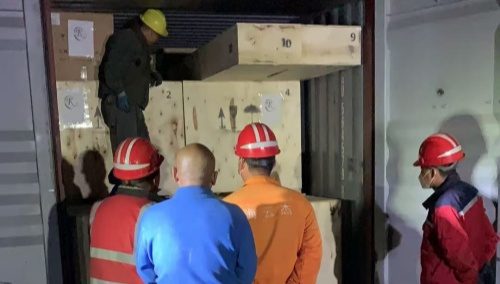
Sea Freight from China to Japan
Nous pouvons vous garantir qu'il y aura de la place dans le transporteur, même en haute saison, à un prix compétitif.
Air Freight from China to Japan
Nous choisirons le meilleur itinéraire aérien et le meilleur tarif en fonction de votre budget et de vos dates.

Door to Door Shipping from China to Japan
We can provide a fast customs clearance service in Japan, and deliver your goods to your warehouse or home.
Autres services pour les envois depuis la Chine
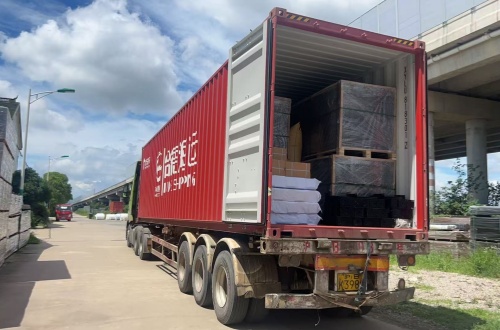
Enlèvement de marchandises
CHINA BRF LOGISTICS will provide most fuel efficient pickup service China
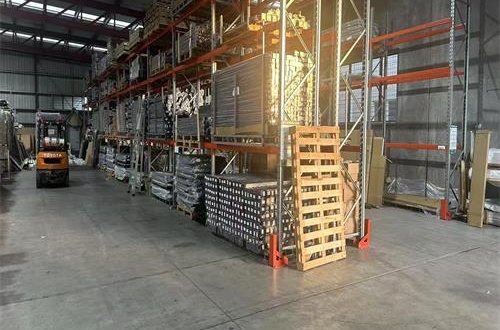
Entreposage et distribution
Nous proposons des services d'entreposage gratuits pour toutes vos marchandises.

Assurance marchandises
L'assurance marchandises protège vos biens. Ping An Insurance ou PICC
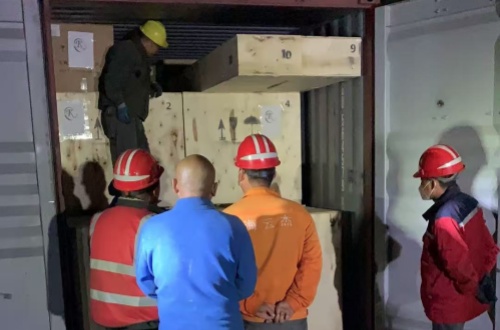
Supervision du chargement
Nous ferons en sorte qu'une personne supervise le chargement.

Dédouanement
Vous n'avez pas besoin de nous fournir de documents ; nous nous chargeons de toutes les formalités administratives et autres détails à votre place.
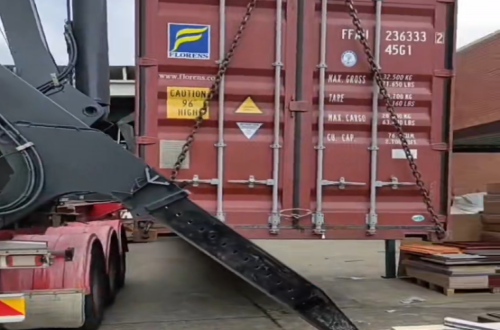
Livraison à domicile
Les modes de livraison varient selon les régions. Si vous souhaitez savoir comment vos articles sont livrés
Your Best Reliable Freight Forwarder from China to Japan
- Nous sommes en mesure de proposer des tarifs de transport inférieurs à la moyenne du marché grâce aux accords tarifaires que nous avons conclus avec les transporteurs.
- Service d'expédition depuis n'importe quel port en Chine.
- Paperwork in China and Japan
- China Warehouse and distribution service.
- Pick up delivery service in China
Time of Shipping from China to Japan
Port de chargement | Port d'arrivée | Heure d'émission |
Tianjin | Tokyo / Yokohama /Osaka /Kobe | 4 |
| Qingdao | Tokyo / Yokohama /Osaka /Kobe | 3 |
Shanghai | Tokyo / Yokohama /Osaka /Kobe | 3 |
| Ningbo | Tokyo / Yokohama /Osaka /Kobe | 4 |
Xiamen | Tokyo / Yokohama /Osaka /Kobe | 4 |
| Shenzhen | Tokyo / Yokohama /Osaka /Kobe | 5 |
Shipping from China to Japan: The Complete Guide for Importers
Are you looking for the most comprehensive guide for shipping from China to Japan?
Ou bien, vous envisagez d'importer des produits depuis la Chine.
Eh bien, j'ai rédigé ce guide spécialement pour vous.
Because I am going to cover everything you need to know when shipping from China to Japan.
De fret maritime, air freight, Japan import customs, products to best freight forwarders, just to mention a few.
Et le meilleur dans tout ça ?
This guide will help you reduce shipping cost and time from China to Japan.
Let’s jump right in:
- CHINA BRF Freight Forward Services to Japan
- Ways of Shipping from China to Japan
- A Complete Guide to Japan Import Customs
- Main Products Japan Imports from China
- How to choose best Freight Forwarder from China to Japan
- FAQs on Shipping from China to Japan
Chapter 1: CHINA BRF LOGISTICS Services to Japan
With the rising competition in logistic industry, freight forwarding logistics companies have cropped up with the majority giving substandard services.
At CHINA BRF LOGISTICS, we offer some of the best freight forwarding services to Japan.
When importing from China to Japan, you can benefit from our ever-growing partnerships and networks.
Non seulement nous vous aidons à trouver des produits de grande qualité, mais nous veillons également à ce que vous les receviez dans les plus brefs délais.
Vous pouvez à tout moment bénéficier de nos 8 années d'expérience dans le secteur de la logistique.
CHINE BRF LOGISTICS is continuously growing to support its ever increasing clients importing from China to Japan. By 2019, we had got the NVOCC.
Je peux te dire ça gratuitement :
L'équipe de CHINA BRF LOGISTICS vous accompagnera à chaque étape.
Du dédouanement à l'emballage, en passant par le chargement et l'inspection, CHINE BRF LOGISTICS ensures all your cargo reaches Japan without delays.
Nous vous tenons toujours informés de chaque étape du transport de votre colis.
Que vous ayez besoin de :
Air freight from China to Tokyo Japan
Sea freight from China to Tokyo Japan
Door to door shipping from China to Tokyo Japan
From LCL shipping from China to Tokyo Japan to FCL shipping from China to Tokyo Japan, CHINA BRF LOGISTICS offers the best freight forwarding service.
CHINA BRF LOGISTICS is one of the leading freight forwarder from China to Japan that offers:
2.Entreposage et la distribution
3.Cargo insurance
4.Customs clearance
5. La supervision du chargement, entre autres services
And by the way, at CHINA BRF LOGISTICS, our main focus is you – we want you to import from China to Japan without any hurdles.
Tu peux imaginer ça ?
With CHINA BRF LOGISTICS to Japan, you are guaranteed of 10 to 15 days free warehousing.
You can also use our containers for a maximum of 21 days (free time).
We do all these to save on shipping cost from China to Japan.
During our logistics process, when shipping from China to Japan , we send pictures and videos of your goods.
Pourquoi est-ce que je raconte tout ça ?
Parce que la CHINE BRF LOGISTICS is a company you can trust for all your shipping needs from China to Japan.
But, that’s not everything you need to know about shipping from China to Japan.
Voici d'autres éléments essentiels que vous devez absolument connaître :
Chapter 2: Ways of Shipping from China to Japan
Whenever you’re looking for the best ways to ship from China to Japan, you need to consider a number of factors.
En gros, il n'existe que deux moyens principaux de s'assurer que vos marchandises arrivent à destination à temps.
Les deux principaux modes de transport sont les suivants :
Whether to choose an air freight from China to Japan or ocean freight from China to Japan will depend on:
1. Nature des marchandises que vous expédiez
2. Dans quel délai avez-vous besoin de ces marchandises ?
À ce sujet, une fois que la marchandise arrive au port de destination,CHINE BRF LOGISTICS will always ensure the de porte à porte delivery even if it means road transport.
CHINE BRF LOGISTICS sa priorité est de satisfaire le client dans les plus brefs délais.
Now, let’s explore on ways of shipping from China to Japan:
2.1. Sea Freight from China to Japan
The shortest straight-line distance between China and Japan is about 108 kilometers, located between Yilan County in Taiwan Province and Okinawa Prefecture and Nago Island in Japan; The straight-line distance between major cities in Chinese Mainland, such as Shanghai and Japan, is about 690 kilometers, and that between Beijing and Tokyo is about 2100 kilometers.
Main distance data
The shortest distance is approximately 108 kilometers from Wuyanjiao, Dong’ao Township, Yilan County, Taiwan to Yonaguni Island, Okinawa Prefecture, Japan.
Distance between major cities:
The distance from Shanghai to Kyushu Island is about 690 kilometers.
Dalian to Fukuoka is about 950 kilometers away.
Beijing to Tokyo is about 2100 kilometers away.
Fret maritime is very effective in ensuring commodities reach Japan from China.
Le fret maritime consiste essentiellement à acheminer des marchandises par voie maritime d'un port à un autre.
Dans le cadre de ce mode de transport, la marchandise peut être chargée directement sur le navire ou d'abord placée dans des conteneurs.
To ensure your cargo arrives safely in Japan, the freight forwarder handles all logistics work.
Du dédouanement des marchandises à la vérification des documents, en passant par la supervision du chargement.
But, even before you think of ocean freight from China to Japan , you need to know both the port of origin and destination.
C'est là que je veux t'emmener ensuite.
2.1.1. Principaux ports maritimes de Chine
La Chine compte de nombreux ports maritimes, parmi lesquels :
- Port de Shanghai
- Port de Tianjin Xingang
- Port de Guangzhou
- Port de Qingdao
- Port de Shenzhen
- Port de Ningbo
- Port de Dalian
- Port de Xiamen
- Port of Lianyungang and many others.
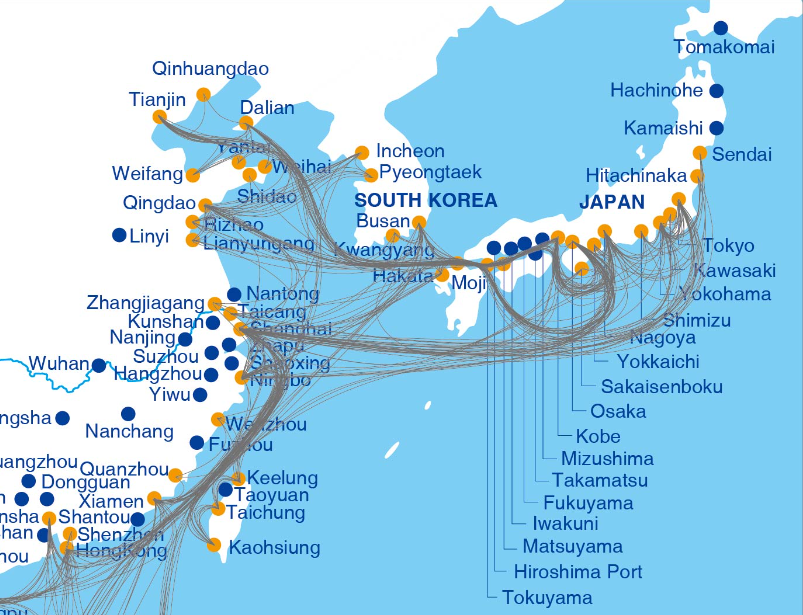
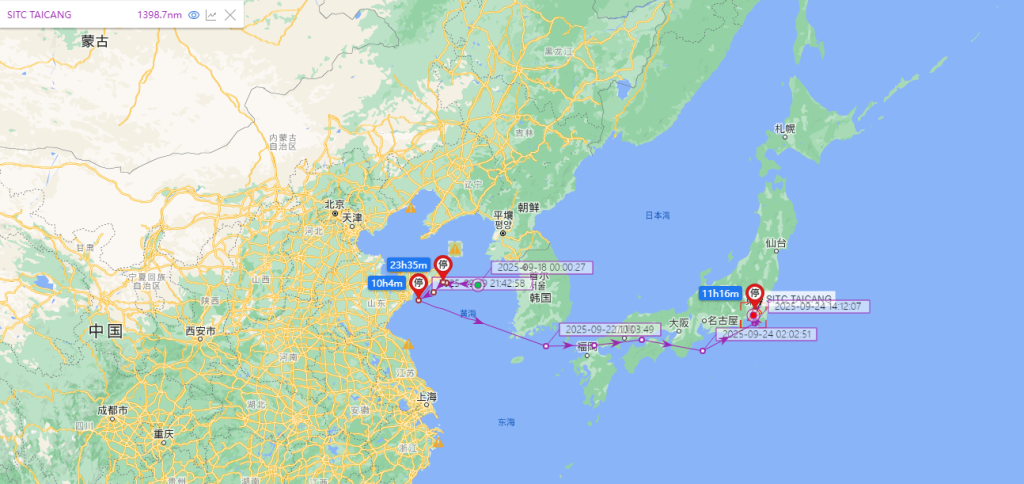
sitc japan route
Pour commencer, vous devez connaître le port maritime depuis lequel vous souhaitez expédier vos marchandises en Chine.
De cette façon, vous saurez combien de temps il faudra aux marchandises pour arriver au port maritime en Chine.
2.1.2. Main Sea Ports in Japan
Japan also has a number of the receiving sea ports which can handle millions of tonnes of cargo in a year.
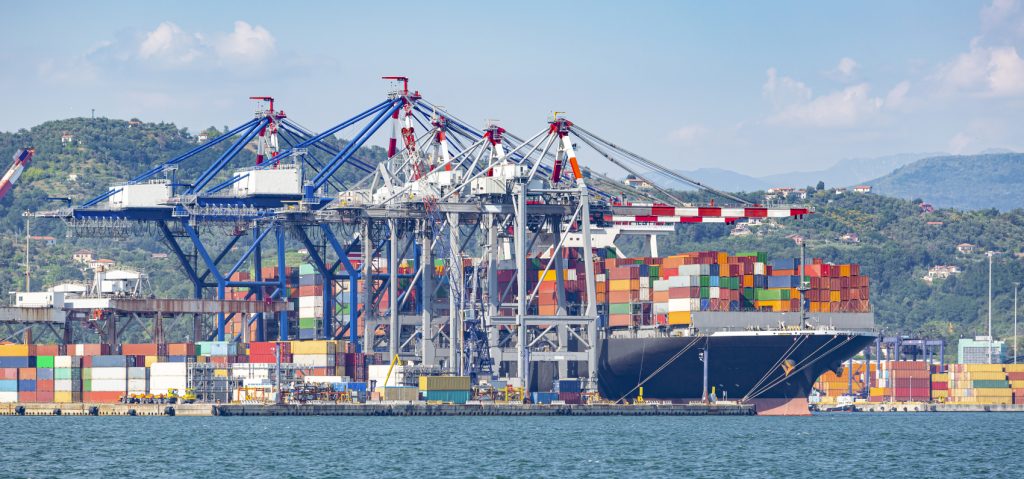
Comparison of Major Ports in Japan
| Port | Location | Main Cargo / Specialization | Caractéristiques principales |
|---|---|---|---|
| Tokyo | Kanto region, Tokyo Bay | Containers, general cargo, bulk goods | Major international trade hub for the capital region |
| Yokohama | Kanagawa Prefecture, near Tokyo | Containers, vehicles, machinery | Advanced logistics, modern container terminals |
| Nagoya | Aichi Prefecture | Automobiles, machinery, containers | Japan’s largest port by cargo volume, Toyota export base |
| Osaka | Kansai region | Containers, bulk cargo, passenger ferries | Key gateway for western Japan |
| Kobe | Hyogo Prefecture, Kansai | Containers, raw materials, industrial goods | Historic port, strong global shipping network |
| Hakata (Fukuoka) | Kyushu region | Containers, ferries, bulk cargo | Links with China and Korea, growing trade hub |
| Shimizu | Shizuoka Prefecture | Automobiles, industrial cargo | Near Mount Fuji, strong access to central Japan |
| Moji | Kitakyushu, Kyushu | Containers, bulk cargo | Gateway for trade with China and Korea |
| Chiba | Chiba Prefecture, Tokyo Bay | Oil, LNG, energy-related cargo | Major energy and chemical supply port |
Secondary / Regional Ports in Japan
| Port | Location | Main Cargo / Notes |
|---|---|---|
| Niigata | Niigata Prefecture, Sea of Japan coast | Bulk cargo, agricultural products, industrial goods |
| Toyama | Toyama Prefecture | Aluminum, timber, regional industrial cargo |
| Kanmon (Shimonoseki/Moji) | Kanmon Strait, Yamaguchi/Fukuoka | Containers, bulk, domestic ferry services |
| Kushiro | Hokkaido | Fishery products, timber, regional trade |
| Muroran | Hokkaido | Coal, steel, industrial cargo |
| Otaru | Hokkaido | General cargo, seafood exports |
| Matsuyama | Ehime Prefecture, Shikoku | Regional trade, vehicles, bulk cargo |
| Takamatsu | Kagawa Prefecture, Shikoku | Regional containers, ferries, industrial goods |
| Hiroshima (Ujina) | Hiroshima Prefecture | Vehicles, machinery, containerized cargo |
| Kagoshima | Kagoshima Prefecture, Kyushu | Bulk cargo, regional trade, ferries |
| Matsue / Izumo | Shimane Prefecture | Timber, regional goods, local shipping |
2.1.3. How Long it Takes to Ship from China to Japan
The shipping time can range from 3 -4 days when one ship from China to Japan.
Normally the time it takes to ship from China to Japan will depend on the:
1.Location of the port
2.Time it takes for custom clearance in China
Il existe de nombreux outils qui vous permettent de faire ce calcul.
Here is a useful resource from ports.com: Sea Route & Distance:
Sea Freight Transit Time: China to Japan
| Port de Chine | Japan Port | Transit Time (Days) | Remarques |
|---|---|---|---|
| Shanghai | Tokyo / Yokohama | 3 – 5 days | One of the fastest and most frequent routes |
| Shanghai | Osaka / Kobe | 3 – 4 days | Direct and frequent services to Kansai region |
| Ningbo | Tokyo / Yokohama | 4 – 6 days | Slightly longer than Shanghai due to sailing distance |
| Ningbo | Osaka / Kobe | 3 – 5 days | Stable sailings for manufacturing and retail cargo |
| Qingdao | Tokyo / Yokohama | 4 – 6 days | Strong route for electronics, machinery, and textiles |
| Tianjin (Xingang) | Yokohama / Tokyo | 5 – 7 days | Key northern China to Kanto trade lane |
| Dalian | Tokyo / Yokohama | 3 – 4 days | Very fast, frequent ferries and feeder vessels |
| Xiamen | Osaka / Kobe | 4 – 6 days | Popular for southern China exports |
| Shenzhen (Yantian/Shekou) | Tokyo / Yokohama | 5 – 7 days | Key route for electronics, garments, and consumer goods |
| Shenzhen (Yantian/Shekou) | Osaka / Kobe | 5 – 7 days | Frequent sailings, strong trade volume |
Shipping from China to Japan is one of the fastest international sea routes. Major Chinese ports like Shanghai, Ningbo, Qingdao, and Shenzhen offer regular sailings to Japan’s key hubs such as Tokyo, Yokohama, Osaka, and Kobe. Transit times typically range from 3 to 7 days, making sea freight between China and Japan both cost-effective and efficient for importers and exporters.
2.1.4. Shipping Companies from China to Japan
There are many shipping companies which can promptly facilitate movement of your consignment from China to Japan.
En fonction de la réputation et des services proposés par l'entreprise, on peut facilement choisir la meilleure parmi les plus connues.
Parmi les compagnies qui ont assuré cette liaison, on peut citer :;
ONTO SHIPPING
SITC SHIPPING
JJ SHIPPING
CCL SHIPPING
EAS SHIPPING
SINOTRANS SHIPPING
Chapitre 3 : Fret maritime : FCL ou LCL ? Quelle est la solution qui vous convient le mieux ?
Efficient international shipping starts with the right container choice. Learn the key differences between Conteneur complet (FCL) et Less-than-Container Load (LCL), their advantages, and when to use each for sea freight from China to Japan, and beyond.
• FCL (Full Container Load) : un seul expéditeur utilise la totalité de la capacité d'un conteneur de 20 ou 40 pieds. Idéal pour les marchandises en vrac, les articles de grande valeur ou lorsque les délais de livraison et la confidentialité sont primordiaux.
• LCL (Less-than-Container Load) : les marchandises provenant de plusieurs expéditeurs sont regroupées dans un seul conteneur. Cette solution est économique pour les envois de petite taille qui ne remplissent pas un conteneur entier.
Tableau comparatif : FCL vs LCL
| Fonctionnalité | FCL | LCL |
|---|---|---|
| Utilisation des conteneurs | Conteneur complet utilisé par un seul expéditeur | Conteneur partagé avec d'autres personnes |
| Rentabilité | Prix unitaire plus avantageux pour les gros volumes | Coût initial réduit pour les petits volumes |
| Manipulation | Chargé/scellé à l'origine par l'expéditeur | Manutention multiple et regroupement |
| Durée du trajet | Généralement plus rapide (moins de manipulations) | Un peu plus long (une meilleure coordination) |
| Risque de dommages | Risque moindre | Légèrement plus élevé (conteneur partagé) |
| Documentation | Plus simple | Plus complexe (nécessite une consolidation) |
Transport de chargements partiels (LCL) de la Chine vers l'Australie
Le « Less than Container Load » (LCL) désigne un envoi groupé avec celui de nombreux autres clients ayant de petites quantités de marchandises à exporter.
Dans un conteneur, on charge différents types de marchandises jusqu'à ce qu'il soit plein.
Toutes les marchandises emballées dans le même conteneur seront regroupées jusqu'à ce que le seuil d'expédition soit atteint.
Ces marchandises doivent avoir le même port de destination.
Les frais de transport de l'ensemble du chargement seront répartis entre les personnes dont les marchandises se trouvent dans le conteneur, en fonction de l'espace (volume en mètres cubes) occupé par chacune d'entre elles.
This type of sea/ocean shipping is considered cheaper when one is shipping very small quantities from China to Japan.
Même si c'est très bon marché, cela prend plus de temps, car la manutention et le regroupement des colis prennent du temps.
Pourquoi ?
Le regroupement des marchandises au port de départ est un processus long et qui peut s'avérer fastidieux.
De plus, au port de destination, vous devez répartir les marchandises entre leurs propriétaires respectifs.
Une fois encore, chaque colis fera l'objet d'un dédouanement distinct.
En gros, cela demande donc beaucoup de main-d'œuvre et de temps.
It is important to handle these goods carefully in China and Japan to prevent possible damaging of goods.
Full Container Load Shipping from China to Japan (FCL)
Le transport par conteneur complet (FCL) est adapté lorsque l'on importe des marchandises pouvant remplir un conteneur.
Cela facilitera la gestion, car l'ensemble est considéré comme une seule entité et peut être effacé en une seule fois.
Le suivi d'un tel envoi est donc très simple.
Cela rend ce mode de transport plus sûr que le LCL, où de nombreux autres colis sont regroupés dans un même conteneur.
Once the consignment departs, the shipping container /booking number can be used to estimate the container duration in the sea /ocean.
Lorsque l'on utilise le FCL, les frais sont forfaitaires, contrairement au LCL où ils sont facturés pour chaque colis pris individuellement.
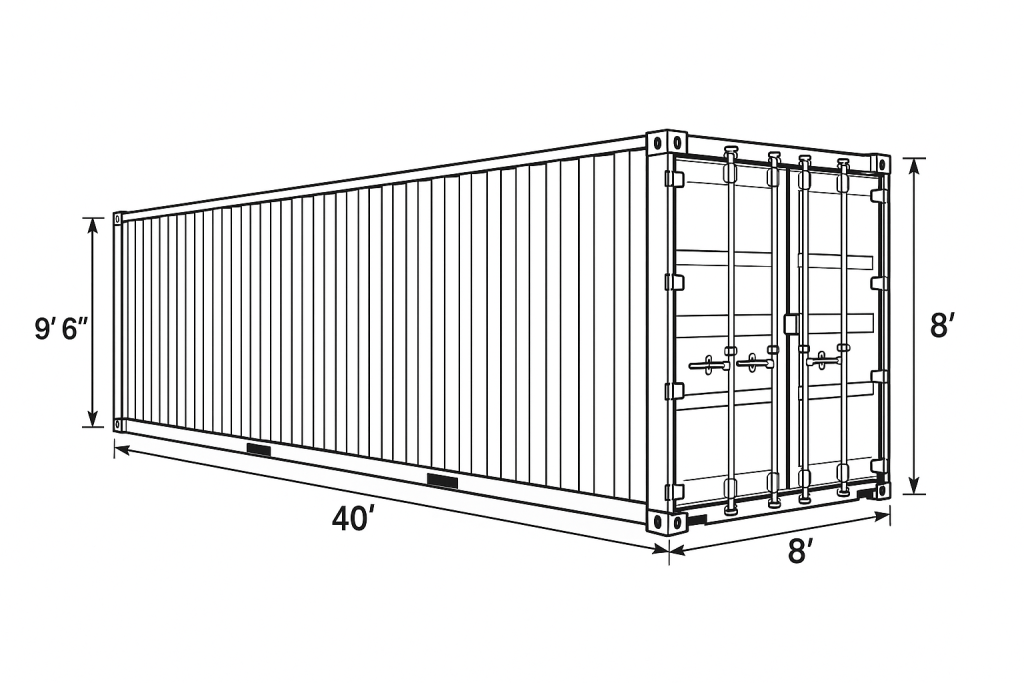
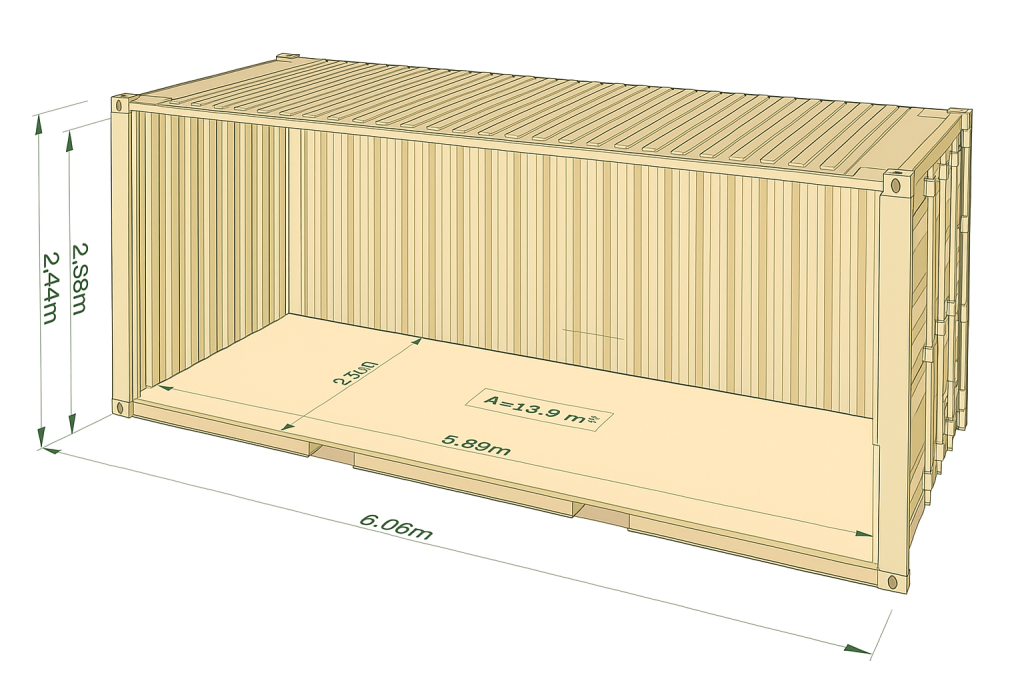
En règle générale, la charge maximale autorisée pour chaque conteneur lors du transport est de 28 tonnes ; les trois types de conteneurs les plus couramment utilisés sont les conteneurs de 20 pieds, de 40 pieds et les conteneurs « high cube » de 40 pieds.
Au port de départ comme au port de destination, les opérations de manutention des chargements LCL et FCL diffèrent en raison de la nature des marchandises contenues dans chaque conteneur.
La différence entre leurs comportements est telle que :
1. Le transport par conteneurs (FCL) nécessite très peu de manutention. En effet, c'est le fournisseur qui se charge de sceller, de charger et de transporter la marchandise jusqu'au port en Chine.
Une fois la marchandise chargée à bord du navire, il ne sera plus nécessaire de l'ouvrir à nouveau au port de destination tant que le client n'aura pas pris possession de son envoi.
Le transport en chargement partiel (LCL) prend beaucoup de temps, car chaque colis doit être traité individuellement lors du regroupement au port de départ. Vous passerez par un processus similaire au port de destination lors du tri des colis individuels.
2. Le transitaire émettra toujours directement un connaissement lorsqu'il s'agit d'un conteneur complet (FCL). Pour le groupage (LCL), le connaissement sera émis par la compagnie maritime officielle.
3. Les frais liés au transport par conteneur complet (FCL) étant moins élevés en raison d'un volume de manutention moindre, ils sont inférieurs à ceux du transport par conteneur groupé (LCL). Cette différence s'explique par les frais élevés facturés pour la manutention du LCL, tant au port de destination qu'au port de départ.
4. Dans le cas d'un transport FCL, le conteneur ne porte qu'un seul numéro, tandis que dans le cas d'un transport LCL, chaque colis à l'intérieur du conteneur doit être muni d'une marque d'expédition permettant de le distinguer des autres colis. En règle générale, cette marque doit être visible, écrite en caractères gras, de couleur noire et avec une encre indélébile qui ne s'efface pas facilement.
Il doit être rédigé en anglais et, si possible, dans la langue du port de destination. Les cargaisons transportant des substances ou produits chimiques dangereux doivent être signalées à l'aide de couleurs orange ou rouges.
Key Ports in Japan for Sea Freight
1. Port of Tokyo
One of Japan’s busiest container ports, serving as a gateway for international trade in the Kanto region. It handles general cargo, containers, and bulk shipments.
2. Port of Yokohama
Located near Tokyo, Yokohama is a key international container hub and one of Japan’s largest logistics centers. It offers efficient customs clearance and modern facilities.
3. Port of Nagoya
Japan’s largest port by cargo volume, especially for automobile exports. Many major manufacturers, including Toyota, rely on Nagoya Port for global distribution.
4. Port of Osaka
Situated in the Kansai region, Osaka Port specializes in container handling, bulk cargo, and passenger ferries, serving as a central hub for western Japan.
5. Port of Kobe
Historically one of Japan’s busiest international trade ports, Kobe continues to handle large volumes of containers, raw materials, and manufactured goods.
6. Port of Hakata (Fukuoka)
A key port in Kyushu, Hakata handles international ferry routes to China and Korea, along with bulk and containerized cargo.
7. Port of Shimizu
Located near Mount Fuji, Shimizu Port is known for handling industrial cargo and automobiles, with convenient access to central Japan.
8. Port of Moji
A major logistics hub in northern Kyushu, Moji Port handles container traffic, bulk cargo, and serves as a vital gateway for trade with China and Korea.
9. Port of Chiba
Specializes in energy-related cargo such as oil and natural gas, supporting Japan’s industrial supply chain near Tokyo Bay.
Chapter 4: Japan Customs Clearance and Door-to-Door Delivery Process
Découvrez la procédure étape par étape du dédouanement et de porte à porte delivery in Japan. Ensure your shipments are delivered smoothly and efficiently.
Customs Clearance to Door Delivery in Japan: A Complete Guide
This guide covers the complete process of importing goods into Japan, from customs clearance to final door-to-door delivery.
It is designed to help businesses and individuals ensure smooth logistics when shipping to Japan.
1. Prepare Required Documents
Before your cargo arrives in Japan, make sure the following documents are ready:
Facture commerciale – Details of the goods including description, quantity, unit price, and total value.
Liste des affaires à emporter – Lists the contents, quantity, and weight of each package.
Bill of Lading (B/L) or Air Waybill (AWB) – Proof of the transport contract for your shipment.
Import License (if applicable) – Certain items may require a specific import permit.
Other Specific Documents – Such as Certificates of Origin, Health Certificates, or Quarantine Certificates depending on the type of goods.
Ensure all documents are accurate to avoid customs delays.
2. Choose a Customs Clearance Method
You can choose one of the following options for customs clearance:
Self-Clearance – If you are familiar with Japanese customs procedures, you can handle the clearance yourself.
Hire a Customs Broker/Agent – Many importers prefer professional brokers or freight forwarders to handle customs on their behalf.
For most importers, using a customs broker is more efficient and convenient.
3. Submit Import Declaration
The import declaration must be submitted as soon as the cargo arrives in Japan.
The declaration includes details such as quantity, value, and country of origin.
It can be submitted electronically through Japan Customs’ online system.
High-value shipments may require additional supporting documents.
4. Pay Customs Duty and Consumption Tax
Duties and taxes are calculated based on the classification and value of the goods.
Consumption tax is generally 10%.
After payment, customs will issue clearance approval.
5.Cargo Inspection
Une fois toutes les conditions remplies, les douanes accordent l'autorisation de dédouanement et les marchandises sont autorisées à entrer en Australie. À ce stade, le transitaire organise l'étape suivante du processus : le transport vers la destination finale.
6. Delivery to Door
Once cleared, the cargo will be handed over to a delivery company (e.g., Japan Post, Yamato Transport, or other courier services) and delivered to your specified address.
If you use a “door-to-door” service, the carrier will deliver directly to your warehouse or chosen location.
Important Notes
Accuracy of Declaration – Ensure all declaration information is true and complete to avoid fines or cargo detention.
Special Product Requirements – Items like food, pharmaceuticals, and cosmetics may require extra permits or quarantine checks.
Time Planning – Customs clearance and delivery take time; plan ahead to avoid business disruption.
Useful Resources
Japan Customs Official Website – For the latest import regulations, duties, and declaration guides.
Japan Post International Services – Provides shipping and tracking for international mail.
DHL, Nippon Express, etc. – Offer logistics and customs clearance services from China (or other countries) to Japan.
Pour un dédouanement sans tracas et efficace de porte à porte services de livraison en Australie, contactez BRF LOGISTICS Aujourd'hui. Nous proposons à votre entreprise des solutions d'expédition rapides, conformes et rentables.
Japan Import FAQ – FCL & LCL Shipping from China
Q1: Which Japan port should I choose for FCL from China?
For full container load shipments from China, ports like Tokyo, Yokohama, Osaka, Kobe, and Nagoya are ideal due to their high efficiency, frequent sailings, and strong connections to domestic distribution networks.
Q2: Is LCL viable for shipping to Japan?
Yes, less-than-container-load (LCL) shipments are suitable if your cargo volume is limited or not urgent. Major ports like Tokyo, Yokohama, and Osaka handle frequent LCL consolidations from China.
Q3: What documents are required for importing to Japan?
Required documents include:
Connaissement (B/L)
Facture commerciale
Liste des affaires à emporter
Déclaration d'importation submitted to Japan Customs
Additional Certificates such as Certificate of Origin, Health Certificate, or Quarantine Certificate, depending on the product type
Q4: How can I reduce delays at Japanese customs?
Ensure all documents are accurate and complete, declare goods correctly, comply with Japanese regulations for restricted items, and make sure packaging and labeling meet import requirements. Hiring a professional customs broker can also speed up clearance.
Q5: Does CHINA BRF LOGISTICS operate in all major Japanese ports?
Yes, CHINA BRF LOGISTICS offers door-to-door shipping solutions covering all major Japanese ports, including Tokyo, Yokohama, Osaka, Kobe, and Nagoya.
Shipping to Japan from China has never been easier with FCL and LCL options. Choosing the right port, such as Tokyo, Yokohama, Osaka, Kobe, or Nagoya, ensures fast and efficient delivery. Proper documentation—including Bill of Lading, Commercial Invoice, Packing List, and Import Declaration—is crucial to avoid customs delays. CHINA BRF LOGISTICS provides professional customs clearance and door-to-door delivery services across all major Japanese ports, making your imports smooth and hassle-free.
Chapter 5: Air Freight from China to Japan
When time is a constraint to ship any cargo, it is important to know the fastest way of having your commodity reach Japan.
Le fret aérien est considéré comme le moyen de transport le plus rapide.
In Air freight, the services include:
- Transport aérien de fret national
- Transport aérien de marchandises hors gabarit
- Suivi et traçabilité des envois en temps réel
- Services spécialisés en matière d'exportation, pouvant inclure la mise en conformité avec la réglementation en matière d'exportation
- Documents d'exportation
- Coordination avec les banques en matière de conformité bancaire
- La mise en caisse et l'emballage, pour n'en citer que quelques-uns
Tout cela garantit que la livraison arrive à temps, pour la plus grande satisfaction du client.
2.2.1. Avantages du fret aérien
Parmi les principaux avantages du fret aérien par rapport au fret maritime, on peut citer :
1. Les délais de livraison sont plus courts, car les avions se déplacent plus rapidement que les navires. En règle générale, les transporteurs aériens connaissent les itinéraires les plus courts à emprunter en fonction de la provenance de la marchandise.
2. Rentable, car le nombre d'interlocuteurs sera réduit au minimum, un seul courtier en fret pouvant facilement gérer l'ensemble de la logistique
3. L'envoi sera également en sécurité, car il sera toujours assuré afin de réduire les risques et de permettre son suivi.
En matière de transport aérien, les clients se soucient toujours des délais afin d'être sûrs de recevoir leur envoi à temps.
Il est possible de répondre aux attentes du client en proposant des services d'exportation spécialisés supplémentaires, tels que :
- Documents d'exportation
- Coordination avec les banques en matière de conformité bancaire
- Nous proposons notamment des services liés à la conformité en matière d'exportation.
Toutes ces mesures visent à garantir une livraison plus rapide des marchandises, conformément aux souhaits du client.
Before using air freight from China to Japan, it is important to be well versed with the airports in China and their locations.
La Chine compte un grand nombre d'aéroports qui facilitent le transport de diverses marchandises depuis différents endroits.
Selon les différents lieux d'approvisionnement des marchandises, les aéroports seront toujours très fréquentés en termes de fret pour l'exportation des marchandises hors du pays.
Parmi les principaux aéroports chinois, on peut citer :
- Aéroport international de Pékin-Capitale
- Aéroport international de Shanghai-Pudong
- Aéroport international de Chengdu Shuangliu
- Aéroport international de Hong Kong
- Aéroport international de Xi'an Xianyang
- Aéroport international de Kunming Changshui
- Aéroport international de Guangzhou Baiyun
- Aéroport international de Shenzhen Bao'an
- Aéroport international de Hangzhou Xiaoshan
- Aéroport international de Xiamen Gaoqi
- Aéroport international de Changsha Huanghua
- Aéroport international de Qingdao Jiaodong
- Aéroport international de Wuhan Tianhe
- Aéroport international de Haikou Meilan
- Aéroport international de Tianjin Binhai
- Aéroport international de Phoenix
- Aéroport international de Harbin Taiping
- Aéroport international de Guiyang Longdongbao
- Aéroport international de Dalian Zhoushuizi
- Aéroport international de Taiyuan Wusu
- Aéroport international de Lanzhou Zhongchuan
- Aéroport international de Shijiazhuang Zhengding
Since the cargo leaves from China to Japan, it is important to know the locations of each and every airport in Japan.
This will help you to plan accordingly when importing from China to Japan.
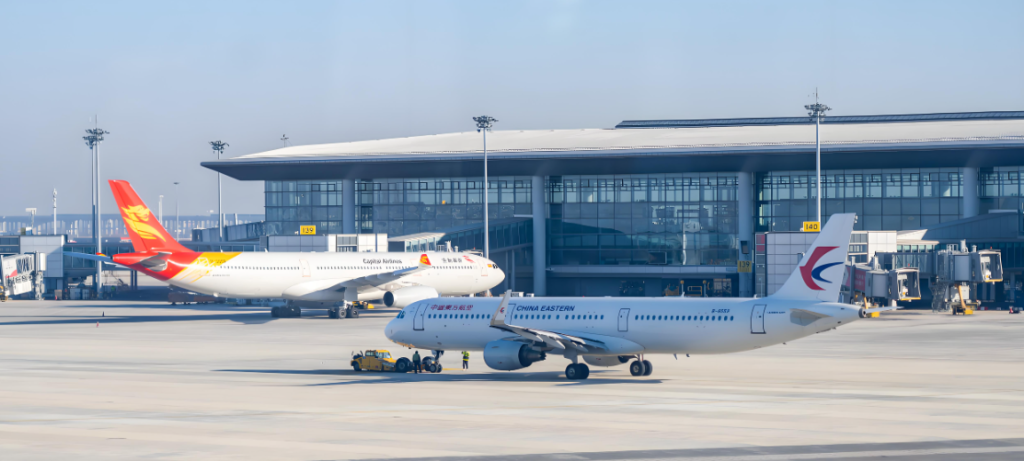
Major Cargo Airports in Japan
1. Narita International Airport (NRT) – Tokyo
Japan’s largest international air cargo hub
Main base for ANA Cargo, Nippon Cargo Airlines, and other carriers
Core gateway connecting Japan with China, the U.S., and Europe
2. Haneda Airport (HND) – Tokyo
Primarily a passenger airport, but also handles express and priority cargo
Close to central Tokyo, ideal for time-sensitive shipments
3. Kansai International Airport (KIX) – Osaka
The main international cargo hub for western Japan
Base for DHL, FedEx, UPS, and other global couriers
Serves the Kansai region including Osaka, Kyoto, and Kobe
4. Chubu Centrair International Airport (NGO) – Nagoya
Handles large volumes of automotive parts and electronics
Key gateway for Toyota and its supply chain
5. New Chitose Airport (CTS) – Sapporo, Hokkaido
Focus on agricultural and seafood exports with strong cold-chain logistics
Regional cargo hub for Northeast Asia
6. Fukuoka Airport (FUK) – Kyushu
Regional cargo hub with strong links to China and South Korea
Suitable for importers and exporters in southern Japan
7. Naha Airport (OKA) – Okinawa
Known for transshipment and express cargo
ANA Okinawa Hub offers fast connections across Asia
8. Kitakyushu Airport (KKJ) – Kyushu
24-hour cargo airport
Specialized in automotive, steel, and industrial products
Secondary / Regional Cargo Airports
These airports handle smaller cargo volumes but play an important role in domestic and regional air freight:
Sendai Airport (SDJ) – Exports agricultural products and cold-chain cargo from the Tohoku region
Komatsu Airport (KMQ) – Regional cargo airport in Ishikawa Prefecture
Shizuoka Airport (FSZ) – Handles electronics and machinery exports
Kagoshima Airport (KOJ) – Agricultural exports from southern Kyushu
Okayama Airport (OKJ) – Supports industrial cargo in western Japan
Cargo Airlines Operating China–Japan Routes
Chinese Cargo Airlines
China Cargo Airlines (CK) – Subsidiary of China Eastern Airlines, operates dedicated freighters to Narita (NRT), Kansai (KIX), Nagoya (NGO).
SF Airlines (O3) – Major express/cargo carrier under SF Express, serves routes to Tokyo (NRT), Osaka (KIX).
China Southern Cargo (CZ) – Strong presence in Shanghai, Guangzhou, Shenzhen with freighters to Tokyo and Osaka.
Air China Cargo (CA) – Operates freighters from Beijing and Shanghai to Narita and Kansai.
Suparna Airlines (Y8) – Former Yangtze River Express, cargo services to Japan.
International Cargo Airlines (Serving China–Japan)
FedEx Express – Extensive Asia-Pacific hub in Guangzhou, frequent flights to Kansai and Narita.
UPS Airlines – Strong China–Japan express cargo services.
DHL Aviation – Operates via Hong Kong and Shanghai to Naha (OKA), Kansai (KIX).
Polar Air Cargo / Atlas Air – Provides intercontinental capacity including China–Japan sectors.
Japanese Cargo Airlines
Nippon Cargo Airlines (NCA/KZ) – Japan’s all-cargo airline, dedicated freighters between Tokyo (NRT), Osaka (KIX), and major Chinese airports (PVG, CAN, PEK, SZX).
ANA Cargo (NH) – Operates freighters and belly cargo from Chinese airports to Narita and Kansai.
JAL Cargo (JL) – Mainly bellyhold cargo on passenger aircraft between China and Japan.
Frequently Asked Questions (FAQ) – China to Japan Shipping
BRF Logistics provides reliable and cost-effective freight solutions from China to Japan, including ocean freight, air freight, customs clearance, and door-to-door delivery. Below are the most frequently asked questions about shipping from China to Japan.
BRF Logistics offers comprehensive freight solutions from China to Japan, including Fret maritime (FCL et LCL), Fret aérien, Livraison à domicile, Express Shipping, Dédouanement, et Transports multimodaux. We customize shipping plans according to your cargo type, budget, and delivery schedule.
Le délai de livraison dépend du mode d'expédition :
- Fret maritime (FCL/LCL) : 3–10 days
- Fret aérien : 1 à 3 jours
- Coursier express : 2 à 5 jours
- Service porte-à-porte : Approximately 5–12 days depending on customs clearance and final delivery.
BRF Logistics cooperates with major shipping lines and airlines to provide reliable transit schedules and real-time shipment tracking.
Yes. BRF Logistics provides professional Door-to-Door shipping services across Japan, including Tokyo, Osaka, Yokohama, Nagoya, Kobe, Fukuoka, Sapporo, Kyoto, Hiroshima, et Sendai.
Our service includes:
- Factory pickup anywhere in China
- Dédouanement à l'exportation
- Fret maritime ou aérien
- Japan import customs coordination
- Local transportation
- Final delivery to warehouses, factories, offices, or Amazon fulfillment centers
We ship a wide variety of commercial and industrial cargo, including:
- Electronics and electrical equipment
- Machines et équipements industriels
- Pièces automobiles
- Matériaux de construction
- Profilés en aluminium
- Mobilier
- Biens de consommation
- Textiles et vêtements
- Produits en plastique
- E-commerce and retail shipments
Our logistics specialists ensure every shipment complies with Japanese customs regulations and import requirements.
BRF Logistics provides efficient, flexible, and dependable logistics services with:
- Tarifs de fret compétitifs
- Frequent vessel and flight schedules
- FCL, LCL, and Air Freight options
- Assistance professionnelle en matière de dédouanement
- Door-to-Door and multimodal transportation
- Suivi des expéditions en temps réel
- Dedicated customer service and logistics experts
Whether you're shipping a small LCL shipment or a full container load, BRF Logistics delivers safe, efficient, and cost-effective transportation from China to Japan.