Transport multimodal vers l'Europe
Multimodal shipping combines two or more transport modes into one coordinated logistics plan from the cargo origin to the final European destination.
BRF Logistics can evaluate sea, air, rail and road combinations according to the actual supplier location, cargo profile, European gateway, customs structure and final delivery address.
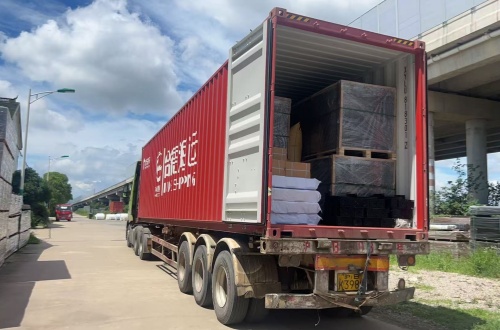
The Best Europe Route Does Not Always Use One Transport Mode
A shipment may begin by truck, move long distance by sea, air or rail, then switch back to road for customs-connected final delivery.
The objective is not to use as many modes as possible. It is to select the most practical combination for the cargo, origin, time requirement, budget and final destination.
Four Common Multimodal Structures for Europe
The actual sequence depends on the origin, European destination, cargo and available service network.
Select the Main Long-Haul Mode — Then Build the First and Final Miles Around It
Sea + Truck
Suitable for many commercial FCL and LCL shipments where ocean freight handles the long-haul section and road transport connects both ends.
Rail + Truck
Can be evaluated for suitable China, Central Asian and selected Eurasian routes, with road transport connecting origin and final destination.
Air + Truck
Suitable for urgent, higher-value, samples, parts or time-sensitive cargo where the airport is not the final destination.
Sea + Rail + Truck
A container can enter through a major European seaport, continue by inland rail where suitable, then use road freight for final delivery.

The Transfer Between Modes Is a Logistics Operation of Its Own
Changing from truck to ocean freight, rail or air requires more than simply booking the next carrier.
Cargo readiness, warehouse timing, container availability, documentation, terminal cut-offs, customs status and onward transport should be aligned before the handoff.
What Determines the Best Combination?
Do Not Select a Mode from Freight Rate Alone
The lowest line-haul rate does not always create the lowest door-to-door landed logistics cost.
The whole route should be compared from origin pickup to final European delivery.
Sea, Air, Rail and Road Each Play a Different Role
Fret maritime
A core long-haul option for larger-volume, heavier and regular commercial cargo.
Fret aérien
A faster long-haul option for cargo where delivery time has higher priority.
Fret ferroviaire
Primarily relevant to suitable China, Central Asian and selected Eurasian cargo corridors.
Transport routier de marchandises
Road freight frequently connects suppliers, ports, airports, rail terminals and final European delivery points.
Five Critical Points Where Multimodal Shipments Can Lose Time
Multimodal Shipping to Europe Can Start from Different Supported Origins
The available combination depends on origin city, cargo type and local network coverage. Rail should not be treated as a universal worldwide transport option.
Gateway ≠ Final Destination
The Closest Port Is Not Always the Best Multimodal Gateway
A route should be evaluated using the complete port-to-door or terminal-to-door structure.
Ocean schedules, terminal handling, rail availability, customs structure, truck capacity and the final postcode can all influence which European gateway is most practical.
Changing Transport Modes Does Not Remove Customs Requirements
Plan the Customs Point with the Route
For multimodal cargo, the logistics route and customs route should be designed together.
The actual importer, declaration, transit and final release structure should be confirmed for the shipment.
From Supplier to European Door
Multimodal Shipping Is Useful When the Supply Chain Has More Than One Practical Constraint
Multimodal Shipping Should Finish at the Receiving Point — Not at the Terminal
Pallet, carton, FCL or commercial cargo delivery.
Warehouse Delivery →Bulk receiving, staging and distribution-center delivery.
Distribution Centers →Construction, industrial or special-site receiving.
Project Sites →Inbound delivery subject to Amazon receiving requirements.
Amazon FBA →Compare the Whole Route — Not One Freight Rate
Every Transport Mode Still Connects to the Same Import File
Importer, classification, value, origin and release.
Customs Clearance →Customs identity for relevant economic operators.
EORI Guide →CN / TARIC, origin and tariff treatment.
Duty Guide →Separate tax and accounting structure.
Import VAT →Advance cargo safety and security data.
ICS2 Guide →Related BRF Logistics Pages
Foire aux questions
What is multimodal shipping to Europe?
Multimodal shipping uses two or more transport modes within one coordinated logistics route, for example truck + sea + truck or rail + truck.
What transport modes can be combined?
Depending on the route, cargo and available network, a shipment may combine road, sea, air and selected rail transport.
Is sea freight plus trucking considered multimodal shipping?
Yes. A typical factory-to-door shipment can include origin road transport, ocean freight and destination road delivery.
Can BRF arrange rail plus truck shipping to Europe?
Rail plus road can be evaluated for suitable China, Central Asian and selected Eurasian routes. Rail is not available as a practical worldwide option from every origin.
Can air freight be part of a multimodal route?
Yes. Air freight frequently connects with origin and destination trucking for door-to-door time-sensitive shipments.
Can sea freight connect with rail inside Europe?
Where suitable intermodal infrastructure and service are available, cargo entering through a European seaport can continue inland by rail before the final road-delivery leg.
Does multimodal shipping always cost less?
No. The purpose of multimodal planning is to find a practical balance between route, cost, time, handling and final delivery requirements. It is not automatically the cheapest option for every shipment.
Is multimodal shipping faster than sea freight?
Not necessarily. Transit performance depends on the selected combination, departure schedules, handoffs, customs and final delivery. Air-based combinations can be faster, while ocean-based combinations prioritise different cost and capacity factors.
Can several suppliers be consolidated before multimodal shipping?
Yes. Suitable cargo from multiple suppliers can be collected and routed to an origin consolidation point before the main international leg.
Where does customs clearance happen on a multimodal shipment?
The customs point depends on the actual route, entry country, transit arrangements and agreed import structure. It should be planned before the shipment departs.
Does changing transport mode change the product's customs origin?
Not automatically. Transport, transshipment or mode changes should not be assumed to change the customs origin of the goods.
Does DDP multimodal shipping include EU customs?
BRF can evaluate a DDP logistics structure that connects international transport, European import-clearance coordination, duty and VAT arrangements and final delivery. The actual importer and customs structure must be confirmed for the shipment.
Can multimodal cargo be delivered to a European warehouse?
Yes. Final road delivery can be evaluated to supported business warehouses, distribution centers, Amazon FBA locations or project sites.
What cargo is suitable for multimodal shipping?
Commercial cargo, machinery, building materials, industrial products, consumer goods, e-commerce inventory and other suitable cargo can be evaluated according to dimensions, weight, handling and regulatory requirements.
What information is needed for a multimodal freight quote?
Provide origin country, pickup address, product description, HS code if available, package quantity, dimensions, gross weight, CBM, cargo value, cargo-ready date, European destination and final postcode.
Do Not Ask Only “Sea or Air?” — Ask Which Combination Gets the Cargo to the European Door.
Send BRF the origin, cargo profile, delivery priority and final European postcode. We can evaluate the suitable pickup, warehouse, sea, air, rail and road combination together with European customs and final delivery.