Freight From China To Japan
Your Reliable Freight Forwarding Partner in China
Freight Forwarder From China to Japan
Seit 11 Jahren ist CHINA BRF LOGISTICS ein führender Speditionsspezialist in China, der sich dafür einsetzt, Ihre Fracht präzise und sorgfältig zu befördern. Wir bieten ein umfassendes Leistungsspektrum, um all Ihren Transportbedürfnissen gerecht zu werden.
We have focused on the Japan market for many years, so we can handle every shipment from China to Japan very well. Including door to port, von Tür zu Tür, Hafen-zu-Hafen- und Hafen-zu-Tür-Service.
Whether you ship FCL from China on 20GP container, 40 GP container, or LCL shipping goods from China to Port of Tokyo,Port of Yokohama,Port of Nagoya,Port of Osaka,Port of Kobe,Port of Hakata (Fukuoka),Port of Shimizu,Port of Moji,Port of Chiba, CHINA BRF LOGISTICS will always provide you cheapest shipping freight to save your shipping cost.
CHINA BRF LOGISTICS is an expert on both sea freight from China to Japan and air freight from China to Japan , you can rely on us and we will be your best freight forwarder and partner in China.


We can ship to any port in Japan by sea. For example,Tokyo,Yokohama, Nagoya,Osaka, Kobe

Wir können Lieferbedingungen nach DDU und DDP vereinbaren und pünktlich bis vor Ihre Haustür liefern
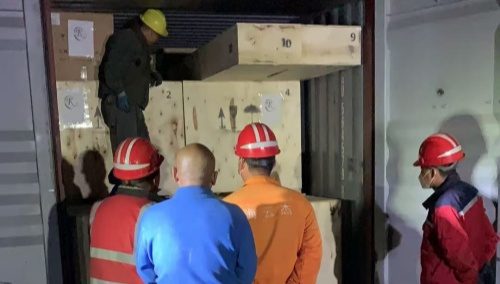
Sea Freight from China to Japan
Wir können sicherstellen, dass auch in der Hochsaison Platz im Frachtcontainer vorhanden ist – und das zu einem wettbewerbsfähigen Preis.
Air Freight from China to Japan
Wir wählen die beste Flugverbindung und den günstigsten Tarif entsprechend Ihrem Budget und Ihrem Zeitplan aus.

Door to Door Shipping from China to Japan
We can provide a fast customs clearance service in Japan, and deliver your goods to your warehouse or home.
Weitere Dienstleistungen beim Versand aus China
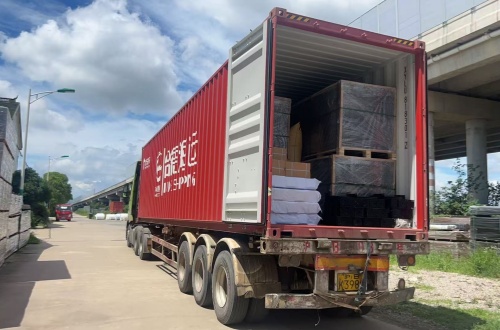
Abholung von Frachtgut
CHINA BRF LOGISTICS will provide most fuel efficient pickup service China
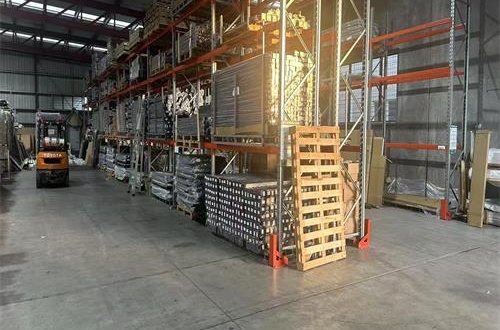
Lagerhaltung und Vertrieb
Wir bieten Ihnen kostenlose Lagerdienstleistungen für alle Ihre Waren an.

Frachtversicherung
Eine Transportversicherung schützt Ihre Waren. Ping An Insurance oder PICC
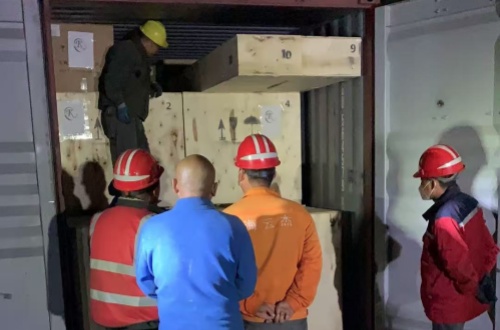
Ladeüberwachung
Wir werden dafür sorgen, dass jemand den Verladevorgang beaufsichtigt.

Zollabfertigung
Sie müssen uns keine Unterlagen vorlegen – wir kümmern uns für Sie um den gesamten Papierkram und alle weiteren Details.
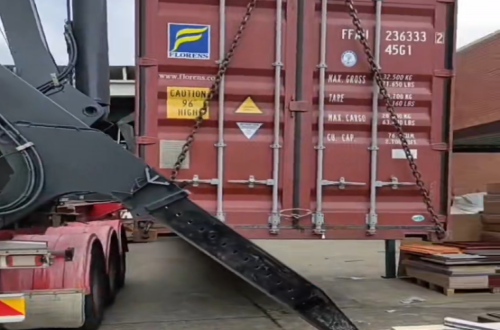
Lieferung von Tür zu Tür
Je nach Region gelten unterschiedliche Versandarten. Wenn Sie wissen möchten, wie Ihre Ware geliefert wird
Your Best Reliable Freight Forwarder from China to Japan
- Dank unserer Vertragstarife mit den Spediteuren können wir Frachtraten anbieten, die unter dem Marktdurchschnitt liegen.
- Versanddienst ab jedem Hafen in China.
- Paperwork in China and Japan
- China Warehouse and distribution service.
- Pick up delivery service in China
Time of Shipping from China to Japan
Ladehafen | Ankunftshafen | Sendezeit |
Tianjin | Tokyo / Yokohama /Osaka /Kobe | 4 |
| Qingdao | Tokyo / Yokohama /Osaka /Kobe | 3 |
Shanghai | Tokyo / Yokohama /Osaka /Kobe | 3 |
| Ningbo | Tokyo / Yokohama /Osaka /Kobe | 4 |
Xiamen | Tokyo / Yokohama /Osaka /Kobe | 4 |
| Shenzhen | Tokyo / Yokohama /Osaka /Kobe | 5 |
Shipping from China to Japan: The Complete Guide for Importers
Are you looking for the most comprehensive guide for shipping from China to Japan?
Oder Sie planen, Waren aus China zu importieren.
Nun, ich habe diese Anleitung für euch erstellt.
Because I am going to cover everything you need to know when shipping from China to Japan.
Von Seefracht, air freight, Japan import customs, products to best freight forwarders, just to mention a few.
Und das Beste daran?
This guide will help you reduce shipping cost and time from China to Japan.
Let’s jump right in:
- CHINA BRF Freight Forward Services to Japan
- Ways of Shipping from China to Japan
- A Complete Guide to Japan Import Customs
- Main Products Japan Imports from China
- How to choose best Freight Forwarder from China to Japan
- FAQs on Shipping from China to Japan
Chapter 1: CHINA BRF LOGISTICS Services to Japan
With the rising competition in logistic industry, freight forwarding logistics companies have cropped up with the majority giving substandard services.
At CHINA BRF LOGISTICS, we offer some of the best freight forwarding services to Japan.
When importing from China to Japan, you can benefit from our ever-growing partnerships and networks.
Wir helfen Ihnen nicht nur dabei, hochwertige Produkte zu finden, sondern sorgen auch dafür, dass Sie diese so schnell wie möglich erhalten.
Sie können jederzeit von unserer achtjährigen Erfahrung in der Logistikbranche profitieren.
CHINA BRF LOGISTICS is continuously growing to support its ever increasing clients importing from China to Japan. By 2019, we had got the NVOCC.
Das kann ich dir kostenlos verraten:
Das Team von CHINA BRF LOGISTICS steht Ihnen in jeder Phase zur Seite.
Von der Zollabfertigung über die Verpackung und Verladung bis hin zur Kontrolle, CHINA BRF LOGISTICS ensures all your cargo reaches Japan without delays.
Wir halten Sie stets über jeden einzelnen Schritt der Sendung auf dem Laufenden.
Ganz gleich, ob Sie Folgendes benötigen:
Air freight from China to Tokyo Japan
Sea freight from China to Tokyo Japan
Door to door shipping from China to Tokyo Japan
From LCL shipping from China to Tokyo Japan to FCL shipping from China to Tokyo Japan, CHINA BRF LOGISTICS offers the best freight forwarding service.
CHINA BRF LOGISTICS is one of the leading freight forwarder from China to Japan that offers:
2.Lagerhaltung und Vertrieb
3.Cargo insurance
4.Customs clearance
5. Ladeaufsicht sowie weitere Dienstleistungen
And by the way, at CHINA BRF LOGISTICS, our main focus is you – we want you to import from China to Japan without any hurdles.
Kannst du dir das vorstellen?
With CHINA BRF LOGISTICS to Japan, you are guaranteed of 10 to 15 days free warehousing.
You can also use our containers for a maximum of 21 days (free time).
We do all these to save on shipping cost from China to Japan.
During our logistics process, when shipping from China to Japan , we send pictures and videos of your goods.
Warum erzähle ich das alles?
Weil CHINA BRF LOGISTICS is a company you can trust for all your shipping needs from China to Japan.
But, that’s not everything you need to know about shipping from China to Japan.
Hier sind noch weitere wichtige Dinge, die Sie wissen müssen:
Chapter 2: Ways of Shipping from China to Japan
Whenever you’re looking for the best ways to ship from China to Japan, you need to consider a number of factors.
Im Grunde gibt es nur zwei Möglichkeiten, um sicherzustellen, dass Ihre Waren rechtzeitig am Bestimmungsort ankommen.
Zu den beiden wichtigsten Verkehrsmitteln gehören:
Whether to choose an air freight from China to Japan or ocean freight from China to Japan will depend on:
1. Art der zu versendenden Waren
2. Wie dringend benötigen Sie die Ware?
Sobald das Produkt den Bestimmungshafen erreicht hat,CHINA BRF LOGISTICS will always ensure the von Tür zu Tür delivery even if it means road transport.
CHINA BRF LOGISTICS hat es oberste Priorität, den Kunden innerhalb kürzester Zeit zufrieden zu stellen.
Now, let’s explore on ways of shipping from China to Japan:
2.1. Sea Freight from China to Japan
The shortest straight-line distance between China and Japan is about 108 kilometers, located between Yilan County in Taiwan Province and Okinawa Prefecture and Nago Island in Japan; The straight-line distance between major cities in Chinese Mainland, such as Shanghai and Japan, is about 690 kilometers, and that between Beijing and Tokyo is about 2100 kilometers.
Main distance data
The shortest distance is approximately 108 kilometers from Wuyanjiao, Dong’ao Township, Yilan County, Taiwan to Yonaguni Island, Okinawa Prefecture, Japan.
Distance between major cities:
The distance from Shanghai to Kyushu Island is about 690 kilometers.
Dalian to Fukuoka is about 950 kilometers away.
Beijing to Tokyo is about 2100 kilometers away.
Seefracht is very effective in ensuring commodities reach Japan from China.
Seefracht ist im Grunde genommen der Transport von Gütern auf dem Seeweg von einem Hafenort zum anderen.
Bei dieser Transportart kann die Ladung direkt auf das Transportschiff verladen oder zunächst in Seecontainer verladen werden.
To ensure your cargo arrives safely in Japan, the freight forwarder handles all logistics work.
Von der Zollabfertigung über die Überprüfung der Dokumente bis hin zur Überwachung des Verladevorgangs.
But, even before you think of ocean freight from China to Japan , you need to know both the port of origin and destination.
Dorthin möchte ich dich als Nächstes mitnehmen.
2.1.1. Die wichtigsten Seehäfen in China
In China gibt es zahlreiche Seehäfen, darunter:
- Hafen von Shanghai
- Hafen von Tianjin Xingang
- Hafen von Guangzhou
- Hafen von Qingdao
- Hafen von Shenzhen
- Hafen von Ningbo
- Hafen von Dalian
- Hafen von Xiamen
- Port of Lianyungang and many others.
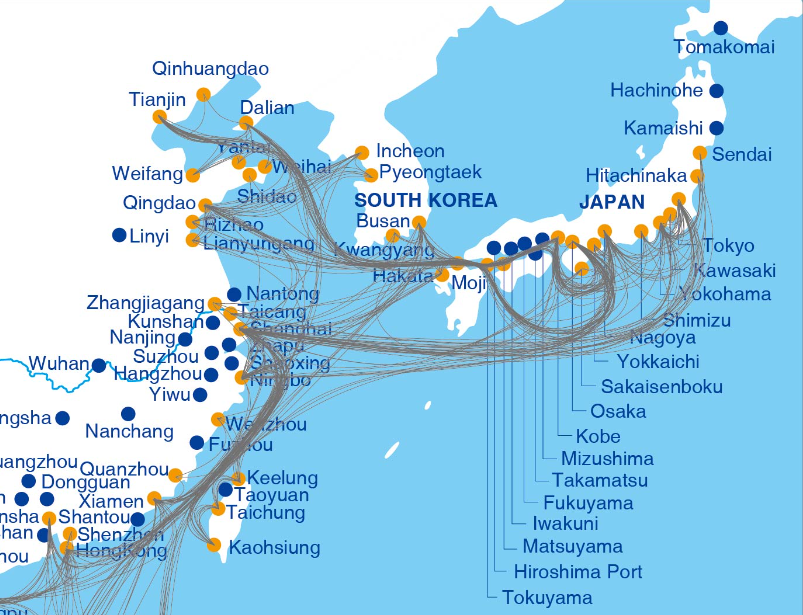
sitc japan route
Zunächst einmal müssen Sie wissen, von welchem Seehafen in China aus Sie die Ware versenden möchten.
Auf diese Weise erfahren Sie, wie lange es dauert, bis die Waren den Seehafen in China erreichen.
2.1.2. Main Sea Ports in Japan
Japan also has a number of the receiving sea ports which can handle millions of tonnes of cargo in a year.
Comparison of Major Ports in Japan
| Hafen | Location | Main Cargo / Specialization | Wichtigste Merkmale |
|---|---|---|---|
| Tokyo | Kanto region, Tokyo Bay | Containers, general cargo, bulk goods | Major international trade hub for the capital region |
| Yokohama | Kanagawa Prefecture, near Tokyo | Containers, vehicles, machinery | Advanced logistics, modern container terminals |
| Nagoya | Aichi Prefecture | Automobiles, machinery, containers | Japan’s largest port by cargo volume, Toyota export base |
| Osaka | Kansai region | Containers, bulk cargo, passenger ferries | Key gateway for western Japan |
| Kobe | Hyogo Prefecture, Kansai | Containers, raw materials, industrial goods | Historic port, strong global shipping network |
| Hakata (Fukuoka) | Kyushu region | Containers, ferries, bulk cargo | Links with China and Korea, growing trade hub |
| Shimizu | Shizuoka Prefecture | Automobiles, industrial cargo | Near Mount Fuji, strong access to central Japan |
| Moji | Kitakyushu, Kyushu | Containers, bulk cargo | Gateway for trade with China and Korea |
| Chiba | Chiba Prefecture, Tokyo Bay | Oil, LNG, energy-related cargo | Major energy and chemical supply port |
Secondary / Regional Ports in Japan
| Hafen | Location | Main Cargo / Notes |
|---|---|---|
| Niigata | Niigata Prefecture, Sea of Japan coast | Bulk cargo, agricultural products, industrial goods |
| Toyama | Toyama Prefecture | Aluminum, timber, regional industrial cargo |
| Kanmon (Shimonoseki/Moji) | Kanmon Strait, Yamaguchi/Fukuoka | Containers, bulk, domestic ferry services |
| Kushiro | Hokkaido | Fishery products, timber, regional trade |
| Muroran | Hokkaido | Coal, steel, industrial cargo |
| Otaru | Hokkaido | General cargo, seafood exports |
| Matsuyama | Ehime Prefecture, Shikoku | Regional trade, vehicles, bulk cargo |
| Takamatsu | Kagawa Prefecture, Shikoku | Regional containers, ferries, industrial goods |
| Hiroshima (Ujina) | Hiroshima Prefecture | Vehicles, machinery, containerized cargo |
| Kagoshima | Kagoshima Prefecture, Kyushu | Bulk cargo, regional trade, ferries |
| Matsue / Izumo | Shimane Prefecture | Timber, regional goods, local shipping |
2.1.3. How Long it Takes to Ship from China to Japan
The shipping time can range from 3 -4 days when one ship from China to Japan.
Normally the time it takes to ship from China to Japan will depend on the:
1.Location of the port
2.Time it takes for custom clearance in China
Es gibt so viele Tools, mit denen man das berechnen kann.
Here is a useful resource from ports.com: Sea Route & Distance:
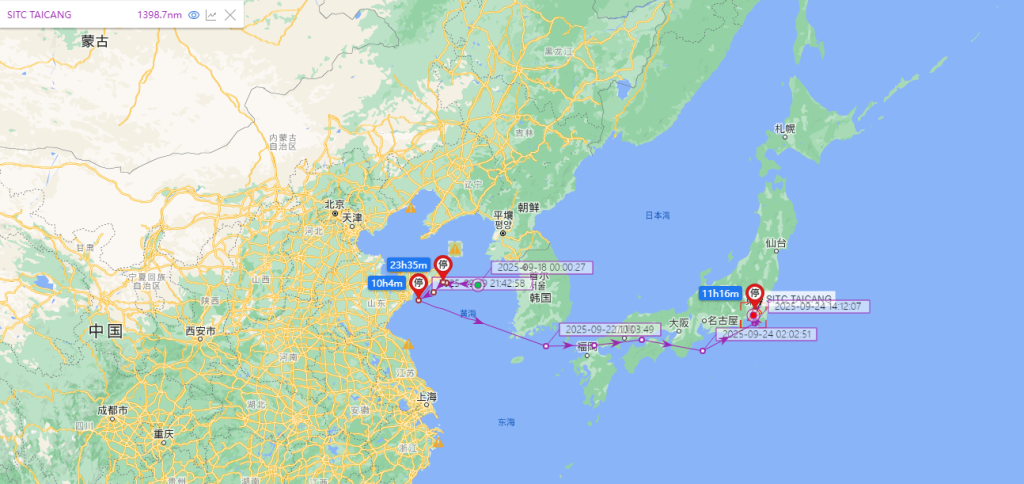
Sea Freight Transit Time: China to Japan
| Hafen in China | Japan Port | Transit Time (Days) | Anmerkungen |
|---|---|---|---|
| Shanghai | Tokyo / Yokohama | 3 – 5 days | One of the fastest and most frequent routes |
| Shanghai | Osaka / Kobe | 3 – 4 days | Direct and frequent services to Kansai region |
| Ningbo | Tokyo / Yokohama | 4 – 6 days | Slightly longer than Shanghai due to sailing distance |
| Ningbo | Osaka / Kobe | 3 – 5 days | Stable sailings for manufacturing and retail cargo |
| Qingdao | Tokyo / Yokohama | 4 – 6 days | Strong route for electronics, machinery, and textiles |
| Tianjin (Xingang) | Yokohama / Tokyo | 5 – 7 days | Key northern China to Kanto trade lane |
| Dalian | Tokyo / Yokohama | 3 – 4 days | Very fast, frequent ferries and feeder vessels |
| Xiamen | Osaka / Kobe | 4 – 6 days | Popular for southern China exports |
| Shenzhen (Yantian/Shekou) | Tokyo / Yokohama | 5 – 7 days | Key route for electronics, garments, and consumer goods |
| Shenzhen (Yantian/Shekou) | Osaka / Kobe | 5 – 7 days | Frequent sailings, strong trade volume |
Shipping from China to Japan is one of the fastest international sea routes. Major Chinese ports like Shanghai, Ningbo, Qingdao, and Shenzhen offer regular sailings to Japan’s key hubs such as Tokyo, Yokohama, Osaka, and Kobe. Transit times typically range from 3 to 7 days, making sea freight between China and Japan both cost-effective and efficient for importers and exporters.
2.1.4. Shipping Companies from China to Japan
There are many shipping companies which can promptly facilitate movement of your consignment from China to Japan.
Je nach Ruf und Leistungsangebot des Unternehmens lässt sich unter den namhaften Anbietern leicht der beste auswählen.
Zu den Unternehmen, die diese Strecke bedient haben, gehören:;
ONTO SHIPPING
SITC SHIPPING
JJ SHIPPING
CCL SHIPPING
EAS SHIPPING
SINOTRANS SHIPPING
Kapitel 3: Seefracht: FCL oder LCL – Was ist die richtige Wahl für Sie?
Efficient international shipping starts with the right container choice. Learn the key differences between Vollcontainerladung (FCL) und Less-than-Container Load (LCL), their advantages, and when to use each for sea freight from China to Japan, and beyond.
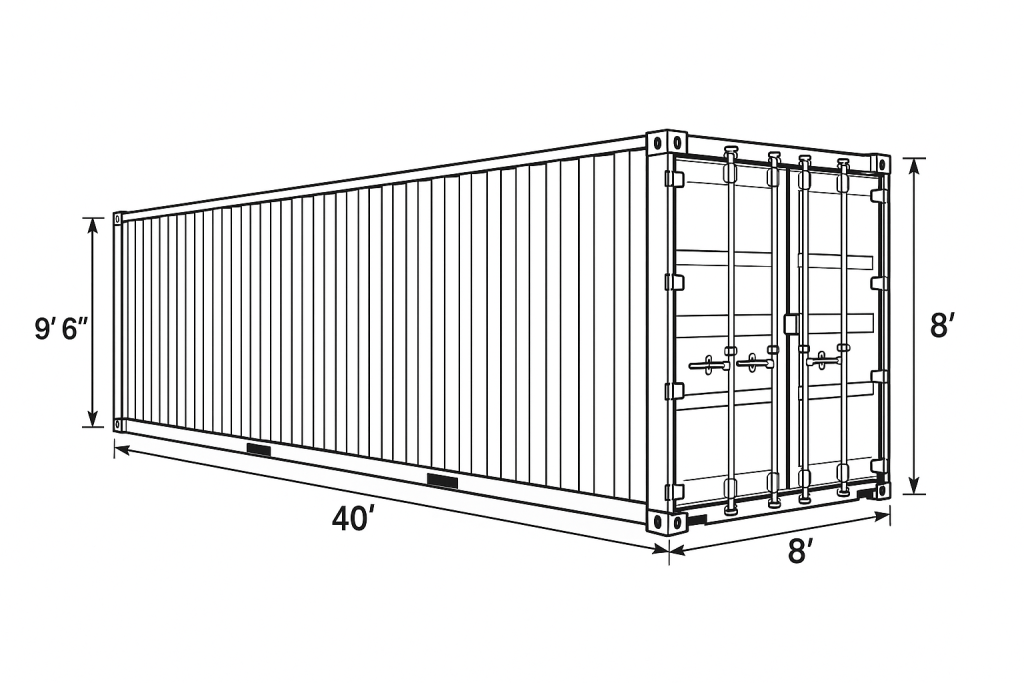
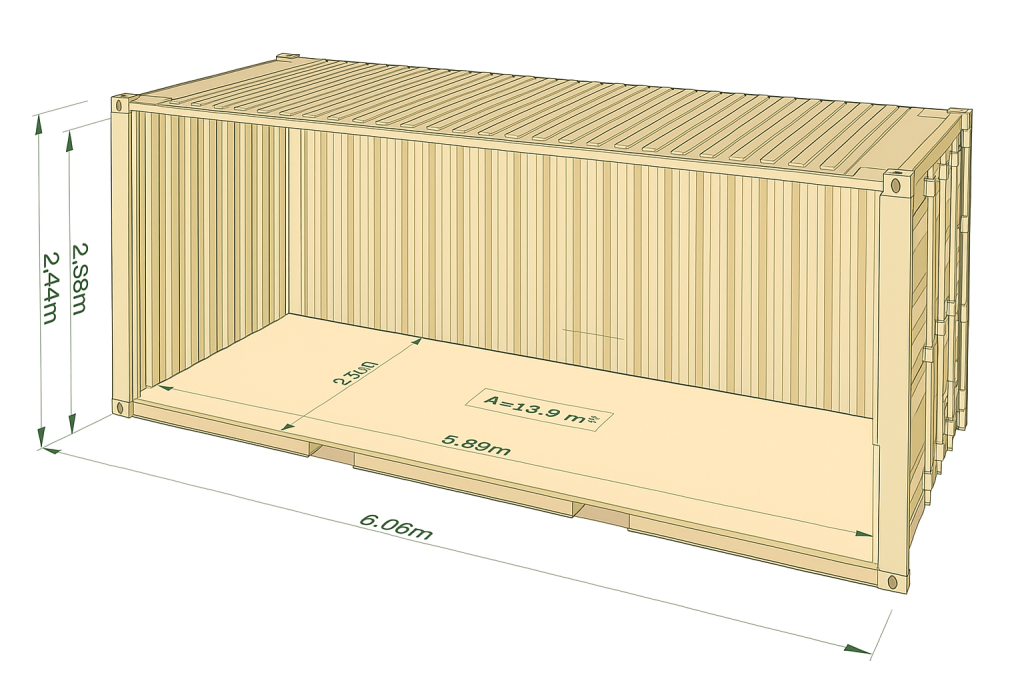
• FCL (Full Container Load): Ein einzelner Versender nutzt die gesamte Kapazität eines 20-Fuß- oder 40-Fuß-Containers. Ideal für Massengüter, hochwertige Güter oder wenn Transportzeit und Vertraulichkeit eine Rolle spielen.
• LCL (Less-than-Container Load): Fracht von mehreren Versendern wird in einem Container zusammengefasst. Kostengünstig für kleinere Sendungen, die keinen ganzen Container füllen.
Vergleichstabelle: FCL vs. LCL
| Funktion | FCL | LCL |
|---|---|---|
| Container-Nutzung | Vollcontainer, der von einem Versender genutzt wird | Gemeinsam mit anderen genutzter Container |
| Kosteneffizienz | Günstiger pro Stück bei großen Mengen | Geringere Anschaffungskosten bei kleinen Stückzahlen |
| Handhabung | Vom Versender am Ursprungsort verladen/versiegelt de | Mehrfachabwicklung und Konsolidierung |
| Durchlaufzeit | Im Allgemeinen schneller (weniger Handhabungsschritte) | Etwas länger (mehr Abstimmung) |
| Beschädigungsrisiko | Geringeres Risiko | Etwas höher (gemeinsamer Container) |
| Dokumentation | Einfacher | Komplexer (Konsolidierung erforderlich) |
Teilladungstransporte von China nach Australien (LCL)
Bei einer Teilladung (LCL) handelt es sich um eine Sendung, die sich mehrere Kunden mit kleinen Exportmengen teilen.
In einen Container werden verschiedene Arten von Gütern verladen, bis der Container voll ist.
Alle in denselben Container verpackten Waren werden so lange zusammengefasst, bis die Mindestversandmenge erreicht ist.
Diese Waren müssen denselben Bestimmungshafen haben.
Die Versandkosten für die gesamte Sendung werden von den Personen, deren Waren sich im Container befinden, entsprechend dem von ihnen belegten Platz (Volumen in Kubikmetern) geteilt.
This type of sea/ocean shipping is considered cheaper when one is shipping very small quantities from China to Japan.
Es ist zwar sehr günstig, dauert aber länger, da die Bearbeitung und Zusammenfassung Zeit in Anspruch nehmen.
Warum?
Die Zusammenstellung der Waren im Abgangshafen dauert lange und kann mühsam sein.
Außerdem müssen Sie die Waren im Bestimmungshafen nach ihren jeweiligen Eigentümern sortieren.
Auch hier gilt: Jedes Paket wird separat abgefertigt.
Im Grunde genommen braucht man also viel Personal und Zeit.
It is important to handle these goods carefully in China and Japan to prevent possible damaging of goods.
Full Container Load Shipping from China to Japan (FCL)
Full Container Load (FCL) eignet sich für den Import von Waren, die einen ganzen Container füllen können.
Dies erleichtert die Handhabung, da alles als eine Einheit behandelt wird und als Ganzes gelöscht werden kann.
Die Nachverfolgung einer solchen Sendung ist daher unkompliziert.
Dadurch ist es sicherer als LCL, bei dem viele andere Sendungen in einem Container zusammengepackt werden.
Once the consignment departs, the shipping container /booking number can be used to estimate the container duration in the sea /ocean.
Bei FCL-Transporten gelten Pauschalgebühren, während bei LCL-Transporten die Gebühren für jedes einzelne Paket berechnet werden.
Normalerweise beträgt die maximal zulässige Ladung pro Container beim Transport 28 Tonnen, wobei die drei gängigsten Containertypen 20-Fuß-, 40-Fuß- und 40-Fuß-High-Cube-Container sind.
Im Abfahrts- und im Bestimmungshafen werden LCL- und FCL-Sendungen aufgrund der Art der in den jeweiligen Containern befindlichen Güter unterschiedlich abgewickelt.
Der Unterschied in der Handhabung besteht darin, dass:
1. Bei FCL-Transporten ist der Umschlagaufwand sehr gering. Das liegt daran, dass der Lieferant die Verantwortung für die Versiegelung, die Verladung und den Transport der Fracht zum Hafen in China übernimmt.
Sobald die Ladung auf das Schiff verladen ist, muss sie im Zielhafen nicht mehr geöffnet werden, bis der Kunde sie in Empfang nimmt.
LCL nimmt viel Zeit in Anspruch, da jedes Paket bei der Zusammenstellung im Abgangshafen einzeln bearbeitet werden muss. Ein ähnlicher Vorgang erwartet Sie im Bestimmungshafen, wenn die einzelnen Pakete sortiert werden.
2. Bei einer FCL-Ladung stellt der Spediteur stets direkt ein Konnossement aus. Bei einer LCL-Ladung wird das Konnossement von der offiziellen Reederei ausgestellt.
3. Da bei FCL-Sendungen weniger Umschlagarbeiten anfallen, sind die Gebühren im Vergleich zu LCL-Sendungen geringer. Der Unterschied bei den Gebühren ist auf die hohen Gebühren zurückzuführen, die sowohl im Bestimmungs- als auch im Abfahrtshafen für den Umschlag von LCL-Sendungen erhoben werden.
4. Bei FCL gibt es nur eine Containernummer, während bei LCL jedes Paket im Container mit einer Versandkennzeichnung versehen sein muss, um es von anderen Paketen zu unterscheiden. Normalerweise muss diese Kennzeichnung gut sichtbar, in fetter, schwarzer und wasserfester Farbe angebracht sein, die sich nicht leicht entfernen lässt.
Sie sollte auf Englisch und, wenn möglich, in der Sprache des Zielhafens verfasst sein. Ladungen, die gefährliche Stoffe/Chemikalien enthalten, müssen orange oder rot gekennzeichnet sein.
Key Ports in Japan for Sea Freight
1. Port of Tokyo
One of Japan’s busiest container ports, serving as a gateway for international trade in the Kanto region. It handles general cargo, containers, and bulk shipments.
2. Port of Yokohama
Located near Tokyo, Yokohama is a key international container hub and one of Japan’s largest logistics centers. It offers efficient customs clearance and modern facilities.
3. Port of Nagoya
Japan’s largest port by cargo volume, especially for automobile exports. Many major manufacturers, including Toyota, rely on Nagoya Port for global distribution.
4. Port of Osaka
Situated in the Kansai region, Osaka Port specializes in container handling, bulk cargo, and passenger ferries, serving as a central hub for western Japan.
5. Port of Kobe
Historically one of Japan’s busiest international trade ports, Kobe continues to handle large volumes of containers, raw materials, and manufactured goods.
6. Port of Hakata (Fukuoka)
A key port in Kyushu, Hakata handles international ferry routes to China and Korea, along with bulk and containerized cargo.
7. Port of Shimizu
Located near Mount Fuji, Shimizu Port is known for handling industrial cargo and automobiles, with convenient access to central Japan.
8. Port of Moji
A major logistics hub in northern Kyushu, Moji Port handles container traffic, bulk cargo, and serves as a vital gateway for trade with China and Korea.
9. Port of Chiba
Specializes in energy-related cargo such as oil and natural gas, supporting Japan’s industrial supply chain near Tokyo Bay.
Chapter 4: Japan Customs Clearance and Door-to-Door Delivery Process
Erfahren Sie Schritt für Schritt, wie die Zollabfertigung abläuft, und von Tür zu Tür delivery in Japan. Ensure your shipments are delivered smoothly and efficiently.
Customs Clearance to Door Delivery in Japan: A Complete Guide
This guide covers the complete process of importing goods into Japan, from customs clearance to final door-to-door delivery.
It is designed to help businesses and individuals ensure smooth logistics when shipping to Japan.
1. Prepare Required Documents
Before your cargo arrives in Japan, make sure the following documents are ready:
Handelsrechnung – Details of the goods including description, quantity, unit price, and total value.
Packliste – Lists the contents, quantity, and weight of each package.
Bill of Lading (B/L) or Air Waybill (AWB) – Proof of the transport contract for your shipment.
Import License (if applicable) – Certain items may require a specific import permit.
Other Specific Documents – Such as Certificates of Origin, Health Certificates, or Quarantine Certificates depending on the type of goods.
Ensure all documents are accurate to avoid customs delays.
2. Choose a Customs Clearance Method
You can choose one of the following options for customs clearance:
Self-Clearance – If you are familiar with Japanese customs procedures, you can handle the clearance yourself.
Hire a Customs Broker/Agent – Many importers prefer professional brokers or freight forwarders to handle customs on their behalf.
For most importers, using a customs broker is more efficient and convenient.
3. Submit Import Declaration
The import declaration must be submitted as soon as the cargo arrives in Japan.
The declaration includes details such as quantity, value, and country of origin.
It can be submitted electronically through Japan Customs’ online system.
High-value shipments may require additional supporting documents.
4. Pay Customs Duty and Consumption Tax
Duties and taxes are calculated based on the classification and value of the goods.
Consumption tax is generally 10%.
After payment, customs will issue clearance approval.
5.Cargo Inspection
Sobald alle Anforderungen erfüllt sind, erteilt der Zoll die Freigabe, und die Waren dürfen nach Australien eingeführt werden. Zu diesem Zeitpunkt organisiert der Spediteur den nächsten Schritt des Prozesses: den Transport zum endgültigen Bestimmungsort.
6. Delivery to Door
Once cleared, the cargo will be handed over to a delivery company (e.g., Japan Post, Yamato Transport, or other courier services) and delivered to your specified address.
If you use a “door-to-door” service, the carrier will deliver directly to your warehouse or chosen location.
Important Notes
Accuracy of Declaration – Ensure all declaration information is true and complete to avoid fines or cargo detention.
Special Product Requirements – Items like food, pharmaceuticals, and cosmetics may require extra permits or quarantine checks.
Time Planning – Customs clearance and delivery take time; plan ahead to avoid business disruption.
Useful Resources
Japan Customs Official Website – For the latest import regulations, duties, and declaration guides.
Japan Post International Services – Provides shipping and tracking for international mail.
DHL, Nippon Express, etc. – Offer logistics and customs clearance services from China (or other countries) to Japan.
Für eine reibungslose Zollabfertigung und effiziente von Tür zu Tür Lieferdienste in Australien, Kontakt BRF LOGISTICS heute. Wir sorgen für pünktliche, vorschriftsmäßige und kostengünstige Versandlösungen für Ihr Unternehmen.
Japan Import FAQ – FCL & LCL Shipping from China
Q1: Which Japan port should I choose for FCL from China?
For full container load shipments from China, ports like Tokyo, Yokohama, Osaka, Kobe, and Nagoya are ideal due to their high efficiency, frequent sailings, and strong connections to domestic distribution networks.
Q2: Is LCL viable for shipping to Japan?
Yes, less-than-container-load (LCL) shipments are suitable if your cargo volume is limited or not urgent. Major ports like Tokyo, Yokohama, and Osaka handle frequent LCL consolidations from China.
Q3: What documents are required for importing to Japan?
Required documents include:
Frachtbrief (B/L)
Handelsrechnung
Packliste
Einfuhranmeldung submitted to Japan Customs
Additional Certificates such as Certificate of Origin, Health Certificate, or Quarantine Certificate, depending on the product type
Q4: How can I reduce delays at Japanese customs?
Ensure all documents are accurate and complete, declare goods correctly, comply with Japanese regulations for restricted items, and make sure packaging and labeling meet import requirements. Hiring a professional customs broker can also speed up clearance.
Q5: Does CHINA BRF LOGISTICS operate in all major Japanese ports?
Yes, CHINA BRF LOGISTICS offers door-to-door shipping solutions covering all major Japanese ports, including Tokyo, Yokohama, Osaka, Kobe, and Nagoya.
Shipping to Japan from China has never been easier with FCL and LCL options. Choosing the right port, such as Tokyo, Yokohama, Osaka, Kobe, or Nagoya, ensures fast and efficient delivery. Proper documentation—including Bill of Lading, Commercial Invoice, Packing List, and Import Declaration—is crucial to avoid customs delays. CHINA BRF LOGISTICS provides professional customs clearance and door-to-door delivery services across all major Japanese ports, making your imports smooth and hassle-free.
Chapter 5: Air Freight from China to Japan
When time is a constraint to ship any cargo, it is important to know the fastest way of having your commodity reach Japan.
Luftfracht gilt als das schnellste Transportmittel.
In Air freight, the services include:
- Inländische Luftfrachtabwicklung
- Spedition für übergroße Luftfracht
- Sendungsverfolgung und -nachverfolgung in Echtzeit
- Spezialisierte Exportdienstleistungen, zu denen unter anderem die Einhaltung von Exportvorschriften gehören können
- Exportunterlagen
- Abstimmung mit Banken hinsichtlich der Einhaltung bankrechtlicher Vorschriften
- Verpackung und Versendung, um nur einige Beispiele zu nennen
All dies gewährleistet, dass die Sendung rechtzeitig ankommt, um den Kunden zufrieden zu stellen.
2.2.1. Vorteile der Luftfracht
Zu den wichtigsten Vorteilen der Luftfracht gegenüber der Seefracht zählen unter anderem:
1. Schnellere Lieferzeiten, da Flugzeuge im Vergleich zu Schiffen höhere Geschwindigkeiten erreichen. In der Regel kennen Luftfrachtunternehmen je nach Herkunftsort der Fracht die kürzesten Routen.
2. Kosteneffizient, da es nur wenige Ansprechpartner gibt, da ein einziger Speditionsmakler die gesamte Logistik problemlos abwickeln kann
3. Die Sendung ist zudem sicher, da sie zur Risikominimierung und zur Nachverfolgung stets versichert ist.
Wenn es um Luftfrachtdienste geht, ist den Kunden die Lieferzeit stets ein wichtiges Anliegen, damit sie ihre Sendung rechtzeitig erhalten.
Den Erwartungen der Kunden kann durch das Angebot zusätzlicher spezialisierter Exportdienstleistungen wie beispielsweise den folgenden entsprochen werden:
- Exportunterlagen
- Abstimmung mit Banken hinsichtlich der Einhaltung bankrechtlicher Vorschriften
- Es werden Dienstleistungen im Bereich der Exportkonformität und vieles mehr angeboten.
All dies dient dazu, eine schnellere Lieferung der Waren gemäß den Wünschen des Kunden zu gewährleisten.
Before using air freight from China to Japan, it is important to be well versed with the airports in China and their locations.
China verfügt über zahlreiche Flughäfen, die den Transport verschiedener Güter von unterschiedlichen Orten aus erleichtern.
Je nachdem, aus welchen Regionen die Waren stammen, herrscht an den Flughäfen stets reger Frachtverkehr, um die Waren ins Ausland zu exportieren.
Zu den wichtigsten Flughäfen in China zählen unter anderem:
- Internationaler Flughafen Peking-Capital
- Internationaler Flughafen Shanghai-Pudong
- Internationaler Flughafen Chengdu Shuangliu
- Internationaler Flughafen Hongkong
- Internationaler Flughafen Xi’an Xianyang
- Internationaler Flughafen Kunming Changshui
- Internationaler Flughafen Guangzhou Baiyun
- Internationaler Flughafen Shenzhen Bao’an
- Internationaler Flughafen Hangzhou Xiaoshan
- Internationaler Flughafen Xiamen Gaoqi
- Internationaler Flughafen Changsha Huanghua
- Internationaler Flughafen Qingdao Jiaodong
- Internationaler Flughafen Wuhan Tianhe
- Internationaler Flughafen Haikou Meilan
- Internationaler Flughafen Tianjin Binhai
- Internationaler Flughafen Phoenix
- Internationaler Flughafen Harbin Taiping
- Internationaler Flughafen Guiyang Longdongbao
- Internationaler Flughafen Dalian Zhoushuizi
- Internationaler Flughafen Taiyuan Wusu
- Internationaler Flughafen Lanzhou Zhongchuan
- Internationaler Flughafen Shijiazhuang Zhengding
Since the cargo leaves from China to Japan, it is important to know the locations of each and every airport in Japan.
This will help you to plan accordingly when importing from China to Japan.
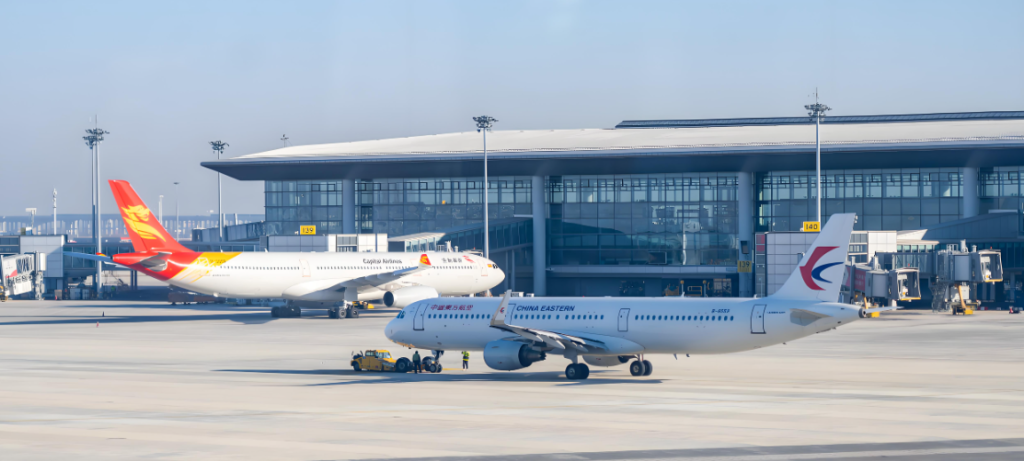
Major Cargo Airports in Japan
1. Narita International Airport (NRT) – Tokyo
Japan’s largest international air cargo hub
Main base for ANA Cargo, Nippon Cargo Airlines, and other carriers
Core gateway connecting Japan with China, the U.S., and Europe
2. Haneda Airport (HND) – Tokyo
Primarily a passenger airport, but also handles express and priority cargo
Close to central Tokyo, ideal for time-sensitive shipments
3. Kansai International Airport (KIX) – Osaka
The main international cargo hub for western Japan
Base for DHL, FedEx, UPS, and other global couriers
Serves the Kansai region including Osaka, Kyoto, and Kobe
4. Chubu Centrair International Airport (NGO) – Nagoya
Handles large volumes of automotive parts and electronics
Key gateway for Toyota and its supply chain
5. New Chitose Airport (CTS) – Sapporo, Hokkaido
Focus on agricultural and seafood exports with strong cold-chain logistics
Regional cargo hub for Northeast Asia
6. Fukuoka Airport (FUK) – Kyushu
Regional cargo hub with strong links to China and South Korea
Suitable for importers and exporters in southern Japan
7. Naha Airport (OKA) – Okinawa
Known for transshipment and express cargo
ANA Okinawa Hub offers fast connections across Asia
8. Kitakyushu Airport (KKJ) – Kyushu
24-hour cargo airport
Specialized in automotive, steel, and industrial products
Secondary / Regional Cargo Airports
These airports handle smaller cargo volumes but play an important role in domestic and regional air freight:
Sendai Airport (SDJ) – Exports agricultural products and cold-chain cargo from the Tohoku region
Komatsu Airport (KMQ) – Regional cargo airport in Ishikawa Prefecture
Shizuoka Airport (FSZ) – Handles electronics and machinery exports
Kagoshima Airport (KOJ) – Agricultural exports from southern Kyushu
Okayama Airport (OKJ) – Supports industrial cargo in western Japan
Cargo Airlines Operating China–Japan Routes
Chinese Cargo Airlines
China Cargo Airlines (CK) – Subsidiary of China Eastern Airlines, operates dedicated freighters to Narita (NRT), Kansai (KIX), Nagoya (NGO).
SF Airlines (O3) – Major express/cargo carrier under SF Express, serves routes to Tokyo (NRT), Osaka (KIX).
China Southern Cargo (CZ) – Strong presence in Shanghai, Guangzhou, Shenzhen with freighters to Tokyo and Osaka.
Air China Cargo (CA) – Operates freighters from Beijing and Shanghai to Narita and Kansai.
Suparna Airlines (Y8) – Former Yangtze River Express, cargo services to Japan.
International Cargo Airlines (Serving China–Japan)
FedEx Express – Extensive Asia-Pacific hub in Guangzhou, frequent flights to Kansai and Narita.
UPS Airlines – Strong China–Japan express cargo services.
DHL Aviation – Operates via Hong Kong and Shanghai to Naha (OKA), Kansai (KIX).
Polar Air Cargo / Atlas Air – Provides intercontinental capacity including China–Japan sectors.
Japanese Cargo Airlines
Nippon Cargo Airlines (NCA/KZ) – Japan’s all-cargo airline, dedicated freighters between Tokyo (NRT), Osaka (KIX), and major Chinese airports (PVG, CAN, PEK, SZX).
ANA Cargo (NH) – Operates freighters and belly cargo from Chinese airports to Narita and Kansai.
JAL Cargo (JL) – Mainly bellyhold cargo on passenger aircraft between China and Japan.
Frequently Asked Questions (FAQ) – China to Japan Shipping
BRF Logistics provides reliable and cost-effective freight solutions from China to Japan, including ocean freight, air freight, customs clearance, and door-to-door delivery. Below are the most frequently asked questions about shipping from China to Japan.
BRF Logistics offers comprehensive freight solutions from China to Japan, including Seefracht (FCL und LCL), Luftfracht, Lieferung von Tür zu Tür, Expressversand, Zollabfertigung, und Multimodaler Verkehr. We customize shipping plans according to your cargo type, budget, and delivery schedule.
Die Lieferzeit hängt von der Versandart ab:
- Seefracht (FCL/LCL): 3–10 days
- Luftfracht: 1–3 Tage
- Expresskurier: 2–5 Tage
- Tür-zu-Tür-Service: Approximately 5–12 days depending on customs clearance and final delivery.
BRF Logistics cooperates with major shipping lines and airlines to provide reliable transit schedules and real-time shipment tracking.
Yes. BRF Logistics provides professional Door-to-Door shipping services across Japan, including Tokyo, Osaka, Yokohama, Nagoya, Kobe, Fukuoka, Sapporo, Kyoto, Hiroshima, und Sendai.
Our service includes:
- Factory pickup anywhere in China
- Ausfuhrzollabfertigung
- See- oder Luftfracht
- Japan import customs coordination
- Local transportation
- Final delivery to warehouses, factories, offices, or Amazon fulfillment centers
We ship a wide variety of commercial and industrial cargo, including:
- Electronics and electrical equipment
- Maschinen und Industrieanlagen
- Kfz-Teile
- Baustoffe
- Aluminiumprofile
- Möbel
- Konsumgüter
- Textilien und Bekleidung
- Kunststoffprodukte
- E-commerce and retail shipments
Our logistics specialists ensure every shipment complies with Japanese customs regulations and import requirements.
BRF Logistics provides efficient, flexible, and dependable logistics services with:
- Wettbewerbsfähige Frachtraten
- Frequent vessel and flight schedules
- FCL, LCL, and Air Freight options
- Professionelle Unterstützung bei der Zollabfertigung
- Door-to-Door and multimodal transportation
- Sendungsverfolgung in Echtzeit
- Dedicated customer service and logistics experts
Whether you're shipping a small LCL shipment or a full container load, BRF Logistics delivers safe, efficient, and cost-effective transportation from China to Japan.