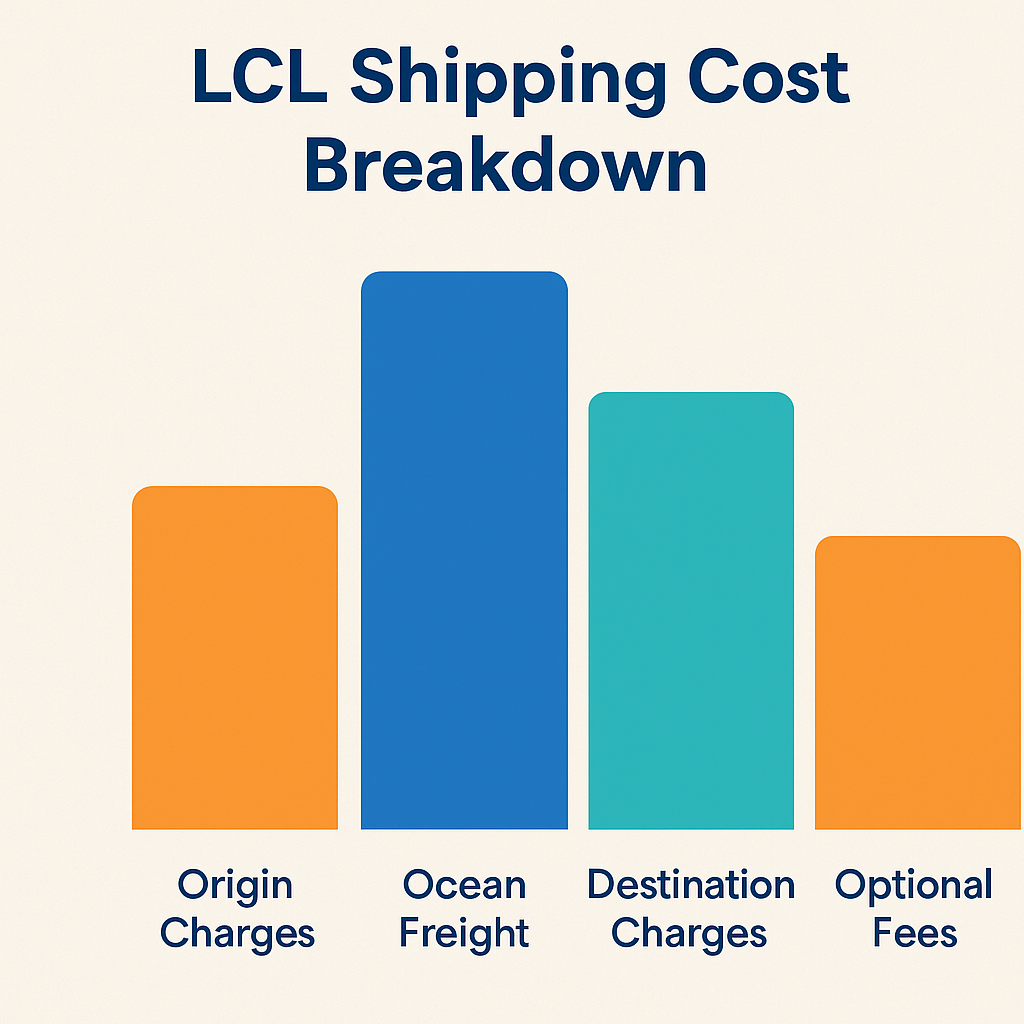
LCL Shipment From China
China BRF Logistics handles various types of transported goods from any port in China to other countries for LCL (less than container) transportation. We offer good sea freight and lower destination fees.
ที่ China BRF Logistics, we provide high-quality LCL transportation to protect your goods from these and other damage factors. We specialize in LCL services and provide reliable, fast, and direct LCL services to multiple ports in China, including Qingdao, Hong Kong, Shanghai, Shenzhen, Xiamen, and Ningbo.
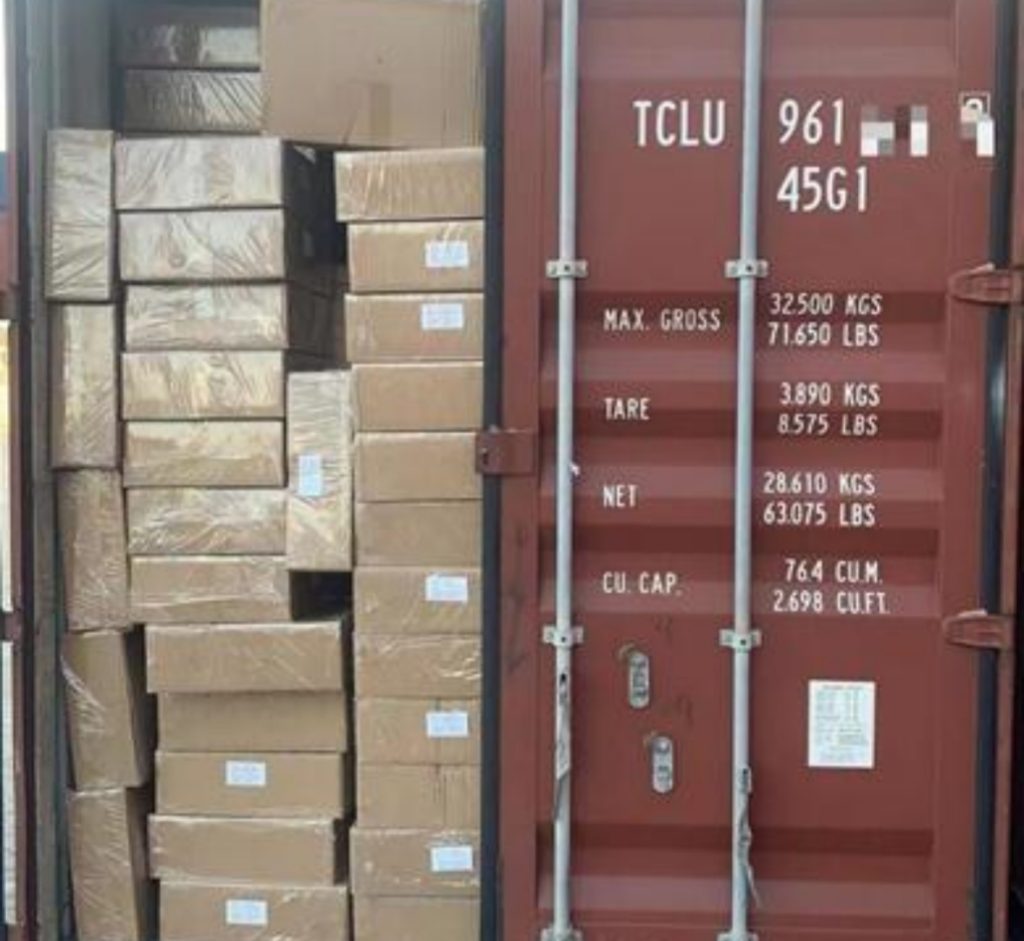
GENERAL CARGO
CHINA BRF LOGISTICS provides stable shipping service for LCL shipment goods every week from China to other seaports in the world and we offer very competitive sea freight based on good shipping service.
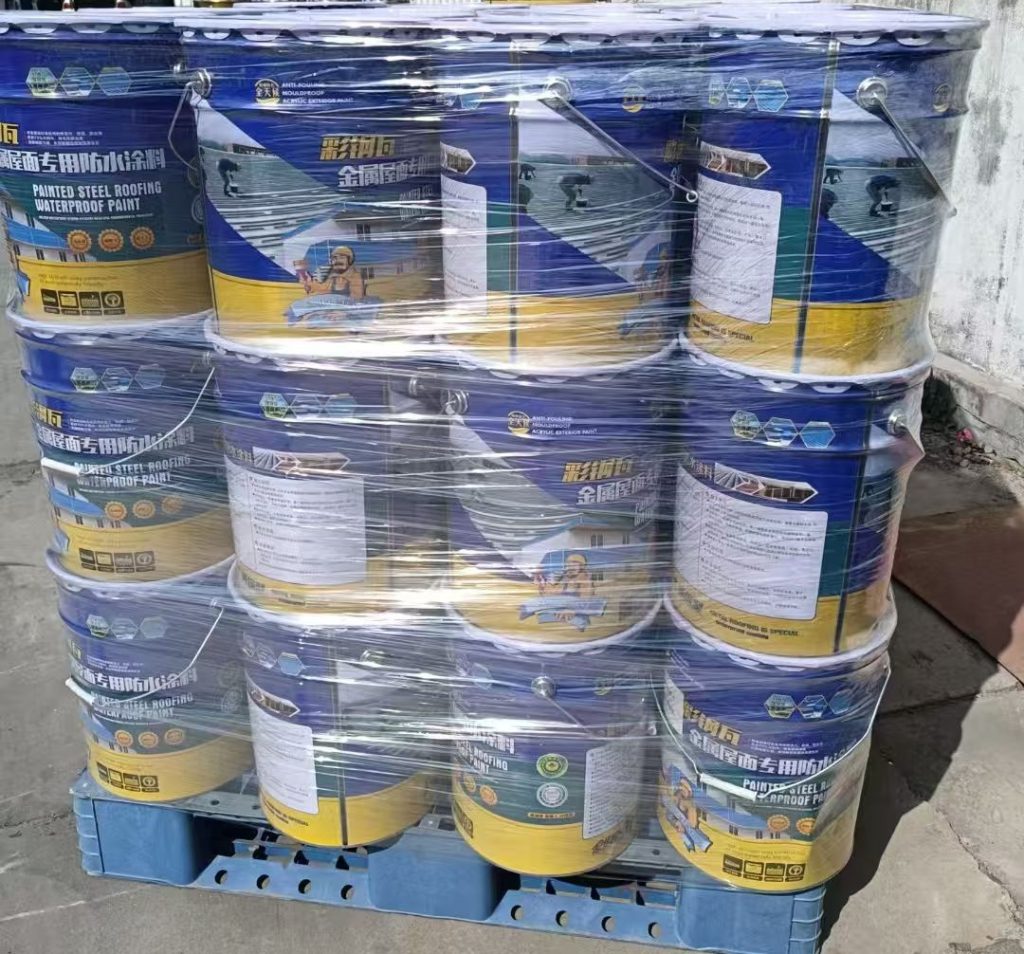
General Chemical Products
BesideIn ordinary goods, CHINA BRF LOGISTICS also has rich experience in transporting chemicals and dangerous goods from China to the world. At the same time, we provide excellent transportation services and good freight transportation.
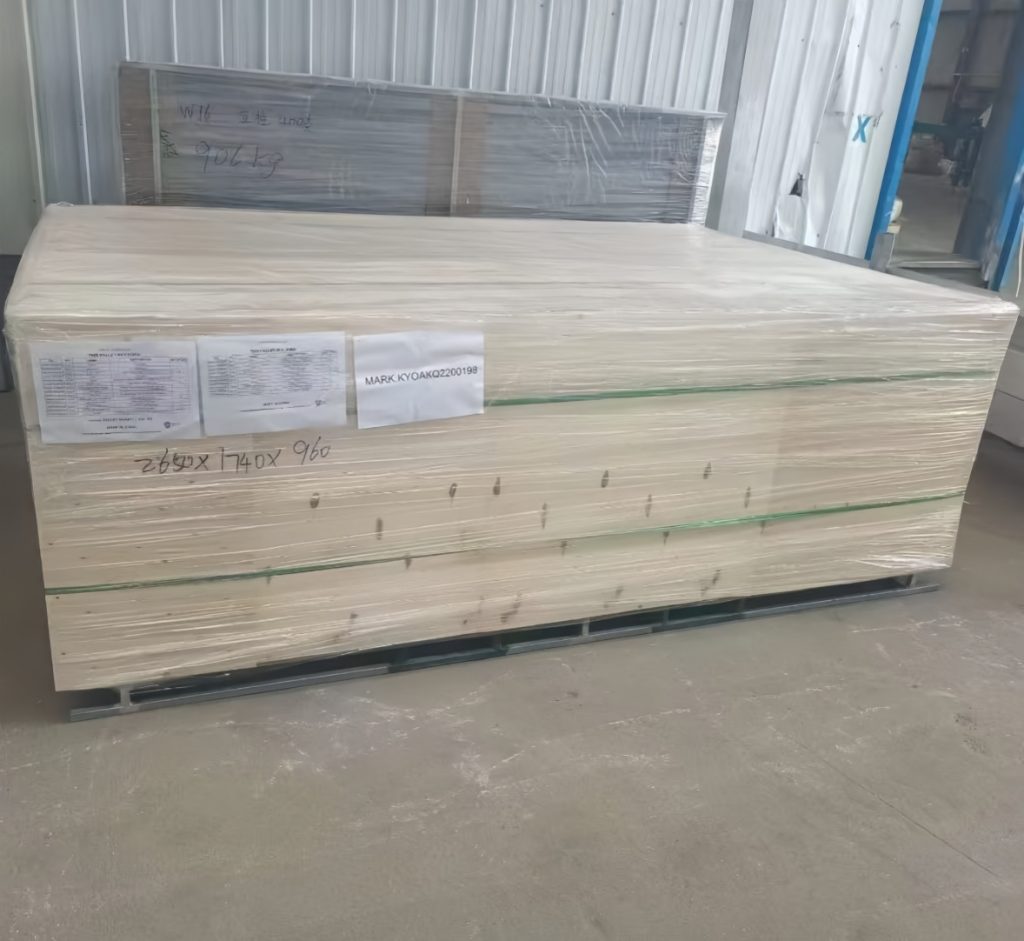
บริการส่งถึงบ้าน
CHINA BRF LOGISTICS provides good door to door shipping service for LCL shipment goods from China to the world based on competitive shipping freight.
บริการเพิ่มเติมเมื่อส่งสินค้าจากจีน
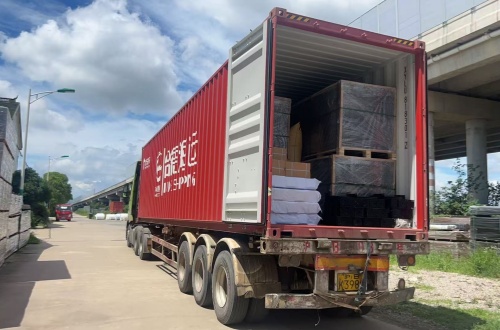
รับสินค้า
BRF LOGISTICS จะให้บริการรถปิกอัพที่มีประสิทธิภาพการประหยัดเชื้อเพลิงสูงที่สุดในจีน
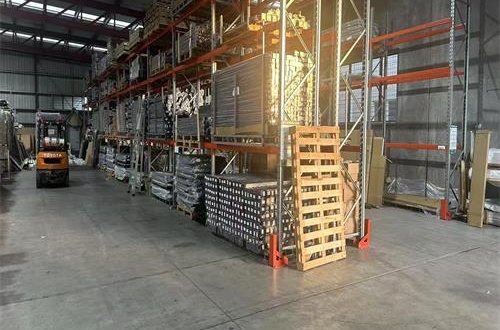

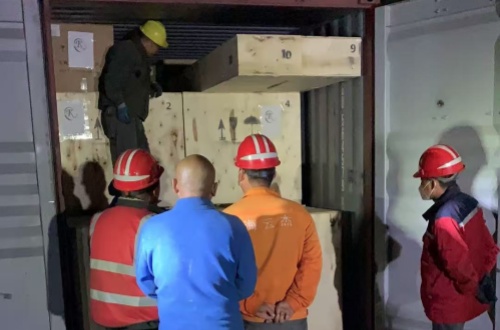
การกำกับดูแลการโหลด
We will arrange a dedicated person to supervise and guide the loading process to ensure that all goods are loaded into the container

การผ่านพิธีการศุลกากร
คุณไม่จำเป็นต้องส่งเอกสารใดๆ ให้เราเลย เราจะจัดการเรื่องเอกสารและรายละเอียดอื่นๆ ทั้งหมดให้คุณ.
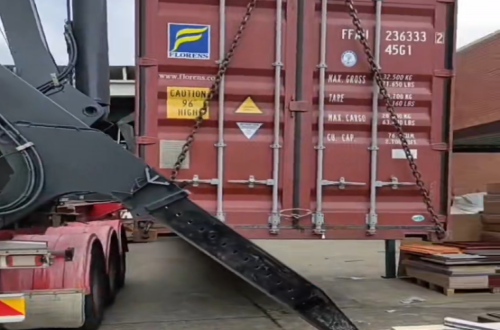
บริการส่งถึงบ้าน
แต่ละภูมิภาคมีวิธีการจัดส่งที่แตกต่างกัน หากท่านต้องการทราบว่าสินค้าของท่านจะถูกจัดส่งอย่างไร
FCL Shipping from China: the Definitive Guide
- The best shipping freight from China
- Collect lower destination charge
- Charge reasonable local charge to Shipper
- Free warehouse storage service
- Pick up in any city in China
- Professional brokerage
- Paperwork
- Provide Certificate of Original
- Direct shipping service
- Loading and reinforce well
- Insurance service
- Tracking shipping goods on time
- 24/7 online support
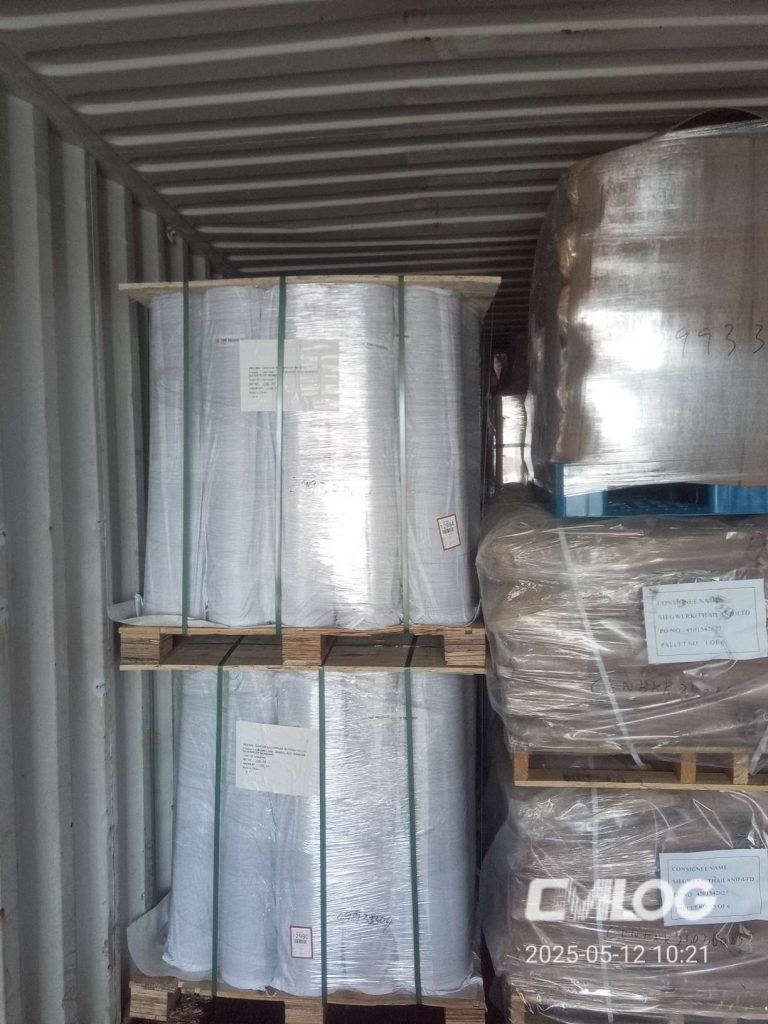
การขนส่ง LCL จากจีน: คู่มือครบถ้วนเพื่อช่วยการขนส่ง LCL ของคุณ
If you can’t rent a complete container, try LCL shipping from China.
You can ship small orders or small quantities of products from China to your home country.
But how does it work?
Okay, that’s exactly what you’re going to learn here – from basic definitions, advantages, disadvantages, working principles, transportation options, etc.
At the end of this guide, you can confidently decide whether LCL shipping from China is suitable for you.
Let’s start right away:
- What is LCL Shipping from China?
- Advantages of LCL Shipping from China
- Disadvantages of LCL Shipping from China
- How to Choose Between FCL vs. LCL Shipping from China
- Less than Container Load Shipping from China Options
- Calculating LCL Shipping Rates from China
- How Less than Container Load (LCL) Shipping from China Works
- Learn How LCL Shipping with Alibaba Works
- LCL Shipping from China to Global Destinations
- BanSar LCL Shipping from China Services
Chapter 1: What is LCL Shipping from China?
LCL is an initial that stands for less than container load.
It is a type of shipment which you will use in transporting cargo that is too small for a container.
That is, it makes no sense to get a whole container for goods that will not fill the limit of the container.

It is the reason why dealers often come up with the best deal of getting the less than a container load.
Note that, you are not the only person experiencing the problem of shipping merchandise that is too little for a container.
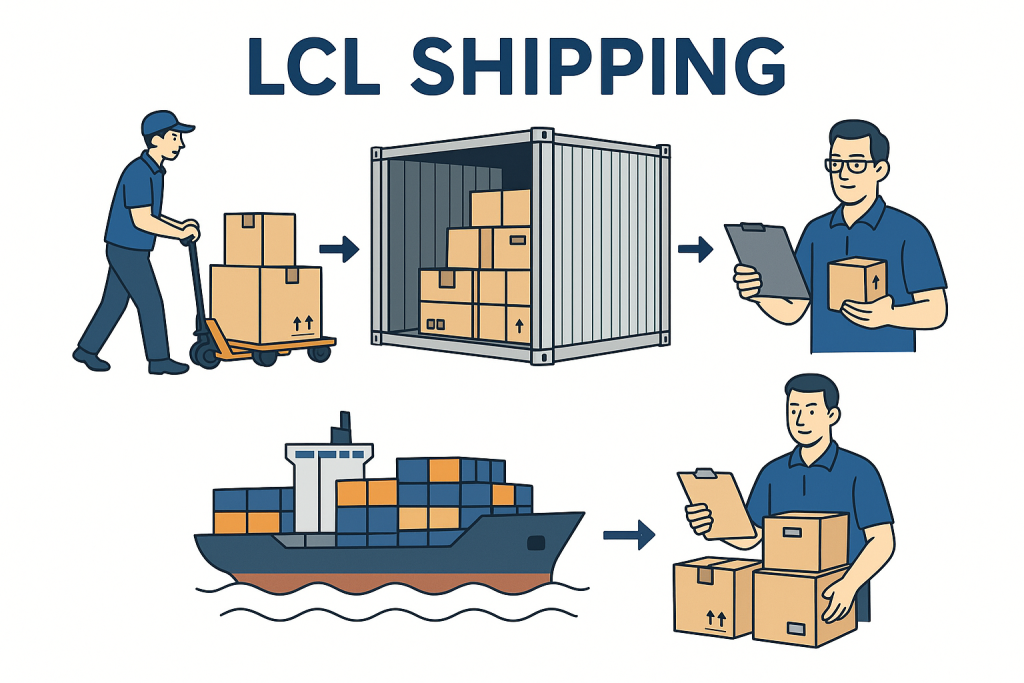
So, the dealer will group collect all your goods and book space for them in one container at a price.
You can also refer to it as groupage shipping where the pallets of goods are put in one container for transport.
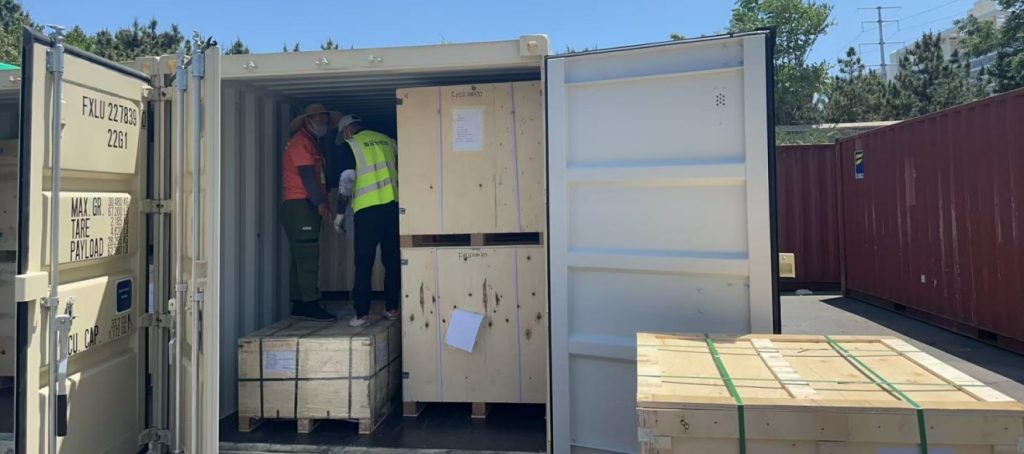
The pallets of goods on one container must be going on the same route to make LCL easy.
As the ship docks at various destinations, it gets to drop every pallet of the goods at its destination.
Basically, most of the factors on shipping the merchandise will remain the same as other modes of shipping.
These factors include time, sea or rail route, mode of container handling, and incoterms among other key factors.
The time it takes for you to receive your goods will depend on:
- How far your destination is from the supplier making the route a factor to consider.
- The speed of the cargo ship or train that you are using to transport the cargo.
The packaging requirement should be according to the international standards of shipping merchandise.
It has to be the same to all the other packages in the container and also on the ship.
Make sure that the labeling on the package is proper to improve the security of the goods in the container.
Do not forget that there are certain countries that have specific requirements for packaging the goods.
It is important to know the destination country and the packaging requirements to avoid the rejection of goods on arrival.
The LCL shipping agent is in a position to assist you in the packaging depending on the destination of merchandise.
Apart from that, make sure that you know the restricted and prohibited goods in every country.
There are certain procedures that LCL shipping will not allow in certain countries.
In other words, there are goods that you can transport using LCL shipping while others are prohibited.
As an example transporting a house or household goods from China is appropriate for LCL shipping.
It becomes a different case when you intend to transport a vehicle as the authorities may not allow certain procedures.
There are also specific goods that the international law may not allow that you have to know.
All the matters on LCL shipping or groupage shipping rest with the shipping agent.
It is important to consult the agent for most of the details before transporting.
They have a wealth of experience in the field of shipping and yours might be one of them.
LCL shipping is under the coordination of the NVOCC or the non-vessel operating common carrier.
They reserve full containers of different sizes from different shipping companies by looking at the traffic volume.
They are able to book space for your pallets in a container at a better price than FCL.
The LCL shipments to various major ports all over the world occur every week or every two weeks.
The shipments to secondary ports may run from two to three weeks depending on the destination of the merchandise.
This may be because of the waiting period for the pallets to fill different container sizes.
LCL shipping to a secondary port can experience a lot of issues on transit to the destination.
Your transporter may offload the merchandise at a different location as it waits for others to fill a container.
You should be able to learn a lot about LCL shipping to avoid such delays on the way to a secondary port.
Chapter 2: Advantages of LCL Shipping from China
There are many companies and business that use LCL shipping from China.
Of course, this is due to the benefits it comes with.
The importer is, therefore, able to expand the market reach and sell more products due to the following advantages:
a) A Reasonably Low Cost of Shipping Imports
As an importer, you will only pay for the space that the merchandise will occupy in a container.
It allows you to transport your cargo in the mix of other types of cargo at a very low cost.
It makes a lot of economic sense to pay for space in a container instead of hiring a whole container.
This is especially true when you need to transport small sizes of cargo from China to the destination country.
In the past, many of the importers were waiting for their goods to fill up an entire container before transporting.
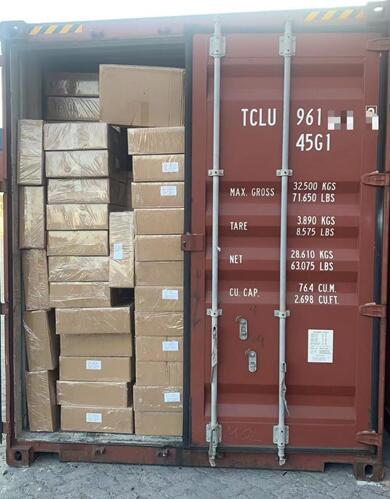
The wait for a container to fill up will waste a lot of time and the trader might lose customers in the process.
It is, however, smarter to import the cargo using LCL shipment as soon as the supply begins to diminish.
Sending smaller amount of merchandise frequently will keep the supply of the products constant and thus economically viable.
b) Scheduling and Time Management for Imports is Easier
The service provider who can either be a ผู้จัดส่งสินค้า usually has people in place for better management.
They usually have a team which dedicates its time in scheduling pick-ups, transport and delivery of the merchandise.
The freight forwarder will notify the importer on every step that he decides to take when transporting the merchandise.
It will give you time to organize and plan for the outgoing and incoming shipments.
You can work with the freight forwarder who will have a complete schedule of delivery under certain circumstances.
By having a secure LCL shipment freight, you will only pay for space on the container according to the agreement.
The freight forwarder will also expect the goods according to the agreement and organize the most economical mode of transport.
It will lead to more savings for the importer and greater load capacity for the freight forwarder.
c) Easy to Optimize the Shipping Process
LCL shipments make it easy for optimization especially when you have changes in the business schedule.
Changes in the business schedule lead to different changes such as mode of transport.
In this case, transporting FCL will be a huge problem for the transporter if the picking and delivery schedule changes.
This is because he will have to change the whole schedule if he is working for more than one person. He may not have the space to accommodate full container loads if the schedule changes. It is therefore important to change the shipment to LCL which the transporter can accommodate if the schedule changes. In other words, it is a very flexible mode that allows you to adjust faster whenever your schedule changes. It will also allow your business partners such as cargo transporters to adjust faster and efficiently.
d) No More Worries when Shipping from China
It allows you and your employees to have more time and space to focus on other things.
This is possible if you get a freight forwarder who is reliable and can handle all the shipping processes for you.
In this case, you will focus your energy and time in striking other deals as your cargo is on transit.
It will relieve your employees from the hustle of tracking, scheduling, and tracing of the shipments.
These tasks usually bog down many importers and do not give them time to do other things.
In LCL shipments with a good freight forwarder, you can channel your efforts elsewhere for the benefit of the company.
e) Allowing to Pick Cargo at the Offloading Warehouse
Apart from that, you are also able to freely pick your cargo at the offloading warehouse.
You don’t have to rely on middlemen to take care of the picking of the goods for you when it arrives.
In the process, you will save on the cost of hiring middlemen and you can check on your cargo personally.
By the way, the time for transporting the less than container load is also the same as that of full container loads.
You don’t have to worry about any inconveniences in the time it will take for you to get the cargo.
Chapter 3: Disadvantages of LCL Shipping from China
1. Longer Transit Times
LCL shipments require cargo consolidation at the origin and deconsolidation at the destination. This additional handling adds 2–7 extra days compared to FCL shipping.
2. Higher Risk of Damage or Loss
Since your goods are packed with other shippers’ cargo, they’re more vulnerable to:
Mishandling during consolidation/deconsolidation
Incompatible or improperly packaged neighboring goods
Damage from frequent loading/unloading
3. Complex Documentation
LCL requires more paperwork, รวมถึง:
Cargo consolidation lists
Master and House Bill of Lading
Group customs declarations
This can increase the risk of delays due to documentation errors.
4. Higher Cost Per Unit (for Medium to Large Shipments)
While LCL may seem cheaper initially, the per cubic meter rate is higher than FCL. If your cargo exceeds 13–15 CBM, FCL is typically more economical.
5. Increased Customs Risk
If one of the consolidated cargo owners fails customs inspection, your entire container may be delayed. This risk doesn’t exist with FCL shipments.
6. Limited Control Over Loading
You won’t be able to supervise how your goods are packed. Improper weight distribution or poor loading by others could jeopardize the safety of your shipment.
Chapter 4: How to Choose Between FCL vs. LCL Shipping from China
When running a business, your ultimate goal is to maximize profits—and that includes choosing the most cost-effective shipping method for your imports.
Selecting between FCL (การขนส่งด้วยตู้คอนเทนเนอร์เต็มตู้) และ LCL (ปริมาณน้อยกว่าหนึ่งตู้คอนเทนเนอร์) depends on a variety of factors, such as cargo size, urgency, budget, and handling requirements.
Key Considerations Before Choosing a Shipping Method
Before deciding on FCL or LCL, evaluate:
Timeliness: Will this method deliver your goods on time?
ความคุ้มค่า: Does it optimize total freight costs?
Cargo Safety: Is your cargo protected during handling and transit?
Simplicity: Is the logistics process straightforward and manageable?
What Is การขนส่งแบบ FCL?
FCL (Full Container Load) means you rent the entire container exclusively for your cargo. It’s ideal when:
You have sufficient volume (typically over 15 CBM).
Your goods need to remain separate from other shipments.
You want faster transit times with minimal handling.
FCL can use 20ft or 40ft containers, depending on volume.
FCL ประโยชน์:
Faster delivery due to fewer stops and handlings.
Lower risk of damage or loss.
More predictable pricing and schedules.
What Is LCL Shipping?
LCL (Less than Container Load) is for smaller shipments that don’t require a full container. Your cargo is consolidated with shipments from other importers, and you only pay for the space you use.
It’s a great choice when:
สินค้าของคุณอยู่ below 15 CBM.
You’re working with a tight budget.
Your cargo is not time-sensitive.
LCL Considerations:
Longer transit time due to consolidation and deconsolidation.
Higher risk of delays or damage from shared handling.
More complex documentation requirements.
When to Choose FCL Over LCL
Choose FCL เมื่อ:
Your cargo volume exceeds 15 cubic meters.
You want to ensure faster delivery and fewer risks.
You need to protect fragile or high-value goods.
You want full control over loading and packaging.
Choose LCL เมื่อ:
Your volume is too small to fill a 20ft container.
You’re shipping multiple smaller batches over time.
You want to avoid paying for unused container space.
Expert Advice
Before making a decision:
Compare costs (FCL vs. LCL) for your specific cargo and Incoterms.
Calculate risk exposure and handling needs.
Always consult with a reliable ผู้จัดส่งสินค้า who can assess your shipment and provide recommendations tailored to your situation.
A trusted forwarder like BRF LOGISTICS can:
Help you select the right shipping method.
Ensure customs compliance.
Coordinate efficient door-to-door delivery.
Chapter 5: Less than Container Load Shipping from China Options
When shipping small volumes from China, LCL (การขนส่งสินค้าปริมาณน้อยกว่าตู้คอนเทนเนอร์) shipping offers two primary transportation options: by sea หรือ by rail. Your choice will depend on your destination country’s infrastructure, delivery timeline, and budget.
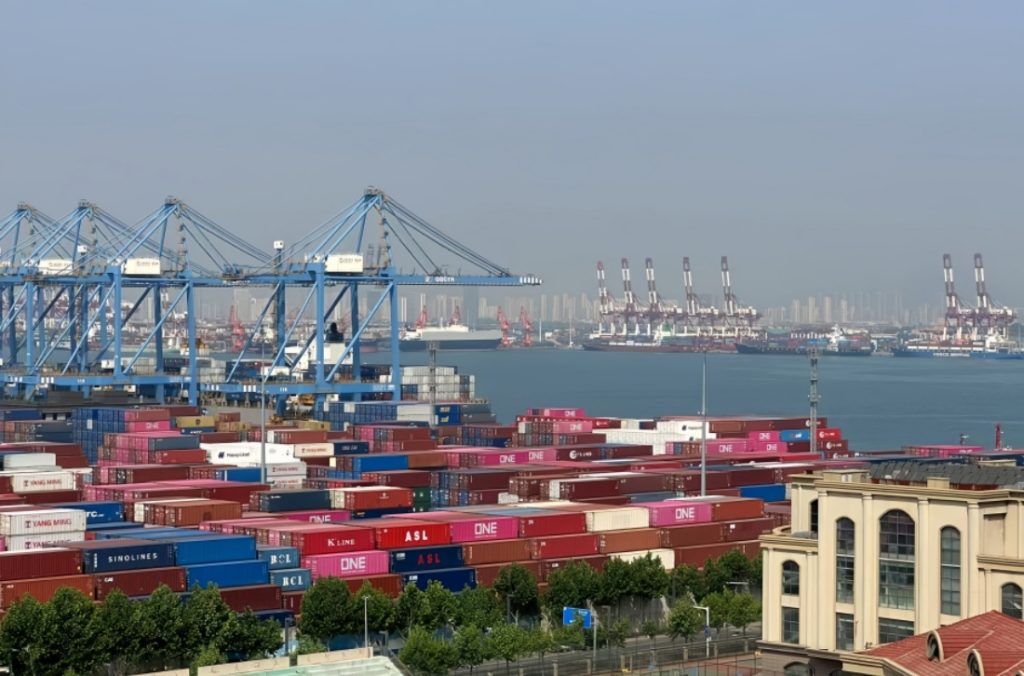
LCL Sea Shipping from China
LCL sea freight is the most common and often the only available option for many global importers.
Goods are รวม into a container with other shipments and transported by cargo vessel.
This method is ideal for countries with seaport access.
สำหรับ landlocked countries, cargo can be offloaded at a nearby port and then transported inland by truck หรือ rail.
Process Highlights:
Cargo arrives at the ท่าเรือปลายทาง, where it is inspected and cleared through customs.
Importers are responsible for paying customs duties และ import taxes.
Delivery continues via road or local logistics providers.
Pros:
Cost-effective for non-urgent, small-volume shipments.
Access to global shipping routes.
Widely supported by freight forwarders.
LCL Rail Shipping from China
Rail freight is a growing alternative for LCL shipping, particularly for destinations in Europe and parts of Central Asia that are connected to China by rail.
Cargo is consolidated into containers and loaded onto freight trains.
The departure point is often a dry port in China (an inland logistics hub).
The most common rail route is the China-Europe Railway Express.
Process Highlights:
Cargo passes through multiple customs inspections along the railway route.
Upon arrival, goods are deconsolidated and delivered via local transport networks.
Rail is faster than sea freight, though generally more expensive.
Pros:
Faster transit times (typically 15–20 days to Europe).
More eco-friendly than air or sea.
Flexible for last-mile delivery.
Limitations:
Only 40ft containers are typically accepted on most routes.
Not suitable for all destinations (rail access required).
May involve multiple inspections along the route, which can delay delivery.
ข้อคิดสุดท้าย
Both LCL sea and rail shipping from China offer viable options depending on your needs:
| ปัจจัย | การขนส่งทางทะเลแบบ LCL | LCL Rail Freight |
|---|---|---|
| Cost | Lower | Higher |
| เวลาขนส่ง | 25–40 วัน | 15–20 days |
| Accessibility | Global seaport access | Limited to rail-connected countries |
| Environmental Impact | Moderate | Lower (more eco-friendly) |
| เหมาะสำหรับ | Budget-conscious shippers | Time-sensitive shipments |
Consult with your ผู้จัดส่งสินค้า to assess which LCL method aligns best with your cargo type, delivery deadline, and destination infrastructure.
Chapter 6: Calculating LCL Shipping Rates from China
When shipping cargo from China using LCL (Less than Container Load), it’s essential to understand the costs involved. There are two main ways to calculate your LCL shipping rates—and knowing both can help you budget accurately and avoid unexpected charges.
Method 1: Using an LCL Shipping Calculator
An LCL shipping calculator is one of the most convenient tools for estimating your shipping cost. It provides a breakdown of all charges related to sea freight and trucking—though it usually excludes customs duties and destination port charges.
To use the calculator correctly, follow these steps:
Select the Shipping Method
Choose LCL (ปริมาณน้อยกว่าหนึ่งตู้คอนเทนเนอร์) as your mode of transport, and select “By Sea” as the shipping method.Enter Origin and Destination
Specify the port or location in China where the cargo will depart from, and the destination country or city where it will be delivered.Describe the Commodity
Enter the type of goods you are shipping and their total declared value.Enter Shipment Details
Input the gross weight และ total volume (CBM) of your cargo.Include Accessorial Charges (if any)
Indicate whether your cargo is hazardous, insured, or requires any special handling. These factors will influence the overall quote.
After completing all fields, the calculator will generate an estimated shipping cost for your LCL shipment from China.
Method 2: Estimating Costs Based on Container Size
Another way to estimate LCL shipping costs is to compare the cost of shared space in different container sizes. In LCL shipping, you don’t pay for a full container—you pay for the space your cargo occupies. However, the type of container still impacts pricing.
Here are the most common container types for LCL shipments:
20ft Container
Typically used for smaller volumes. Lower base cost compared to larger containers.40ft Container
Suitable for larger cargo volumes. Higher base cost, but potentially more cost-effective per CBM if your cargo volume is closer to full capacity.
Key factors that affect your LCL shipping rate:
Container Size: Larger containers cost more, even in LCL shipping.
Distance and Route: Longer distances or less common routes may incur higher charges.
Cargo Volume: The more space your cargo takes up, the more you’ll pay.
Origin and Destination Fees: Handling, trucking, and local port charges can vary greatly by location.
ข้อคิดสุดท้าย
Calculating LCL shipping rates from China requires an understanding of both freight logistics and fee structures. Whether you use a shipping calculator or estimate based on container sizes, make sure you account for all relevant charges—including hidden fees at the destination.
Working with a reliable freight forwarder can simplify this process, helping you get accurate quotes and avoid delays or cost surprises.
FAQ: Common Questions About LCL Shipping Rates
Q1: What is the formula to calculate CBM (Cubic Meter)?
A:
To calculate CBM for a box or item, use the formula:
CBM = (Length in meters) × (Width in meters) × (Height in meters)
Example: A box measuring 1.2m × 1.0m × 1.5m = 1.8 CBM
If you’re working with inches or centimeters, convert to meters first:
1 inch = 0.0254 meters, 1 cm = 0.01 meters
Q2: What are the common charges included in LCL shipping from China?
A:
| Fee Type | คำอธิบาย |
|---|---|
| Origin Charges | Handling fee, คลังสินค้า fee, documentation at the port of origin |
| การขนส่งทางทะเล | Cost for shipping the cargo by sea |
| Destination Charges | Terminal handling, delivery order, customs clearance at the destination |
| Trucking (Optional) | Inland transport from warehouse to port or from port to final destination |
| Insurance (Optional) | Cargo insurance based on the declared value |
| Hazardous Surcharge (if any) | Extra fee for transporting dangerous goods |
Q3: Why is the total shipping cost sometimes higher than the freight quote?
A:
Most online LCL freight quotes include only port-to-port ocean freight. However, origin charges, destination fees, customs duties, และ last-mile delivery are billed separately. Always request a Door-to-Door or DDP quote if you want the full picture.
Table: Sample LCL Shipping Cost Estimation (จากจีนไปยังสหรัฐอเมริกา)
| Parameter | Sample Value |
|---|---|
| ประเภทสินค้า | Electronic Products |
| ปริมาณ | 3.5 CBM |
| น้ำหนักรวม | 650 kg |
| ท่าเรือต้นทาง | Shenzhen, China |
| จุดหมายปลายทาง | Los Angeles, USA |
| Ocean Freight Estimate | USD $120/CBM × 3.5 = $420 |
| Origin Charges | USD $80 |
| Destination Charges | USD $200 |
| Insurance (Optional) | USD $30 (based on cargo value $3000) |
| Estimated Total Cost | $730 |