การผ่านพิธีการศุลกากรของจีน
Your Best Freight Forwarder in China
Professionals in product classification.
Familiar with Chinese customs policy.
Handle all the paperwork.
Suitable times for customs clearance
Handle all types of goods.
Ask Better Sea Freight Rate

Paperwork
Some suppliers in China have not enough experience to do the paperwork for the customs clearance, china brf can do paperwork professionally for suppliers or you, and this service is free for you.

Product Classification
Everyone knows the product Classification is very important in shipping link, it decides how smoothly the shipment goods through the Customs, include the accurate HS code, how to do the customs clearance based on different goods, Bansar have a professional team to do this work well.

การผ่านพิธีการศุลกากรในจีน
china brf is very familiar with China customs policy and we also have a professional team to do the customs clearance, trust china brf for this logistic link.

Customs Clearance in Destination Port
Besides customs clearance in China, china brf also can do the customs clearance in destination port, we have branches or good agent partner almost in every country to handle the door to door service of your goods.
โปรดติดต่อผมได้ทุกเมื่อเพื่อขอราคา!
Your Complete Guide to China Customs Clearance: Procedures, and More
If you’re importing goods from China, understanding customs regulations and procedures is crucial.
ทำไม?
Because it can save you significant time and money. Without complying with customs regulations, your shipment won’t make it past the border.
In this guide, you will learn everything you need to know about China customs clearance—from the basic procedures to prohibited items and required documentation.
By the end of this guide, you will be equipped with the knowledge to handle China customs clearance efficiently.
Chapter 1: Why Customs Clearance is Essential for Your Shipments from China
Customs clearance is a critical part of the logistics process when shipping goods internationally. If not properly handled, it can delay your shipment or even result in additional costs.
As a leading freight forwarder, BRF LOGISTICS can take the headache out of China’s customs clearance process. Our services are tailored to ensure that your goods pass through customs smoothly, no matter what.
Here’s how BRF LOGISTICS can assist:
การเก็บสินค้าในคลัง: Enjoy up to 14 days of free warehousing.
Shipping Containers: Use our containers for up to 12 days.
วิธีการจัดส่ง: Whether it’s LCL, FCL, Reefer, or Out-of-Gauge, we’ve got you covered.
ตัวเลือกการจัดส่งที่ยืดหยุ่น: Choose from ocean freight, air freight, rail freight, or truck shipping.
Best of all, BRF LOGISTICS handles the entire customs clearance process, both within China and at the destination port.
Chapter 2: Understanding Customs Clearance in China
With the growing global interest in importing from China, understanding the customs clearance process is more important than ever. Here’s what you need to know:
2.1 What Is Customs Clearance?
Customs clearance refers to the documented authorization for goods to either enter or leave a country. It involves ensuring that all applicable customs duties are paid and that necessary documentation is provided. In most cases, a freight forwarder or shipping agent will handle the process on behalf of the importer.
Customs clearance is essential because it ensures that the shipment complies with local laws, is classified correctly (whether it’s a consumer product or industrial good), and is free from prohibited items.
2.2 How Does Customs Clearance Affect Your Shipment?
Failure to comply with customs regulations can lead to shipment delays, fines, or even the rejection of your goods. Efficient customs clearance ensures:
Faster processing of your goods at the border
Compliance with international regulations
Mitigation of unexpected costs
A reliable customs clearance partner like BRF LOGISTICS can speed up the process and help you avoid costly mistakes.
2.3 Why You Should Trust a Freight Forwarder to Handle Customs Clearance
Freight forwarders specialize in managing the logistics and customs clearance process. By outsourcing this responsibility, you can focus on running your business while professionals ensure that your goods clear customs smoothly.
Here’s how a freight forwarder adds value:
Expert Knowledge: They understand the local and international regulations.
Document Handling: Freight forwarders take care of the necessary paperwork.
2.4 The Role of Customs Brokers in China
Customs brokers play a vital role in facilitating the customs clearance process. They act as intermediaries between you (the importer) and the Chinese customs authority, ensuring that your goods comply with all regulations and are released without delay.
Key roles of a customs broker include:
Preparing and submitting import/export documentation
Ensuring compliance with Chinese import laws
Providing customs classification advice
With the right broker, your shipment will move through customs with minimal hassle.
2.5 How to Improve the Efficiency of China Customs Clearance
Here are a few tips to help streamline the customs clearance process:
Ensure Proper Documentation: Double-check your shipping and import/export documentation before submission.
Accurate Product Classification: Misclassified goods can cause delays or fines.
Choose the Right Freight Forwarder: Partner with a forwarder that specializes in China customs clearance to avoid errors.
Know Your Product’s Tariffs: Understanding the applicable duties on your goods will prevent surprises.
Chapter 3: Common Mistakes to Avoid During China Customs Clearance
Mistakes during customs clearance can be costly. Here are some common pitfalls to avoid:
Incorrect or Incomplete Documentation: Ensure all your shipping documents, like invoices and certificates, are accurate.
Misdeclaring Your Goods: Make sure to classify your products correctly to avoid unnecessary taxes and duties.
Not Preparing for Inspection: Customs may inspect your goods, so be prepared for any delays.
3.1 How Custom Clearance Affects Importing from China
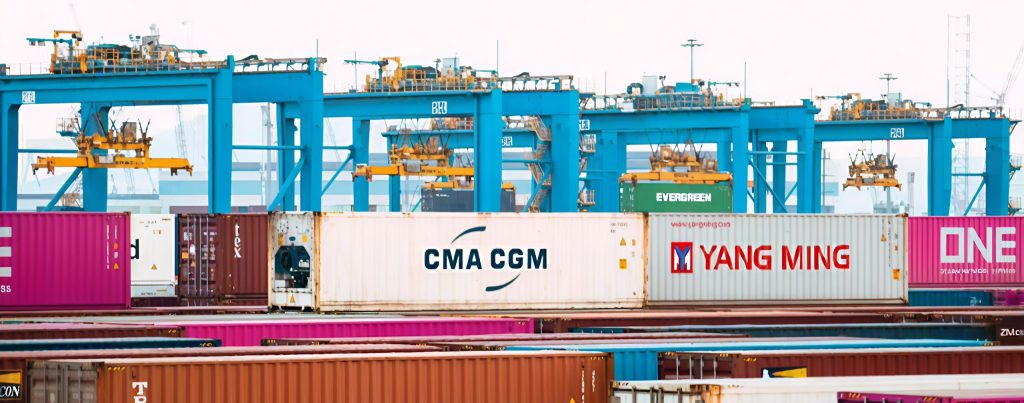
But you should also note that some containers the customs select for inspection tend to vary considerably.
Random inspection intensity is dependent on fundamental occasions in the importing country.
You see, some of them may need additional shipment monitoring as a result of security risks in the relevant department,
The intention of customs inspections is also to avert issues surrounding the intellectual property.
This includes importation of patented or trademarked goods.
3.2Why Freight Forwarder Should Handle Custom Clearance
This is also another ideal information that you, as a Chinese importer, need to master.
In fact, this is something you need to carefully consider, especially if you import bulk commodities.
Firstly, who is the freight forwarder?
It refers to an agent used by exporters to assist them in transporting goods to a specific foreign country.
In some cases, freight forwarders can be part of your logistics plan.
In most cases, freight forwarders are always available as a company.
You may find that some people also provide such services, especially if you are a small-scale importer.
The advantage is that freight forwarders can help exporters prepare price quotes and costs.
They also handle issues such as handling fees.
The freight forwarder will also provide you with advice on suitable packaging methods for the goods inside the container.
In addition, freight forwarders also handle other services in international shipping operations.
- ประกันภัย
- Customs documents – provided by freight forwarders to consolidation merchants and individual shippers.
- Non Vessel Operating Common Carrier (NVOCC) documents
- ใบส่งสินค้า
- Risk assessment and management
- พื้นที่เก็บข้อมูล
- International payment methods. Freight forwarders will always adhere to personal communication and better customer service.
3.3The role of customs brokers in the customs clearance process in China
As I mentioned before, customs clearance is a process.
It can be intensive or direct, depending on your paperwork and understanding of the process.
Therefore, you will find that no matter what goods you import, the entire process is seamless, depending on the input of the customs broker.
What I want to imply here is that the customs broker plays a crucial role in the entire process. Before we discuss a large amount of information,
Let’s first clarify who the customs broker is.
In most cases, this may be an individual or company authorized to conduct customs business on behalf of the trader.
The main responsibility of a customs broker is to provide you with advice on possible effective customs clearance methods.
Of course, this must comply with customs entry regulations and other policies.
At the same time, the broker also provided the approximate landed cost of goods entering the country.
Now, let’s turn to another important aspect of importing from China.
3.4How to Improve Efficiency in Customs Clearance in China
The truth is that no business person would wish to be taken rounds with endless referrals when importing goods.
It is often an irritating feeling which at times can raise emotive issues that might be unnecessary at that moment.
But the truth is:
These are always as a result of inefficiency or communication breakdown somewhere in between.
Well, it’s vital to know that improving efficiency in customs clearance when importing from China can be straightforward.
Most definitely, this depends on the means you choose to pursue and whether or not you comply with specific clearance regulations.
Here are some of the proper ways that you can use to attain efficiency in customs clearance;
i. Proper Packaging and Loading
One of the leading causes of delays at customs clearance is improper packaging and loading of the items.
Listen.
It is something that must be done by experts.
You may end up saving considerable cost and time by seeking services of respective professionals.
But then, you need to understand that the Chinese customs authority have provision for packaging depending on the type of goods.
So generally, you must ensure that you package your shipment accordingly to prevent unnecessary inconveniences.
ii. Provide Accurate and Complete Information About Imports
Again, you have to ensure that all the shipping documents match the contents of the container and other related elements.
The moment the customs officials will find any sort of mismatch then it will be another issue altogether.
Remember this isn’t even a matter of whether the error could be accidental or deliberate.
And in some instances depending on the gravity of the error, you can pay hefty fines.
Of course, this is an unwarranted inconvenience because you tend to lose more than you gain.
China inspection and quarantine authorities usually issue rules regarding the regulations procedure.
The intention is always to improve the effectiveness in Chinas custom clearance.
What happens is that the procedure rules typically require the relevant authorities to comply strictly with the statutory time limits.
Of course, this is to guide in the seamless completion of the procedures with the aim of improving the customs clearance efficiency.
Normally the process is lengthy and time-consuming.
This is due to the high random check rate and a lack of regulatory guidance as to how the detailed procedures were determined.
This creates hurdles which increase the overall efficiency in customs clearance for products imported from China.
Usually, the full inspection and quarantine may include;
- Accept application
- Review
- การตรวจสอบ
- Quarantine
- Quarantine treatment
- Overall assessment
- Goods release
- Archive
For a particular product, determining detailed inspection and quarantine procedures is on the basis of the products nature.
Imports not subjected to random sampling will be directly released provided a written compliance record.
iii. Another Way to Improve Efficiency is to Adjust to the Random Sampling Ratio
If you’re an importer and you fail to maintain a good compliance record with AQCIQ.
Random sampling ratios may also be increased if there is evidence that products may pose a high risk to health or safety concerns.
iv. Specification of Strict Timelines is Another Way to Increase Efficiency
Under the new rules, the relevant authorities must comply with the specified timelines for different types of products for each kind of inspection and quarantine process.
Accepting an application and reviewing an application process must be completed within half working a day.
For most products, the realization of onsite inspection is compulsory within one working day.
Additionally, laboratory inspection should also be within seven working days.
In general, the expectation is products to clear inspection and quarantine within one working day.
And therefore, here are some of the general observations;
The echoing of cross-border e-commerce growth in China necessitates ideal measures for inspection and quarantine of goods.
Ideally, AQSIQ is putting all appropriate measures towards enhancing efficiency in clearing goods that you import from China.
It happens that the overall regulatory trend is to make cross-border e-commerce to conform to legal requirements for traditional importation model.
Chapter 3: Customs Clearance Procedures in China
Let me clarify this point;
Each country has its own customs clearance guidelines.
Of course, China is no exception.
In fact, as a world leading exporter, China has implemented some strict customs clearance measures in all ports.
You know this is crucial because to a large extent, it helps to curb any incidents of secretly carrying goods both domestically and internationally.
Therefore, the main purpose of all regulations and rules for customs clearance in China is to establish order and reduce unnecessary loopholes.
In this section, we would like to take a look at all the commitments regarding customs clearance procedures when importing from China.
3.1. Fill in the Chinese Customs Transportation Regulations
As an importer, you must ensure compliance with all transportation regulations set by Chinese customs.
If you want to pass customs clearance quickly, you must ensure that you confirm which certifications and standards you need to meet.
By the way, the key to achieving this goal is to prepare all necessary documents.
You must also remember that your importer must manage most of the customs clearance work.
But you need to prepare all other documents in case officials request them.
Ensure that you communicate openly with the importer and jointly manage customs clearance to avoid time-consuming issues.
Before shipment, please ensure that you have the necessary documents for easy shipment.
But before that, let’s take a look at some of the contents of China’s customs shipping regulations
·Product certification
Typical Chinese quality certifications include CCC (China Compulsory Certification) and CFDA.
For example, CFDA is used in health food and infant formula.
If necessary, you should obtain certification for your product and provide certification documents for customs inspection upon arrival in China.
·HS code
HS only refers to coordinating codes.
These codes are applicable for classifying goods traded in that country on a global scale.
One of the biggest challenges faced by exporters is that customs have encountered difficulties in assigning HS codes to your products.
Essentially, this means they cannot accurately determine what kind of products you are exporting.
Therefore, you don’t know what standards and regulations you need to follow.
It is crucial if you can classify products using the correct HS code.
It is crucial that it helps customs understand the customs, regulations, and certification types applicable to your product.
I know you may ask yourself:
What is the Harmonized Tariff Code (HS Code)?
Well, this refers to the international terminology used for product classification.
It can classify all participating countries based on frequently traded items for customs purposes.
Generally speaking, the HS code determines the GB standards you need to meet.
Therefore, it is crucial if you can classify your products using the correct HS code.
It actually helps customs understand the specific regulations and certifications applicable to your product.
·GB standard
Usually, it is the HS code that determines the GB standards you need to meet.
Well, GB standards are unique in terms of packaging, labeling, and food.
Therefore, you mainly need to provide a test report to prove that your product meets the GB standards required for such projects.
By the way, if any certification or testing report is missing, you will need to provide the missing documents or CIQ declaration.
·Import License
This is also another document that you must use when filling out Chinese customs policies.
When we discuss this issue, if an import license is required, you must provide it.
As a Chinese importer, it is necessary to apply for an import license.
Other important documents you may need for customs clearance of goods include the following:
- ใบส่งสินค้า
- Invoice
- รายการของที่นำติดตัว
- Customs invoice
- สัญญาประกันภัย
- Transaction Contract
- Quality Certificate
- Inspection certificate/license
- Import quota certificate
- Goods List
- Processing Trade Manual
- Customs Clearance Authorization Commission Agreement
But on the other hand, the specific documents you need at a particular time depend on the type of product you import from China.
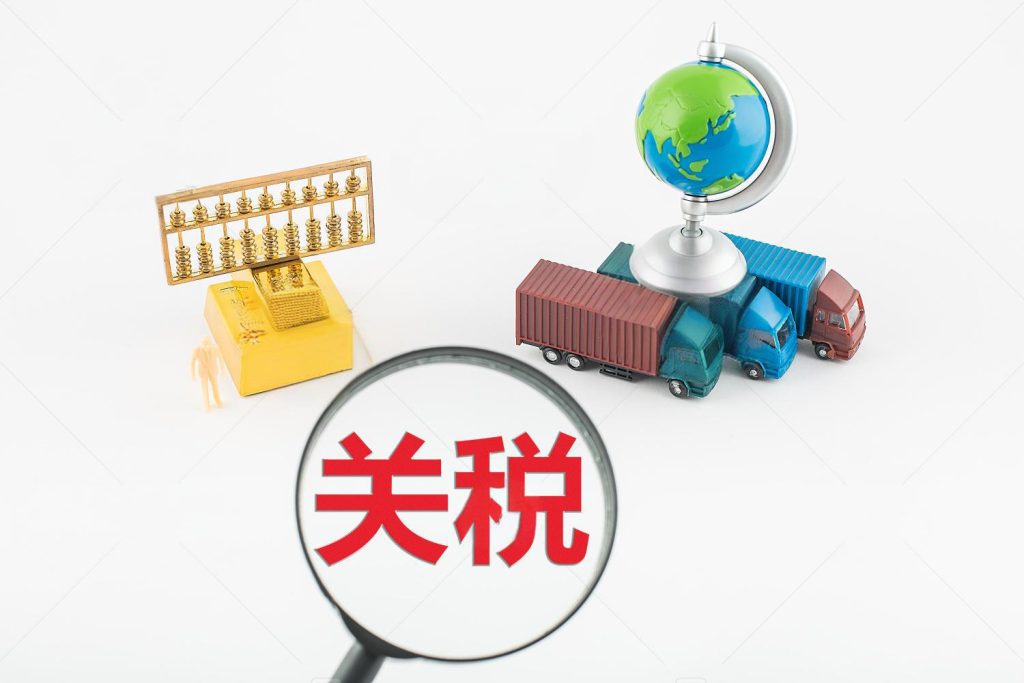
Customs Valuation
It’s important to provide documentation stating the CIF price (cost insurance and freight).
The CIF price includes the reasonable amount with the following items added;
รายการของที่นำติดตัว
Freight costs
Insurance costs
Commissions for the seller
Expectedly, the Chinese customs have a database where they can check your CIF price.
This enables them to confirm if it’s in line with local rates and tariffs.
Surprisingly, if the difference in price is relatively big, you’ll have to incur additional charges.
· China Custom Declaration Form
Apparently, this is one of the documents that many people who import from China rarely know more of what it entails.
Previously, H833 was the conventional system for customs declaration.
Currently, H2000 is what traders use for notifications.
Again, you also need to know that nowadays such declarations are managed electronically.
The Chinese customs have put across an extensive guide explaining how different systems work and how to fill out the forms.
· CR Number
This refers to the number that you obtain immediately after you register at the Chinese customs website as an importer.
It primarily refers to Customs Registration Code, which is a requirement in China both for importers and exporters.
To prevent unnecessary inconveniences and delays at the customs clearance, always ensure that your CR code is stated in the customs declarations.
· China Customs Tracking
This is also the other element still on the aspect of accomplishing Chinese customs regulations.
Remember that it is possible to check the status of your shipment on the customs website.
Excitingly all you need is to provide a declaration number and verification code to fast-track the status.
In some instances, you’ll realize that failure to provide these codes will make it somehow impossible for you to determine your shipment’s status.
Arguably, the first section of the customs clearance procedure is quite demanding and detailed.
What I mean is that it requires a lot of knowledge and proper documentation of all import details.
Prepare the Necessary China Custom Clearance Documentation
Of course, you have to prepare all the necessary documentation for facilitating customs clearance in China.
The Chinese clearance documents are the regular correspondence you need to prepare when importing products from any local manufacturer.
Of course the moment you order your goods from China you expect them to arrive on time.
And this should happen without any unanticipated interruptions both at the departure port in China and at the destination port in your country.
So how do you ensure that you achieve this?
Simple, in fact, I’m emphasizing this for the umpteenth time;
Make sure that you prepare all the relevant Chinese customs documents accurately and promptly.
When you do this, it becomes easy to ensure that your goods pass through customs without any unnecessary interruptions.
Some of the items that you need to consider
A purchase order from Buyer
Sales Invoice
รายการสิ่งของที่ต้องนำติดตัว
Shipping bill
Bill of Lading or air waybill
ใบรับรองแหล่งกำเนิดสินค้า
Proper certifications (please explain these CFDA, CCC, CIQ, CCIC & CEL)
Harmonized Custom Tariff Numbers (HS Codes)
i. A Purchase Order from the Buyer
This is one of the vitally important documents you require for import customs clearance.
A purchase order gives a reflection of all the terms and conditions surrounding the sale contract.
And it is also what allows the officials at the customs desk to verify value assessment.
At the time a valuable consignment could be under a letter of credit basis.
In that case, you can present a copy of the letter of credit alongside other documents for import clearance.
ii. Sales Invoice
This document contains overall information regarding the transaction.
Some of the details that this document contains include:
Unit cost
Products’ description
Delivery conditions
จำนวน
It is thus apparent that a sales invoice is a significant document for both importers and exporters.
Therefore, the sales invoice plays a fundamental role for both the importers and exporters.
Also, in most instances, use of a proforma invoice is unacceptable for shipping. Instead, a sales invoice is often necessary.
Broadly, it’s because it provides the basis upon which the trade is completed in regards to bookkeeping, accounts and tariff calculation.
iii. Packing List
Ordinarily, this is a document is more or less similar to sales invoice only that it doesn’t include pricing.
However, it incorporates more information details about the contents of the shipment, such as the weight and measurement.
In general, this document is necessary as a supporting document in the commercial invoice.
iv. Shipping Bill
This is arguably one of the fundamental documents you need for efficient import customs clearance.
It indicates the total outward transmittal of a nation which is under the control of the reserve bank and customs department.
It is necessary to fill the shipping bill within a month of the consignment arriving at the customs location.
Filling of the shipping bill with the necessary custom clearance documents and assessments of goods by customs officials follow suit.
Upon completion of import customs formalities, you’ll obtain a pass order under such bill of shipping.
After receiving the pass order, the goods you’re importing can now move out of the customs area.
What now remains at this stage is payment for all the necessary import charges to the respective carrier of goods.
Upon making this payment, the cargo then moves out of the customs area to your place.
v. Bill of Lading or Airwave Bill
Apparently, it is the shipping company that issues this document to you as a consignment receipt.
Most of the Chinese companies always provide you with this particular document together with a copy at some point of the shipment.
They vary from one freight company to the other hence may easily confuse as you may think they are different documents.
But specifically, this document shows the name of the freight company.
It also indicates a text “bill of lading” at its top.
vi. Certificate of Origin
Mainly, this document shows the specific point where the cargo comes from.
In this instance, it will clearly show that the shipment comes from China.
In some cases, it would also provide the specific city or town in China.
So in China, you’ll find out that its only two particular bodies that typically issue this document;
- China Council for promotion of international trade (CCPIT)
- China entry-exit inspection and quarantine bureau (CIQ)
vii. Proper certifications (CFDA, CCC, CIQ, CCIC, CEL)
In China, customs clearance is a fundamental aspect within trading borders.
Most foreign importers always regarding the missing links in Chinese customs and clearance requirements and procedures.
Some companies often assume that they do not need certification for their products.
Again, they believe that there are some exceptions on their goods hence anticipate to clear with customs without hindrances.
Unfortunately, Chinese customs authority always confiscate shipment frequently as a result of missing CCC, CFDA, CIQ, CCIC or CIQ certifications.
In other cases, such shipments could also be having such certifications but fail to correspond to the HS codes as necessary.
You can prevent such problems from arising by ensuring that these points are in place before shipping;
i. Determining whether or not a license or certification is a compulsory requirement in China for shipping.
ii. Whether it will it be necessary for you to provide certification or CIQ declaration should a certificate go missing.
iii. You also need to note that products are usually detained and charged for storage until you provide the necessary documents.
iv. Should the customs inspection team request for certification it’s imperative to verify, CEL, or CFDA for the specific products.
v. A single code of the HS code is never enough for determining the particular requirements.
vi. In instances where certification is not necessary, Chinese accreditation can offer assistance in customs clearing by obtaining a CIQ declaration.
It is the only way of providing official authentication that certification is not a requirement for clearance.
Incidentally, you’ll find that customs authorities maintain that a product certificate is mandatory.
In such instances, you need to confirm if certification is economically justifiable.
The reason behind this is that at times there is always a window period required for certification in China.
And therefore, chances for exemptions could also be high.
On the same note, you also have to be aware that exemption policies also safeguard you as the importer from hefty penalties.
Essentially, some allow importation of particular products without a CCC certificate or any other type of documentation that’s deemed necessary.
What’s more?
To know that such exemption regulations only apply to a few products including the following;
- Re-exported products
- Products manufactured in China
- Products imported in low volumes
But you should also take note of the fact that in most cases the customs clearance deny issuance of such exemptions even when you apply.
So what I suggest here is that in as much as seeking such exemptions could be advisable, you don’t really need to consider it deeply.
It is also because other options could prove to be cheaper and relatively fast.
Such reasons make it reasonable to seek services of a customs broker with expertise in this field for pertinent assistance in the whole clearing process.
Chinese certification has a vast experience in this area.
What’s the bottom line here?
In many instances, the process could be overwhelming to you as an importer, your experience and knowledge not withstanding.
It is for this reason that I always recommend you seek services of a professional freight forwarder.
China Customs Clearance: Frequently Asked Questions (FAQs)
When shipping goods to or from China, การผ่านพิธีการศุลกากร is one of the most critical steps in the international logistics process. Whether you’re a first-time importer or a seasoned exporter, understanding how Chinese customs works can save you time, money, and avoid unexpected delays.
ที่ BRF LOGISTICS, we’ve compiled the most commonly asked questions about China customs clearance to help guide you through the process.
1. What Is Customs Clearance in China?
การผ่านพิธีการศุลกากร refers to the official procedure of inspecting, documenting, and approving goods entering or exiting a country. In China, this process ensures that shipments comply with local laws and that any import duties, taxes, or regulations are appropriately enforced.
2. How Long Does Customs Clearance Take in China?
The duration of China customs clearance varies depending on several factors:
The type and nature of goods
Accuracy of the documentation
Whether additional inspections are required
In general, clearance can take a few hours to several days. Goods that require quarantine checks, such as food or medical items, may take longer.
3. What Documents Are Required for Customs Clearance in China?
To clear goods through customs in China, you will typically need:
ใบแจ้งราคาการค้า
รายการสิ่งของที่ต้องนำติดตัว
ใบส่งสินค้า (original or telex release)
Additional documents may be required for specific products:
Certificate of Origin (COO)
Health Certificate (for food or agriculture)
Organic Certificate
COA (Certificate of Analysis)
Import/Export License (for restricted items)
Tip: Always verify the required documentation in advance, especially for sensitive or high-value cargo.
4. Who Determines the Duties and Taxes for Imported Goods?
China uses the HS (Harmonized System) code classification system to determine applicable import duties และ VAT. The amount you pay depends on:
The product type
ประเทศต้นทาง
Applicable trade agreements
Importers are responsible for correctly classifying their goods to avoid penalties.
5. How Do I Pay Import Duties and VAT in China?
Once your shipment is assessed, you will be notified of the total payable amount. Payments can be made:
Directly to China Customs via bank transfer
Through your customs clearance agent or freight forwarder
6. What Happens After Customs Clearance?
After customs clearance is complete:
Your cargo is released for delivery or loading
All official stamped documentation (including clearance certificates) will be handed over or sent digitally
You can proceed with domestic transportation or international export
7. Can I Import Foodstuffs from China?
Yes, you can import food products from China, provided that:
They are properly labeled
Accompanied by valid health and sanitary certificates
Comply with the destination country’s import regulations
Working with an experienced freight forwarder or customs agent helps navigate these regulations.
8. Why Should I Use a Customs Clearance Agent in China?
Hiring a licensed customs clearance agent in China provides key advantages:
Accurate documentation and classification
การดำเนินการศุลกากรที่รวดเร็วขึ้น
Risk reduction of delays or fines
Expert guidance on import/export compliance
ที่ BRF LOGISTICS, we offer end-to-end customs clearance support tailored to your shipping needs.
9. Do I Have to Pay Duties on All Products I Import from China?
Not necessarily. Some products are duty-free, while others may attract anti-dumping duties, VAT, or excise taxes. Free Trade Agreements (FTAs) may also reduce or eliminate duties for certain countries.
10. How Do I Clear Goods for Export in China?
To export from China, follow these general steps:
Prepare accurate export documentation
Submit a customs declaration
Wait for inspection (if required)
Receive customs release and shipment approval
Some ports in China may have specific rules, and some products might need additional permits or inspections.
11. What Items Are Prohibited from Entering the EU from China?
The European Union maintains a list of prohibited or restricted imports, which includes:
Certain chemicals
Hazardous materials
Counterfeit goods
Unsanitary food products
Always check the EU Import Restrictions List before shipping from China.
ข้อคิดสุดท้าย
Understanding the ins and outs of การผ่านพิธีการศุลกากรของจีน is essential for successful international trade. From documents and taxes to restricted items and timelines, each detail matters.
Need help clearing customs for your shipment from China?
Contact BRF LOGISTICS today for fast, reliable customs clearance and global freight forwarding services.
FAQs Summary (Structured for SEO)
| Question | Answer |
|---|---|
| What is China customs clearance? | It’s the official process to approve goods entering or exiting China, ensuring compliance and payment of duties. |
| How long does it take? | Typically a few hours to several days, depending on the goods and documentation. |
| What documents are needed? | Commercial invoice, packing list, bill of lading, and additional certificates for specific goods. |
| Do all products have duties? | No. Some products are duty-free, depending on classification and trade agreements. |
| Can I import food from China? | Yes, with proper health certification and compliance with destination country laws. |