การเคลื่อนย้ายพาเลทเป็นส่วนสำคัญของกิจกรรมในคลังสินค้า ธุรกิจค้าปลีก และกระบวนการผลิต แม้รถยกจะได้รับความนิยม แต่ไม่เสมอไปที่จะใช้งานได้จริงหรือมีอยู่ โดยเฉพาะในพื้นที่แคบหรือสำหรับการจัดตั้งชั่วคราว โชคดีที่มีทางเลือกหลายอย่างที่ชาญฉลาดและปลอดภัย เพื่อเคลื่อนย้ายพาเลทได้อย่างมีประสิทธิภาพโดยไม่ต้อง ต้องพึ่งพาเครื่องยกสินค้า.
10 วิธีที่ดีที่สุดในการเคลื่อนย้ายพาเลทโดยไม่ต้องใช้รถยก
เมื่อคุณต้องเคลื่อนย้ายพาเลทโดยไม่มีรถยก คุณต้องรู้ว่าจะใช้อุปกรณ์หรือวิธีการใด ด้านล่างนี้คือ 10 วิธีที่ดีที่สุดที่คุณสามารถใช้เพื่อเคลื่อนย้ายสินค้าได้โดยไม่ต้องใช้รถยก.
1. รถยกพาเลทแบบใช้มือ
ภาพรวม:
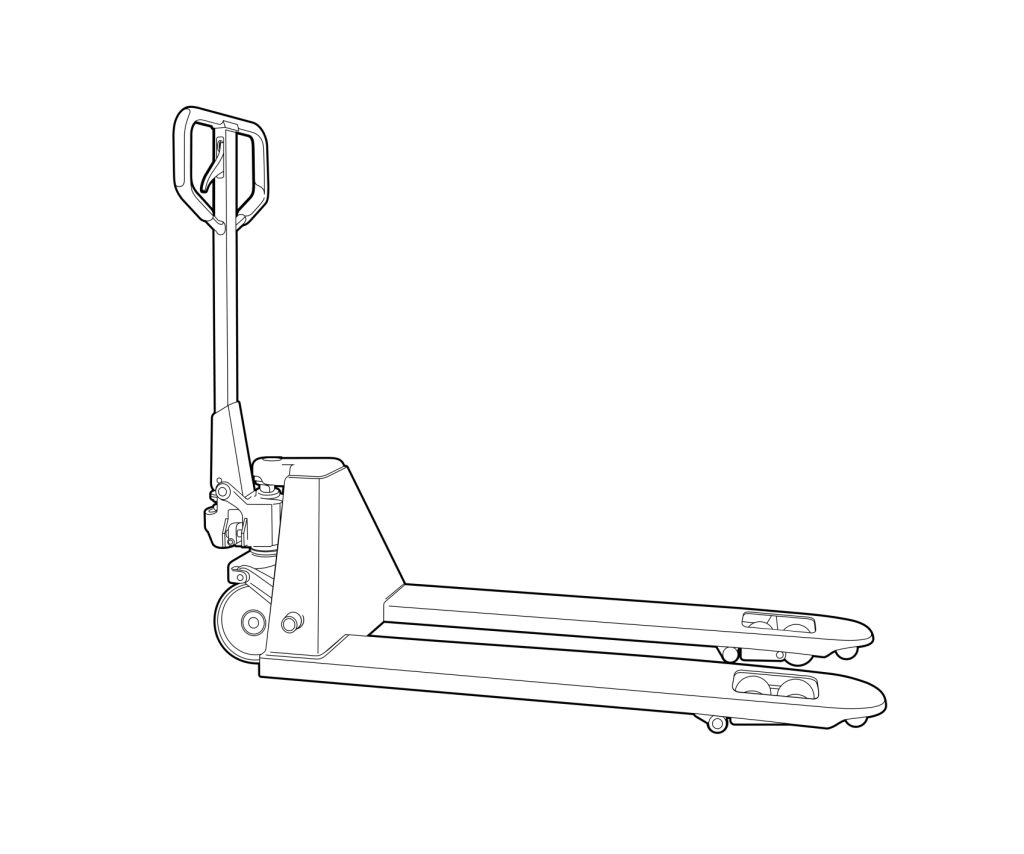
รถยกพาเลทแบบมือ (หรือที่เรียกว่ารถยกพาเลทแบบใช้มือ) เป็นหนึ่งในทางเลือกที่ได้รับความนิยมมากที่สุดแทนรถยกพาเลทแบบไฟฟ้า (forklift) ซึ่งช่วยให้พนักงานสามารถยกและขนส่งพาเลทได้ด้วยแรงน้อยที่สุด.
ประโยชน์:
ราคาไม่แพงและดูแลรักษาง่าย
ใช้งานได้ง่ายในพื้นที่แคบ
สามารถรับน้ำหนักได้มาก (โดยทั่วไปสูงสุด 5,500 ปอนด์ หรือ 2,500 กิโลกรัม)
คำแนะนำด้านความปลอดภัย:
ตรวจสอบให้แน่ใจว่าพื้นเรียบและไม่มีสิ่งกีดขวาง
อย่าวางของเกินความจุน้ำหนักของแจ็ค
ฝึกอบรมพนักงานรถไฟเกี่ยวกับเทคนิคการยกและจัดการอย่างถูกต้อง
2. รถยกพาเลทไฟฟ้า
ภาพรวม:
สำหรับคลังสินค้าที่มีขนาดใหญ่หรือพาเลทที่มีน้ำหนักมาก รถยกพาเลทไฟฟ้าจะช่วยเพิ่มกำลังในการยก ลดความเหนื่อยล้าของพนักงาน และเพิ่มประสิทธิภาพในการทำงาน.
ประโยชน์:
การขนส่งพาเลทหนักได้อย่างรวดเร็วขึ้น
ลดความเหนื่อยล้าทางกายภาพของผู้ปฏิบัติงาน
เหมาะสำหรับการเดินทางระยะไกลภายในสถานที่
คำแนะนำด้านความปลอดภัย:
รักษาให้แบตเตอรี่มีประจุเต็ม และตรวจสอบอย่างสม่ำเสมอ
ปฏิบัติตามความเร็วที่กำหนดเพื่อหลีกเลี่ยงการชนกัน
ใช้ทางเดินที่กำหนดไว้ในพื้นที่ที่มีคนพลุกพล่าน
3. ล้อเลื่อนพาเลทและระบบสายพานลำเลียง
ภาพรวม:
เพื่อเคลื่อนย้ายพาเลทอย่างต่อเนื่องในสายการผลิตหรือพื้นที่บรรจุภัณฑ์ ระบบลูกกลิ้งพาเลทหรือระบบสายพานลำเลียงเป็นทางเลือกที่ช่วยให้ไม่ต้องใช้มือ.
ประโยชน์:
เหมาะอย่างยิ่งสำหรับงานที่ต้องทำซ้ำๆ
ช่วยลดงานที่ต้องทำด้วยมือและความเสี่ยงต่อการบาดเจ็บ
สามารถบูรณาการกับระบบคลังสินค้าอัตโนมัติได้
คำแนะนำด้านความปลอดภัย:
ตรวจสอบให้แน่ใจว่าลูกกลิ้งจัดแนวอย่างถูกต้อง
อย่าให้มือและเสื้อผ้าสัมผัสกับส่วนที่เคลื่อนไหว
ดูแลรักษาระบบสายพานลำเลียงอย่างสม่ำเสมอ

4. สเกตและรถเข็น
ภาพรวม:
ล้อเลื่อนพาเลทและรถเข็นแบบทนแรงสูงช่วยให้สามารถเลื่อนพาเลทไปบนพื้นผิวที่เรียบได้ ซึ่งถือเป็นวิธีแก้ปัญหาที่ง่ายสำหรับงานชั่วคราวหรืองานในขนาดเล็ก.
ประโยชน์:
ราคาถูกและพกพาได้
ติดตั้งได้รวดเร็วและใช้งานได้ง่าย
สามารถปรับให้เหมาะกับขนาดพาเลทต่าง ๆ ได้
คำแนะนำด้านความปลอดภัย:
ตรวจสอบขีดจำกัดน้ำหนักของรถเข็นหรือสเกตเสมอ
เมื่อจอดรถ ให้ใช้เบรกหรือก้อนไม้ค้ำล้อ
เคลื่อนที่อย่างช้าๆ เพื่อรักษาการควบคุม
5. โต๊ะยกและลิฟต์แบบกรรไกร
ภาพรวม:
โต๊ะยกหรือเครื่องยกแบบกรรไกรสามารถยกพาเลทขึ้นถึงความสูงที่เหมาะสมสำหรับการจัดการหรือขนส่ง ซึ่งช่วยลดการต้องก้มตัวและแรงกดจากการยกของพนักงาน.
ประโยชน์:
ช่วยปรับปรุงความสะดวกในการใช้งานและลดการบาดเจ็บในสถานที่ทำงาน
สามารถผสานการทำงานกับอุปกรณ์เคลื่อนย้ายพาเลทอื่น ๆ ได้
เหมาะสำหรับการทำงานด้านการขนถ่ายสินค้า
คำแนะนำด้านความปลอดภัย:
อย่าให้เกินขีดจำกัดน้ำหนักของลิฟต์
ให้พื้นที่รอบลิฟต์ว่างเปล่า
ต้องมั่นใจว่าผู้ปฏิบัติงานได้รับการฝึกอบรมเกี่ยวกับวิธีการยกของอย่างปลอดภัย
6. คันเบ็ดแบบลูกกลิ้ง
ภาพรวม:
คานงัดแบบลูกกลิ้งเป็นเครื่องมือที่เรียบง่ายแต่มีประสิทธิภาพสูง สำหรับการเคลื่อนย้ายพาเลทและอุปกรณ์หนักโดยไม่ต้องใช้รถยก มันรวมตัวคานงัดกับล้อลูกกลิ้งขนาดเล็ก ทำให้คนเพียงคนเดียวสามารถยกด้านหนึ่งของพาเลทและกลิ้งมันไปได้อย่างง่ายดายบนพื้นผิวที่เรียบ.
ประโยชน์:
ตัวเลือกที่มีราคาถูกและพกพาได้สะดวก สำหรับคลังสินค้าและโรงงาน
ใช้แรงกายน้อยที่สุดเมื่อเทียบกับการยกด้วยมือ
เหมาะอย่างยิ่งสำหรับพื้นที่แคบที่รถยกและรถลากพาเลทไม่สามารถทำงานได้
คำแนะนำด้านความปลอดภัย:
ก่อนใช้งาน ให้ตรวจสอบความทนทานต่อน้ำหนักของคานกลิ้งเสมอ
ตรวจสอบให้แน่ใจว่าพื้นเรียบและไม่มีสิ่งกีดขวาง เพื่อป้องกันไม่ให้เครื่องล้ม
เคลื่อนที่อย่างช้าๆ และรักษาความสมดุลให้มั่นคง เพื่อควบคุมน้ำหนักให้มั่นคง
7. รถยกแบบใช้เครื่องยนต์และแบบใช้มือ
ภาพรวม:
เครื่องยกพาเลท (Stackers) หรือที่เรียกว่าเครื่องยกพาเลทแบบเดินตาม (walkie stackers) ได้รับการออกแบบมาเพื่อยก ย้าย และจัดเรียงพาเลทในแนวตั้ง โดยไม่จำเป็นต้องใช้รถยก (forklift) เครื่องนี้มีทั้ง รุ่นแบบใช้มือ, ซึ่งทำงานด้วยปั๊มไฮดรอลิก, และ รุ่นที่มีกำลังสูง, ซึ่งใช้มอเตอร์ไฟฟ้าในการยกและเคลื่อนที่.
ประโยชน์:
ช่วยให้สามารถจัดเรียงพาเลทแบบตั้งในพื้นที่มีพื้นที่จำกัด
รถยกแบบมือมีราคาไม่แพงและดูแลรักษาได้ง่าย
รถยกแบบใช้พลังงานช่วยลดความเมื่อยล้าและเพิ่มประสิทธิภาพในการยกของหนัก
เหมาะสำหรับคลังสินค้า ห้องเก็บสินค้าของร้านค้าปลีก และโรงงานผลิต
คำแนะนำด้านความปลอดภัย:
อย่าเกินขีดจำกัดน้ำหนักและความสูงของผู้ใช้เครื่องยกของ
ต้องมั่นใจว่าผู้ปฏิบัติงานได้รับการฝึกอบรมเกี่ยวกับวิธีการยกและเคลื่อนย้ายอย่างปลอดภัย
รักษาทางเดินให้โล่ง และใช้เครื่องยกของได้เฉพาะบนพื้นผิวที่เรียบเท่านั้น
ตรวจสอบระบบไฮดรอลิก (แบบใช้มือ) หรือแบตเตอรี่ (แบบใช้ไฟฟ้า) อย่างสม่ำเสมอ
8. เทคนิคการเลื่อนและกลิ้ง
ภาพรวม:
เมื่อไม่มีอุปกรณ์เฉพาะทาง สามารถใช้วิธีการเลื่อนและกลิ้งแบบง่ายๆ เพื่อเคลื่อนย้ายพาเลทอย่างปลอดภัยได้ โดยวาง ท่อ, แท่งโลหะ หรือลูกกลิ้งที่แข็งแรง ใต้พาเลท ผู้ทำงานสามารถเคลื่อนย้ายของหนักได้โดยการเลื่อนหรือกลิ้งมันไปบนพื้น วิธีนี้ถูกใช้มาหลายทศวรรษแล้วในวงการก่อสร้าง การเก็บสินค้าในคลังสินค้า และแม้กระทั่งโดยบริษัทขนส่งที่จัดการกับสินค้าขนาดใหญ่.
ประโยชน์:
วิธีแก้ปัญหาที่มีค่าใช้จ่ายต่ำและต้องการอุปกรณ์เพียงเล็กน้อย
เหมาะสำหรับใช้ในสถานที่ทำงานชั่วคราวหรือพื้นที่ที่มีการเข้าถึงจำกัด
สามารถใช้ได้กับสินค้าที่มีขนาดใหญ่เกินมาตรฐานหรือรูปทรงไม่ปกติ ไม่เพียงแต่พาเลทเท่านั้น
คำแนะนำด้านความปลอดภัย:
ควรใช้ลูกกลิ้งหรือท่อที่แข็งแรงและมั่นคงเสมอ ซึ่งสามารถรับน้ำหนักของพาเลทได้
สวมถุงมือและรักษาความเร็วให้คงที่เพื่อหลีกเลี่ยงการเปลี่ยนทิศทางอย่างกะทันหัน
ตรวจสอบให้แน่ใจว่าพื้นผิวอยู่ในระดับเดียวกัน เพื่อป้องกันการเคลื่อนที่ที่ไม่สามารถควบคุมได้
ควรมีพนักงานหลายคนพร้อมอยู่เพื่อให้คำแนะนำและควบคุมเมื่อจัดการกับของหนัก
9. ลูกกลิ้งแรงโน้มถ่วง
ภาพรวม:
ลูกรอกแรงโน้มถ่วง หรือที่เรียกว่าระบบสายพานลำเลียงแรงโน้มถ่วง เป็นวิธีที่เรียบง่ายและมีประสิทธิภาพในการเคลื่อนย้ายพาเลทโดยไม่ต้องใช้รถยก โดยอาศัยรางลาดเอียงและแรงโน้มถ่วงในการเคลื่อนย้ายพาเลทไปตามเส้นทาง ทำให้ระบบนี้เหมาะอย่างยิ่งสำหรับคลังสินค้า สายการประกอบ และพื้นที่โหลดสินค้า.
ประโยชน์:
มีความคุ้มค่าด้านต้นทุนเมื่อเทียบกับระบบสายพานลำเลียงที่ใช้พลังงาน
ดูแลรักษาง่าย เพราะไม่จำเป็นต้องใช้มอเตอร์หรือไฟฟ้า
เพิ่มประสิทธิภาพในการทำงานที่เกี่ยวข้องกับการจัดการพาเลทแบบซ้ำๆ
สามารถปรับแต่งให้เหมาะกับขนาดพาเลทและรูปแบบการจัดวางในคลังสินค้าที่แตกต่างกันได้
คำแนะนำด้านความปลอดภัย:
ตรวจสอบให้แน่ใจว่าความชันของทางลาดไม่สูงเกินไป เพื่อป้องกันการเคลื่อนที่ของพาเลทอย่างไม่ควบคุม
ติดตั้งอุปกรณ์หยุดฉุกเฉินหรือเบรกที่ปลายระบบลูกกลิ้ง
รักษาลูกกลิ้งให้สะอาดและไม่มีเศษสิ่งสกปรก เพื่อให้ทำงานได้อย่างราบรื่น
ฝึกอบรมพนักงานให้จัดการพาเลทอย่างระมัดระวังขณะโหลดและขนถ่ายสินค้า
10. เชือกและผ้าใบ
ภาพรวม:
สำหรับระยะทางสั้น หรือเมื่อไม่มีอุปกรณ์ใช้, เชือกและผ้าใบสำหรับงานหนัก สามารถใช้เพื่อเคลื่อนย้ายพาเลทด้วยมือได้ พนักงานสามารถวางพาเลทลงบนแผ่นผ้าหรือผ้าใบที่แข็งแรง แล้วลากมันไปบนพื้นเรียบโดยใช้เชือกเพื่อควบคุมทิศทาง แม้ว่าจะไม่เหมาะสำหรับการขนส่งสินค้าที่หนักมากหรือการขนส่งบ่อยครั้ง แต่วิธีนี้ก็เป็นทางเลือกที่รวดเร็วและประหยัดค่าใช้จ่ายในสถานการณ์ฉุกเฉินหรือการดำเนินงานในขนาดเล็ก.
ประโยชน์:
ราคาถูกมากและใช้งานได้ง่าย — ไม่จำเป็นต้องใช้เครื่องมือพิเศษ
เหมาะสำหรับการเคลื่อนย้ายพาเลทที่มีน้ำหนักเบาในพื้นที่แคบ
มีความยืดหยุ่นสำหรับสถานการณ์ชั่วคราวหรือในกลางแจ้ง ซึ่งไม่สามารถใช้อุปกรณ์อื่นได้
คำแนะนำด้านความปลอดภัย:
ใช้วิธีนี้เฉพาะกับพาเลทที่มีน้ำหนักเบาเท่านั้น เพื่อป้องกันการบาดเจ็บ
ตรวจสอบให้แน่ใจว่าผ้าใบหรือผ้าคลุมมีความแข็งแรงพอที่จะรับน้ำหนักได้โดยไม่ฉีกขาด
ใช้ท่าทางยกที่ถูกต้องเมื่อดึงสายเพื่อลดความเครียด
เมื่อต้องยกของหนัก ให้ทำงานเป็นทีมเพื่อเพิ่มความปลอดภัยและความควบคุม

เคล็ดลับในการเคลื่อนย้ายพาเลทอย่างปลอดภัยโดยไม่ต้องใช้รถยก
วางแผนเส้นทางของคุณ: กำจัดสิ่งกีดขวางและหาพื้นผิวที่เรียบและราบเรียบ.
ใช้เทคนิคที่ถูกต้อง: เมื่อเป็นไปได้ ให้ผลักเสมอ อย่าดึง เพื่อลดแรงกดดัน.
การบำรุงรักษาประจำ: รักษาแจ็ค ลูกกลิ้ง และเครื่องยกให้อยู่ในสภาพดี.
การฝึกอบรมพนักงาน: ให้แน่ใจว่าพนักงานทุกคนเข้าใจถึงข้อจำกัดของอุปกรณ์และวิธีการใช้งานอย่างปลอดภัย.
พิจารณาการใช้ระบบอัตโนมัติ: สำหรับกิจกรรมที่มีปริมาณงานสูง ระบบสายพานลำเลียงหรือรถนำทางอัตโนมัติ (AGVs) อาจช่วยเพิ่มประสิทธิภาพได้.
PALLET HANDLING · FREIGHT RECEIVING
Before Moving a Pallet: Choose Equipment for the Actual Task
Moving a pallet across a floor, lowering it from a truck and lifting it into storage are different tasks. A pallet jack may help with floor-level movement, but it does not by itself provide truck-to-ground unloading. Choose the equipment using the loaded pallet dimensions, gross weight, pallet design, surface and handling route.
The example pallet-jack capacity in the original article is not a universal limit or a safe manual-effort threshold. Follow the actual equipment rating and operating instructions, and assess the force needed to start, steer and stop the load. “Push rather than pull” is not an absolute operating rule for every pallet truck; follow its instructions and the site assessment.
Which Equipment Can Move Pallets Without a Forklift?
| Equipment | Task to review | Key limitation |
|---|---|---|
| Manual pallet jack | Short floor-level moves on suitable firm, level surfaces. | Requires compatible pallet openings and manageable operating forces; cannot lower cargo from a truck. |
| Powered pallet truck | Repeated or longer-distance movement using suitable rated equipment. | Requires operator training, adequate maneuvering space and compliance with model-specific instructions. |
| Load-rated pallet lift table | Raising or lowering a compatible load at a workstation. | Platform size, stability and approved use matter; stationary tables do not provide general pallet transport. |
| Pallet stacker | Controlled lifting where pallet design and site conditions are suitable. | Rated capacity varies with lift height and load position; operators need appropriate training. |
| Engineered conveyor or transport skates | Planned industrial handling using compatible, purpose-designed systems. | Requires suitable support, load control and a competent plan; loose pipes are not equivalent equipment. |
| Truck liftgate / tail lift | Vehicle-to-ground transfer for cargo accepted by the carrier. | Platform size, load position and rated capacity limit acceptance; does not automatically include indoor movement. |
Check the pallet base and fork-entry openings before choosing a truck. Do not force forks into an incompatible pallet or assume a crate on skids can be handled like a standard pallet.
How to Receive a Pallet Delivery Without a Forklift or Loading Dock
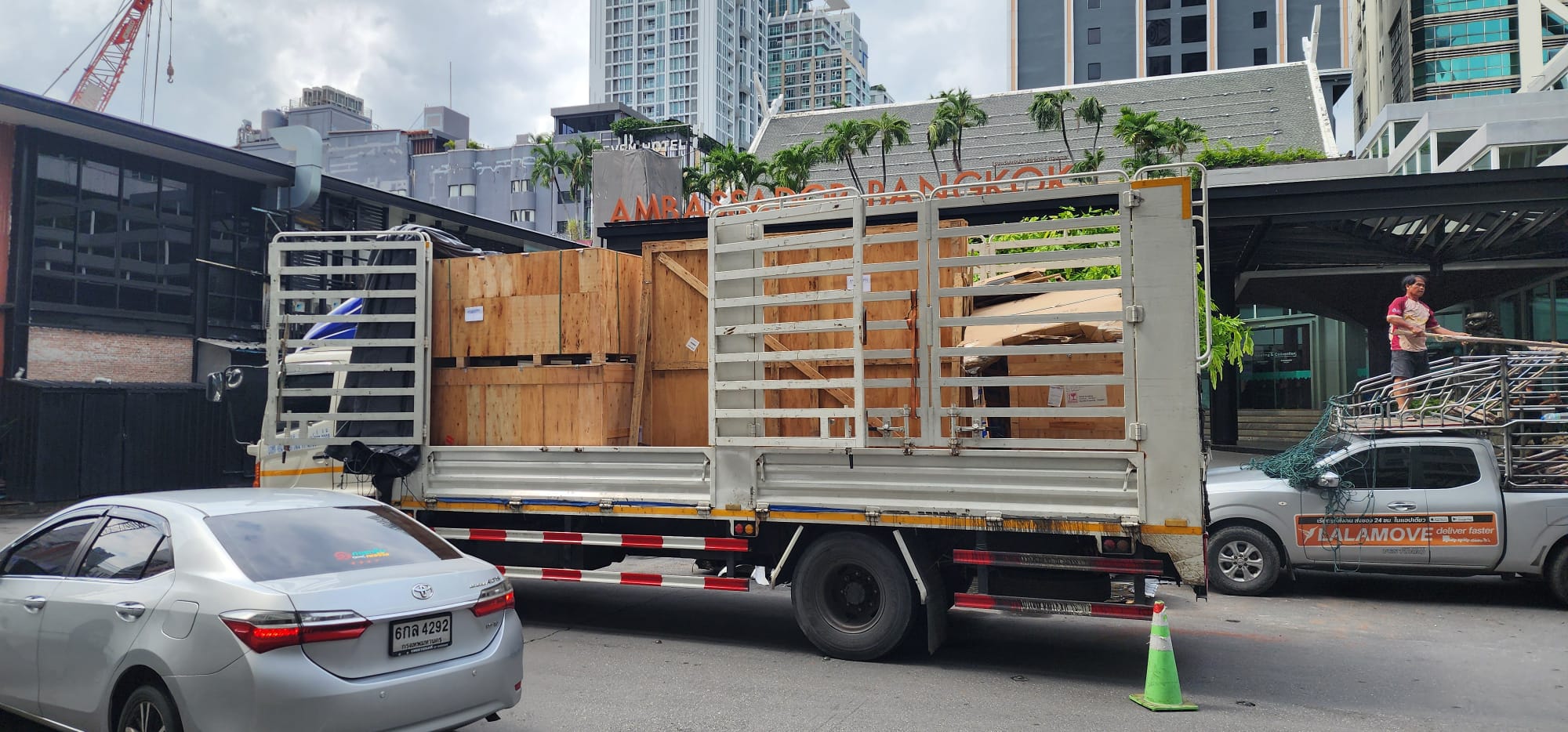
Tell the freight provider before booking that the receiving address has no forklift or dock. Ask whether a liftgate delivery vehicle is available and whether each individual pallet or crate fits the platform and the carrier’s acceptance rules.
- Provide the external length, width and height of every handling unit, including overhang.
- Provide each unit’s gross weight and photos of the base or pallet.
- Describe road access, parking space, surface condition and any slope.
- Confirm where the driver will place the cargo and how it will be moved afterwards.
- Obtain written confirmation of the accepted equipment and unloading scope.
A Liftgate and a Pallet Jack Perform Different Jobs
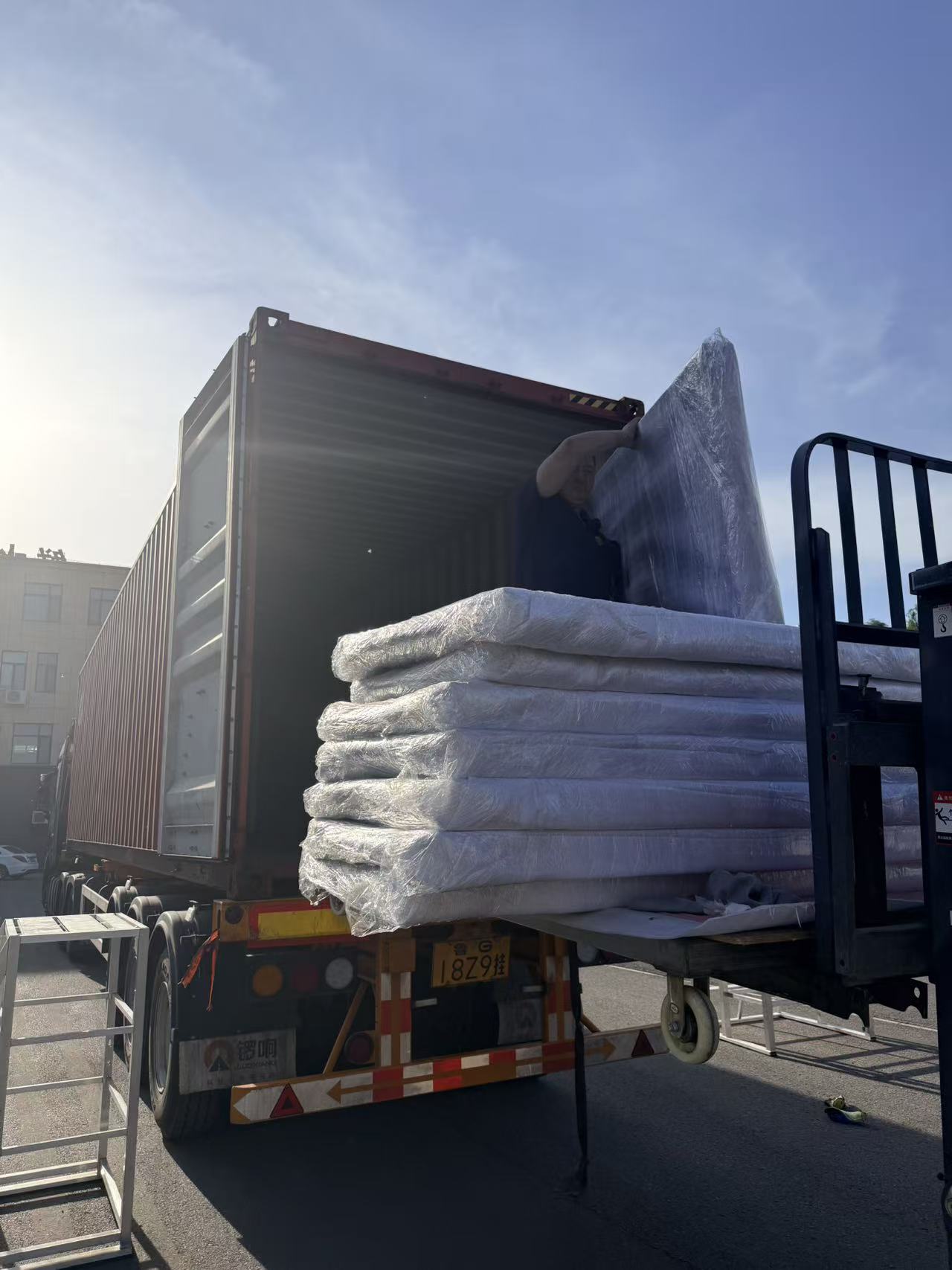
A liftgate lowers accepted cargo from the vehicle. A pallet jack then moves a compatible pallet across a suitable surface. Booking one service does not establish that both are included or that the driver will move the cargo into a garage, building or backyard.
Long fence panels, gates, machinery and oversized crates may be unsuitable even when their weight is below the liftgate rating. If the load is not accepted, ask about a suitable dock, warehouse transfer or professionally arranged unloading equipment before dispatch.
Carrier reference: FedEx freight packing guidance explains that liftgate acceptance depends on both size and weight. Its limits are carrier-specific and should not be applied to every delivery provider.
Can You Move Pallets on Gravel, Grass, Ramps or Uneven Ground?
Small pallet-jack wheels need an appropriate running surface. Gravel, grass, broken pavement, thresholds and soft ground can prevent movement or make the load difficult to control. Check the complete path, not just the spot where the truck will unload.
Do not solve an unsuitable route with improvised boards or an unsecured ramp. Arrange a different receiving point or purpose-designed handling solution. Slopes require equipment specifically approved for the conditions and a competent assessment; a standard manual pallet truck should not be assumed suitable.
For narrow entrances, confirm clear width and turning space using the combined load and handling equipment. If the package blocks visibility or cannot be controlled, change the handling arrangement.
Pallet Weight, Stability and Equipment Capacity
Use the gross weight of the complete handling unit, including its pallet and protective packaging. Check the equipment’s capacity for the actual load position and operating conditions, rather than relying on a generic capacity quoted online.
A high mechanical capacity does not mean a person can safely move that weight manually. Floor condition, wheel type, travel distance, frequency and load size affect the effort and control required. Consider a powered option or professional handling when manual movement is unsuitable.
- Inspect the pallet for damage and confirm that it is suitable for the planned handling.
- Check that the load is stable and secured without obstructing the fork openings.
- Keep people clear of the movement route and pinch or crush areas.
- Follow the equipment instructions; do not carry passengers or use the equipment for unintended tasks.
References: HSE pallet safety guidance, HSE guidance on avoiding hazardous manual handling และ CCOHS guidance on pushing and pulling handcarts.
Residential Pallet Delivery: Plan Beyond the Curbside Drop
Before Booking
Declare that the address is residential and has no dock or forklift. Share the postcode, access restrictions and individual package details.
Before Arrival
Confirm the appointment, receiving point, unloading equipment and agreed scope. Arrange suitable handling for the movement after the carrier’s delivery point.
At Receipt
Check package count and visible condition. Record damage or shortages on the receipt, retain photographs and notify the relevant parties promptly.
Ask separately about liftgate service, inside delivery, unpacking and packaging removal. A door-to-door freight service does not automatically include these tasks or installation.
For China-origin imports, see BRF door-to-door shipping และ destination charges explained to align receiving requirements with the quotation.
Example: A Long Crate of Fence Panels Delivered to a Home
Suppose a crate weighs 500 kg and measures 2.4 m long. These hypothetical details do not establish liftgate suitability: the carrier must also review the footprint, load position and pallet base. The receiving surface and available handling equipment matter as well.
Send dimensions, weight, photographs and address details before shipment. If the carrier cannot accept the crate, review a warehouse transfer or another professional unloading arrangement. Confirm the resulting charges and delivery scope before dispatch. This is a planning example, not a BRF shipment case or an equipment approval.
More FAQs: Pallet Handling and Delivery Without a Forklift
Can a pallet jack unload a pallet from a truck?
A standard pallet jack moves compatible pallets but does not itself lower a load from truck-bed height to ground level. Arrange an approved vehicle-to-ground transfer method.
Can I move a loaded pallet without any equipment?
Do not assume it is a manageable manual task. Arrange appropriate handling equipment or professional assistance rather than improvising a loaded-pallet move.
Is liftgate delivery suitable for every pallet?
No. Acceptance depends on dimensions, gross weight, load position and the actual carrier equipment. Obtain approval for each handling unit before booking.
Can a standard pallet jack work on a gravel driveway?
Do not assume it can. Review an appropriate firm receiving surface or a different handling plan with the delivery provider.
Does DDP shipping include moving the pallet into my house?
Do not assume it does. Agree indoor placement, unloading labour and any other special delivery service separately in the written quotation.
Can I unpack the goods instead of moving the pallet?
Only if the receiving arrangement and cargo allow a planned, safe unpacking process with appropriate handling for individual items. Do not cut restraints from an unstable load or assume the driver provides unpacking labour.
What details does BRF need for delivery without a forklift?
Send the full address and postcode, unit dimensions and gross weights, cargo photos, surface and access details, and available unloading equipment.
Plan Pallet Shipping and Receiving with BRF Logistics
Origin Coordination
Destination Planning
No Forklift at Your Delivery Address? Tell BRF Before Shipping
BRF Logistics can review the freight route and coordinate available delivery options with the destination provider. Confirm liftgate availability, cargo acceptance and the agreed unloading scope before dispatch.
Send: pickup location · destination address and postcode · pallet or crate dimensions · gross weight per unit · package count · photos · access and surface details · available unloading equipment.
Request a Delivery Plan[email protected]สรุป:
การเคลื่อนย้ายพาเลท การทำงานโดยไม่ใช้รถยกไม่จำเป็นต้องช้าหรือไม่ปลอดภัยเสมอไป โดยการใช้รถยกพาเลทแบบมือและแบบไฟฟ้า ระบบสายพานลำเลียง รถเลื่อน รถเข็น และอุปกรณ์ยก ธุรกิจสามารถเพิ่มประสิทธิภาพการทำงานได้พร้อมทั้งลดความเสี่ยงต่อการบาดเจ็บในสถานที่ทำงาน การเลือกอุปกรณ์ที่เหมาะสมขึ้นอยู่กับความต้องการในการดำเนินงาน น้ำหนักของพาเลท และรูปแบบการจัดวางพื้นที่ทำงาน.
ส่วนคำถามที่พบบ่อย
คำถามที่ 1: วิธีที่ปลอดภัยที่สุดในการเคลื่อนย้ายพาเลทโดยไม่มีรถยกคืออะไร?
A: การใช้รถยกพาเลทแบบมือหรือแบบไฟฟ้าบนพื้นผิวที่เรียบเป็นหนึ่งในวิธีที่ปลอดภัยที่สุด ควรปฏิบัติตามขีดจำกัดน้ำหนักและเทคนิคการยกที่ถูกต้องเสมอ.
คำถามที่ 2: รถเข็นพาเลทสามารถรับน้ำหนักมากได้หรือไม่?
A: ใช่ครับ รถเข็นและล้อเลื่อนแบบทนแรงสูงสามารถขนส่งพาเลทที่มีน้ำหนักหลายพันปอนด์ได้ แต่สิ่งสำคัญคือต้องตรวจสอบข้อมูลจำเพาะจากผู้ผลิต.
คำถามที่ 3: ระบบสายพานลำเลียงดีกว่ารถยกพาเลทหรือไม่?
A: ระบบสายพานลำเลียงเหมาะอย่างยิ่งสำหรับการเคลื่อนย้ายในปริมาณมากและซ้ำๆ ส่วนรถยกพาเลทมีความยืดหยุ่นมากกว่าสำหรับการทำงานในปริมาณน้อยหรือที่มีลักษณะไม่สม่ำเสมอ.
คำถามที่ 4: จะเคลื่อนย้ายพาเลทอย่างปลอดภัยในพื้นที่แคบได้อย่างไร?
A: รถยกพาเลทแบบมือหรือรถยกพาเลทไฟฟ้าขนาดเล็กเหมาะอย่างยิ่งสำหรับทางเดินที่แคบ ให้แน่ใจว่าทางเดินไม่มีสิ่งกีดขวาง และฝึกอบรมพนักงานเกี่ยวกับเทคนิคการควบคุมรถยก.
คำถามที่ 5: การใช้ระบบอัตโนมัติในการเคลื่อนย้ายพาเลทโดยไม่ใช้รถยกคุ้มค่าหรือไม่?
A: สำหรับการดำเนินงานในขนาดใหญ่ โซลูชันอัตโนมัติ เช่น ระบบสายพานลำเลียงหรือ AGV สามารถช่วยเพิ่มประสิทธิภาพและลดค่าใช้จ่ายด้านแรงงานได้ แต่จำเป็นต้องมีการลงทุนเบื้องต้นที่สูงขึ้น.
จากสำนักงานใหญ่ของเราที่ ชิงเต่า, จีน, BRF Logistics เชื่อมต่อห่วงโซ่อุปทานของคุณกับทีมสำนักงานและตัวแทนที่เชื่อถือได้ทั่วทั้ง สหรัฐอเมริกา, แคนาดา, ออสเตรเลีย, นิวซีแลนด์, สหราชอาณาจักร และไทย. ไม่ว่าคุณจะขนส่งทางทะเล ทางอากาศ ทางรถไฟ หรือทางรถบรรทุก เครือข่ายของเราจะให้บริการที่เชื่อถือได้แบบถึงประตูบ้าน การผ่านพิธีการศุลกากรที่สอดคล้องกับข้อกำหนด และการติดตามสถานะแบบเรียลไทม์.
ติดต่อด่วน: ชอบใช้อีเมลมากกว่า? ใช้ [email protected]
รายละเอียดเฉพาะประเทศมีดังต่อไปนี้.

โปรดติดต่อผมได้ทุกเมื่อเพื่อขอราคา!
บทความที่เกี่ยวข้อง