Moving pallets is a crucial part of warehouse, retail, and manufacturing operations. While forklifts are common, they are not always practical or available, especially in small spaces or for temporary setups. Fortunately, there are several smart and safe alternatives to move pallets efficiently without relying on forklifts.
Top 10 Ways to Move Pallets Without a Forklift
When you’re moving pallets without a forklift, you must know what equipment or method to use. Below are the 10 best methods you can use to move your load without using a forklift.
1. Manual Pallet Jacks
Overview:
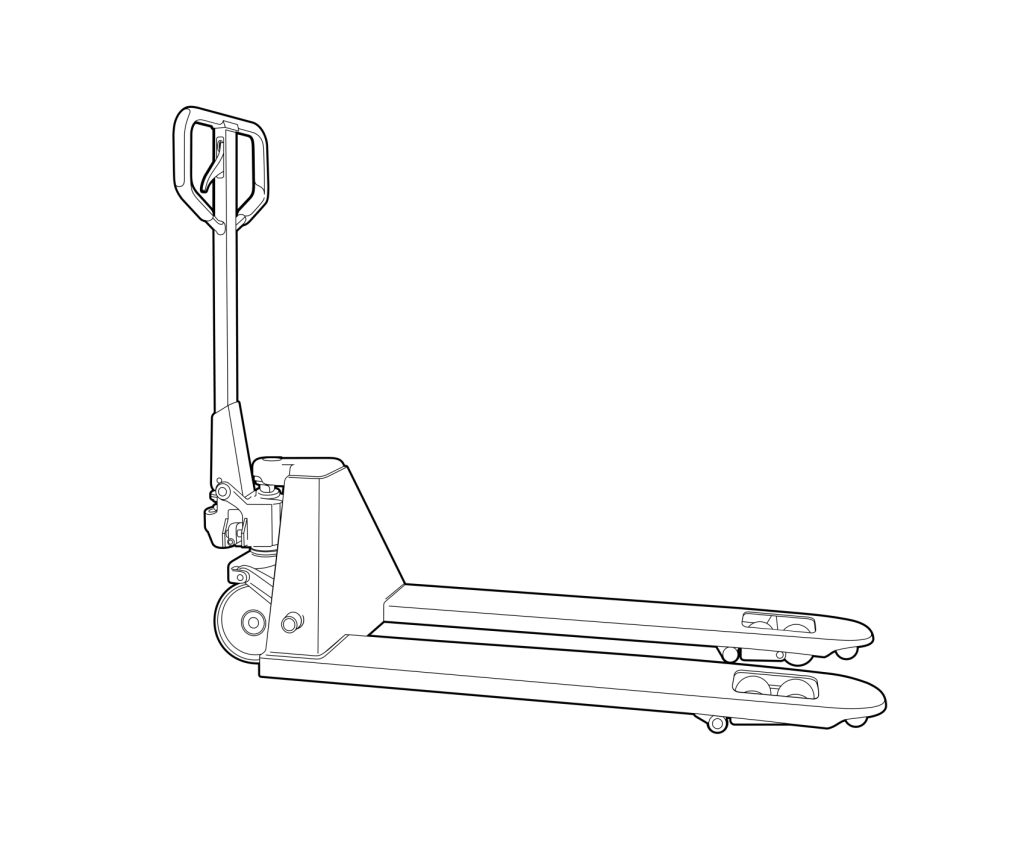
Manual pallet jacks, also known as hand pallet trucks, are among the most popular alternatives to forklifts. They allow workers to lift and transport pallets with minimal effort.
Avantajlar:
Affordable and low maintenance
Easy to operate in tight spaces
Can handle heavy loads (typically up to 5,500 lbs or 2,500 kg)
Safety Tips:
Ensure the floor is even and clear of obstacles
Do not overload beyond the jack’s weight capacity
Train staff in proper lifting and handling techniques
2. Electric Pallet Jacks
Overview:
For larger warehouses or heavier pallets, electric pallet jacks provide powered assistance, reducing worker strain and increasing efficiency.
Avantajlar:
Faster transport of heavy pallets
Less physical strain on operators
Suitable for longer distances within facilities
Safety Tips:
Keep the battery charged and regularly inspected
Follow speed limits to avoid collisions
Use designated pathways in busy areas
3. Pallet Rollers and Conveyor Systems
Overview:
For continuous movement of pallets in production lines or packing areas, pallet rollers or conveyor systems offer hands-free solutions.
Avantajlar:
Ideal for repetitive tasks
Reduces manual labor and risk of injury
Can integrate with automated warehouse systems
Safety Tips:
Ensure rollers are properly aligned
Keep hands and clothing clear of moving parts
Regularly maintain the conveyor system

4. Skates and Dollies
Overview:
Pallet skates and heavy-duty dollies allow pallets to be rolled across smooth surfaces, providing a simple solution for temporary or small-scale operations.
Avantajlar:
Low-cost and portable
Quick setup and easy to use
Flexible for various pallet sizes
Safety Tips:
Always check the weight limit of the dolly or skate
Use brakes or chocks when stationary
Move slowly to maintain control
5. Lift Tables and Scissor Lifts
Overview:
Lift tables or scissor lifts can raise pallets to a convenient height for handling or transport, minimizing bending and lifting strain for workers.
Avantajlar:
Enhances ergonomics and reduces workplace injuries
Can be integrated with other pallet-moving tools
Suitable for loading and unloading operations
Safety Tips:
Never exceed the lift’s weight capacity
Keep the area around the lift clear
Ensure operators are trained in safe lifting practices
6. Roller Crowbars
Overview:
A roller crowbar is a simple but highly effective tool for moving heavy pallets and equipment without the need for forklifts. It combines a lever (crowbar) with a small roller wheel, allowing one person to lift one side of a pallet and easily roll it across smooth surfaces.
Avantajlar:
Low-cost and portable option for warehouses and workshops
Requires minimal physical effort compared to manual lifting
Ideal for tight spaces where forklifts and pallet jacks cannot operate
Safety Tips:
Always check the weight capacity of the roller crowbar before use
Ensure the floor is level and free of obstacles to avoid tipping
Move slowly and keep a steady balance to maintain control of the load
7. Powered and Manual Stackers
Overview:
Stackers, also known as pallet stackers or walkie stackers, are designed to lift, move, and stack pallets vertically without the need for a forklift. They come in both manual models, operated with hydraulic pumps, and powered versions, which use an electric motor for lifting and movement.
Avantajlar:
Allows vertical pallet stacking in limited floor space
Manual stackers are affordable and easy to maintain
Powered stackers reduce strain and increase efficiency for heavier loads
Suitable for warehouses, retail stockrooms, and manufacturing facilities
Safety Tips:
Never exceed the stacker’s weight and height limits
Ensure operators are trained in safe lifting and maneuvering
Keep pathways clear and use stackers only on level surfaces
Regularly inspect hydraulic systems (manual) or batteries (powered)
8. Sliding and Rolling Techniques
Overview:
When specialized equipment is not available, simple sliding and rolling methods can be used to move pallets safely. By placing pipes, metal rods, or sturdy rollers underneath a pallet, workers can shift heavy loads by sliding or rolling them across the floor. This method has been used for decades in construction, warehousing, and even by movers handling oversized goods.
Avantajlar:
Low-cost solution requiring minimal equipment
Useful in temporary worksites or areas with limited access
Can be applied to oversized or irregular loads, not just pallets
Safety Tips:
Always use strong, stable rollers or pipes that can handle the pallet’s weight
Wear gloves and maintain a steady pace to avoid sudden shifts
Ensure the surface is level to prevent uncontrolled movement
Keep multiple workers available for guidance and control when handling heavy loads
9. Gravity Rollers
Overview:
Gravity rollers, also called gravity conveyor systems, are a simple and efficient way to move pallets without forklifts. They rely on a sloped track and gravity to move pallets along a line, making them ideal for warehouses, assembly lines, and loading areas.
Avantajlar:
Cost-effective compared to powered conveyor systems
Low maintenance, since no motors or electricity are required
Increases productivity in repetitive pallet handling tasks
Can be customized for different pallet sizes and warehouse layouts
Safety Tips:
Ensure the slope is not too steep to avoid uncontrolled pallet movement
Install safety stops or brakes at the end of the roller system
Keep the rollers clean and free of debris for smooth operation
Train workers to handle pallets carefully when loading and unloading
10. Ropes and Sheets
Overview:
For short distances or when no equipment is available, ropes and heavy-duty sheets can be used to move pallets manually. Workers can place the pallet on a strong sheet or tarp and drag it across a smooth floor using ropes for control. While this is not suitable for very heavy or frequent loads, it provides a quick and low-cost solution in emergencies or small operations.
Avantajlar:
Extremely low-cost and accessible—requires no specialized tools
Useful for moving lighter pallets in tight spaces
Flexible for temporary or outdoor situations where other equipment cannot be used
Safety Tips:
Only use this method for lighter pallets to avoid injury
Ensure the sheet or tarp is strong enough to hold the load without tearing
Use proper lifting posture when pulling ropes to reduce strain
Work in teams when handling heavier loads for added safety and control

Tips for Safely Moving Pallets Without Forklifts
Plan Your Route: Clear obstacles and identify smooth, level surfaces.
Use Proper Techniques: Always push, don’t pull, when possible to reduce strain.
Regular Maintenance: Keep jacks, rollers, and lifts in good condition.
Staff Training: Ensure all employees understand equipment limits and safe operation practices.
Consider Automation: For high-volume operations, conveyors or automated guided vehicles (AGVs) may improve efficiency.
Conclusion:
Moving pallets without forklifts doesn’t have to be slow or unsafe. By leveraging manual and electric pallet jacks, conveyors, skates, dollies, and lifts, businesses can improve efficiency while reducing workplace injuries. Selecting the right equipment depends on your operational needs, pallet weight, and workspace layout.
FAQ Section
Q1: What is the safest way to move pallets without a forklift?
A: Using manual or electric pallet jacks on smooth surfaces is one of the safest methods. Always follow weight limits and proper handling techniques.
Q2: Can pallet dollies handle heavy loads?
A: Yes, heavy-duty dollies and skates can transport pallets weighing several thousand pounds, but it’s important to check the manufacturer’s specifications.
Q3: Are conveyor systems better than pallet jacks?
A: Conveyor systems are ideal for high-volume, repetitive movements, while pallet jacks are more flexible for smaller or irregular operations.
Q4: How can I move pallets safely in tight spaces?
A: Manual pallet jacks or small electric pallet jacks are perfect for narrow aisles. Make sure paths are clear and train staff on maneuvering techniques.
Q5: Is automation worth it for moving pallets without forklifts?
A: For large-scale operations, automated solutions like conveyors or AGVs can improve efficiency and reduce labor costs, but they require higher upfront investment.
[Şu yerdeki] genel merkezimizden Qingdao, Çin, BRF Logistics, tedarik zincirinizi dünyanın dört bir yanındaki güvenilir ofis ve acente ekipleriyle birleştirir Amerika Birleşik Devletleri, Kanada, Avustralya, Yeni Zelanda, Birleşik Krallık ve Tayland. İster deniz, ister hava, ister demiryolu ya da karayolu ile sevkiyat yapın, ağımız kapıdan kapıya güvenilirlik, mevzuata uygun gümrük işlemleri ve gerçek zamanlı takip imkanı sunar.
Hızlı iletişim: E-postayı mı tercih edersiniz? Şunu kullanın: quote@brf-logistics.com
veya WhatsApp: +8617864216034. lu ma
WhatsApp: +8615764249056. Pazar günü
Ülkelere özgü ayrıntılar aşağıda yer almaktadır.

Fiyat teklifi için lütfen istediğiniz zaman benimle iletişime geçin!
İlgili Yazılar