Transport to Europe
Compare sea, air, rail, road and multimodal freight for international cargo moving from supported global origins to European destinations.
BRF Logistics connects origin pickup, international transportation, European customs coordination and final door delivery according to the cargo, route, budget and delivery priority.

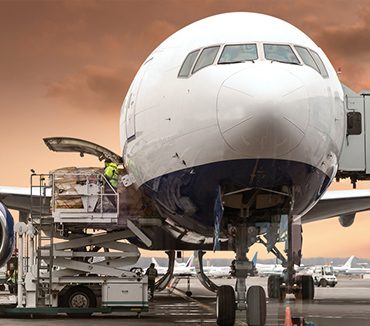
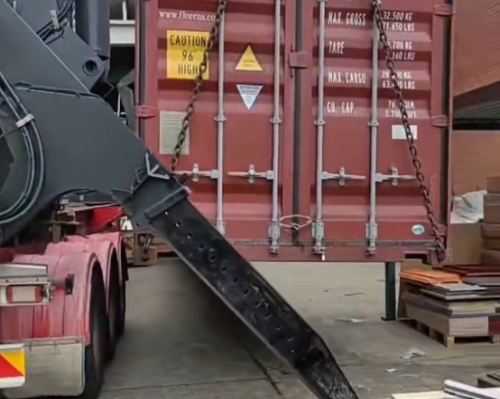
Five Ways to Build a Europe Freight Route
Each transport mode solves a different logistics problem. Choose according to cargo size, urgency, origin, European destination and total door-to-door cost.
DDP Deniz Taşımacılığı
For FCL, LCL, heavy, large-volume and regular commercial cargo moving through European seaports.
Explore Sea Freight →DDP Hava Kargo
For urgent, higher-value, samples, replacement parts and time-sensitive commercial shipments.
Explore Air Freight →Demiryolu Yük Taşımacılığı
For suitable China, Central Asian and selected Eurasian routes connecting inland terminals with Europe.
Demiryolu Yük Taşımacılığını Keşfedin →Karayolu Taşımacılığı
For supplier pickup, cross-border road movements, port / airport transfer and European final-mile delivery.
Karayolu Taşımacılığını Keşfedin →Çok modlu
Combine sea, air, rail and road where one mode alone does not create the best route.
Çok Modlu Seçenekleri Keşfedin →Do Not Choose Freight Mode from Price Alone
Start with the Cargo — Not the Carrier
A useful transport comparison starts with the physical cargo, commercial priority and final receiving point.

Compare Transport by Function — Not by One Universal Ranking
There is no single transport mode that is best for every European shipment.
Sea freight provides capacity, air freight prioritises speed, road provides flexibility, rail serves selected inland corridors, and multimodal logistics combines their strengths when appropriate.
Which Freight Mode Fits Your Shipment?
| MODE | STRONGEST USE | PRICING BASIS | CAPACITY | ROUTE ROLE | PAGE |
|---|---|---|---|---|---|
| Deniz Taşımacılığı | Large, heavy or regular commercial cargo | Container / CBM / route | Yüksek | Long-haul international freight | Sea → |
| Hava Kargo | Urgent or higher-value cargo | Chargeable weight / route | Limited compared with sea | Fast international transport | Air → |
| Demiryolu Yük Taşımacılığı | Suitable Eurasian inland corridors | Container / weight / route | Commercial container cargo | China / Eurasia → inland Europe | Rail → |
| Karayolu Taşımacılığı | Flexible regional transportation | Vehicle / distance / cargo | Vehicle dependent | Pickup, transfer and final delivery | Road → |
| Çok modlu | Complex end-to-end routes | Combined route cost | Route dependent | Sea / air / rail + road combinations | Çok modlu → |
International Freight Is a Chain of Physical Handoffs
Sea Freight vs Air Freight
Avrupa’ya DDP Deniz Taşımacılığı
Sea freight is normally the first mode to evaluate for large-volume, heavy, regular or containerised commercial cargo.
Avrupa’ya DDP Hava Kargo
Air freight is normally evaluated when delivery speed is more important than achieving the lowest cost per kilogram.
Rail Freight and Road Freight Play Different Roles
Avrupa’ya Demiryolu Yolu ile Yük Taşımacılığı
Rail freight should be treated as a corridor-specific transport mode, not as a global alternative available from every origin.
It is mainly relevant for suitable China, Central Asian and selected Eurasian cargo routes.
Avrupa’ya Karayolu Taşımacılığı
Road transport is one of the most important connecting modes in an international shipment.
Even when the main freight moves by ship, aircraft or train, road transportation frequently connects the supplier and final receiver.
Multimodal Shipping Connects the Five-Mode Transport Hub
Combine Modes Around the Route
Multimodal shipping is not a sixth independent physical transport method.
It is the strategy of combining available modes into one coordinated origin-to-door plan.
From Global Supplier to European Door
The Best Mode Depends on Where the Cargo Starts
BRF can evaluate supported international origin routes according to local pickup coverage, cargo and available gateways.
Connect International Freight with the Final European Receiving Point
Commercial warehouse and business-address delivery.
Depodan Teslimat →Scheduled receiving at distribution facilities.
Dağıtım Merkezleri →Industrial, construction and project-cargo delivery.
Project Sites →Inbound logistics subject to Amazon receiving requirements.
Amazon FBA →Transport Mode and Customs Structure Must Work Together
Changing from sea to air, rail, road or multimodal transport does not remove European import requirements.
Importer, classification, value, origin and declaration.
Gümrük İşlemleri →EU customs identity for relevant economic operators.
EORI Kılavuzu →CN / TARIC, origin and customs value.
Import Duty →Separate tax and accounting structure.
Import VAT →Advance cargo safety and security information.
ICS2 Kılavuzu →What Changes the Final Freight Cost?
Explore the Transport Network
Sık Sorulan Sorular
What transport methods can BRF use for shipping to Europe?
Depending on the origin, cargo and route, BRF can evaluate sea freight, air freight, selected rail freight, road transport and multimodal combinations.
Which transport method is best for Europe?
There is no single best method. The right mode depends on cargo weight, volume, urgency, origin, budget and final European destination.
When should I use sea freight?
Sea freight is normally suitable for larger-volume, heavy, containerised or cost-sensitive commercial shipments.
When should I use air freight?
Air freight is normally evaluated for urgent, higher-value, samples, replacement parts and time-sensitive cargo.
Can all countries use rail freight to Europe?
No. Rail freight is mainly relevant to suitable China, Central Asian and selected Eurasian corridors. It should not be treated as a global transport option from every origin.
What is road freight used for?
Road transport can be used for supplier pickup, warehouse positioning, port or airport transfer, cross-border movements where suitable, and European final delivery.
What is multimodal shipping?
Multimodal shipping combines two or more transport modes into one coordinated origin-to-destination logistics route.
Can BRF collect cargo from several suppliers?
Multi-supplier pickup and consolidation can be evaluated before the international transport leg.
Can transport include EU customs clearance?
BRF can coordinate European customs-clearance preparation for supported routes. The importer, EORI, classification, duty and VAT structure should be confirmed for the actual shipment.
BRF, bir Avrupa deposuna doğrudan teslimat yapabilir mi?
Final road delivery can be evaluated to supported commercial warehouses, business addresses, distribution centers, Amazon FBA facilities and project locations.
Does DDP mean every regulatory requirement is automatically solved?
No. DDP is a commercial delivery term. Customs, tax, product and packaging compliance still need to be reviewed according to the actual shipment.
What information is needed for a Europe transport quotation?
Provide origin country, pickup address, product name, HS code if available, package quantity, dimensions, gross weight, CBM, cargo value, cargo-ready date, destination country, final postcode and required delivery date.
Tell BRF What You Are Shipping — We Will Evaluate the Transport Mode to Europe.
Send the cargo location, weight, volume, delivery deadline and final European postcode. BRF can compare the practical transport options and connect international freight with European customs and final delivery.