What Freight Forwarders Need to Learn from the Gdynia Port Case
Poland Seizes Over One Ton of Heroin Hidden in Construction Materials
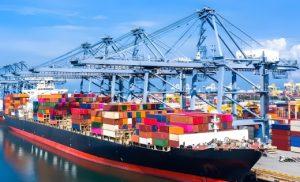
On June 8, Polish authorities announced one of the largest heroin seizures in the country’s recent history. More than 1,030 kilograms of heroin were discovered inside four ocean freight containers that had arrived at the Port of Gdynia from the United Arab Emirates. The estimated black-market value of the drugs exceeded PLN 220 million (approximately USD 55 million).
According to investigators, the containers were declared as decorative bricks and construction materials. The heroin was concealed inside the bricks and mixed among legitimate cargo, making detection significantly more challenging.
The operation was the result of months of international cooperation. British law enforcement agencies reportedly alerted Polish authorities in March 2026 about a suspicious shipment moving from the UAE toward Poland. Following the intelligence warning, Polish Customs, the National Revenue Administration, and the Central Bureau of Investigation (CBŚP) coordinated surveillance efforts that ultimately led to the successful seizure.
For the logistics industry, this case highlights the increasing complexity of supply chain security and the growing scrutiny facing international cargo movements.
Why Criminal Networks Are Targeting Construction Materials
One of the most significant lessons from this incident is the continued use of low-profile commodities as concealment cargo.
Historically, drug traffickers often relied on food products, agricultural goods, or consumer products to disguise illegal shipments. However, recent European enforcement reports indicate a noticeable shift toward cargo categories that receive less routine attention.
Examples include:
- Decorative bricks
- Ceramic tiles
- Stone products
- Timber and wood products
- เครื่องจักรอุตสาหกรรม
- เฟอร์นิเจอร์
- วัสดุก่อสร้าง
These commodities present several advantages for criminal organizations:
High Cargo Density
Heavy construction materials naturally create dense container loads that can make scanning and inspection more complicated.
Complex Packaging
Products such as bricks, stone slabs, and machinery components often require extensive packaging and palletization, creating opportunities to conceal contraband.
Large Shipment Volumes
Construction materials move globally in significant quantities, making them less likely to attract immediate suspicion compared with traditionally monitored commodities.
For freight forwarders handling these products, enhanced cargo verification procedures are becoming increasingly important.
The Growing Risk Profile of Middle East Transshipment Routes
Another important aspect of the case is the shipment’s origin.
The containers were transported from the United Arab Emirates, a major logistics hub connecting Asia, Europe, Africa, and the Americas.
Ports in the Middle East play a critical role in global trade due to their strategic location and world-class infrastructure. However, their position as international transit centers also creates opportunities for criminal networks seeking to exploit complex supply chains.
Today, cargo originating from or transiting through high-volume logistics hubs may face:
- Increased customs scrutiny
- Additional document verification
- Enhanced risk profiling
- More frequent container inspections
- Longer customs clearance procedures
For legitimate businesses, this does not mean Middle Eastern routes are problematic. Rather, authorities are applying more sophisticated risk assessment models to identify unusual shipping patterns and suspicious supply chains.
Freight forwarders must therefore ensure complete transparency throughout the transportation process.
European Customs Enforcement Is Becoming More Aggressive
Polish officials revealed that during the first five months of 2026, authorities seized more than 83 tons of narcotics nationwide.
In addition, law enforcement agencies reportedly dismantled 49 illegal drug laboratories during the same period.
These figures demonstrate a broader trend across Europe:
Increased Intelligence Sharing
Customs agencies are sharing information more effectively across borders than ever before.
Advanced Risk Assessment Systems
Artificial intelligence, cargo profiling systems, and predictive analytics are helping customs authorities identify suspicious shipments before they arrive.
Stronger International Cooperation
Joint operations involving customs agencies, police forces, tax authorities, and foreign intelligence units are becoming increasingly common.
As a result, shipments that previously passed through ports with minimal intervention may now face additional inspection procedures.
What Freight Forwarders Should Do
International freight forwarders operating European trade lanes should take proactive measures to protect their businesses.
Strengthen Customer Due Diligence
Know Your Customer (KYC) procedures are no longer optional.
Forwarders should verify:
- Company registration records
- Business licenses
- Ownership information
- Trading history
- Financial credibility
New customers should undergo enhanced verification before cargo acceptance.
Review Sensitive Cargo Categories
Certain commodities now require greater attention.
These include:
- วัสดุก่อสร้าง
- Stone products
- Wood products
- Heavy machinery
- Furniture shipments
Documentation should be reviewed carefully to ensure consistency between declared goods and actual cargo.
Monitor Transshipment Risks
Shipments involving multiple transit points require additional oversight.
Forwarders should evaluate:
- Route legitimacy
- Supplier reputation
- Container handling history
- Unusual routing patterns
Unexpected route changes may indicate elevated risk.
Improve Documentation Controls
Accurate documentation remains one of the strongest defenses against regulatory issues.
Key documents should include:
- ใบแจ้งราคาทางการค้า
- รายการของที่นำติดตัว
- Certificates of origin
- Shipping instructions
- Export declarations
Inconsistencies should be investigated immediately.
Potential Impact on European Supply Chains
Following this seizure, importers and exporters moving construction-related products into Europe may experience:
Higher Inspection Rates
Customs authorities may increase physical inspections for similar commodities.
Longer Clearance Times
Additional reviews can extend customs processing periods.
Increased Storage Costs
Containers selected for inspection often incur terminal storage and demurrage charges.
Greater Compliance Requirements
Importers may be asked to provide supplementary documentation supporting cargo legitimacy.
Businesses should incorporate these possibilities into their logistics planning.
How BRF Logistics Supports Secure European Shipping
At BRF Logistics, compliance and supply chain transparency remain at the center of our operations.
Our European freight solutions include:
- Comprehensive customer verification procedures
- Cargo risk assessment support
- การตรวจสอบเอกสารศุลกากร
- Real-time shipment visibility
- Strategic routing consultation
- Compliance-focused logistics management
As customs enforcement continues to evolve, businesses must ensure their logistics partners maintain the highest standards of regulatory compliance and cargo security.
สรุป
The recent heroin seizure at Poland’s Port of Gdynia serves as a powerful reminder that global supply chains are increasingly under scrutiny.
While the vast majority of international trade remains legitimate, criminal organizations continue seeking opportunities to exploit complex logistics networks. As authorities strengthen enforcement efforts and intelligence sharing across Europe, freight forwarders, exporters, and importers must adapt accordingly.
Enhanced due diligence, stronger documentation controls, and proactive risk management are no longer competitive advantages—they are essential requirements for successful international logistics operations in 2026 and beyond.