Less than Container Load (LCL) shipping is a popular solution for small and medium-sized importers who do not have enough cargo to fill an entire container. By sharing container space with other shipments, businesses can reduce transportation costs and ship smaller quantities more frequently.
However, many importers encounter an unexpected problem when using LCL services: very high destination charges at the arrival port. While the ocean freight quoted by some freight forwarders may appear extremely cheap, the total logistics cost often increases significantly due to hidden fees at the destination.
Understanding how these charges work and how to avoid them is essential for managing your shipping budget effectively. In this article, we will explore why high destination charges occur in LCL shipments and how experienced logistics providers like BRF Logistics help clients avoid these costly surprises.

Comprensión LCL Shipping Costs
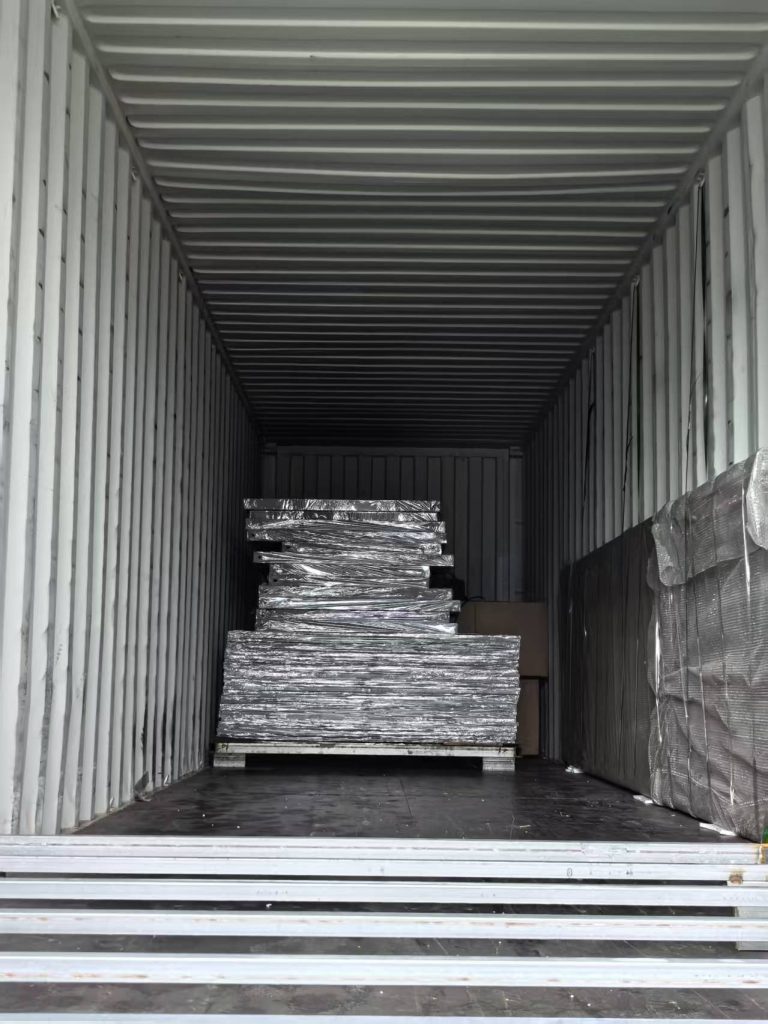
LCL shipping involves consolidating multiple shipments from different exporters into a single container. Once the container arrives at the destination port, it must be unpacked at a Container Freight Station (CFS) where each shipment is separated and delivered to the respective consignees.
Because of this process, LCL shipments usually involve several types of charges, including:
- Transporte marítimo
- Origin handling charges
- Consolidation fees
- Destination handling charges
- CFS deconsolidation fees
- Customs clearance fees
- Local delivery charges
While this structure is standard across the industry, problems arise when freight forwarders advertise very low ocean freight rates while shifting the cost to the destination side.
Why Some Freight Forwarders Offer Extremely Cheap Transporte marítimo
Due to intense competition in the logistics market, some freight forwarders try to attract customers by offering unusually low ocean freight rates for LCL shipments. While these rates may look attractive at first glance, they often come with significantly higher destination charges.
This pricing strategy works because many importers focus only on the initial ocean freight quotation, without fully understanding the total cost structure.
For example, a freight forwarder may quote:
- Ocean freight: extremely low price
- Destination charges: high handling fees, documentation fees, CFS fees, and delivery charges
As a result, the importer ends up paying much more when the cargo arrives at the destination port.
This practice can create confusion, unexpected expenses, and delays in cargo release.
The Real Cost of High Destination Charges
High destination charges can impact importers in several ways:
1. Unexpected Costs
When the destination fees are not clearly explained in advance, importers may face unexpected invoices before they can receive their goods.
2. Cargo Delays
If the consignee disputes the charges or needs additional time to arrange payment, cargo may remain at the warehouse, leading to storage fees.
3. Budget Planning Difficulties
Unclear cost structures make it difficult for businesses to calculate their true logistics expenses, which affects product pricing and profit margins.
For small businesses and new importers, these issues can significantly disrupt their supply chain operations.
How to Avoid High Destination Charges for LCL Shipments
To avoid these problems, importers should follow several best practices when choosing an LCL shipping solution.
1. Evaluate the Total Logistics Cost
Instead of focusing only on the ocean freight rate, it is important to review the complete cost breakdown, including both origin and destination charges.
Ask your freight forwarder to provide:
- A full quotation including all expected fees
- A clear explanation of gastos de destino
- Estimated local costs at the arrival port
A transparent quotation helps prevent unexpected expenses later in the process.
2. Balance Ocean Freight and Destination Charges
A professional freight forwarder understands that the goal is not simply to provide the lowest ocean freight price, but to offer the most cost-effective total shipping solution.
Sometimes slightly higher ocean freight can actually reduce the overall cost if destination fees are lower and more predictable.
Experienced logistics providers focus on balanced pricing structures, ensuring that importers receive fair costs across the entire transportation process.
3. Consider FCL When Cargo Volume Increases
If your cargo volume approaches the capacity of a full container, it may be more economical to switch from LCL to Carga de contenedor completo (FCL) shipping.
FCL shipments typically have:
- Lower destination handling complexity
- More predictable charges
- Faster cargo release at destination ports
For businesses with growing shipment volumes, FCL can significantly reduce overall logistics costs.
4. Work With an Experienced Freight Forwarder
The most effective way to avoid high destination charges is to work with a reliable and transparent freight forwarder who prioritizes long-term customer relationships over short-term pricing tactics.
A professional logistics partner will:
- Provide clear and transparent quotations
- Explain all origin and destination costs
- Offer optimized shipping solutions
- Coordinate efficiently with destination agents
This level of transparency helps importers avoid unpleasant surprises and maintain better control over their shipping expenses.
How BRF Logistics Helps Clients Avoid High Destination Charges
BRF Logistics has extensive experience managing LCL shipments from China to major destinations worldwide, including North America, Europe, Australia, and the Middle East.
Unlike some freight forwarders that focus only on extremely low ocean freight rates, BRF Logistics emphasizes transparent pricing and balanced cost structures. The company ensures that clients understand the full logistics cost before shipment begins.
Key advantages of working with BRF Logistics include:
Transparent Quotations
BRF Logistics provides detailed quotations that clearly outline both origin and destination charges, helping clients understand the complete shipping cost.
Strong Global Agent Network
Through reliable international partners, BRF Logistics ensures that destination handling is efficient, professional, and fairly priced.
Flexible Shipping Solutions
Depending on cargo volume and delivery timelines, BRF Logistics can recommend the most suitable option, whether LCL consolidation or FCL container shipping.
Professional Logistics Consultation
The team at BRF Logistics works closely with clients to optimize shipping plans, reduce unnecessary charges, and improve supply chain efficiency.
By focusing on transparency and long-term cooperation, BRF Logistics helps importers avoid common LCL shipping pitfalls and maintain stable logistics operations.
Reflexiones finales
LCL shipping is an excellent solution for businesses shipping smaller cargo volumes, but it is important to understand the full cost structure involved. Extremely cheap ocean freight rates may sometimes lead to high destination charges, resulting in unexpected expenses and operational delays.
To avoid these issues, importers should carefully evaluate the total shipping cost, balance ocean freight with destination charges, consider FCL when appropriate, and work with experienced freight forwarders.
With professional expertise, transparent pricing, and reliable global logistics support, BRF Logistics helps businesses ship their goods efficiently while avoiding hidden costs and unnecessary complications.
Choosing the right logistics partner can make a significant difference in managing international shipping successfully.