As the Lunar New Year approaches, the annual “pre-holiday port congestion” has returned with full force — and this year, the situation is even more intense.
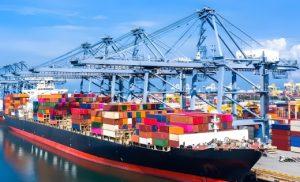
Since January 28, major South China ports including Yantian, Shekou, and Nansha have entered a state of extreme congestion. In one of the most striking incidents, 1,500 container return appointment slots at Yantian Port were fully booked within just one hour of release. Outside terminals, truck queues have stretched for kilometers, resembling peak holiday travel traffic.
Even more concerning, congestion at Nansha Port has reached critical levels. Several freight forwarders have officially announced the suspension of new warehouse delivery bookings via Nansha, citing severe delays and inability to guarantee schedules.
For exporters, cross-border sellers, and cargo owners, this is not just about difficulty securing return slots — it signals delivery delays, rising logistics costs, and the risk of missing the final pre-holiday shipping window.
Bei BRF Logistics, we are closely monitoring the situation and providing strategic guidance to help clients minimize disruption.

Multi-Port Pressure: South China Operating at Full Capacity
This is not a single-port issue. Multiple South China ports are simultaneously under strain, and control measures are escalating.
Yantian Port – Appointment Slots Vanish in Minutes
- 1,500 container return slots sold out in one hour.
- Truck congestion outside terminals has become routine.
- Late-arriving trucks are often unable to secure return appointments.
- Terminal productivity has declined due to overload pressure.
Shekou Port – Competitive Booking Environment
- Appointment booking speed directly determines shipping progress.
- Missed booking windows mean no container return slots available.
- Some cargo is being forced to remain in yards longer than planned.
Nansha Port – The Most Severe Case
Nansha’s congestion began escalating two weeks earlier and has now reached peak intensity.
Emergency control measures include:
- Heavy container return window reduced from ETA-7 days to ETA-5 days.
- Strict penalty system for drivers canceling container pickups:
- 1 cancellation: 3-day ban
- 2 cancellations: 7-day ban
- 3 cumulative company violations: entire fleet banned for 7 days
Despite these measures, yard density remains extremely high. External container storage is not only expensive but also fully saturated.
Several freight forwarders have suspended acceptance of new Nansha-bound shipments to avoid service disputes.
Why Is Congestion Severe Despite Weak Freight Rates?
Unlike previous years, this congestion is not driven by soaring freight rates. In fact, ocean rates have remained relatively soft, and blank sailings have increased.
So why the bottleneck?
The core reason is carrier overbooking combined with concentrated pre-holiday shipments.
Under normal conditions, carriers release space at around 1.2 times vessel capacity, anticipating cancellation buffers. However, this year, due to weaker-than-expected freight demand, some carriers released 40%–60% excess space on South China–US and South China–Europe routes.
At the same time:
- Factories are closing early for Lunar New Year.
- Exporters are rushing shipments before holiday shutdown.
- Cancellation rates dropped significantly.
As a result, cargo volumes surged simultaneously into ports, creating a “floodgate effect.”
Additionally, inspection rates have increased nationwide. Expanded manual inspections at South China ports have further slowed container handling efficiency.
Four Major Risks Affecting All Shippers
This congestion is no longer a minor fluctuation — it is affecting the entire export chain.
1. Comprehensive Transit Delays
Operations that previously required 1–2 days now require 3–5 days or more.
Delays impact:
- Vessel berthing schedules
- Container loading/unloading
- Pickup and return operations
Some cargo may miss intended sailings entirely, pushing departure to the next vessel cycle.
2. Rapidly Rising Costs
Increased expenses include:
- Higher trucking rates
- Urgent shipment surcharges
- Yard storage fees
- Late container return penalties
- Demurrage and detention charges
As containers remain longer in port, storage-related fees accumulate daily.
3. Stricter Order Acceptance by Forwarders
With terminal pressure increasing:
- Some forwarders are suspending new Nansha bookings.
- Others prioritize stable-volume or flexible-timeline clients.
- Small-volume urgent shipments face higher rejection risk.
4. Cargo Abandonment Risk
For low-value goods, additional port-related costs may exceed cargo value.
In extreme cases, cargo owners may be forced to abandon shipments, resulting in compounded losses.
How to Navigate the Final Pre-Holiday Shipping Window
With less than two weeks remaining before Lunar New Year — and effectively under one week of workable shipping time — strategic action is essential.
BRF Logistics recommends the following:
1. Secure Appointments and Confirm Vessel Schedules Early
- Lock container pickup and return slots as early as possible.
- Double-check vessel ETD and berth status before loading.
- Avoid cargo arriving without confirmed return appointments.
Proactive scheduling prevents unnecessary yard dwell time.
2. Consider Alternative Ports and Routes
If cargo is not extremely urgent:
- Evaluate diversion to other Pearl River Delta feeder ports.
- Reduce dependency on severely congested nodes.
For urgent shipments:
- Prioritize direct services to minimize transshipment delays.
BRF Logistics maintains flexible routing strategies across South China to optimize flow even during peak congestion.
3. Prepare Documentation and Pre-Clear Early
Ensure complete customs documents are ready:
- Handelsrechnung
- Packliste
- Export declaration forms
Submit advance declarations whenever possible to reduce inspection-related delays.
Documentation errors during congestion can compound waiting time significantly.
4. Rationally Evaluate Cost vs. Timing
For lower-value goods:
- Consider postponing shipment until after the holiday to avoid excessive port-related costs.
For high-value or time-sensitive cargo:
- Explore sea-air combined solutions or partial air freight uplift to protect delivery timelines.
Strategic flexibility often prevents larger financial impact.
5. Work with Resource-Strong Forwarders
During peak congestion, resource access matters more than price alone.
Choose partners who:
- Maintain long-term terminal relationships
- Have priority booking capabilities
- Offer real-time operational updates
- Can provide alternative routing options quickly
At BRF Logistics, our established port coordination channels allow us to secure appointment resources efficiently and provide contingency plans tailored to each client’s urgency level.
Strategic Outlook
February 3–10 is expected to be the peak shipping period before Lunar New Year. Congestion will likely persist until after the holiday, with gradual normalization expected post-festival.
The key during this period is not simply “rushing shipments,” but rather maintaining operational stability and rhythm.
BRF Logistics Advisory
Pre-holiday congestion has become an annual pattern, but this year’s combination of carrier overbooking and increased inspections has intensified pressure significantly.
BRF Logistics advises exporters and cross-border sellers to:
- Review all pending shipments immediately
- Prioritize cargo based on urgency and value
- Build buffer time into schedules
- Avoid last-minute operational decisions
In global trade, resilience is built through planning, flexibility, and strong logistics partnerships.
If your shipments are affected by South China port congestion, contact BRF Logistics for tailored routing and cost-control solutions.
BRF Logistics — Delivering Stability When It Matters Most.