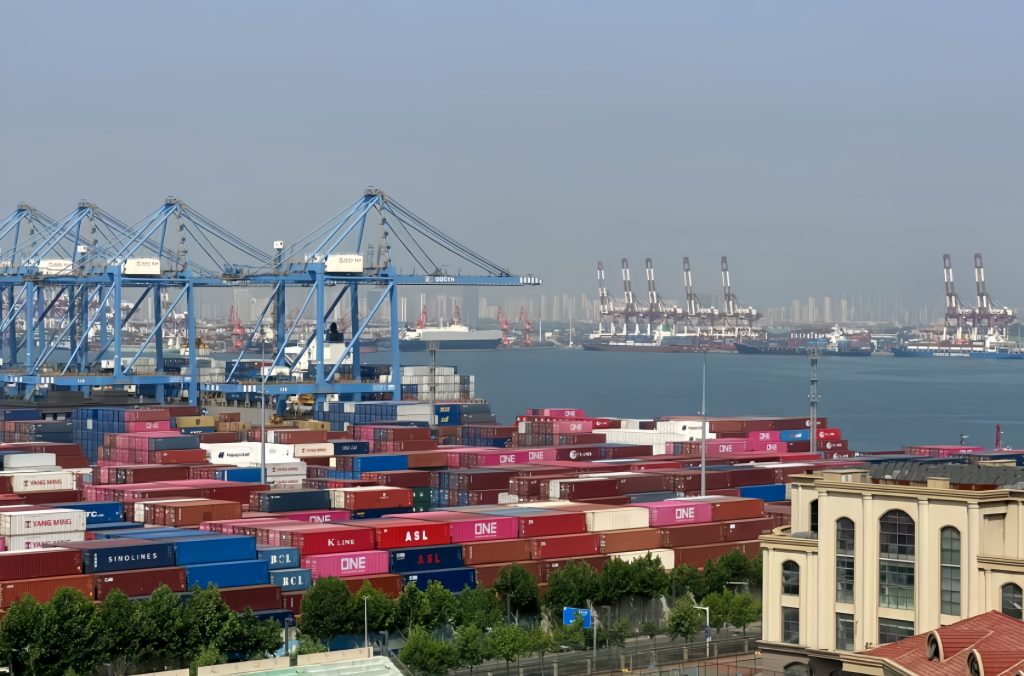
The latest data out of the ท่าเรือลอสแอนเจลิส, the U.S.’s largest maritime gateway, signals more than just a local slowdown—it highlights growing systemic pressure on the international freight forwarding industry.
Declining Throughput, Rising Complexity With a 19% month-over-month dip in cargo volume and a 9% drop in imports, freight forwarders face increased volatility in shipping schedules, route planning, and capacity management. Fewer vessel calls (17 canceled in May alone) and continued June disruptions forecast an unstable near-term landscape for cross-border logistics coordination
Disrupted Supply Chains, Delayed Deliveries สำหรับ international freight agents coordinating shipments into and out of the U.S., these developments demand tighter contingency planning. Clients are postponing bookings, adjusting cargo loads last-minute, or rerouting goods through alternate ports—creating additional cost layers and documentation burdens for forwarders.
Commercial Uncertainty, Contractual Risk
Tariff fluctuations are introducing uncertainty into freight contracts and rate agreements. Long-term service commitments between forwarders, carriers, and clients are being renegotiated, often with higher buffers or surcharge clauses to offset policy unpredictability.
Impact on Stakeholders Along the Chain
As the Port’s employment suffers (nearly 50% dockworker job losses), the cascading effect on warehouse operators, drayage providers, and third-party logistics partners can’t be ignored. Freight forwarders must navigate strained ground operations and limited labor availability, all while managing client expectations.
Cost Pressures and Margin Squeeze According to Yale’s Ernie Tedeschi, U.S. households could see an average purchasing power loss of $2,500 annually due to tariffs. For freight forwarders, that translates to downward pressure on demand, especially for high-volume consumer goods (e.g., electronics, apparel) that are typically sensitive to pricing and speed.
Strategic Adjustments Required To stay competitive, international forwarders must accelerate digital transformation (e.g., visibility tools, automated customs compliance) and diversify shipping routes (e.g., inland transport, Mexico/Canada ports). Advisory roles are becoming more crucial, as clients demand guidance on customs duties, tariff classifications, and trade agreements.