Ocean Freight China to USA: A Complete Step-by-Step Guide for Importers
Ocean freight remains the most cost-effective shipping method for cargo over 500 kilograms, with average transit times ranging from 30 to 40 days. Importers typically choose between การขนส่งตู้คอนเทนเนอร์เต็มตู้ (FCL) for large volumes or การขนส่งสินค้าแบบไม่เต็มตู้คอนเทนเนอร์ (LCL) for smaller shipments that share container space.
Your total ocean shipping cost is not just the base freight rate—it also includes fuel surcharges, customs duties, terminal handling charges, and port-related fees. Understanding the full ocean freight process helps businesses plan better, control costs, and avoid unnecessary delays.


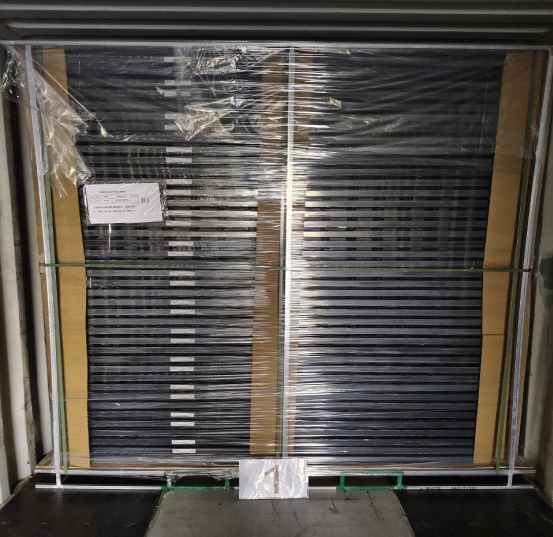
How Ocean Freight from China to the USA Works
The ocean freight journey begins at the supplier’s facility in China. Goods are transported to a warehouse near the port, where they are either loaded directly into a container or consolidated with other shipments.
- FCL shipments occupy an entire container and remain sealed until final delivery.
- LCL shipments share container space with cargo from other shippers and are consolidated at the origin port.
Once the container reaches the port terminal, it waits for its scheduled vessel departure. Most major China–USA routes operate on weekly sailing schedules.
After loading, the vessel departs across the Pacific Ocean. Transit times vary from 14 to 40 days, depending on destination port, service level, and route selection. West Coast ports generally receive cargo faster than East Coast ports.
Upon arrival at a U.S. port, containers are unloaded and transferred to customs for inspection and clearance. Once cleared, drayage trucks deliver the container to the importer’s warehouse or distribution center.
Key Players in Ocean Freight Shipping
Freight Forwarders
Freight forwarders act as the coordinator between shippers and ocean carriers. While they do not own vessels, they book space, handle documentation, arrange inland transportation, and manage customs clearance.
Forwarders often secure better freight rates by consolidating volumes across multiple clients. A reliable logistics partner like BRF Logistics also provides shipment tracking, issue resolution, and compliance support throughout the shipping process.
Ocean Carriers
Ocean carriers own and operate the vessels that transport containers across international waters. Major carriers on the China–USA route include MSC, COSCO, Evergreen, and Maersk. These companies determine sailing schedules, freight rates, and container availability.
Other Parties Involved
- Suppliers prepare cargo, packaging, and export documentation
- ตัวแทนศุลกากร manage export and import clearance
- Port terminals handle container loading and unloading
- Drayage companies move containers from ports to final destinations
FCL vs. LCL: Choosing the Right Ocean Freight Method
การขนส่งตู้คอนเทนเนอร์เต็มตู้ (FCL)
FCL shipping gives you exclusive use of a container. Cargo is loaded once and stays sealed until delivery.
- 20ft container: ~33 CBM, up to 28,000 lbs
- 40ft container: ~67 CBM, up to 58,000 lbs
FCL is typically recommended when shipments exceed 10–13 cubic meters. Current FCL rates from China to the USA generally range from:
- 20ft container: USD 2,200 – 4,500
- 40ft container: USD 2,800 – 5,800
Benefits of FCL include faster transit times, reduced handling, and lower damage risk. Door-to-door delivery usually takes 25–35 days.
Less Than Container Load (LCL)
LCL shipping allows smaller shipments to share container space. Pricing is based on volume.
- LCL rates: USD 120 – 200 per CBM
- Destination charges: USD 50 – 90 per CBM
LCL shipments take longer due to consolidation and deconsolidation at both origin and destination ports. Total delivery time averages 35–45 days, extending to 45–55 days during peak season.
While LCL is cost-effective for small volumes, increased handling slightly raises the risk of damage.
FCL or LCL: Which One Should You Choose?
Choose FCL if:
- Your shipment exceeds 10–13 CBM
- Speed matters
- Cargo is fragile or high-value
- You want minimal handling
Choose LCL if:
- Your shipment is under 10 CBM
- You are shipping small or trial quantities
- You can tolerate longer delivery times
Major การขนส่งทางทะเล Routes and U.S. Ports
North Pacific Route (Fastest Option)
This primary route connects Chinese ports such as QingDao,Shanghai, Ningbo, Shenzhen, Yantian, and Hong Kong to U.S. West Coast ports.
- Transit time: 14–20 days
- Distance: ~6,500 nautical miles
- Most cost-effective option
Ports of Los Angeles & Long Beach
Together, these ports handle nearly 40% of all U.S. container imports. Benefits include:
- Extensive rail connections
- Advanced cargo handling facilities
- Large nearby warehousing hubs
East Coast Routes via the Panama Canal
Cargo bound for ports such as New York, Savannah, Charleston, and Norfolk travels through the Panama Canal.
- Additional transit time: +10–14 days
- Higher freight costs
- Lower inland transportation expenses for East Coast deliveries
Ocean Freight Costs and Surcharges
Ocean freight rates fluctuate based on container size, route, season, and demand.
- 20ft container (West Coast): USD 2,000 – 4,000
- 40ft container: USD 3,000 – 5,000
- East Coast routes: USD 1,000 – 2,000 higher
Additional charges include:
- BAF (fuel surcharge)
- CAF (currency adjustment)
- Peak Season Surcharge (USD 500–2,000 per container)
- General Rate Increases (GRI)
Terminal handling charges typically range from:
- China ports: USD 150 – 300
- U.S. ports: USD 400 – 600
Drayage costs add USD 200 – 800, depending on distance and congestion.
Transit Times and Factors Affecting Delivery
Average ocean freight transit times:
- West Coast: 15–21 days
- ชายฝั่งตะวันออก: 25–35 days
Delays may result from:
- ความแออัดที่ท่าเรือ
- Peak season demand
- Typhoons and winter storms
- การตรวจสอบของศุลกากร
FCL shipments usually move faster than LCL due to fewer handling steps.
Essential Documents for Ocean Freight China to USA
Key paperwork includes:
- ใบส่งสินค้า
- ใบแจ้งราคาการค้า
- รายการสิ่งของที่ต้องนำติดตัว
- รหัส HS
- Importer Security Filing (ISF 10+2)
ISF must be filed 24 hours before vessel loading. Missing the deadline can result in penalties of up to USD 5,000.
A licensed customs broker ensures compliance and speeds up clearance, which usually takes 1–3 วัน if documents are accurate.
Ocean Freight vs. Air and Express Shipping
| วิธีส่งสินค้า | Cost | เวลาขนส่ง |
|---|---|---|
| การขนส่งทางทะเล | Lowest | 15–45 days |
| การขนส่งทางอากาศ | Medium | 7–10 days |
| Express | Highest | 3–7 วัน |
ค่าขนส่งทางทะเล 4–6 times less than air freight, making it ideal for heavy, non-urgent cargo.
Best Practices for Packing Ocean Freight Cargo
- Use wooden pallets to prevent moisture exposure
- Wrap cargo with stretch film
- Choose double-wall cartons
- Secure items with straps and blocking
- Add desiccants to control humidity
- Distribute weight evenly
- Label all packages clearly
Proper packing reduces damage risk during long sea journeys.
ข้อคิดสุดท้าย
Ocean freight China to USA remains the most economical solution for large-volume international shipping. By choosing the right shipping method, understanding cost structures, and working with an experienced partner like BRF Logistics, importers can optimize transit times, reduce risks, and control logistics expenses.