A Complete Guide for Safe and Compliant Global Shipping
By BRF Logistics
บทนำ
In today’s global supply chain, the transportation of dangerous goods (DG) plays a critical role in supporting industries such as chemicals, pharmaceuticals, energy, manufacturing, automotive, electronics, and mining. However, shipping hazardous materials requires far more than simply moving cargo from one location to another. It demands strict regulatory compliance, specialized handling, proper documentation, and experienced logistics professionals.
ที่ BRF Logistics, we provide comprehensive dangerous goods freight forwarding solutions designed to ensure safe, compliant, and cost-effective transportation across international markets. Whether by sea, air, rail, or road, our experienced team helps businesses navigate complex regulations while minimizing risk and avoiding costly delays.
What Are Dangerous Goods?
Dangerous goods are substances or materials capable of posing risks to health, safety, property, or the environment during transportation.
According to international regulations, dangerous goods are classified into nine major categories:
Class 1: Explosives
ตัวอย่าง:
- Fireworks
- Ammunition
- Industrial explosives
Class 2: Gases
ตัวอย่าง:
- Compressed oxygen
- Propane
- Refrigerants
Class 3: Flammable Liquids
ตัวอย่าง:
- Paints
- Alcohols
- Fuel products
Class 4: Flammable Solids
ตัวอย่าง:
- Matches
- Sulfur
- Certain metal powders
Class 5: Oxidizing Substances
ตัวอย่าง:
- Hydrogen peroxide
- Nitrates
Class 6: Toxic and Infectious Substances
ตัวอย่าง:
- Pesticides
- Medical samples
Class 7: Radioactive Materials
ตัวอย่าง:
- Medical isotopes
- Industrial radioactive sources
Class 8: Corrosive Substances
ตัวอย่าง:
- Acids
- Alkalis
- Battery fluids
Class 9: Miscellaneous Dangerous Goods
ตัวอย่าง:
- แบตเตอรี่ลิเธียม
- Dry ice
- Magnetized materials
Understanding the correct classification is the foundation of safe and compliant transportation.
Why Dangerous Goods Shipping Requires Specialized Freight Forwarders
Many carriers refuse improperly declared hazardous cargo. Even minor documentation errors can result in:
- การกักเก็บสินค้า
- Heavy fines
- Shipment rejection
- ความล่าช้าในการผ่านศุลกากร
- Safety incidents
- Legal liabilities
Professional dangerous goods freight forwarders provide:
Regulatory Expertise
International dangerous goods regulations are constantly evolving.
Key regulations include:
- IMDG Code for ocean freight
- IATA Dangerous Goods Regulations for air freight
- ADR for European road transport
- RID for rail transport
- National customs and transport requirements
BRF Logistics continuously monitors regulatory updates to ensure every shipment remains compliant.
Proper Documentation
Dangerous goods shipments require accurate paperwork, including:
- Dangerous Goods Declaration (DGD)
- Material Safety Data Sheet (MSDS)
- Packing Certificates
- เอกสารการขนส่ง
- Emergency Contact Information
Incorrect paperwork is among the leading causes of shipping delays.
Packaging Compliance
Hazardous cargo must be packed according to UN-approved packaging standards.
This includes:
- Performance-tested packaging
- Appropriate labels
- Hazard markings
- Segregation requirements
- Inner and outer packaging specifications
การขนส่งทางทะเล Solutions for Dangerous Goods
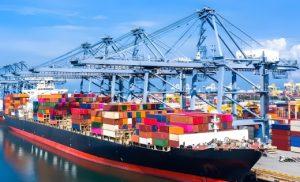
Sea freight remains the most economical option for transporting large volumes of dangerous goods internationally.
BRF Logistics offers:
FCL Dangerous Goods Shipping
Full Container Load services provide:
- Enhanced cargo security
- ลดความเสี่ยงในการจัดการ
- Better segregation control
- Lower damage probability
Suitable for:
- สารเคมี
- ผลิตภัณฑ์อุตสาหกรรม
- Battery shipments
- Bulk hazardous materials
LCL Dangerous Goods Shipping
Less-than-Container Load options allow smaller DG shipments to move cost-effectively.
Benefits include:
- Lower shipping costs
- Flexible shipment volumes
- Consolidated logistics solutions
Port-to-Port and จากบ้านถึงบ้าน Services
Our team coordinates:
- Export declarations
- Dangerous goods inspections
- การผ่านพิธีการศุลกากร
- Inland transportation
- การส่งมอบครั้งสุดท้าย
Air Freight for Dangerous Goods
Certain hazardous products require rapid transportation.
Air freight offers:
- เวลาขนส่งที่รวดเร็ว
- Global connectivity
- Improved inventory management
- Emergency shipment capability
However, air transport regulations are significantly stricter than ocean freight.
Many dangerous goods require:
- Special airline approval
- Restricted quantities
- Enhanced packaging
- Advanced documentation
BRF Logistics works closely with approved carriers to secure space for compliant DG shipments worldwide.
Lithium Battery Shipping Expertise
Lithium batteries have become one of the fastest-growing categories of dangerous goods.
Products include:
- อุปกรณ์อิเล็กทรอนิกส์สำหรับผู้บริโภค
- Electric vehicles
- Energy storage systems
- อุปกรณ์ทางการแพทย์
Shipping lithium batteries presents unique challenges due to fire risks.
Our specialists assist with:
- UN38.3 compliance verification
- Battery testing reports
- Packaging review
- Labeling requirements
- Carrier approvals
This helps customers avoid costly shipment rejections.
Common Industries That Require Dangerous Goods Logistics
Chemical Industry
Transportation of:
- Solvents
- Resins
- Industrial chemicals
- Laboratory materials
Automotive Industry
Transportation of:
- แบตเตอรี่
- Paints
- Fuel additives
Pharmaceutical Industry
Transportation of:
- Medical gases
- Biological substances
- Diagnostic samples
Electronics Industry
Transportation of:
- แบตเตอรี่ลิเธียม
- Electronic components
- Power systems
Energy Sector
Transportation of:
- Oilfield chemicals
- Industrial gases
- Renewable energy storage products
Risk Management in Dangerous Goods Transportation
Safety is the highest priority in hazardous cargo logistics.
BRF Logistics implements:
Shipment Assessment
Before booking, our experts evaluate:
- Product classification
- Packaging suitability
- Carrier acceptance criteria
- Route restrictions
Emergency Response Planning
Preparedness includes:
- Emergency contact protocols
- Incident response procedures
- Regulatory reporting support
Continuous Monitoring
We monitor shipments throughout transit to identify potential disruptions and maintain visibility.
Why Choose BRF Logistics for Dangerous Goods Freight Forwarding?
Businesses choose BRF Logistics because of our:
Industry Experience
Our team has extensive expertise managing hazardous cargo across multiple transportation modes.
Global Network
We cooperate with trusted carriers, agents, and customs partners worldwide.
Compliance Focus
We prioritize safety, regulatory compliance, and risk mitigation.
Customized Solutions
Every dangerous goods shipment receives tailored planning based on cargo characteristics and destination requirements.
Competitive Pricing
Our strong carrier relationships help customers secure reliable capacity at competitive rates.
สรุป
Dangerous goods shipping requires specialized knowledge, precise execution, and strict compliance with international regulations. Whether transporting chemicals, lithium batteries, industrial materials, or regulated products, partnering with an experienced freight forwarder is essential for protecting your cargo, your business, and your customers.
At BRF Logistics, we combine industry expertise, global logistics resources, and compliance-driven processes to provide safe and efficient dangerous goods freight forwarding solutions worldwide.
Contact BRF Logistics today to discuss your hazardous cargo transportation needs and discover how our team can help simplify complex dangerous goods logistics.