In the ever-expanding world of global trade, understanding the major trade routes is crucial for businesses involved in international shipping. Trade routes are the paths through which goods are transported by sea, air, rail, and road, and they play a vital role in connecting markets around the world. This guide will help you understand the importance of trade routes, how they impact shipping costs, and how to navigate them for optimal business performance.
1. What Are Trade Routes?
Trade routes are the pathways used by shipping vessels, aircraft, or trucks to transport goods from one location to another. These routes can be maritime, air, or land-based, and they link major economic regions globally. The efficient movement of goods across these routes is vital for international commerce.
Types of Trade Routes:
Sea Routes: The most commonly used for bulk goods and large shipments, connecting ports across continents.
Air Routes: Used for fast and high-value shipments, often covering shorter distances between countries.
Land Routes: Primarily used for regional trade, especially for neighboring countries, and can involve road and rail transport.
2.Types of Trade Routes
Land Routes
It deals with the transportation of goods by roads or highways. They are helpful if you’re transporting products where sea or air routes are not possible. These include:
- Trans-Siberian Highway that connects Europe and Asia.
- Pan-American Highway that goes all the way from Alaska down to Argentina.
Sea Routes
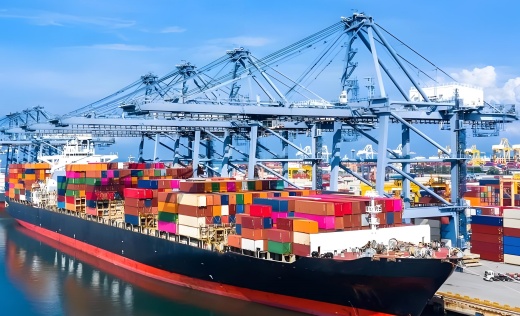
It mainly utilizes the ocean and sea for transportation of goods through ships. These routes are cost-effective for large size cargo, making it the great for international trade.These include:
- Suez Canal which reduces time to transport goods between Europe and Asia.
- Panama Canal which is helpful in shipping particularly between the Americas and Asia.
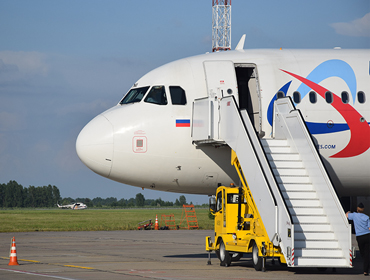
Air Routes
Air routes involve transportation of goods through aircraft that is helpful in the quick delivery of goods of high value or urgency. These include:
- Hong Kong to Los Angeles Flights that go over the Pacific for time-sensitive goods.
- Singapore to London Flights that offers fast connections between Asia and Europe.
Rail Routes
Rail routes use trains to move goods by land. They are effective in the transportation of bulky volumes of cargo over long distances. They include:
- Trans-Siberian Railway that connects Moscow to Vladivostok which gives you an efficient way of moving cargo between Europe and Asia.
- China-Europe Railway Express that provides an overland transport solution from China to Europe without using any sea route.
3. Key Trade Routes Across the Globe
Some of the world’s most important trade routes include:
The Silk Road (Asia to Europe): A historic land and maritime route connecting China with Europe, facilitating the exchange of goods like silk, spices, and tea. Today, this route continues to play a role in the modern Belt and Road Initiative.
The Panama Canal (Atlantic to Pacific): This maritime route is a shortcut for ships traveling between the Atlantic and Pacific Oceans. It drastically reduces the travel time for vessels compared to navigating around the southern tip of South America.
The Suez Canal (Europe to Asia): A major sea route that connects the Mediterranean Sea with the Red Sea, allowing ships to bypass the long journey around Africa. It’s a critical route for oil and container shipping.
Trans-Pacific Routes (Asia to North America): Connecting East Asia with the United States, this route is one of the busiest and most important for containerized cargo, especially for consumer goods and electronics.
The North Sea Route (Europe to Asia): Emerging as a viable alternative to traditional maritime routes, this route connects Europe and Asia through Arctic waters, reducing shipping times significantly.
4. How Trade Routes Impact Global Shipping
The choice of trade route affects various factors in global shipping, including:
Shipping Costs: Longer routes typically result in higher shipping costs due to fuel, labor, and port fees. Routes that use the Panama or Suez Canals often reduce travel time and costs compared to other options.
Delivery Speed: Air routes are much faster than sea routes, making them ideal for time-sensitive or high-value goods. However, air freight is significantly more expensive.
Port Accessibility: The efficiency of trade routes depends heavily on the accessibility and infrastructure of the ports involved. Ports like Shanghai, Singapore, and Rotterdam are key hubs on global trade routes due to their advanced facilities and strategic locations.
Political and Environmental Factors: Trade routes are also affected by geopolitical tensions, international sanctions, and environmental concerns. For example, disruptions in the Suez Canal can cause significant delays, while the development of green technologies is shaping the future of shipping routes.
5. Choosing the Right Trade Route for Your Business
Selecting the right trade route for your business depends on several factors, such as the type of goods being shipped, the destination, and cost considerations. Here’s how to make the best decision:
For Bulk Commodities: Sea routes are generally the most cost-effective for bulk goods like oil, grain, and industrial products. Sea freight also allows for larger volumes, reducing costs per unit.
For High-Value, Time-Sensitive Goods: Air freight is ideal for electronics, pharmaceuticals, or perishable goods. Though expensive, it ensures fast delivery and minimizes the risk of damage or spoilage.
For Regional Trade: If you’re shipping within a specific region, such as between Europe and North America, road and rail transport may be the most efficient and cost-effective choice.
6. The Future of Trade Routes
As global trade continues to evolve, so do the major trade routes. Innovations in shipping technology, such as automation, drone deliveries, and blockchain, are revolutionizing logistics. Additionally, trade routes are becoming more sustainable, with a focus on reducing emissions and improving energy efficiency. The future of trade routes will likely see more digitalization, greener shipping practices, and new routes opening as geopolitical shifts continue.
Conclusion: Navigating Trade Routes for Better Shipping
Understanding the key trade routes around the world is essential for any business involved in international shipping. By knowing the strengths and weaknesses of different routes, you can make informed decisions about how to optimize your logistics, reduce costs, and meet delivery deadlines. Whether you’re using sea, air, or land routes, choosing the right one for your shipments will streamline your operations and give you a competitive edge in the global market.