When managing logistics, warehousing, or container operations, the terms internal yard e external yard are often used. While they may sound similar, each serves a distinct role in supply chain management. Understanding the difference is crucial for importers, exporters, and freight forwarders to make the most cost-effective and efficient decisions.
What Is an Internal Yard?
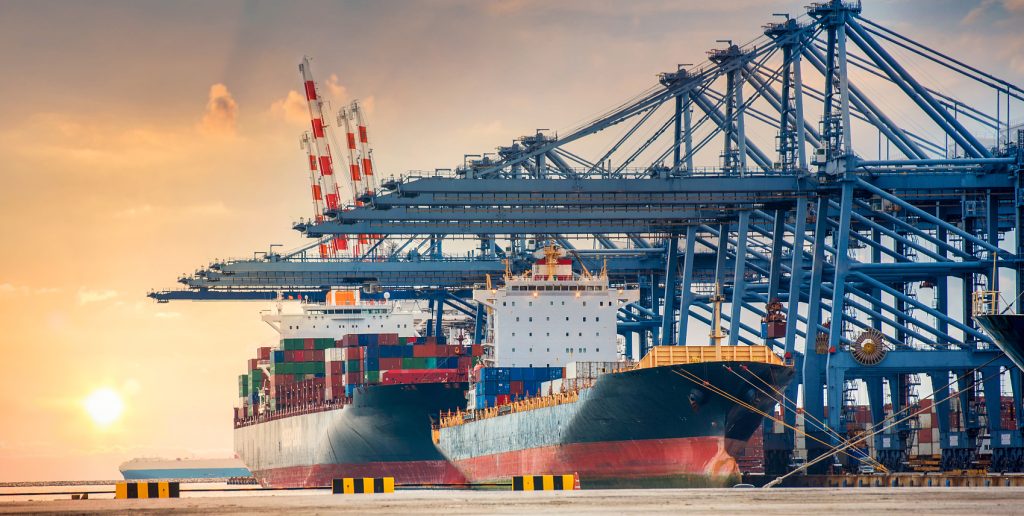
Un internal yard refers to the storage and handling area located inside the port or terminal premises. This space is managed directly by the port authority or terminal operator.
Key Features of Internal Yards:
Proximity to the terminal: Containers are kept close to the vessel loading/unloading area.
Fast movement: Reduced transfer times between yard and quay.
Security: Higher levels of monitoring and port-controlled access.
Higher costs: Port storage charges and demurrage fees can quickly accumulate.
When to Use an Internal Yard:
Short-term storage for containers awaiting quick transfer.
Shipments with tight cut-off times.
Cargo requiring enhanced security inside port boundaries.
What Is an External Yard?
Un external yard is a container storage and handling facility located outside the port area, usually managed by logistics companies or container freight stations (CFS).
Key Features of External Yards:
Lower storage costs: Yard fees are often cheaper than port storage charges.
Flexibility: Suitable for long-term storage and cargo consolidation.
Additional services: Many external yards offer container repair, cleaning, and customs clearance support.
Distance factor: Additional drayage/trucking is required to move containers between the port and the external yard.
When to Use an External Yard:
To avoid high demurrage charges at the port.
For shipments needing extended storage before delivery.
For businesses that require value-added services like labeling, palletizing, or customs inspection.
Internal Yard vs External Yard: A Quick Comparison
| Fattore | Internal Yard | External Yard |
|---|---|---|
| Ubicazione | Inside port/terminal | Outside port area |
| Costo | Higher (demurrage, port charges) | Lower (yard fees, more flexibility) |
| Accessibilità | Direct link to vessels | Requires trucking from/to port |
| Storage Duration | Short-term | Short-term and long-term |
| Services | Limited, mostly storage & transfer | Broader (repair, cleaning, customs) |
| Security | High, port-controlled | Varies by facility |
Main Functions of the Inner Yard and the Outer Yard
Functions of the Inner Yard (Internal Yard):
Temporary Storage: Holds containers within the port area for short durations before loading or after unloading.
Fast Vessel Connection: Ensures containers are quickly transferred between ship and storage area.
Security Control: Maintains strict monitoring and restricted access under port authority supervision.
Operational Efficiency: Supports smooth loading/unloading by keeping containers close to the quay.
Functions of the Outer Yard (External Yard):
Extended Storage: Provides cost-effective space for containers needing longer storage outside the port.
Customs Clearance & Inspection: Many external yards act as container freight stations (CFS) with customs services.
Value-Added Services: Includes container cleaning, repair, labeling, palletizing, and consolidation.
Demurrage Cost Reduction: Helps shippers avoid expensive port storage fees by moving containers out of the terminal.
Perché è importante comprendere la differenza
Choosing between internal and external yards can directly impact logistics costs, delivery timelines, and supply chain efficiency. Importers who plan ahead can save significantly by moving containers to external yards before demurrage starts, while exporters may rely on internal yards for faster vessel connections.
Working with an experienced freight forwarder ensures you select the right option for your cargo, balancing cost, speed, and security.
FAQ – Internal Yard vs External Yard
1. Which is cheaper, an internal yard or an external yard?
External yards are generally more cost-effective, especially for long-term storage, as internal yards inside ports charge higher demurrage and storage fees.
2. Can customs clearance be done at an external yard?
Yes, many external yards (such as container freight stations) offer customs clearance and inspection services.
3. When should I keep my containers in an internal yard?
Internal yards are best for short-term storage, urgent shipments, or cargo requiring immediate loading/unloading at the port.
4. What is the main risk of using an external yard?
The main challenge is the additional transport required between the yard and the port, which may add costs and time if not managed properly.