Rising Demand, Infrastructure Expansion, and Opportunities for Global Shippers
The cold chain logistics industry in Vietnam is entering a new stage of rapid growth in 2026. Driven by increasing exports of seafood, fruits, pharmaceuticals, and frozen foods, Vietnam has become one of Southeast Asia’s most important emerging cold chain markets. As global supply chains continue to prioritize food safety, temperature control, and faster delivery times, Vietnam’s refrigerated logistics sector is expanding quickly to meet international demand.
For importers, exporters, and logistics providers, understanding the latest cold chain developments in Vietnam is essential for maintaining product quality and improving supply chain efficiency.
Vietnam’s Cold Chain Market Continues to Expand
Vietnam’s economy has experienced strong growth in agriculture, seafood processing, and pharmaceutical imports over the past few years. This expansion has created significant demand for refrigerated warehousing and temperature-controlled transportation.
The country is now investing heavily in:
- Modern refrigerated warehouses
- Temperature-controlled trucking fleets
- Port cold storage facilities
- Pharmaceutical cold chain systems
- Cross-border refrigerated transportation
Major logistics hubs such as Ho Chi Minh City, Hanoi, Hai Phong, and Da Nang are becoming key centers for cold chain distribution across Southeast Asia.
With growing international trade agreements and stronger export volumes, Vietnam is increasingly positioning itself as a regional cold chain logistics hub.
Seafood Exports Drive Refrigerated Shipping Demand
Vietnam remains one of the world’s leading exporters of seafood products including shrimp, tuna, pangasius fish, and squid. Maintaining strict temperature control during transportation is critical for preserving product freshness and meeting international import regulations.
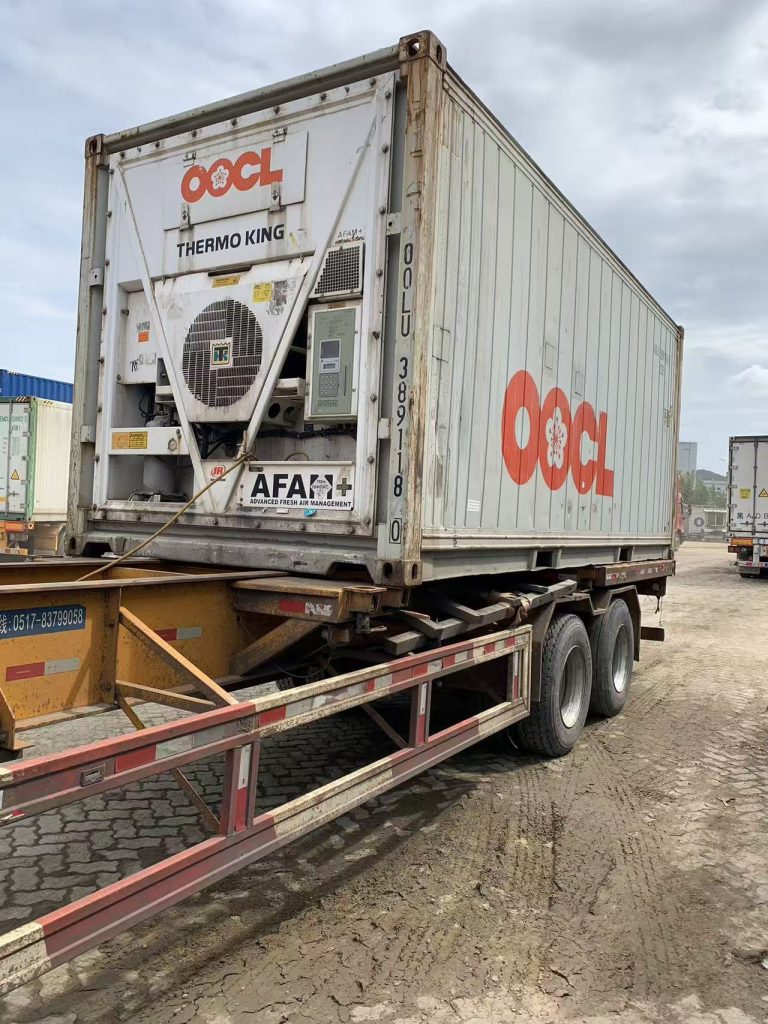
The United States, Europe, Japan, South Korea, and China continue to be major destinations for Vietnamese frozen seafood exports. As a result, demand for refrigerated containers (reefer containers) has increased significantly in 2026.
Exporters now require:
- Stable frozen temperatures throughout transit
- Fast port handling operations
- Reliable reefer monitoring systems
- Reduced transit delays
- Assistance professionnelle en matière de dédouanement
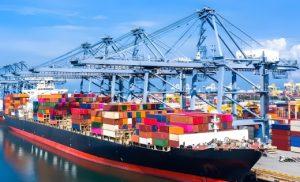
Shipping companies and freight forwarders are investing in advanced reefer container technology to ensure cargo integrity during long-distance ocean transportation.
Growth of Vietnam’s Fresh Fruit Export Industry
Vietnam’s fruit export sector is also contributing to cold chain growth. Products such as dragon fruit, durian, mango, lychee, and bananas require precise temperature management during storage and transportation.
China remains Vietnam’s largest fruit export market, while demand from Europe and the Middle East is also increasing. To support this growth, logistics providers are improving refrigerated trucking networks and expanding cold warehouse capacity near farming regions and export ports.
Temperature-sensitive agricultural cargo requires:
- Pre-cooling services
- Controlled humidity storage
- Fast customs processing
- Reliable refrigerated transportation
- Continuous temperature monitoring
Cold chain failures can quickly lead to cargo spoilage, financial losses, and rejected shipments. Therefore, professional logistics coordination has become increasingly important.
Pharmaceutical Cold Chain Requirements Increase
Vietnam’s healthcare sector is another major contributor to cold chain logistics expansion. Imported vaccines, medicines, and medical products often require strict temperature-controlled transportation between 2°C and 8°C.
As pharmaceutical imports rise, cold chain providers are upgrading their compliance standards and monitoring systems. Specialized pharmaceutical warehousing and last-mile refrigerated delivery services are becoming more common throughout Vietnam.
Key pharmaceutical cold chain requirements include:
- GDP-compliant transportation
- Real-time temperature tracking
- Emergency backup systems
- Fast airport handling
- Secure refrigerated storage
This trend is expected to continue as Vietnam strengthens its healthcare infrastructure and pharmaceutical distribution network.
Infrastructure Challenges Still Exist
Despite strong market growth, Vietnam’s cold chain sector still faces several operational challenges.
Some common issues include:
- Limited cold storage capacity in rural regions
- High electricity and operating costs
- Port congestion during peak seasons
- Inconsistent transportation infrastructure
- Reefer equipment shortages during export surges
Many smaller logistics providers are still operating with outdated refrigeration technology, which can affect shipment reliability.
However, international investment and government infrastructure projects are helping improve the situation. New logistics parks, port expansions, and transportation upgrades are expected to support long-term cold chain development.
Technology Is Improving Cold Chain Visibility
Digitalization is becoming increasingly important in Vietnam’s refrigerated logistics sector. Companies are now adopting smart monitoring technologies to improve cargo visibility and reduce transportation risks.
Popular cold chain technologies include:
- GPS reefer tracking
- IoT temperature sensors
- Real-time cargo monitoring platforms
- Automated warehouse systems
- Digital shipment documentation
These technologies help shippers monitor cargo conditions throughout the entire transportation process, improving transparency and reducing losses caused by temperature deviations.
Opportunities for International Logistics Providers
Vietnam’s growing cold chain market presents strong opportunities for global freight forwarders and logistics companies. Businesses that can provide stable refrigerated transportation, customs expertise, and efficient supply chain management are likely to benefit from the market’s continued expansion.
Professional cold chain logistics services are especially important for:
- Seafood exporters
- Agricultural producers
- Frozen food suppliers
- Pharmaceutical companies
- Cross-border e-commerce businesses
As demand for temperature-controlled logistics continues to rise, reliable freight partners will play a critical role in supporting Vietnam’s international trade growth.
How BRF LOGISTICS Supports Vietnam Cold Chain Shipping
À BRF LOGISTICS, we provide professional temperature-controlled logistics solutions for global customers shipping to and from Vietnam.
Nos services comprennent :
- Reefer container ocean freight
- Temperature-controlled trucking
- Cold chain warehousing coordination
- Import and export customs clearance
- Cross-border refrigerated logistics
- Pharmaceutical and food-grade cargo handling
We work closely with carriers, ports, and local partners to ensure reliable cold chain transportation while protecting cargo quality throughout the supply chain.
Conclusion
Vietnam’s cold chain logistics market is experiencing rapid transformation in 2026. Growing exports, expanding pharmaceutical demand, and increasing investment in infrastructure are driving the development of more advanced refrigerated logistics solutions across the country.
Although challenges such as infrastructure limitations and equipment shortages still exist, Vietnam’s long-term cold chain growth potential remains extremely strong. Businesses that invest in reliable temperature-controlled transportation and modern logistics technology will be well positioned to succeed in this fast-growing market.
For international shippers, choosing an experienced logistics partner is essential for maintaining cargo quality, meeting compliance requirements, and ensuring smooth global distribution.