Key Considerations For Importing Building Materials From China To Australia
Australia’s construction industry relies heavily on imported materials such as tiles, stone, steel, timber, insulation boards, and glass. Many of these products are sourced from China due to competitive pricing and diverse supply options. However, importing building materials into Australia is more complex than general consumer goods, because of strict compliance, safety, and biosecurity regulations.
This guide highlights the main considerations importers should be aware of when sourcing construction materials from China to Australia.
1. Compliance with Australian Standards
Building materials must meet the Australian Standards (AS/NZS) et le National Construction Code (NCC). For example:
Cement and concrete products must comply with AS 3972.
Timber products must meet fire resistance and pest treatment standards.
Insulation boards, fireproof panels, and cladding require certification for fire safety and environmental performance.
Importers should request test reports, compliance certificates, and product specifications from suppliers to ensure materials can legally be used in Australian construction projects.
2. Biosecurity and Quarantine Regulations
Australia has some of the world’s strictest biosecurity laws to prevent pests, diseases, and contaminants from entering the country. For building materials, this is especially critical in categories such as:
Timber, plywood, and bamboo – must be fumigated and certified pest-free.
Stone and tiles – must be free of soil, organic matter, and contamination.
Used machinery and equipment – subject to strict quarantine inspection.
The Department of Agriculture, Fisheries and Forestry (DAFF) often conducts cargo inspections for construction materials. Proper packaging and certified treatment can reduce delays at ports.
3. Import Documentation Requirements
Accurate documentation is essential for smooth customs clearance. Typical documents include:
Facture commerciale
Liste des affaires à emporter
Connaissement (B/L) or Air Waybill
HS Code classification
Certificates of Conformity or Test Reports for safety compliance
Fumigation Certificate (for timber products)
Certificat d'origine if preferential duty applies
Errors or missing paperwork can trigger customs inspections, additional costs, or shipment delays.
4. Customs Duties, GST, and Costs
Importers must factor in import duties, GST, and other local charges:
Droits de douane vary depending on the HS code of the product.
10% GST applies to most imported building materials.
Port handling, quarantine inspection, and storage fees may add extra costs.
Using a licensed customs broker helps ensure correct duty calculation and timely payment.
5. Choosing the Right Shipping Method
Shipping method depends on the type and volume of building materials:
Fret maritime (FCL) – Best for bulk shipments such as tiles, steel, or large boards.
Sea Freight (LCL) – Suitable for smaller loads but subject to higher handling risks.
Fret aérien – Rare for building materials due to high cost, but possible for urgent lightweight products.
Transit time from China to Australia by sea typically ranges from 18 to 30 days, depending on the port of origin and destination.
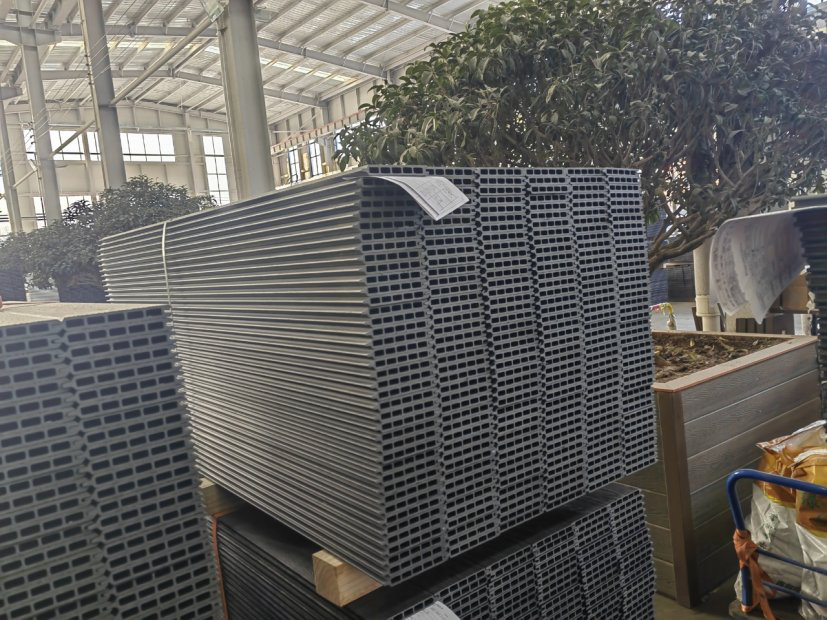

6. Quality Assurance and Supplier Reliability
Defective or non-compliant building materials can cause major delays and financial loss. Importers should:
Conduct factory audits or use third-party inspection services.
Demande product samples and compliance certificates.
Establish clear contracts covering product specifications and quality guarantees.
A reliable Chinese supplier and a trustworthy Australian freight forwarder can significantly reduce risks.
7. Insurance and Risk Management
Building materials are often heavy, fragile, and high-value, making them prone to damage during shipping. Importers should consider:
Marine cargo insurance to protect against loss or damage.
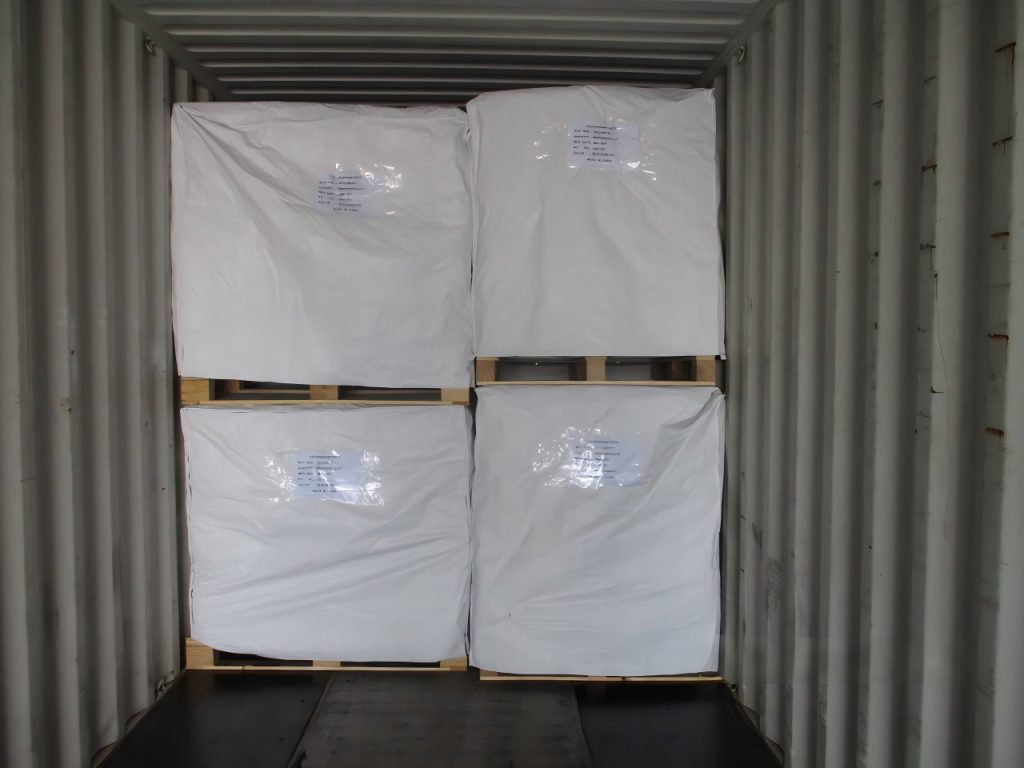
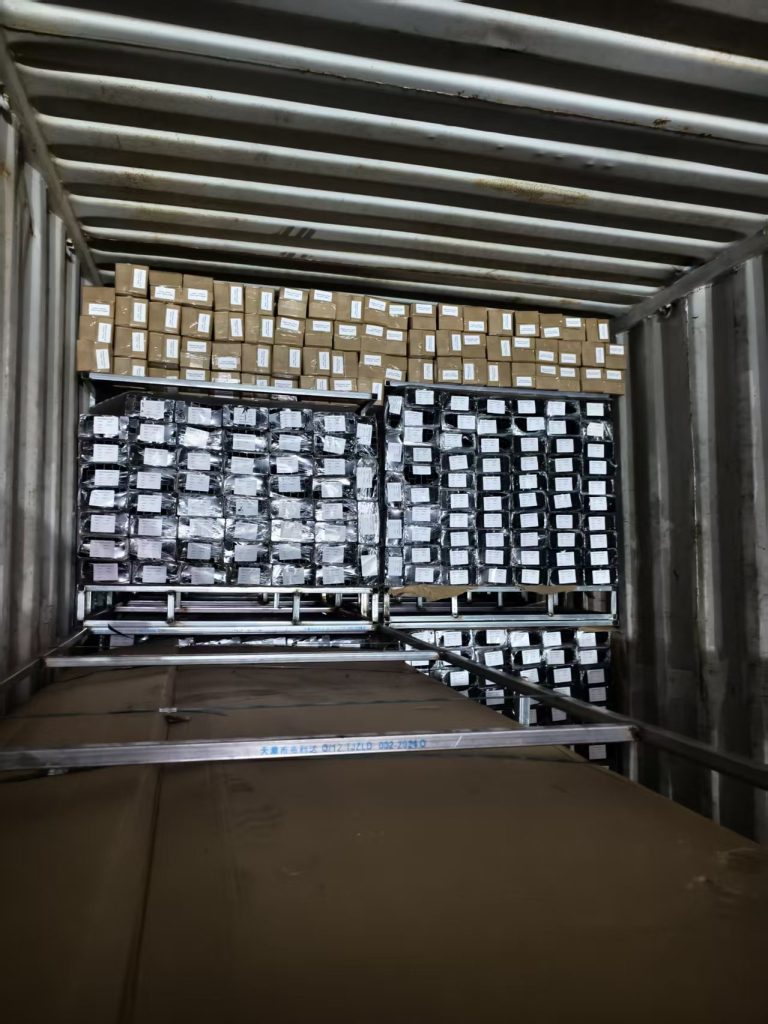
Proper packaging and palletizing to prevent breakage.
Risk-based planning for potential customs inspections and storage delays.
Importing building materials from China to Australia offers cost advantages, but it comes with stricter compliance requirements compared to general consumer goods. By focusing on standards certification, biosecurity regulations, accurate documentation, and reliable logistics partners, importers can avoid costly mistakes and ensure their products meet Australian construction requirements.
Working with an experienced freight forwarder and customs broker will help streamline the import process, minimize delays, and guarantee smooth delivery of materials for construction projects.
BRF Logistics Proven Experience in Construction Material Logistics
Importing building materials from China to Australia presents strong opportunities for cost savings and supply chain efficiency. However, it also requires careful planning across logistics, customs compliance, warehousing, and transportation safety. With extensive experience in global freight forwarding, BRF Logistics provides end-to-end solutions designed specifically for construction materials, ensuring seamless delivery from factory to final destination.
1. Strong Global Freight Network & Australia-Focused Logistics Solutions
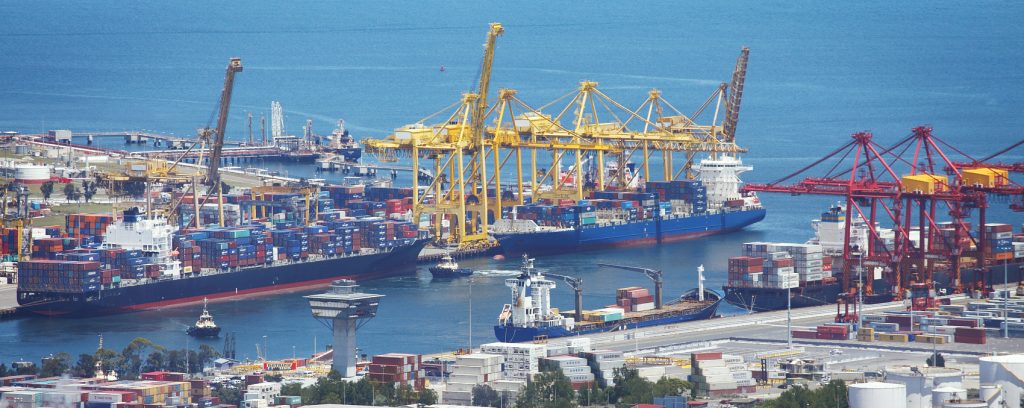
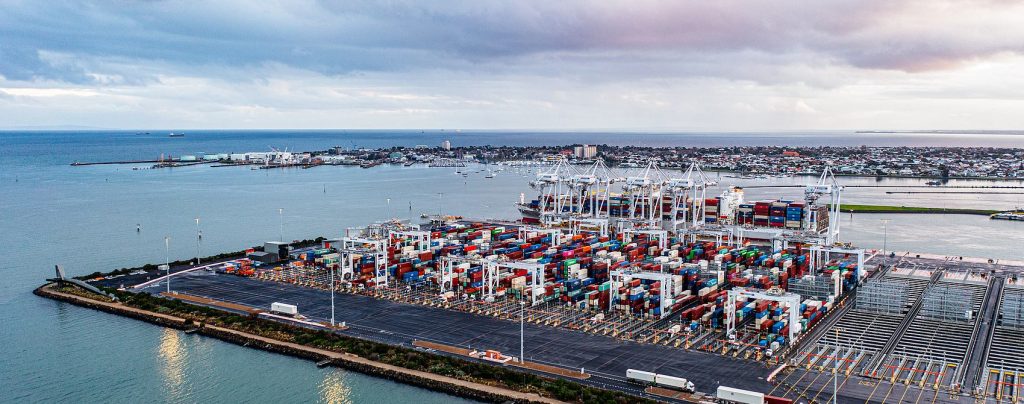
BRF Logistics leverages a well-established global shipping network connecting major Chinese ports such as Shanghai, Qingdao, and Shenzhen with key Australian ports including Sydney, Melbourne, Brisbane, and Fremantle.
Our Transportation Advantages:
- Competitive ocean freight rates through long-term carrier contracts
- Flexible container options (FCL, LCL, SOC containers)
- Specialized handling for oversized and heavy cargo (OOG shipments)
- Multimodal transport solutions (sea + rail + truck integration)
- Weekly consolidated shipments to reduce costs and improve efficiency
With stable shipping schedules and strong carrier partnerships, BRF ensures your building materials arrive on time—even during peak seasons.
2. Advanced Customs Clearance Capabilities in Australia
Customs clearance is one of the most critical aspects when importing building materials into Australia, due to strict regulations enforced by the Service des frontières australien (ABF) et le Ministère de l'Agriculture, de la Pêche et des Forêts (DAFF).
BRF Logistics Customs Expertise Includes:
- Accurate HS code classification for building materials
- Pre-shipment documentation review to avoid delays
- Full compliance with Australian biosecurity requirements (e.g., fumigation, ISPM15 packaging)
- Handling of import permits and quarantine inspections
- GST and duty optimization strategies
Our experienced customs brokers in Australia ensure smooth and fast clearance, minimizing port storage fees and reducing risk of cargo holds.
3. Comprehensive Warehousing Solutions Across Australia
BRF Logistics provides strategically located warehousing solutions in major Australian cities, allowing clients to optimize inventory management and last-mile delivery.
Warehouse Capabilities:
- Short-term and long-term storage options
- Indoor and outdoor storage for various building materials
- Container unpacking and palletization services
- Inventory management and distribution
- Cross-docking for faster delivery
Whether you are importing tiles, steel structures, aluminum profiles, or prefabricated materials, our warehouses are equipped to handle diverse cargo types efficiently.
4. Bonded Warehouse & Free Trade Zone Advantages
To help clients reduce upfront tax burdens and improve cash flow, BRF Logistics offers access to bonded warehouse facilities and Free Trade Zone (FTZ) solutions.
Key Benefits:
- Duty and GST deferment until goods are released
- Flexible cargo re-export or redistribution options
- Reduced financial pressure for bulk imports
- Secure storage under customs supervision
This is particularly beneficial for large-scale construction projects and distributors managing phased deliveries across Australia.
5. Enhanced Transportation Safety & Cargo Protection
Building materials often include heavy, fragile, or irregularly shaped goods that require specialized handling. BRF Logistics prioritizes cargo safety at every stage of the supply chain.
Safety Measures:
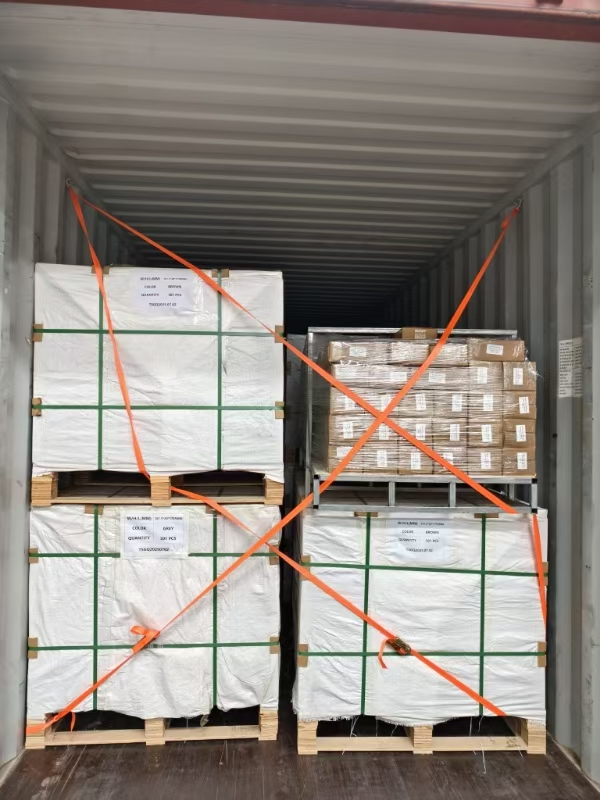
- Professional export packaging (wooden crates, steel frames, moisture-proof wrapping)
- Lashing and securing solutions for ocean transport
- Real-time cargo tracking and monitoring
- Cargo insurance options for full risk coverage
- Experienced handling teams for loading and unloading
From factory pickup in China to final delivery at construction sites in Australia, we ensure your cargo remains secure and damage-free.
6. Door-to-Door (DDU/DDP) Turnkey Logistics Services
BRF Logistics offers full-service door-to-door solutions, simplifying the entire import process for clients.
Our End-to-End Services Include:
- Supplier coordination and cargo pickup
- Dédouanement à l'exportation en Chine
- International freight (sea/air)
- Import customs clearance in Australia
- Last-mile delivery to project site or warehouse
Whether you prefer DDU (rendu droits non acquittés) ou DDP (rendu droits acquittés), we tailor logistics solutions to match your business needs.
7. Proven Experience in Construction Material Logistics
BRF Logistics has successfully handled a wide range of building materials, including:
- Aluminum doors and windows
- Steel structures and machinery
- Tiles, marble, and stone products
- Clôtures en WPC and panels
- Prefabricated housing components
Our project-based logistics planning ensures efficient handling of bulk shipments, tight deadlines, and complex delivery requirements.
Conclusion
Importing building materials from China to Australia involves multiple challenges—but with the right logistics partner, it becomes a streamlined and cost-effective process.
BRF Logistics stands out with its strong global network, expert customs clearance capabilities, advanced warehousing solutions, bonded storage options, and high standards in transportation safety. Whether you are a construction company, distributor, or project contractor, we provide reliable, scalable, and compliant logistics solutions tailored to your needs.
1. Can I import timber from China to Australia?
Yes, but timber must be fumigated and certified pest-free under L'Australie strict biosecurity rules, or it may be rejected.
2. What documents are needed to import building materials?
You need a commercial invoice, packing list, bill of lading, HS codes, certificate of origin, and compliance or fumigation certificates.
3. How long does fret maritime take de la Chine à l'Australie?
Sea freight usually takes 18–30 days depending on port of origin and destination. Air freight is faster but more expensive.
4. Do I pay duties and GST on building materials?
Yes. Most building materials require customs duties plus 10% GST, along with port handling and inspection fees.
5. How can I ensure product quality before shipping?
Request samples, use third-party inspections, and verify compliance certificates from your supplier before shipment.
6. What risks exist when importing building materials?
Main risks include non-compliance, customs delays, transport damage, and unexpected fees. Proper planning and insurance help reduce risks.
7: What is the best shipping method for building materials from China to Australia?
A: Ocean freight (FCL or LCL) is the most cost-effective option. For urgent shipments, air freight can be arranged.
8: Do I need special permits to import building materials into Australia?
A: Some materials require compliance with Australian standards and biosecurity regulations. BRF Logistics can assist with all documentation and permits.
9: How can I reduce import taxes and duties?
A: Using bonded warehouses or optimizing HS codes and trade agreements can help reduce costs.
10: Can BRF Logistics handle oversized cargo?
A: Yes, we specialize in OOG and heavy cargo logistics, including machinery and large construction materials.
11: Do you provide delivery to construction sites?
A: Yes, we offer full de porte à porte delivery, including direct transport to construction sites across Australia.
Facebook
Twitter
LinkedIn

N'hésitez pas à me contacter à tout moment pour obtenir un devis !
Shipping from China to Wisconsin | Sea Freight, DDP & Door Delivery

DDP Shipping from Shandong, China to Eau Claire, WI – PE Sheet Door-to-Door Case
Différences entre « vessel » et « ship » : guide maritime complet
Évolution des tarifs de fret maritime en juin 2026