Départements et régions d'outre-mer français
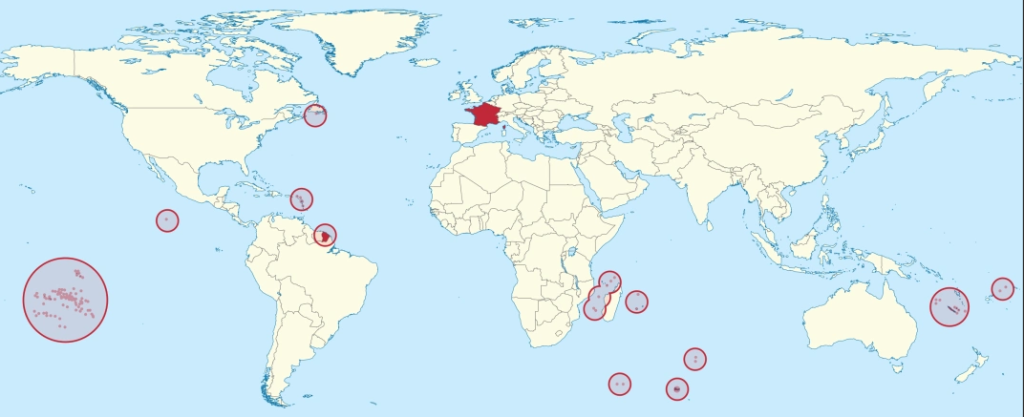
The overseas departments and regions of France have the same legal status, social welfare and education system as France itself, are part of France, and are also part of the European Union (using the euro):
1: Guadeloupe is located in the Lesser Antilles of the Caribbean Sea, adjacent to the northern part of Martinique Island. Like Martinique, French Guiana, Mayotte, and Reunion Island, it is the most “localized” category of French overseas territories, enjoying a legal status completely equivalent to that of mainland France. The currency is Euro, with an area of approximately 1628 square kilometers and a population of around 370000 people. The living facilities are modern, and the social welfare system is consistent with that of mainland France, but employment opportunities are relatively limited. The resident is a French citizen holding a French passport and can freely enter and exit the European Union.
China to Guadeloupe,France by sea or air
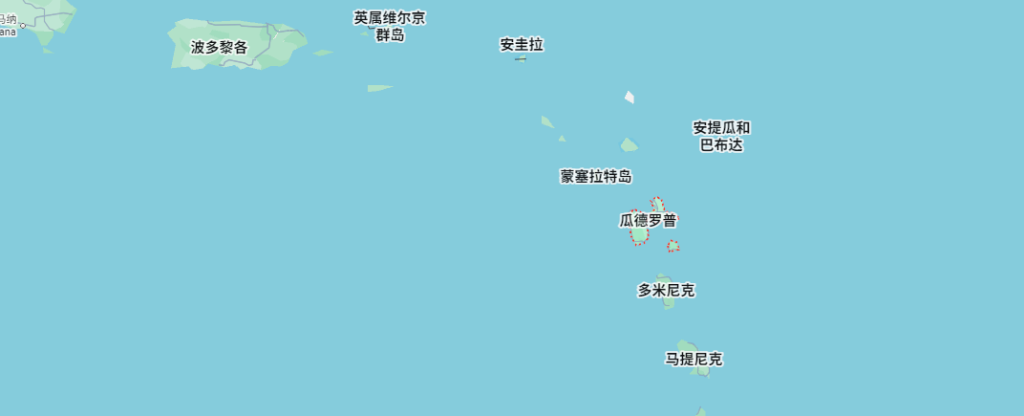
2: Martinique is located in the Caribbean Sea of Central America and is an overseas department and a single territorial collective of France, with its capital in Fort de France. Martinique is also part of the European Union, but it is not part of the Schengen Area or the EU Customs Union. The area is about 1128 square kilometers and the population is about 360000 people. The standard of living is relatively high, similar to small and medium-sized cities in mainland France, with a sound welfare system and the same legal, political, and social systems as in mainland France.
China to Martinique,France by sea or air
3: Guyane française is an overseas department and region of France in South America, the only territory of France located on the South American continent, and the only region of the European Union located in South America. Covering an area of 83846 square kilometers (the largest province in France), with a population of approximately 300000 people, it is part of the Eurozone and the European Union. France has a space center in Guyana, which is the most important space launch base in Europe. The area is covered by large tropical rainforests and has extremely high biodiversity. People born in French Guiana automatically acquire French citizenship, making it an important destination and springboard for immigrants from impoverished countries in Latin America and the Caribbean.
China to Guiana,France by sea or air
4: Réunion is an overseas department and region of France, located in the western Indian Ocean near Madagascar and Mauritius. Geographically, it is a part of Africa, but politically, it is a part of mainland France and also a component of the European Union and the Eurozone. It is the most populous and affluent region in the French overseas department. Covering an area of 2512 square kilometers, with a population of nearly 900000 people, the volcano is well-known for its developed tourism industry, attracting a large number of tourists from mainland France and Europe. The overall living conditions and infrastructure are close to the level of mainland France, and the per capita GDP is the highest in Africa.
China to Réunion,France by sea or air
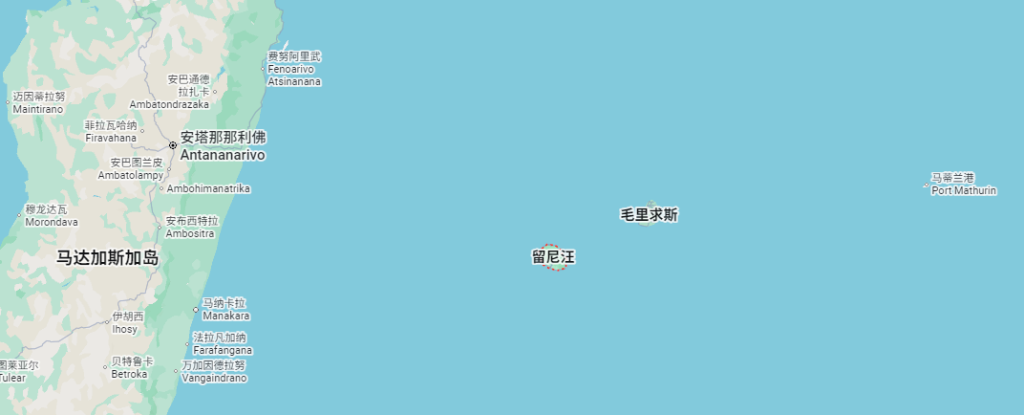
5: Mayotte is an overseas department and region of France, located in the Mozambique Channel of the Indian Ocean, between the African continent and Madagascar. It is part of the Comoros Islands, but politically belongs to France. The area is 374 square kilometers and the population is about 320000 people. When Comoros gained independence in 1975, the Mayotte islanders chose to remain in France through a referendum and became an overseas department of France in 2011. The economy is highly dependent on financial assistance from France, with weak local industries and limited employment opportunities, making it a relatively underdeveloped region in overseas provinces. It comes from neighboring Comoros, and many people sneak into the island by small boats, causing great pressure on the local society and medical system.
China to Mayotte,France by sea or air
Overseas Collective
Collectivit é s d’outre mer (COM) is a type of overseas administrative unit in France, distinct from French overseas departments and regions. Overseas collectives enjoy greater autonomy, with their own local laws and parliament, but still part of France, with the head of state being the French President. These regions have significant autonomy and are not part of the European Union (most of which do not apply the Euro):
1: French Polynesia is an overseas collective of France, located in the central and southeastern South Pacific, consisting of 118 islands distributed over nearly 2 million square kilometers of sea. Known for its tropical scenery, rich cultural and tourism resources, the main island is Tahiti. The area is about 4000 square kilometers and the population is about 280000.
2: Saint Pierre et Miquelon is located in the Gulf of Saint Lawrence off the east coast of North America, near Newfoundland, Canada. It is the only territory of France in North America and historically served as an important fishing base for France in the New World. The area is about 242 square kilometers, the population is about 5500 people, and the currency is Euro.
3: Wallis et Futuna is located in the southwestern South Pacific, between Fiji and Samoa. It consists of three main islands, culturally closely related to the neighboring Polynesian archipelago, but politically belonging to France. The area is 142 square kilometers and the population is about 11000 people. The residents are French citizens, enjoying corresponding rights and obligations, with a relatively small economic and population size, mainly relying on French financial assistance.
4: Saint Martin is an overseas collective of France, located in the northeast of the Caribbean Sea and the northern half of a small island in the Caribbean archipelago. The southern half belongs to the Netherlands and is called Dutch Saint Martin. This island is a unique co administered island between France and the Netherlands in the Caribbean Sea. The French region covers an area of approximately 53 square kilometers and has a population of around 35000. Tourism is the core of the economy, especially beach tourism, yachts, and duty-free shopping.
5: Saint Barth é lemy is located in the Lesser Antilles of the Caribbean Sea, near Saint Martin Island. Known for its luxurious tourism and affluent lifestyle, it is a vacation paradise for many billionaires and celebrities. The area is 25 square kilometers and the population is about 10000 people.
Articles similaires