Shipping goods from China to the United States remains one of the most critical trade lanes in global logistics. In 2026, freight rates continue to fluctuate due to fuel costs, port congestion, geopolitical factors, and seasonal demand. For importers, understanding the full cost structure — beyond just ocean freight rates — is essential to maintaining profitability and supply chain stability.
This comprehensive guide by BRF Logistics provides a complete breakdown of shipping costs from China to the USA, covering sea freight, air freight, customs clearance, hidden charges, and cost-saving strategies. Whether you are a first-time importer or an experienced buyer, this guide will help you make informed logistics decisions.
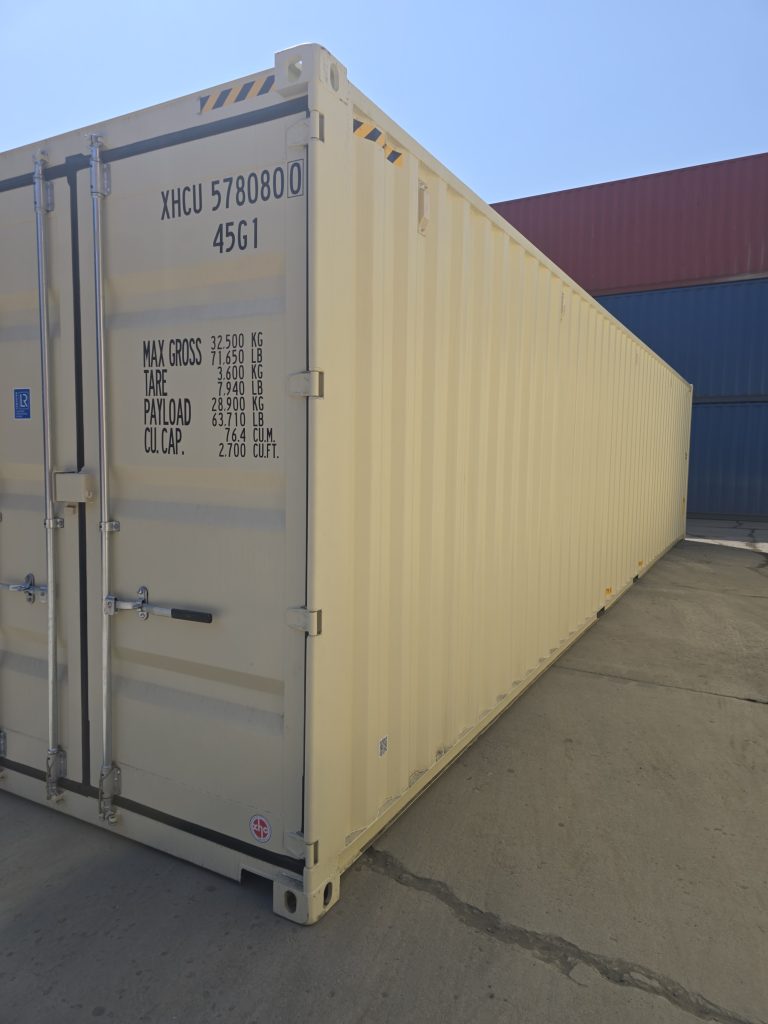
Quick 2026 Benchmarks for Shipping Costs from China to USA
Below are general freight cost benchmarks for 2026:
Transporte marítimo (FCL)
- 20GP: USD 1,500 – 3,800
- 40GP: USD 2,500 – 5,500
- 40HQ: USD 2,800 – 6,200
Sea Freight (LCL)
- USD 90 – 180 per CBM
Transporte aéreo
- USD 4 – 9 per kg (general cargo)
Express Shipping (DHL / FedEx / UPS)
- USD 6 – 12 per kg
Nota: Prices vary depending on season, route, cargo type, and service level.
What Determines the Shipping Cost from China to the US?
Several factors influence your final shipping cost:
1. Cargo Volume and Weight
Larger shipments benefit from economies of scale, especially with FCL.
2. Shipping Method
- Sea freight = lower cost
- Air freight = faster but more expensive
3. Distance and Destination
West Coast routes are typically cheaper than East Coast routes.
4. Fuel and Market Conditions
Freight rates fluctuate based on global demand and fuel prices.
5. Cargo Type
Special cargo (hazardous, oversized, fragile) increases costs.
En BRF Logistics, we analyze all these variables to provide optimized shipping solutions.
Sea Freight Costs: Full Container Load vs Less Than Container Load
Carga de contenedor completo (FCL)
FCL is ideal for large shipments.
Ventajas:
- Lower cost per unit
- Faster transit time
- Reduced risk of damage
Ideal para:
- Bulk goods
- Equipos industriales
- Wholesale imports
Less Than Container Load (LCL)
LCL is suitable for smaller shipments.
Ventajas:
- Pay only for space used
- Flexible shipping option
Considerations:
- Additional handling charges
- Slightly longer transit time
West Coast Ports vs East Coast Ports: Why the Quote Changes
West Coast Ports (e.g., Los Angeles, Long Beach)
- Lower shipping cost
- Faster transit (12–20 days)
East Coast Ports (e.g., New York, Savannah)
- Higher cost due to longer distance
- Transit time: 25–40 days
Why the Difference?
- Canal fees (Panama Canal)
- Inland transportation costs
- Port congestion
BRF Logistics helps clients choose the most cost-effective routing based on their final delivery location.
Ocean Freight Rates vs Delivered Costs: A Practical Breakdown
Many importers focus only on ocean freight rates, but the total landed cost includes:
- Origin charges (China)
- Transporte marítimo
- Destination port fees
- Despacho de aduanas
- Transporte por carretera interior
Ejemplo:
Ocean freight may be USD 2,500, but total delivered cost could reach USD 4,000–5,000.
Air Freight Costs: Why Chargeable Weight Matters
Air freight pricing is based on chargeable weight, which is the higher of:
- Actual weight
- Volumetric weight
Formula:
Volumetric Weight (kg) = Length × Width × Height (cm) ÷ 6000
Ejemplo:
A lightweight but bulky shipment may cost more than expected.
BRF Logistics helps optimize packaging to reduce chargeable weight.
Express Shipping and Express Air Freight: Best for Urgent Shipments
Express Courier (DHL, FedEx, UPS)
- Door-to-door service
- 3–5 days delivery
Express Air Freight
- Faster than standard air freight
- More cost-effective than courier for large shipments
Ideal para:
- Urgent samples
- Mercancías de gran valor
- Envíos de comercio electrónico
The Shipping Process: What You Pay For
From pickup to delivery, your cost includes:
- Recogida en las instalaciones del proveedor
- Despacho de aduanas de exportación
- Freight transportation
- Despacho de aduana de importación
- Entrega final
Each step adds cost but ensures compliance and safety.
US Customs: Clearance and Avoiding Delays
Required Documents:
- Factura comercial
- Lista de equipaje
- Bill of Lading / Air Waybill
- Importer Security Filing (ISF)
Common Delay Issues:
- Incorrect HS codes
- Missing documents
- Under-declared value
BRF Logistics ensures full compliance to avoid costly delays.
Customs Duties and Tariff Rate Planning for 2026
Key Components:
- Import duty (varies by product)
- Section 301 tariffs (for certain Chinese goods)
- Merchandise Processing Fee (MPF)
- Harbor Maintenance Fee (HMF)
Strategy:
- Proper HS classification
- Use of trade agreements (if applicable)
- Accurate value declaration
Freight Forwarder vs Shipping Carriers: Who Does What?
Shipping Carriers:
- Provide vessel or aircraft space
Freight Forwarders (BRF Logistics):
- Manage entire logistics process
- Handle documentation
- Coordinate customs clearance
- Provide door-to-door solutions
Conclusión:
A freight forwarder simplifies complex international shipping.
DDP Shipping: When Door-to-Door Costs More
What Is DDP?
Delivered Duty Paid — all costs included.
Ventajas:
- No hidden costs
- Simplified process
Desventajas:
- Higher upfront cost
- Less control over customs
Hidden Freight Costs: What Often Breaks the Budget
Many importers underestimate:
- Port storage fees
- Demurrage and detention
- Tasas de inspección aduanera
- Inland delivery surcharges
BRF Logistics provides transparent pricing to avoid surprises.
How to Minimize Shipping Costs and Save Money
Practical Tips:
- Siempre que sea posible, opta por el transporte FCL en lugar del LCL.
- Plan shipments in advance
- Optimize packaging
- Avoid peak seasons
- Work with experienced forwarders
Cargo Insurance: Cost, Coverage, and Importance
Cost:
- Typically 0.2%–0.5% of cargo value
Ámbito de aplicación:
- Daños
- Pérdida
- Robo
When It Matters:
- High-value shipments
- Fragile goods
- Long transit routes
Preguntas frecuentes (FAQ)
1. What is the cheapest way to ship from China to the USA?
Sea freight (FCL or LCL) is the most cost-effective.
2. How long does shipping take?
- Sea freight: 12–40 days
- Air freight: 3–7 days
3. What is DDP shipping?
A door-to-door service including duties and taxes.
4. How can I reduce shipping costs?
Optimize packaging, plan early, and choose the right shipping method.
Related Shipping Guides for China to USA
- Sea Freight Guide from China to USA
- Air Freight vs Sea Freight Comparison
- DDP Shipping Explained
- Import Regulations in the USA
Get a Shipping Quote from China
If you are planning to import goods from China to the United States, BRF Logistics provides tailored, cost-effective solutions designed to meet your business needs.
Reflexiones finales
Understanding shipping costs from China to the USA requires more than just comparing freight rates. From container options to customs duties and hidden fees, every detail impacts your total landed cost.
With BRF Logistics as your logistics partner, you gain access to expert planning, transparent pricing, and reliable global transportation services. Whether you are shipping small parcels or full container loads, we ensure your cargo moves efficiently, safely, and cost-effectively across international borders.