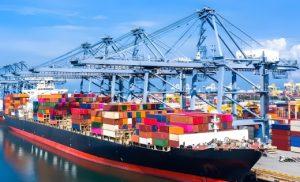
As one of the most strategically located countries in the Middle East, Oman has become an important logistics and maritime hub connecting Asia, Africa, Europe, and the Gulf region. With direct access to the Arabian Sea and the Indian Ocean, Oman offers significant advantages for international shipping, container transportation, project cargo, and transshipment services.
Over the past decade, Oman has invested heavily in modern port infrastructure, free trade zones, and multimodal logistics networks. Today, Omani ports play a critical role in global supply chains, especially for cargo moving between the GCC countries, East Africa, South Asia, and Europe.
For freight forwarders, importers, exporters, and shipping companies, understanding Oman’s major ports is essential for choosing the right logistics solution.
Why Oman Is Important for Global Shipping
Oman’s geographical position makes it one of the most attractive maritime gateways in the region. Unlike some Gulf ports located inside the Strait of Hormuz, Oman’s ports have direct ocean access, allowing vessels to avoid congestion and reduce transit risks.
Key advantages include:
- Strategic location between Asia, Africa, and Europe
- Deep-water ports capable of handling mega vessels
- Modern container terminals and logistics parks
- Strong connectivity to GCC markets
- Competitive customs and free zone policies
- Growing transshipment and warehousing capabilities
These advantages have positioned Oman as a reliable alternative logistics hub for regional and international trade.
Main Ports in Oman
1. Port of Salalah
Port of Salalah is one of the largest and busiest ports in the Middle East. Located near major East-West shipping routes, it serves as a major transshipment hub connecting Asia, Europe, Africa, and the Americas.
Características principales
- Deep-water container terminal
- Handles millions of TEUs annually
- Advanced cargo handling equipment
- Excellent connectivity to East Africa and the Indian subcontinent
- Ideal for transshipment cargo
The Port of Salalah is widely used for containerized cargo, reefer shipments, automotive logistics, and general cargo transportation.
For shipping companies, Salalah offers reduced transit times and efficient vessel turnaround services, making it highly competitive in global maritime trade.
2. Port Sultan Qaboos
Port Sultan Qaboos was historically Oman’s primary commercial port and remains an important maritime location.
Located in Muscat, the capital city of Oman, this port now focuses more on tourism and cruise operations, although it still handles limited cargo activities.
Características principales
- Located near Oman’s commercial center
- Supports tourism and cruise industries
- Important for regional maritime operations
- Accessible infrastructure for local trade
Today, many commercial cargo operations have shifted toward Sohar and Duqm, but Port Sultan Qaboos still plays a significant role in Oman’s maritime history and economy.
3. Port of Sohar
Port of Sohar is one of the fastest-growing industrial and logistics ports in the Gulf region.
Developed as a joint venture between Oman and the Port of Rotterdam, Sohar has become a major center for industrial manufacturing, petrochemicals, metals, and container shipping.
Características principales
- Large industrial free zone
- Advanced bulk and container terminals
- Strong road connectivity to UAE and GCC markets
- Ideal for industrial cargo and project logistics
- Integrated logistics and warehousing facilities
Sohar is particularly attractive for companies seeking distribution access to the Gulf Cooperation Council (GCC) region.
The port also supports oil, gas, mining, steel, and heavy equipment industries.
4. Port of Duqm
Port of Duqm is one of Oman’s most ambitious infrastructure projects and a rapidly developing logistics hub.
Located on the southeastern coast of Oman, Duqm is designed to become a global industrial and maritime center.
Características principales
- Large-scale economic free zone
- Multipurpose cargo facilities
- Dry dock and ship repair services
- Heavy-lift and project cargo capabilities
- Strategic access to international shipping lanes
The Port of Duqm is increasingly important for energy projects, oversized cargo transportation, and industrial developments.
Many logistics experts consider Duqm a future powerhouse for regional shipping and offshore energy support operations.
Oman’s Growing Logistics Industry
Oman’s government continues to invest in transportation and logistics infrastructure as part of its long-term economic diversification strategy.
Major developments include:
- Expansion of free trade zones
- Modern customs systems
- Improved road and rail connectivity
- Increased foreign investment in logistics
- Smart port technologies and digitalization
These improvements help Oman strengthen its position as a competitive logistics center in the Middle East.
For freight forwarders and shipping companies, Oman offers reliable port services, efficient cargo handling, and strong regional access.
Shipping Opportunities in Oman
Omani ports support various cargo categories, including:
- Transporte marítimo de contenedores
- Breakbulk cargo
- Project logistics
- Oil and gas equipment
- Automotive transportation
- Refrigerated cargo
- Construction machinery
- Materiales industriales
With growing trade between Asia, Africa, and the Middle East, Oman continues to attract international shipping lines and logistics providers.
Conclusión
Oman has established itself as a major maritime and logistics gateway in the Middle East. Ports such as Salalah, Sohar, Duqm, and Port Sultan Qaboos each provide unique advantages for global trade and cargo transportation.
Whether for container shipping, industrial logistics, transshipment, or project cargo, Oman offers modern infrastructure, strategic geographic access, and growing investment opportunities.
As international trade routes continue evolving, Oman’s ports are expected to play an even larger role in connecting global supply chains across multiple continents.
FAQ About Ports in Oman
Which is the largest port in Oman?
Port of Salalah is considered one of the largest and busiest ports in Oman, especially for container transshipment operations.
Which port in Oman is best for industrial cargo?
Port of Sohar is highly suitable for industrial cargo, petrochemicals, steel products, and manufacturing logistics.
What is the importance of Port of Duqm?
Port of Duqm is an emerging logistics and industrial hub designed for large-scale economic development, heavy cargo handling, and offshore energy support.
Does Oman have free trade zones near ports?
Yes. Oman has several free zones connected to major ports such as Sohar and Duqm, offering tax incentives, warehousing, and logistics support for international businesses.
Why do shipping companies choose Oman?
Shipping companies choose Oman because of its strategic location, direct ocean access, modern infrastructure, reduced congestion, and strong connectivity to GCC and African markets.
Which Oman port is best for transshipment cargo?
Port of Salalah is one of the leading transshipment hubs in the Middle East due to its location near major international shipping routes.
Can Oman handle oversized and project cargo?
Yes. Ports such as Port of Duqm and Port of Sohar are equipped to handle heavy-lift, breakbulk, and oversized project cargo shipments.
Is Oman important for Middle East logistics?
Absolutely. Oman is becoming one of the region’s most important logistics and maritime cen