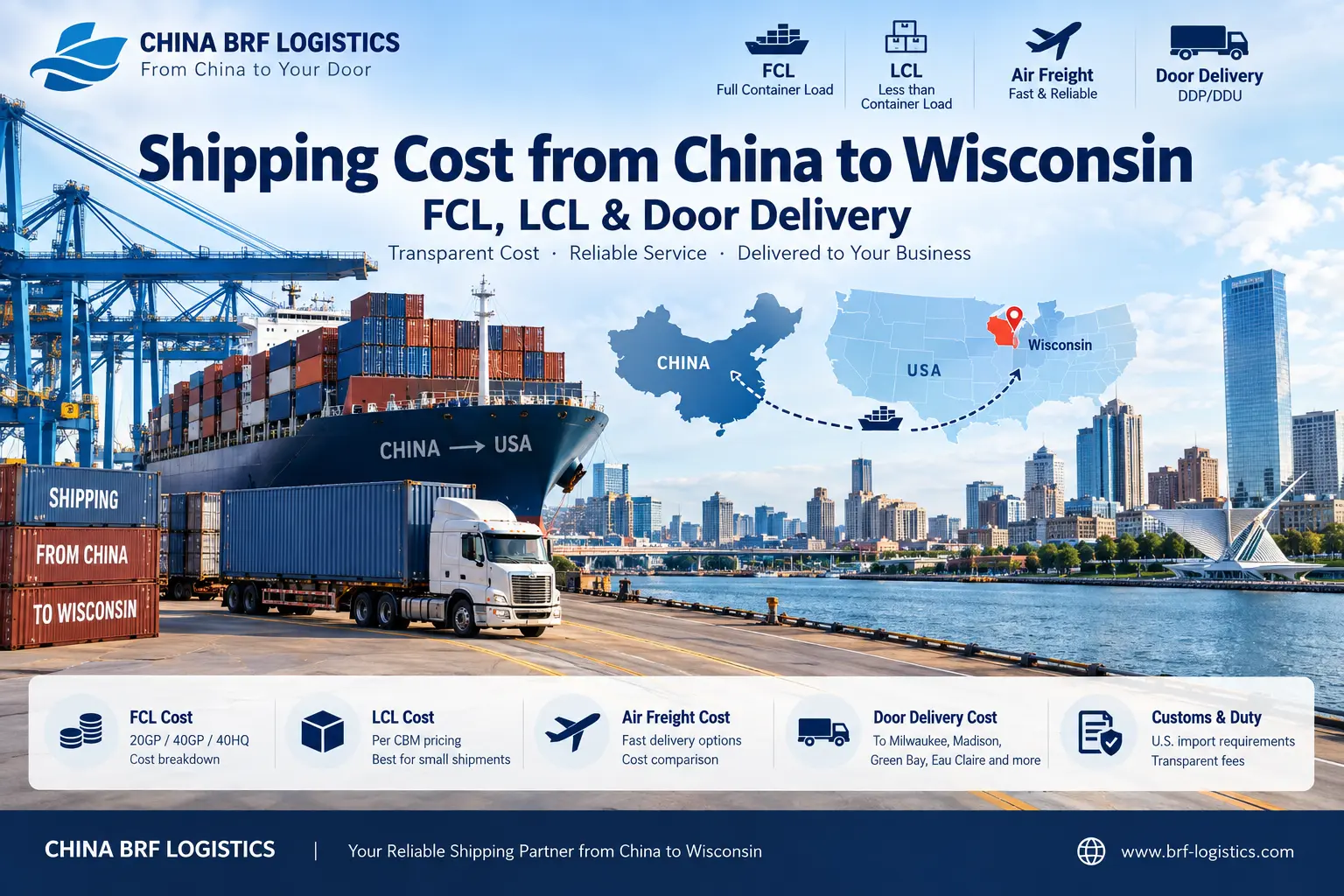
When importing goods from China, one of the most important logistics decisions is choosing the right shipping method — transporte aéreo o transporte marítimo. Both methods have unique advantages and trade-offs in terms of cost, transit time, and cargo suitability. Understanding these factors will help you make the right decision for your business and ensure smooth international transportation.
1. Overview of Shipping Methods from China
International shipping from China mainly relies on transporte aéreo y transporte marítimo, each suitable for different types of cargo and delivery requirements.
Transporte aéreo: Ideal for urgent, lightweight, or high-value shipments.
Transporte marítimo: Best for bulk, heavy, or non-urgent goods that need cost-efficient transport.
2. What Is Air Freight from China?
Transporte aéreo de mercancías involves transporting goods via cargo planes or commercial flights from Chinese airports such as Shanghai Pudong (PVG), Beijing Capital (PEK), o Guangzhou Baiyun (CAN).
Advantages of Air Freight
Fastest transit time: 3–7 days to major destinations like the US, EU, and Australia.
High reliability: Minimal delays and better cargo tracking.
Secure for high-value goods: Reduced risk of damage or theft.
Disadvantages of Air Freight
Higher cost: Air freight can be 5–10 times more expensive than ocean freight.
Limited capacity: Not suitable for oversized or heavy cargo.
Strict restrictions: Certain dangerous goods and liquids cannot be shipped by air.
3. What Is Ocean Freight from China?
Transporte marítimo uses container ships to move goods from major ports such as Shanghái, Shenzhen, Ningbo, Qingdao, y Xiamen. It is the most common and cost-effective method for international trade.
Types of Ocean Freight
FCL (carga completa de contenedor): One container reserved for a single shipment.
LCL (carga inferior a un contenedor): Goods from multiple shippers consolidated into one container.
Special Containers: For oversized, temperature-controlled, or hazardous cargo.
Advantages of Ocean Freight
Economical for bulk goods: Lowest cost per kilogram.
Flexible container options: Suitable for a wide range of cargo.
Eco-friendly: Lower carbon footprint compared to air freight.
Disadvantages of Ocean Freight
Longer transit times: Usually 20–45 days depending on route.
Less predictable schedules: Weather and port congestion may cause delays.
Complex customs procedures: Requires more documentation and handling.
4. Cost Comparison: Air vs. Ocean Freight
| Factor | Transporte aéreo | Transporte marítimo |
|---|---|---|
| Tiempo de tránsito | De 3 a 7 días | 20–45 days |
| Cost per kg | 5–10x higher | Lowest per kg |
| Tipo de carga | High-value, urgent, perishable | Bulk, non-urgent, heavy |
| Impacto medioambiental | High emissions | More eco-friendly |
| Tracking & Security | Excellent | Good, but depends on route |
| Ejemplo | Electronics, samples, fashion | Furniture, machinery, raw materials |
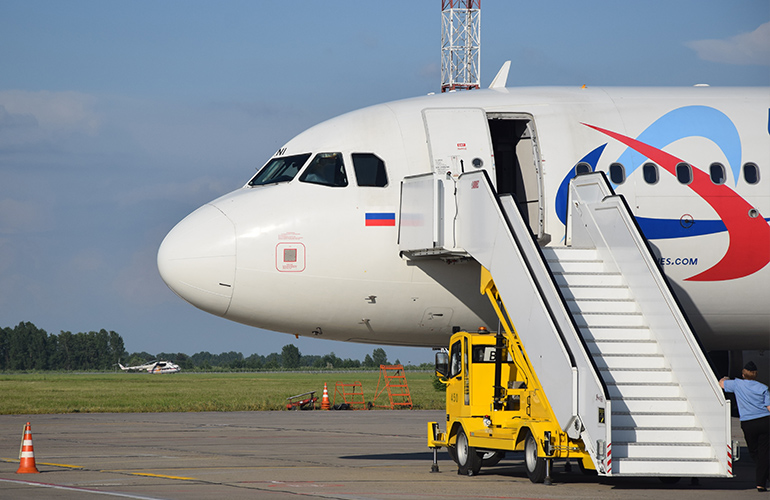
5. When to Choose Air Freight from China
Elige transporte aéreo cuándo:
Your goods are time-sensitive (e.g., product launches or urgent stock).
Tu envío está lightweight but high in value (electronics, jewelry, pharmaceuticals).
You need reliable and fast customs clearance.
Ejemplo: An e-commerce brand shipping 200 kg of premium accessories from Shenzhen to Los Angeles in time for Black Friday sales.
6. When to Choose Ocean Freight from China
Elige transporte marítimo cuándo:
You are shipping large volumes or heavy goods.
Delivery time is flexible or non-urgent.
You want to optimize logistics costs for regular supply chain operations.
Ejemplo: A construction company importing 5 containers of building materials from Qingdao to Sydney.
7. How BRF Logistics Helps You Choose the Right Method
En BRF Logistics, we help clients evaluate their shipping needs and select the most efficient, cost-effective transportation plan.
Nuestros servicios incluyen:
Comprehensive air and sea freight options from major Chinese ports.
Door-to-door and DDP delivery for global destinations.
Customs clearance and documentation support to prevent delays.
Seguimiento de envíos en tiempo real and transparent rate quotations.
Whether you’re a first-time importer or managing large-scale operations, BRF Logistics ensures your goods reach their destination safely, on time, and within budget.
8. Frequently Asked Questions (FAQ)
1. Is air freight faster than sea freight from China?
Yes. Air freight typically takes 3–7 days, while ocean freight may take 20–45 days depending on the route and customs procedures.
2. Can I combine air and sea freight for one shipment?
Yes, this is called multimodal shipping o sea-air transport — a hybrid solution that balances speed and cost.
3. What documents are required for both shipping methods?
You’ll need a commercial invoice, lista de equipaje, bill of lading (for sea) o air waybill (for air), y customs declaration forms.
4. What’s the cheapest way to ship from China?
LCL ocean freight is generally the most affordable option for small or medium cargo volumes.
5. Which ports and airports are best for export from China?
Top seaports include Shanghái, Shenzhen, Ningbo, y Qingdao. Major airports include PVG, CAN, y PEK.
Conclusión
Choosing between air freight and ocean freight from China depends on your budget, delivery timeline, and cargo type.
Para urgent, high-value goods, air freight is the best choice.
Para bulk or non-urgent cargo, ocean freight offers unbeatable cost efficiency.
With BRF Logistics, you can rely on our experience, port network, and global partnerships to ensure the best shipping solution from China to your destination.
Artículos relacionados