1. Asia–U.S. Trade Lane: Peak Season Keeps Rates Elevated
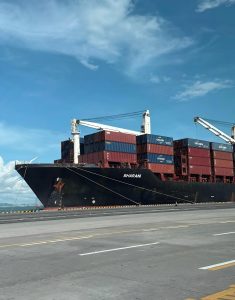
August is traditionally one of the busiest months for Trans-Pacific shipping, and 2026 is no exception.
Importers in the United States continue accelerating shipments ahead of the back-to-school season, Black Friday promotions, and year-end holiday sales. Strong booking demand, combined with carrier capacity management, is expected to keep freight rates at elevated levels throughout August. Hapag-Lloyd has even raised its annual outlook due to stronger-than-expected freight rates and demand, while cautioning that geopolitical risks remain significant.
Market Outlook
- Strong booking demand from Asia
- Tight vessel space on major services
- Premium booking options remain common
- Spot rates expected to stay firm through August
2. Asia–Europe Trade Lane: Stable but Sensitive
Freight rates from Asia to Europe are expected to stabilize compared with the sharp increases seen earlier in the summer.
However, several factors continue to influence pricing:
- Gradual recovery of Suez Canal services by some carriers
- Continued uncertainty surrounding the Red Sea
- Carrier capacity adjustments
If security conditions improve, additional capacity could enter the market, helping ease rate pressure. However, any disruption in the region could quickly reverse this trend.
3. Fuel Prices Add New Cost Pressure
One of the biggest developments affecting August freight costs is the renewed increase in global oil prices.
Recent geopolitical tensions in the Middle East have pushed Brent crude sharply higher, raising concerns about bunker fuel costs, war-risk premiums, and shipping expenses. These higher operating costs may be reflected in additional surcharges imposed by ocean carriers.
Potential impacts include:
- Higher BAF (Bunker Adjustment Factor)
- Increased emergency surcharges
- Higher operating costs for carriers
4. Carrier Capacity Management Continues
Shipping lines remain disciplined in managing capacity rather than aggressively expanding available space.
Common strategies include:
- Salidas canceladas
- Vessel deployment adjustments
- Premium service allocations
- Controlled equipment distribution
These measures are helping carriers maintain healthy vessel utilization and support freight rates despite changing market conditions. Industry updates continue to point to firm pricing supported by carrier capacity management.
5. Regional Outlook
Estados Unidos
- Freight rates expected to remain high
- Space shortages likely on popular sailings
- Early booking strongly recommended
Europa
- Rates likely to remain stable with moderate fluctuations
- Suez Canal developments remain the key variable
Oriente Medio
- Continued volatility due to geopolitical risks
- Fuel-related surcharges may increase
Australia & Canada
- Relatively stable demand
- Capacity expected to tighten during the second half of August
Key Factors Driving August Freight Rates
Peak Season Demand
Retail inventory replenishment and seasonal imports continue supporting strong container demand.
Geopolitical Risks
Developments in the Middle East and Red Sea remain major uncertainties affecting global shipping costs and transit times.
Fuel Costs
Higher oil prices are increasing carrier operating expenses, which may translate into higher freight rates and surcharges.
Capacity Control
Shipping lines continue carefully managing available capacity through schedule adjustments and blank sailings, helping prevent significant rate declines.
Recommendations for Shippers
Businesses planning shipments in August should consider the following:
- Book cargo 2–4 weeks in advance to secure vessel space.
- Monitor General Rate Increases (GRIs) and seasonal surcharges from carriers.
- Prepare export documentation early to avoid customs delays.
- Build flexibility into shipping schedules in case of transit disruptions.
- Work closely with a freight forwarder to identify the most reliable routing and cost-effective options.
Outlook for August 2026
The overall outlook suggests that August will remain a seller’s market for transporte marítimo, particularly on Asia–North America routes. While some Europe-bound services may experience greater stability, ongoing geopolitical uncertainty, elevated fuel prices, and carrier capacity management are likely to keep freight rates above historical averages throughout the month. Businesses that secure bookings early and plan proactively will be in the best position to control logistics costs and maintain supply chain reliability.