By BRF Logistics | Global Shipping Market Insights
As we move deeper into the second quarter of 2026, the global ocean freight market continues to show controlled volatility rather than extreme fluctuations. Building on the post–Chinese New Year rebound seen in March, April presents a more structured but still dynamic pricing environment across major trade lanes.
Şu anda BRF Lojistik, we closely monitor real-time market movements to help our clients optimize shipping costs and maintain supply chain stability. Below is a comprehensive overview of April 2026 freight rate trends across key global routes.

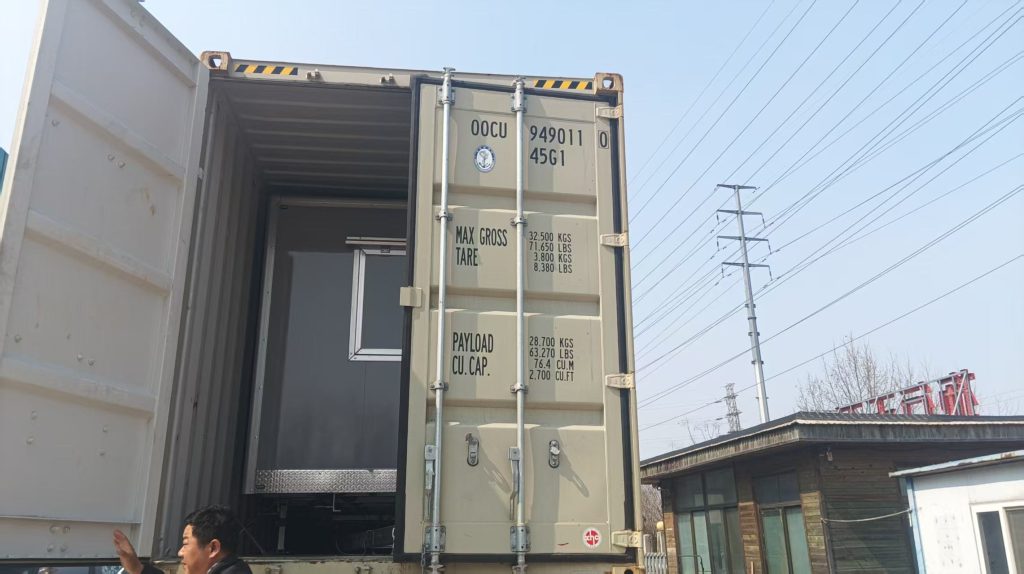

Global Market Overview – April 2026
The global container shipping market remains influenced by three core factors:
- Post-holiday cargo normalization
- Persistent vessel overcapacity
- Geopolitical uncertainties (Middle East & key maritime corridors)
While demand has improved compared to early Q1, carriers continue to actively manage capacity through:
- İptal edilen seferler
- Güzergâh optimizasyonu
- Slow steaming strategies
As a result, freight rates are stabilizing within a fluctuating range, rather than sharply rising or falling.
China Export Freight Trends (April 2026)
1. China → United States (Transpacific Trade)
Freight rates on the Transpacific lane continue to rise moderately in April following March’s rebound.
Piyasa Etkenleri:
- US retailers restocking ahead of mid-year sales cycles
- Stable consumer demand recovery
- Reduced blank sailings
Indicative Rates:
- Shanghai → Los Angeles: $1,900 – $2,200 / FEU
- Shanghai → New York: $2,700 – $3,100 / FEU
BRF Lojistik Analizi:
Despite the increase, pricing remains historically reasonable.
April–May is a strategic booking window before potential peak season surcharges (PSS).
2. China → Southeast Asia
Intra-Asia routes remain highly competitive with stable or slightly increasing rates.
Pazar Özellikleri:
- High sailing frequency
- Kısa aktarma süreleri
- Strong regional trade flows (especially Vietnam, Thailand, Indonesia)
Indicative Rates:
- China → Vietnam / Thailand: $50 – $150 / TEU
- China → Indonesia / Philippines: $100 – $300 / TEU
BRF Lojistik’in Avantajı:
- Flexible LCL consolidation services
- Fast customs clearance solutions across ASEAN
3. China → Australia
The China–Australia trade lane shows stable pricing with slight upward pressure.
Key Factors:
- Construction and raw material demand in Australia
- Balanced capacity deployment
Indicative Rates:
- Shanghai → Sydney / Melbourne: $900 – $1,400 / 40HQ
BRF Lojistik Analizi:
DDU/DDP demand is increasing significantly, especially for:
- İnşaat malzemeleri
- Makine
- E-ticaret kargosu
4. China → Europe
The Asia–Europe route remains relatively soft but stabilizing.
Market Situation:
- Avrupa’da zayıf tüketici talebi
- Fazla gemi kapasitesi
- Ongoing geopolitical rerouting risks (via Cape of Good Hope)
Indicative Rates:
- Şanghay → Rotterdam: $1,300 – $1,800 / TEU
- Shanghai → Mediterranean: $2,000 – $2,500 / TEU
BRF Logistics Strategy:
We recommend:
- Flexible routing (rail + sea combinations)
- Early booking to avoid sudden GRI increases
5. China → Canada
Canada routes remain steady with mild increases, closely following US market trends.
Piyasa Etkenleri:
- İthalat talebinde istikrar
- Port congestion under control
Indicative Rates:
- Shanghai → Vancouver: $2,000 – $2,400 / FEU
- Shanghai → Toronto (via rail): $3,000 – $3,600 / FEU
BRF Logistics Expertise:
- Integrated sea + rail solutions
- Strong customs clearance support in Canada
Southeast Asia Export Trends (April 2026)
Southeast Asia → Global Markets
Southeast Asia continues to grow as a key global manufacturing hub, driving export demand.
Key Regions:
- Vietnam
- Tayland
- Malezya
- Endonezya
Piyasa Eğilimleri:
- Stable export growth to US and Europe
- Orta Doğu ve Afrika’ya yapılan sevkiyatların artırılması
- Competitive freight rates compared to China origin
Indicative Rates:
- Vietnam → US West Coast: $1,800 – $2,300 / FEU
- Thailand → Europe: $1,400 – $2,000 / TEU
- Malaysia → Middle East: $1,200 – $1,800 / TEU
BRF Lojistik’in Avantajı:
- Multi-origin consolidation
- Cross-border trucking + ocean solutions
- End-to-end DDP/DDU services
Key Market Risks in April 2026
1. Jeopolitik Belirsizlik
Tensions in the Middle East continue to impact routing decisions, especially around:
- Kızıldeniz
- Suez Canal alternatives
This may lead to:
- Increased transit times
- Emergency surcharges
- Capacity tightening
2. Vessel Oversupply
A large number of new vessels entering the market in 2026 continues to create:
- Downward pressure on long-term rates
- Taşıyıcılar arasındaki rekabetin artması
3. Fuel & Environmental Costs
New environmental regulations and fuel adjustments are gradually influencing:
- BAF (Yakıt Düzeltme Katsayısı)
- Yeşil ek ücretler
BRF Logistics Recommendations for Shippers
To navigate April’s freight market effectively, BRF Logistics suggests:
1. Lock in Hybrid Pricing
Birleştirin:
- Long-term contracts (stability)
- Spot bookings (flexibility)
2. Plan Ahead for Peak Season
April–June is a critical preparation window before Q3 peak season.
3. Diversify Supply Chain Routes
Avoid over-reliance on:
- Tekli bağlantı noktaları
- High-risk transit corridors
4. Partner With Reliable Freight Forwarders
With increasing volatility, working with experienced partners like BRF Lojistik ensures:
- Real-time rate updates
- Space protection
- Maliyet optimizasyon stratejileri
2026 yılının 2. ve 3. çeyreğine ilişkin beklentiler
Looking ahead, the freight market is expected to:
- Remain volatile but manageable
- Experience moderate rate increases approaching peak season
- Be heavily influenced by geopolitical developments and capacity control
April 2026 reflects a transitional phase in global ocean freight, where recovery meets uncertainty. While rates are no longer at extreme lows, they remain competitive across most trade lanes.
For global traders, success in this environment depends on:
- Market awareness
- Strategic planning
- Flexible logistics execution
Şu anda BRF Lojistik, we are committed to delivering reliable, cost-effective, and customized global shipping solutions, helping your business stay ahead in a rapidly evolving logistics landscape.