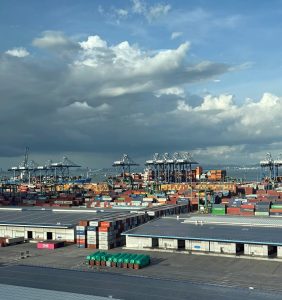
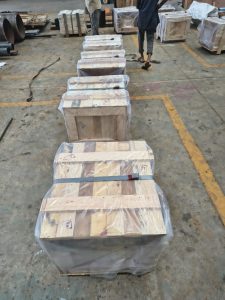
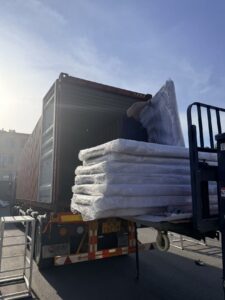
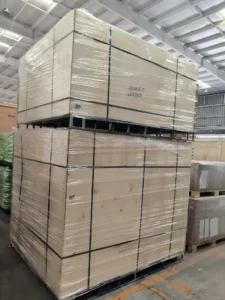
Canada Customs Clearance for Shipments from China: Complete Import Guide
Shipping goods from China to Canada is not only about ocean freight or air freight. Before your cargo can be delivered to a warehouse, business address, distribution center, or Amazon FBA warehouse in Canada, it must pass Kanada gümrük işlemleri.
For many importers, customs clearance is the most confusing part of the China-to-Canada shipping process. You may need to prepare commercial documents, confirm HS codes, calculate import duties, pay GST/HST, work with a customs broker, handle CARM accounting, and respond to customs inspection requests if required.
ÇİN BRF Lojistik provides China-to-Canada freight forwarding solutions, including DDU, DDP, CIF, deniz taşımacılığı, air freight and door-to-door shipping services. BRF Logistics also supports customs clearance coordination and final delivery for Canada shipments.
This guide explains how Canada customs clearance works for shipments from China and how importers can avoid delays, extra charges, and document problems.
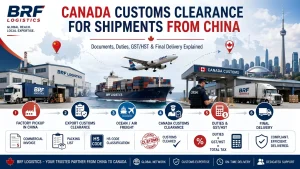
What Is Canada Customs Clearance?
Canada customs clearance is the process of reporting imported goods to the Canada Border Services Agency, submitting required information, classifying the goods, determining duties and taxes, and getting the goods released for delivery.
CBSA describes the commercial importing process as including preparing to import, classifying goods, determining duties and taxes, shipping and reporting goods, examination, and getting goods released.
For shipments from China, customs clearance usually involves:
- Ticari fatura incelemesi
- Paket listesinin incelenmesi
- HS kodu sınıflandırması
- Menşe ülkesinin teyidi
- Value for duty calculation
- Duty and GST/HST calculation
- İthalat beyannamesi
- Gümrükten serbest bırakma
- Gerekirse denetim desteği
- Final delivery after release
If the documents are correct and no inspection is required, customs clearance can be smooth. If documents are incomplete, the HS code is wrong, the cargo value is unclear, or the importer is not prepared, the shipment may be delayed and storage charges may occur.
Why Customs Clearance Matters for China-to-Canada Shipments
Customs clearance directly affects cost, delivery time, and compliance. A low freight rate does not help if the cargo is held at the port because the HS code, invoice, packing list, importer information, or tax payment is missing.
Good customs preparation helps importers:
- Avoid port storage and warehouse charges
- Reduce customs delays
- Confirm duty and GST/HST before arrival
- Avoid wrong HS code classification
- Improve delivery planning
- Protect profit margins
- Prepare correct documents for Amazon FBA
- Decide between DDP, DDU, CIF, FOB, and door-to-door shipping
For full-container cargo, heavy commercial goods, Amazon FBA inventory, building materials, aluminum products, furniture, machinery parts, plastic goods, and e-commerce products, customs clearance should be planned before the cargo leaves China.
How Canada Customs Clearance Works for Shipments from China
Step 1: Prepare Before Shipping from China
Before the shipment leaves China, the importer and freight forwarder should confirm basic cargo information.
Important details include:
- Ürün adı
- Ürün malzemesi
- HS kodu
- Yük değeri
- Menşe ülke
- Supplier information
- Karton veya palet sayısı
- Brüt ağırlık
- Volume in CBM
- Paketleme yöntemi
- Importer information
- Final delivery address in Canada
- Shipping term: DDP, DDU/DAP, CIF, FOB, or EXW
CBSA explains that identifying the country of origin is not simply the country the goods are shipped from; it generally refers to where the goods are manufactured, produced, or grown. CBSA also notes that proof of origin may be necessary when importing goods into Canada.
For shipments from China, the origin is often China, but this should still be confirmed according to product manufacturing and documentation.
Step 2: Confirm the HS Code
The HS code is one of the most important parts of Canada customs clearance.
Canada requires imported goods to have a 10-digit tariff classification number. CBSA explains that the correct classification helps ensure the appropriate duties and taxes are paid and that import statistics are recorded correctly.
The HS code affects:
- Import duty rate
- GST/HST calculation
- Gümrük beyannamesi
- Whether special import rules apply
- Whether permits or certificates are needed
- Whether anti-dumping, surtax, quota, or other trade measures may apply
Examples of products that need careful HS code review include:
- Aluminum fences and gates
- Çelik ürünleri
- Plastik ürünler
- WPC products
- Mobilya
- Tekstil ürünleri
- Makine parçaları
- Donanım
- Araçlar
- Elektrikli ürünler
- Ambalaj malzemeleri
- Tüketim malları
- Otomotiv parçaları
A wrong HS code can cause customs delays, duty adjustment, additional documentation requests, or future audit risks.
Step 3: Determine the Value for Duty
Şu value for duty is the customs value used to calculate duty on imported goods.
CBSA explains that value for duty is the base figure used to calculate duty owed on goods imported into Canada.
Value for duty may depend on:
- Product invoice value
- Currency conversion
- Shipping term
- Assists, royalties, or additional payments if applicable
- Related-party transaction review if applicable
- Adjustments required under customs valuation rules
For most normal commercial imports, the commercial invoice is a key document. The invoice should show the product name, quantity, unit price, total value, currency, supplier, buyer, Incoterm, and product description.
Incorrect declared value can cause customs problems. The value should match the actual transaction and supporting documents.
Step 4: Calculate Import Duty
Import duty depends mainly on:
- HS kodu
- Menşe ülke
- Gümrük tarifesi uygulaması
- Gümrük değeri
- Ürün türü
- Trade measures if applicable
The Canadian Customs Tariff files help importers classify goods and understand tariff treatment. CBSA states that a tariff classification is necessary to import goods into Canada, and its 2026 Customs Tariff files are in effect from January 1, 2026.
A simple duty calculation looks like this:
Gümrük Değeri × Gümrük Oranı = Gümrük Vergisi
Örnek:
- Value for duty: CAD 20,000
- Duty rate: 6.5%
- Customs duty: CAD 1,300
Real duty rates vary by HS code and product type. Some goods may have low or zero duty, while others may have higher duty or special trade measures.
Step 5: Calculate GST/HST
GST/HST is another major part of Canada import costs.
CBSA, şunları belirtmektedir ki 5% KDV’si, çoğu mal için ithalat anında ödenmelidir. CBSA also provides an example where customs duty is added to value for duty before GST is calculated.
A simplified calculation is:
Vergi Tabanı + Gümrük Vergisi = Vergi Tabanı
Vergi Tabanı × 5% = GST
CRA explains that GST/HST rules for imports and exports depend on the goods or service, residency status, province, and whether the business is registered for GST/HST.
For commercial importers, GST/HST treatment can affect accounting and input tax credit planning. Importers should confirm tax treatment with their accountant, customs broker, or tax advisor.
Step 6: Submit Import Declaration and Get Customs Release
After the shipment arrives in Canada, the customs broker or responsible party submits the required import information.
Canada customs release may involve:
- Cargo control number
- Ticari fatura
- Paket içeriği listesi
- Bill of lading or air waybill
- HS kodu
- Gümrük değeri
- Menşe ülke
- Importer information
- Gümrük vergisi ve vergi hesaplaması
- Release request
- Payment or accounting under the correct process
CBSA’s CARM system introduced a digital accounting process. CBSA states that the Commercial Accounting Declaration, or CAD, is the digital document used to account for imported goods into Canada and that it replaced the previous B3 customs coding form and B2 adjustment request form for accounting purposes.
CARM is especially important for commercial importers, customs brokers, and businesses that regularly import into Canada.
What Documents Are Needed for Canada Customs Clearance?
For shipments from China to Canada, the most common customs documents include:
1. Commercial Invoice
The commercial invoice is one of the most important documents. It should include:
- Seller name and address
- Buyer name and address
- Invoice number
- Invoice date
- Ürün adı
- Ürün açıklaması
- Miktar
- Birim fiyatı
- Total value
- Currency
- Menşe ülke
- Incoterm
- Varsa HS kodu
- Payment terms
The product description should be clear and specific. Avoid vague descriptions such as “parts,” “goods,” “samples,” or “accessories” without explaining what the product actually is.
2. Packing List
The packing list should include:
- Karton sayısı
- Palet sayısı
- Brüt ağırlık
- Net ağırlık
- Karton boyutu
- Palet boyutu
- Toplam hacim
- Product quantity
- Paketleme yöntemi
- Marks and numbers if applicable
A correct packing list helps with customs review, warehouse handling, trucking, and delivery planning.
3. Bill of Lading or Air Waybill
For ocean freight, the shipment uses a bill of lading.
For air freight, the shipment uses an air waybill.
These documents show:
- Gönderici
- Alıcı
- İlgili tarafa bildirimde bulunmak
- Origin port or airport
- Destination port or airport
- Vessel or flight information
- Container number if applicable
- Kargo bilgileri
- Freight terms
4. HS Code Information
The HS code should match the product’s material, function, use, and customs classification rules. For complex products, importers may need help from a customs broker or classification specialist.
5. Country of Origin Document
Proof of origin may be needed depending on the product, tariff treatment, or customs request. CBSA explains that proof of origin requirements can apply when importing goods into Canada.
6. Importer Information
The importer may need to provide:
- Company legal name
- Business Number or import account information if applicable
- Adres
- İrtibat kişisi
- Telefon numarası
- E-posta
- Customs broker information
- GST/HST registration status if relevant
7. Special Certificates or Permits
Some products may require additional certificates, licenses, or permits.
Examples may include:
- Food products
- Plant or animal products
- Medical products
- Kimyasallar
- Batteries
- Elektronik
- Children’s products
- Tekstil ürünleri
- Regulated consumer goods
- Wood packaging
- Controlled goods
If your product is regulated, confirm requirements before shipping from China.
DDP vs DDU: Who Handles Canada Customs Clearance?
Customs responsibility depends heavily on the shipping term.
Çin'den Kanada'ya DDP Nakliye
DDP means Gümrük Vergileri Ödenmiş Olarak Teslim Edildi. Under a DDP arrangement, the seller side or logistics provider handles import customs clearance, duties, taxes, and final delivery according to the agreed quotation.
DDP şunlar için uygundur:
- İlk kez ithalat yapanlar
- Amazon FBA satıcıları
- E-ticaret satıcıları
- Buyers without a customs broker
- Businesses that want one all-inclusive quote
- Importers who want fewer customs responsibilities
BRF Logistics has published Canada DDP case information showing that under DDP terms, it handled export customs clearance in China, ocean freight booking, import customs clearance in Canada, duty and tax payment, and final truck delivery to the warehouse.
DDU / DAP Shipping from China to Canada
DDU is commonly used in the market to mean Delivered Duty Unpaid. The modern official term closest to DDU is usually DAP.
Under DDU/DAP:
- The freight forwarder may arrange transportation to Canada.
- The buyer usually handles or pays for import customs clearance.
- The buyer usually pays duties, GST/HST, brokerage fees, and import-related charges.
- Final delivery may happen after customs release, depending on the quote.
DDU/DAP şu durumlar için uygundur:
- Deneyimli ithalatçılar
- Kendi gümrük danışmanı olan alıcılar
- Kanada ithalat hesabı bulunan şirketler
- Importers who want to control duty and tax payment
- Businesses that want import records under their own company
BRF Logistics offers customized DDU, DDP, and CIF shipping solutions for China-to-Canada shipments.
Common Customs Clearance Problems for China-to-Canada Shipments
1. Wrong HS Code
A wrong HS code can lead to incorrect duty, customs questions, or delays.
How to avoid it: Confirm the HS code before shipment and provide a detailed product description, material, function, and photos if needed.
2. Incomplete Commercial Invoice
If the invoice lacks product description, value, quantity, currency, seller, buyer, or origin information, customs clearance may be delayed.
How to avoid it: Prepare a complete commercial invoice before the cargo leaves China.
3. Incorrect Cargo Value
Customs may question values that appear too low, inconsistent, or unsupported.
How to avoid it: Use the actual transaction value and keep payment records, purchase orders, and supplier documents.
4. Missing Importer Information
If importer details or broker information are missing, customs release can be delayed.
How to avoid it: Confirm importer and broker information before arrival in Canada.
5. Duties and GST/HST Not Prepared
Under DDU/DAP, the buyer usually pays duties and GST/HST. If payment is not arranged quickly, storage charges may occur.
How to avoid it: Estimate duties and taxes before arrival and prepare customs payment.
6. Product Requires Special Permit
Some products require permits, certificates, or special compliance review.
How to avoid it: Check product regulations before booking. This is especially important for food, chemicals, batteries, electronics, medical goods, children’s products, and regulated consumer goods.
7. Amazon FBA Delivery Problems
For Amazon FBA Canada, customs clearance must be completed before final delivery. If customs documents, labels, or delivery appointment details are wrong, the shipment may be delayed or rejected.
How to avoid it: Prepare FBA shipment ID, carton labels, pallet labels, warehouse code, delivery address, and appointment requirements in advance.
How Long Does Canada Customs Clearance Take?
Customs clearance time depends on shipment type, document accuracy, product type, customs review, broker response time, and whether inspection is required.
General planning estimates:
| Sevkiyat Türü | Typical Customs Clearance Planning Time |
|---|---|
| Air freight commercial shipment | 1–3 business days if documents are complete |
| Ocean LCL shipment | 2–5 business days depending on warehouse and customs process |
| Ocean FCL container | 2–5 business days depending on port, broker and release status |
| Gümrük denetimi | Additional days depending on CBSA and terminal schedule |
| Regulated products | Longer if permits or certificates are required |
These are general estimates only. Actual customs clearance time may vary.
Canada Customs Clearance Cost
Canada customs clearance cost may include:
- Customs brokerage fee
- İthalat vergisi
- GST/HST
- Disbursement fee
- CARM-related accounting cost if applicable
- Customs inspection fee if applicable
- Terminal handling charge
- Warehouse handling charge
- Storage charge if delayed
- Demurrage or detention for containers
- Final delivery after release
The total cost depends on:
- HS kodu
- Yük değeri
- Ürün türü
- Fatura satır sayısı
- HS kodlarının sayısı
- Importer status
- Customs broker service fee
- Whether the cargo is inspected
- Sevkiyatın DDP mi yoksa DDU/DAP mı olduğu
- Whether final delivery is included
A professional China-to-Canada freight quote should clearly state whether customs clearance, duties, GST/HST, and delivery are included.
Canada Customs Clearance for Ocean Freight from China
Ocean freight shipments from China to Canada may arrive by FCL or LCL.
FCL Customs Clearance
FCL means full container load. Common container types include:
- 20GP
- 40GP
- 40HQ
For FCL shipments, customs release is needed before the container can move to the final destination. If clearance is delayed, the importer may face demurrage, detention, storage, or waiting time charges.
LCL Customs Clearance
LCL means less than container load. The cargo is consolidated with other shipments. After arrival, the container is unpacked at a warehouse, and individual shipments are released and delivered.
LCL customs clearance can involve warehouse handling and destination charges in addition to customs brokerage, duty, and GST/HST.
Canada Customs Clearance for Air Freight from China
Air freight is faster than ocean freight, but customs documents must still be complete.
Air freight customs clearance usually requires:
- Ticari fatura
- Paket içeriği listesi
- Air waybill
- HS kodu
- Ürün açıklaması
- Importer information
- Duty and GST/HST calculation
- Any certificates or permits if required
Air freight is commonly used for:
- Samples
- Urgent cargo
- Replacement parts
- E-ticaret ürünleri
- Electronics accessories
- Small machinery parts
- High-value cargo
- Amazon FBA urgent replenishment
Because airport storage can increase quickly, customs documents should be ready before arrival.
Canada Customs Clearance for Amazon FBA Shipments from China
Amazon FBA shipments require customs clearance before delivery to the fulfillment center.
Amazon FBA Kanada için ithalatçının aşağıdakileri hazırlaması gerekir:
- Ticari fatura
- Paket içeriği listesi
- HS kodu
- Ürün açıklaması
- Yük değeri
- Amazon gönderi numarası
- FBA depo kodu
- FBA teslimat adresi
- Karton etiketler
- Paletleme yapılmışsa palet etiketleri
- Karton sayısı
- Karton boyutu ve ağırlığı
- Palet boyutu ve ağırlığı
- Delivery appointment details
- Importer or broker information
For Amazon sellers, DDP shipping is often easier because customs clearance, duties, GST/HST, and final delivery can be included in one solution. DDU/DAP may be suitable for experienced sellers who already have a Canadian importer account and customs broker.
What Information Is Needed for a Canada Customs Clearance Quote?
To provide an accurate customs clearance and shipping quote, BRF Logistics needs complete cargo and delivery details.
Kargo Bilgileri
- Ürün adı
- Ürün malzemesi
- Varsa HS kodu
- Product use
- Yük değeri
- Karton sayısı
- Palet sayısı
- Toplam brüt ağırlık
- Toplam hacim (CBM cinsinden)
- Karton boyutları
- Pallet dimensions
- Varsa kargo fotoğrafları
- Whether goods are fragile, oversized, heavy, liquid, powder, battery-related, magnetic, chemical, or regulated
Çin'de Pikap Araç Bilgileri
- Tedarikçi adı
- Fabrikadan teslim alma adresi
- İrtibat kişisi
- Telefon numarası
- Kargonun hazır olma tarihi
- Yükleme yöntemi
- Tedarikçinin kamyonu veya konteyneri yükleyip yükleyemeyeceği
- Whether warehouse consolidation is needed
Kargo Bilgileri
- Denizyolu nakliyesi mi, yoksa hava kargo mu?
- FCL, LCL, or air cargo
- Preferred shipping term: DDP, DDU/DAP, CIF, FOB, or EXW
- Departure city or port in China
- Destination city in Canada
- Required delivery deadline
Canada Import Information
- İthalatçının adı
- Business Number or import account if applicable
- Customs broker information if available
- Ticari fatura
- Paket içeriği listesi
- Menşe ülke
- Beyan edilen değer
- GST/HST registration status if relevant
- Any certificates or permits if required
Final Delivery Information
- Nihai teslimat adresi
- Warehouse, business address, Amazon FBA, 3PL warehouse, construction site, or other
- İrtibat kişisi
- Telefon numarası
- Forkliftlerin kullanılabilirliği
- Yükleme rampası kullanılabilirliği
- Randevu şartı
- Tailgate requirement
- Teslimat son tarihi
Customs Clearance Checklist Before Shipping from China
Use this checklist before booking your shipment:
- Confirm product name and material
- Confirm HS code
- Confirm country of origin
- Prepare commercial invoice
- Prepare packing list
- Confirm cargo value and currency
- Confirm number of cartons or pallets
- Confirm gross weight and CBM
- Confirm China pickup address
- Confirm Canada delivery address
- Confirm importer information
- Confirm customs broker if DDU/DAP
- Confirm whether duties and GST/HST are included if DDP
- Check whether product needs permits or certificates
- Confirm Amazon FBA labels and shipment ID if applicable
- Confirm forklift, dock, and delivery appointment requirements
This checklist can reduce customs delays and unexpected costs.
How BRF Logistics Helps with Canada Customs Clearance
BRF Logistics helps importers coordinate China-to-Canada shipments from factory pickup to final delivery.
Hizmetlerimiz şunları içerebilir:
- Çin’de fabrikadan teslim alma
- Çin’de ihracat gümrük işlemleri
- Denizyolu nakliyesi mi, yoksa hava kargo mu?
- Kanada gümrük işlemleri koordinasyonu
- DDP shipping with duties and GST/HST handling
- DDU/DAP shipping for importers with their own broker
- Depoya, iş adresine, ticari mekana veya Amazon FBA’ya son teslimat
BRF Logistics’ Canada service page highlights customized DDU, DDP, and CIF shipping solutions, and its door-to-door service page states that BRF Logistics supports shipment pickup in China and door-to-door sea and air freight services.
Neden BRF Logistics'i Seçmelisiniz?
1. China Pickup Network
We coordinate with suppliers across major manufacturing cities in China.
2. Export Customs Support
We help prepare export documents and coordinate China export customs clearance.
3. Ocean and Air Freight Options
We recommend the best route based on cargo size, budget, and delivery deadline.
4. Kanada Gümrük İşlemleri Koordinasyonu
We help organize documents and clearance support through customs partners.
5. DDP and DDU Options
We help importers choose the right shipping term based on customs responsibility and landed cost planning.
6. Final Delivery in Canada
We can arrange delivery to warehouses, business addresses, distribution centers, job sites, and Amazon FBA.
7. End-to-End Visibility
From supplier pickup to final delivery, BRF Logistics helps coordinate each stage of the shipment.
FAQ: Canada Customs Clearance for Shipments from China
1. What documents are needed for Canada customs clearance from China?
Common documents include commercial invoice, packing list, bill of lading or air waybill, HS code, country of origin, importer information, and any required certificates or permits.
2. Who handles customs clearance under DDP shipping?
Under DDP, the seller side or logistics provider usually handles import customs clearance, duties, taxes, and final delivery according to the agreed quotation.
3. Who pays duties and GST/HST under DDU shipping?
Under DDU/DAP, the buyer or importer usually pays import duties, GST/HST, customs brokerage fees, and related import charges.
4. How is import duty calculated in Canada?
Import duty is generally calculated based on the value for duty and the duty rate assigned to the product’s HS code. The correct 10-digit tariff classification is required for imported goods.
5. Does GST apply to imports from China to Canada?
Yes. CBSA states that GST of 5% is payable on most goods at the time of importation.
6. What is CARM in Canada customs clearance?
CARM is CBSA’s system for commercial import accounting. The Commercial Accounting Declaration is the digital document used to account for imported goods and replaced the previous B3 and B2 accounting forms.
7. How long does customs clearance take in Canada?
If documents are complete and no inspection is required, clearance may take a few business days. Inspections, missing documents, regulated products, or late payment can add extra time.
8. Can BRF Logistics handle customs clearance for Amazon FBA Canada?
BRF Logistics can coordinate China-to-Canada shipping and customs clearance support for Amazon FBA shipments, including DDP or DDU/DAP solutions depending on the importer’s needs.
9. What causes customs delays in Canada?
Common causes include wrong HS code, incomplete invoice, incorrect value, missing importer information, unpaid duties or GST/HST, customs inspection, or missing permits.
10. How can I get a customs clearance quote?
Send BRF Logistics your product name, HS code, cargo value, invoice, packing list, weight, volume, China pickup address, Canada delivery address, shipping term, and importer information.
Get Canada Customs Clearance Support for Shipments from China
If you are importing goods from China to Canada, customs clearance should be planned before the cargo leaves China. Correct documents, HS code classification, duty and GST/HST planning, and final delivery coordination can help you avoid delays and unexpected costs.
BRF Logistics can help with:
- Çin’de fabrikadan teslim alma
- İhracat gümrük işlemleri
- Denizyolu nakliyesi mi, yoksa hava kargo mu?
- Kanada gümrük işlemleri koordinasyonu
- DDP and DDU/DAP shipping solutions
- Duties and GST/HST planning
- Final delivery to warehouse, business address, commercial facility, or Amazon FBA
İletişim BRF Lojistik today for a customized China-to-Canada customs clearance and shipping quote. Send us your product details, cargo size, commercial invoice, packing list, pickup address, and final delivery address, and our team will recommend the best logistics solution for your shipment.
BRF Logistics için Önerilen İç Bağlantılar
- Çin'den Kanada'ya DDP Nakliye
- Çin’den Kanada’ya DDU Nakliye Süreci Hakkında Ayrıntılı Bilgi
- Çin’den Kanada’ya Kapıdan Kapıya Nakliye
- China to Canada Landed Cost Guide
- Çin’den Kanada’ya Deniz ve Hava Taşımacılığı
- Çin’den Kanada’ya Amazon FBA Gönderimi
- Çin’den Kanada’ya Deniz Taşımacılığı
- Çin’den Kanada’ya Hava Kargo
Önerilen Resim Alternatif Metni
- Canada customs clearance for shipments from China by BRF Logistics
- China to Canada import documents and customs clearance process
- HS code duty and GST for Canada imports from China
- Canada customs clearance checklist for ocean freight from China
- Air freight customs clearance from China to Canada
- DDP and DDU customs clearance from China to Canada
- BRF Logistics Canada customs clearance and final delivery
Önerilen SSS Şeması Soruları
- What documents are needed for Canada customs clearance from China?
- How does Canada customs clearance work for shipments from China?
- Who pays duties and GST/HST under DDP and DDU?
- What is an HS code for Canada imports?
- Çin’den Kanada’ya yapılan ithalatlara GST uygulanır mı?
- What is CARM in Canada customs clearance?
- How long does Canada customs clearance take?
- Can BRF Logistics help with Canada customs clearance?