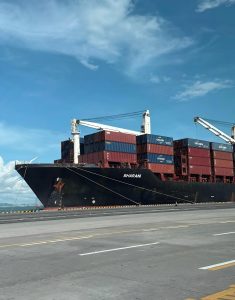
Ocean Freight Market Enters a Correction Phase After Peak Season Rush
The global container shipping market is experiencing a significant adjustment in late July 2026. According to the latest Shanghai Containerized Freight Index (SCFI), ocean freight rates declined for the third consecutive week, showing that the intense pre-shipment rush driven by tariff uncertainty and inventory preparation has gradually weakened.
On July 24, the SCFI recorded 3,062.95 points, decreasing by 17.36 points compared with the previous week, representing a weekly decline of 0.56%.
Compared with the larger decreases seen earlier in July, the latest decline indicates that the market is moving toward a more stable adjustment rather than entering a sharp downward cycle.
At BRF Logistics, we continue monitoring global freight movements, vessel capacity changes, and trade policy developments to help customers secure competitive shipping solutions during changing market conditions.
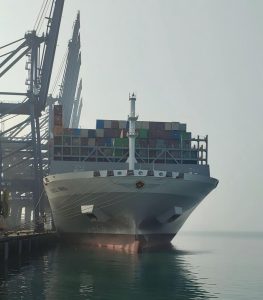
Perché Tariffe di trasporto marittimo Started Declining in July 2026
During May and June 2026, international shipping markets experienced rapid price increases.
Several factors contributed to the surge:
- Expected changes in US tariff policies encouraged importers to accelerate shipments.
- European and North American buyers increased inventory preparation.
- Limited vessel availability created stronger competition for container space.
- Shipping carriers implemented capacity management strategies.
This created a strong “rush shipping” effect, especially on China–US trade lanes.
However, entering July, the market situation changed:
- Early shipment demand was gradually completed.
- Additional vessel capacity entered major routes.
- Extra voyages and temporary vessels increased available space.
- Import demand returned closer to normal levels.
As a result, freight rates started correcting from previous highs.
Dalla Cina agli Stati Uniti Shipping Rates Continue Falling
The Transpacific market has been one of the most closely watched routes.
China to US West Coast Freight Rates
Current SCFI level:
USD 5,535/FEU
Weekly change:
Down USD 186 (-3.25%)
The US West Coast route continues facing downward pressure due to:
- Increased vessel supply
- More competitive carrier pricing
- Reduced urgency from importers
Current market reference:
- US West Coast: approximately USD 5,500–5,800/40HQ
- Pacific Northwest: approximately USD 6,000/40HQ
Although rates have declined, prices remain higher than early 2026 levels.
China to US East Coast Freight Rates
Current SCFI level:
USD 8,040/FEU
Weekly change:
Down USD 132 (-1.62%)
The US East Coast market remained stronger compared with the West Coast due to:
- Panama Canal restrictions
- Longer transit requirements
- Limited alternative capacity
However, as overall demand cools, East Coast freight rates are also gradually adjusting.
Current market reference:
USD 8,000–8,900/40HQ
Europe Shipping Market Continues Moderate Correction
European routes are also showing a gradual decline.
China to Europe Freight Rates
Current rate:
USD 3,155/TEU
Weekly decrease:
USD 60 (-1.87%)
China to Mediterranean Freight Rates
Current rate:
USD 4,351/TEU
Weekly decrease:
USD 124 (-2.77%)
Compared with the US market, European routes are experiencing a more stable correction.
Carrier competition has increased, and customers now have more opportunities to negotiate freight solutions.
Gulf Region Becomes the Strongest Growing Shipping Route
While most major trade lanes declined, the Middle East market moved in the opposite direction.
China to Persian Gulf Freight Rates
Current rate:
USD 4,584/TEU
Weekly increase:
USD 318 (+7.45%)
The increase was mainly caused by:
- Rising regional security concerns
- Modifiche all'orario delle navi
- Capacity reduction caused by route uncertainty
The Gulf route became the strongest-performing major trade lane in July.
BRF Logistics recommends customers shipping to Middle East destinations plan bookings earlier because sudden capacity changes may quickly affect market pricing.
Latest SCFI Freight Rate Summary – July 27, 2026
| Trade Lane | Freight Rate | Weekly Change |
|---|---|---|
| Far East – Europe | USD 3,155/TEU | ↓ 1.87% |
| Far East – Mediterranean | USD 4,351/TEU | ↓ 2.77% |
| Far East – US West Coast | USD 5,535/FEU | ↓ 3.25% |
| Far East – US East Coast | USD 8,040/FEU | ↓ 1.62% |
| Far East – Persian Gulf | USD 4,584/TEU | ↑ 7.45% |
| Far East – South America | USD 5,453/TEU | ↓ 7.6% |
| Far East – Australia/New Zealand | USD 2,233/TEU | ↑ 1.3% |
Ocean Freight Outlook for August 2026
Industry analysts believe the current decline represents a market correction rather than a major downturn.
Future freight rates will depend on:
1. Carrier Capacity Management
Shipping lines may continue using:
- Corse cancellate
- Schedule adjustments
- Capacity control
to prevent excessive rate declines.
2. Peak Season Demand
The traditional Q3 peak season will determine whether freight rates stabilize.
3. Global Trade Risks
Key factors include:
- Middle East geopolitical conditions
- Panama Canal operations
- US import demand
- European inventory cycles
BRF Logistics: Your Reliable Partner for Global Ocean Freight
With continuous monitoring of international shipping trends, BRF Logistics provides:
- China export ocean freight solutions
- FCL and LCL shipping
- Consegna a domicilio
- Servizi DDP/DDU
- Global customs clearance
- Competitive carrier solutions
Whether you are shipping from China to the USA, Europe, Middle East, Australia, or South America, our team helps you optimize transportation costs and reduce supply chain risks.
Contact BRF Logistics today for the latest ocean freight quotation and shipping strategy.