
EU Customs Clearance for Imports
EU customs clearance connects the commercial shipment with the legal import process required before non-EU goods can be released into the European Union.
BRF Logistics can coordinate the freight and destination customs-clearance process with the relevant parties, including importer information, EORI, classification, customs value, origin, supporting documents, duty and VAT planning, cargo release and final delivery.

What Does EU Customs Clearance Actually Do?
Customs clearance is not simply “paying duty at the port.” The customs declaration places goods under the appropriate EU customs procedure and provides customs authorities with the information needed to assess and release the shipment.
For a standard commercial import, the importer and customs representative should prepare the correct identity, classification, valuation, origin and supporting documentation before the cargo reaches the clearance stage.
Classification + Customs Value + Origin
These three elements are central to determining how imported goods are treated by EU customs.
What Is the Product?
Goods must be classified under the applicable EU tariff nomenclature.
What Is the Customs Value?
Customs valuation determines the economic value used for customs purposes.
Where Do the Goods Originate?
Customs origin can affect tariff treatment and commercial policy measures.
From Pre-Arrival Data to Cargo Release
Prepare the Customs File Before the Vessel or Aircraft Arrives
The exact documentation depends on product, origin, customs procedure and destination member state.
Do the Documents Tell the Same Story?
Commercial, transport and customs information should be internally consistent.
HS Code Is the Starting Point — EU Classification Goes Further
HS → CN → TARIC
The EU Combined Nomenclature uses an 8-digit customs classification system based on the international Harmonized System.
TARIC then integrates the EU tariff and other applicable trade measures.
Invoice Value and Customs Value Are Related — But Not Always Identical
EU customs valuation determines the economic value of imported goods for customs purposes. The correct method depends on the actual transaction.
Six Valuation Methods Exist
The transaction-value method is the primary method where its legal conditions are met.
Alternative methods can apply when transaction value cannot be used.
Country of Shipment Is Not Automatically Country of Origin
A transshipment, consolidation point or export port does not by itself change the customs origin of the product.
Origin for Normal Customs Treatment
Non-preferential origin rules apply to goods imported into the EU and can affect commercial policy measures.
Potential Preferential Tariff Treatment
Where an applicable trade arrangement exists, qualifying goods may receive preferential tariff treatment if the origin rules and proof requirements are satisfied.
ENS / ICS2 Is Not the Same as the Import Customs Declaration
ENS / ICS2
Advance cargo information is submitted for safety and security risk analysis when goods enter the EU customs territory.
Import Customs Declaration
The customs declaration is the legal act used to place the goods under the relevant EU customs procedure.

Not Every Shipment Follows the Same Customs-Control Path
Customs authorities may review shipment information and may require additional documents or cargo examination depending on the case.
Inspection should not be presented as something a freight forwarder can guarantee to avoid. The practical goal is to ensure the declared information and supporting records are prepared correctly.
From Non-Union Goods to Release for Free Circulation
For goods being released for free circulation, the applicable customs requirements must be satisfied before the cargo can move as released goods within the EU customs territory.
Released ≠ Just Arrived
Arrival at an EU port or airport does not itself mean the goods are customs-cleared.
Cargo status should be confirmed before final inland dispatch.
Importer, Declarant, Customs Representative and Forwarder Are Not Automatically the Same Party
Importing Entity
Confirm the entity used in the actual EU import structure and its relevant customs responsibilities.
Declaration Party
The declarant makes the customs declaration under the applicable legal structure.
Customs Representative
A customs representative may act within the agreed representation and authorisation framework.
BRF Logistics
BRF coordinates international freight, customs-clearance preparation and destination logistics with relevant customs partners.
DDP Does Not Remove the Need for a Workable Customs Structure
Incoterm ≠ Customs Identity
DDP allocates commercial responsibilities between seller and buyer, but customs still requires a legally workable importer, EORI, declaration and tax structure.
Do not book a DDP shipment and only later ask who will be used for EU customs clearance.
Customs Clearance Does Not Automatically Make a Product Compliant for the EU Market
Depending on the product, additional regulatory obligations can apply separately from the customs declaration.
What Can Affect the Customs-Clearance Cost of an EU Import?
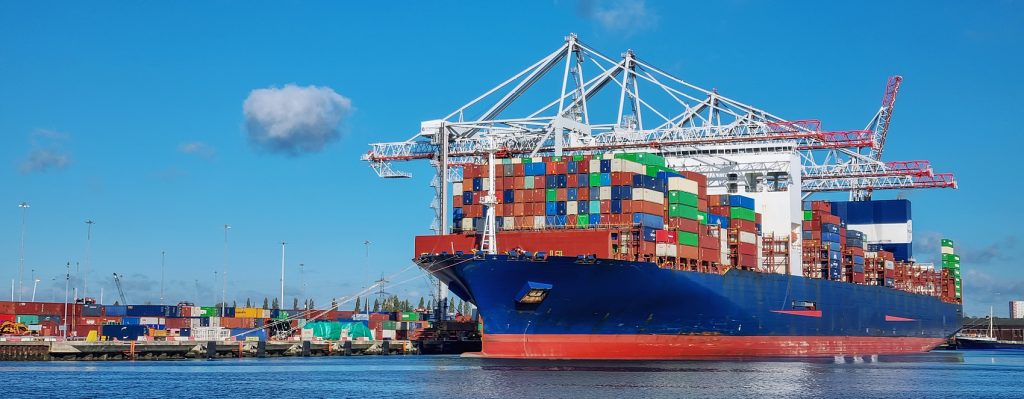
Plan Customs Before the Cargo Reaches the European Gateway
A customs issue discovered after cargo arrival can affect storage, demurrage, truck planning and final delivery.
BRF therefore recommends reviewing the key customs file before international departure whenever possible.
Connect Customs Clearance with the Actual Destination Country
EU customs has a common legal framework, but the actual shipment still needs to be planned around the responsible customs office, importer and destination structure.
Go Deeper into Each Part of EU Import Clearance
EU customs identity for relevant economic operators.
EORI Guide →Classification, origin and tariff treatment.
Duty Guide →Import tax structure for European shipments.
VAT Guide →Advance cargo safety and security data.
ICS2 Guide →European packaging obligations where applicable.
PPWR Guide →Six Common Problems to Check Before Arrival
Related BRF Logistics Pages
Domande frequenti
What is EU customs clearance for imports?
EU customs clearance is the process of placing imported goods under the appropriate customs procedure using the required declaration and supporting shipment information.
What information is most important for EU import customs clearance?
Key information typically includes the importer, EORI, product description, classification, customs value, country of origin, commercial documents, transport documents and any applicable licences or certificates.
Do EU importers need an EORI number?
The relevant economic operator participating in customs activities should have the appropriate EORI structure. The customs roles should be confirmed before filing.
What is the difference between an HS code, CN code and TARIC?
The Harmonized System is the international classification base. The EU Combined Nomenclature provides the EU's 8-digit customs classification, while TARIC integrates EU tariff and trade-policy measures.
How is EU customs value determined?
EU customs valuation uses legally defined valuation methods. Transaction value is the primary method where its conditions are satisfied, with alternative methods available when necessary.
Does the country I ship from determine the customs origin?
Not automatically. Country of shipment, transshipment or consolidation does not by itself determine the customs origin of the product.
What is preferential origin?
Preferential origin may allow qualifying goods to receive preferential tariff treatment under an applicable trade arrangement, provided the relevant origin rules and proof requirements are satisfied.
Is ICS2 the same as an import customs declaration?
No. ICS2 is associated with advance safety and security cargo information such as the Entry Summary Declaration, while the customs declaration places goods under the relevant customs procedure.
Can EU customs inspect my shipment?
Customs authorities may carry out document reviews or cargo examinations according to their control and risk-management procedures.
What is release for free circulation?
For a standard import, release for free circulation allows qualifying released goods to circulate within the EU customs territory after the applicable customs and regulatory requirements have been satisfied.
Does DDP automatically solve EU customs clearance?
No. DDP allocates commercial responsibilities, but a workable importer, EORI, declaration, duty, VAT and customs-representation structure still needs to exist.
Does customs clearance mean the product complies with all EU product rules?
No. Customs clearance and product compliance are separate issues. Product-specific safety, technical, labelling, licensing, environmental or packaging requirements may apply.
Can BRF coordinate customs clearance and door delivery?
BRF can coordinate international freight, customs-clearance preparation with relevant destination partners and final delivery for supported shipments and routes.
What information should I send BRF for an EU customs quotation?
Provide origin country, destination country, product description, HS code if available, country of origin, commercial value, package quantity, dimensions, gross weight, transport mode, intended importer, EORI and VAT information where relevant, and the final delivery postcode.
Prepare the Customs File Before the Cargo Arrives in Europe.
Send BRF the product, origin, commercial value, EU destination and importer information. We can review the logistics structure and coordinate international freight, customs-clearance preparation and final European delivery.