In recent months, global shipping routes through the Middle East have experienced significant disruptions due to geopolitical tensions and regional security concerns. These challenges created uncertainty for international trade, particularly for exporters and importers relying on key shipping corridors connecting Asia, Europe, and Africa.
However, according to the latest updates in 2026, maritime operations across the Middle East region are gradually returning to normal. Major shipping lanes have resumed operations, and vessels are once again calling at important regional ports. This development brings renewed confidence to global supply chains and creates fresh opportunities for manufacturers, traders, and logistics providers involved in Middle Eastern trade.
For companies with cargo destined for the Middle East, this is an important moment to restart shipments and re-establish stable logistics channels.

The Strategic Importance of Middle East Shipping Routes
The Middle East has long served as a critical hub for global maritime trade. Positioned between Asia, Europe, and Africa, the region plays a vital role in connecting international shipping networks.
One of the most important shipping corridors in the world, the Strait of Hormuz, handles a large portion of global maritime traffic. Similarly, the Red Sea and the Suez Canal are key maritime gateways linking Asia with Europe and the Mediterranean.
Because of their strategic locations, Middle Eastern ports serve as major distribution hubs for cargo entering the Gulf region, North Africa, and surrounding markets.
Now that shipping activity is gradually stabilizing, international logistics companies and freight forwarders are working to restore normal cargo flows across these vital routes.
Key Middle East Ports Resuming Normal Operations
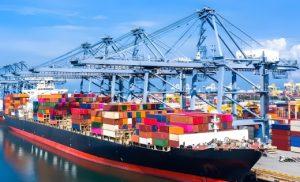
With maritime routes reopening, several major ports in the region are once again handling international cargo and container traffic. Among the most important logistics hubs are:
Port of Jebel Ali – United Arab Emirates
Located in Dubai, Jebel Ali is the largest container port in the Middle East and one of the busiest ports in the world. It serves as a major transshipment hub connecting Asia, Europe, and Africa. The port is also closely integrated with the region’s largest logistics and free trade zone.
Port of Dammam – Saudi Arabia
The primary gateway for cargo entering eastern Saudi Arabia, Dammam plays a vital role in supplying industrial goods and consumer products to the kingdom’s growing economy.
Port of Hamad – Qatar
As the main international port serving Qatar, Hamad Port has developed into a modern container terminal capable of handling large volumes of international cargo.
Port of Sohar – Oman
Located between Dubai and Muscat, Sohar Port is an important logistics and industrial hub supporting regional trade across the Gulf.
These ports play a key role in ensuring smooth cargo movement throughout the Middle East and beyond.
Growing Shipping Demand from Manufacturers and Importers
As shipping routes resume, demand for freight transportation to the Middle East is quickly increasing. Manufacturers, exporters, and procurement companies are now actively arranging shipments to meet rising market demand.
Products commonly exported to the Middle East include:
- Building materials and construction equipment
- Aluminum fences, gates, and metal products
- Furniture and home decoration products
- Plastic and household goods
- Industrial machinery and spare parts
- Consumer goods and retail merchandise
Many of these shipments originate from major manufacturing hubs in Asia, particularly China, where exporters are eager to resume deliveries to Gulf countries and surrounding markets.
With the reopening of Middle Eastern shipping routes, businesses now have the opportunity to restore trade relationships and expand their presence in these rapidly developing markets.
Logistics Challenges in the Post-Disruption Period
Although shipping routes have resumed, global supply chains are still adjusting after the recent disruptions. As a result, several logistical challenges may still arise, including:
- Fluctuating freight rates
- Limited vessel space on certain routes
- Temporary port congestion
- Schedule adjustments from shipping lines
Because of these factors, professional logistics planning and reliable freight forwarding services are more important than ever.
Companies shipping cargo to the Middle East must work with experienced logistics partners who understand regional shipping conditions and can provide flexible transport solutions.
BRF Logistics: Your Reliable Partner for Middle East Shipping
As global shipping routes reopen, BRF Logistics is fully prepared to support manufacturers, exporters, and procurement companies with professional freight forwarding services to the Middle East.
With extensive experience in international logistics and strong partnerships with major carriers, BRF Logistics offers reliable and efficient cargo transportation solutions across the region.
Professional Ocean Freight Services
BRF Logistics provides competitive sea freight solutions connecting Asia with major Middle Eastern ports. Through long-term cooperation with global shipping lines, the company ensures stable sailing schedules and secure container space.
Flexible Shipping Solutions
Every shipment is different, and BRF Logistics offers customized logistics plans based on each client’s specific requirements. Whether cargo is destined for Dubai, Saudi Arabia, Qatar, or other regional markets, the company can design the most efficient shipping route.
Cargo Safety and Full Process Monitoring
Safety and transparency are essential in international logistics. BRF Logistics provides full cargo tracking and real-time shipment updates, ensuring that clients always know the status of their goods during transportation.
Professional Customer Support
From booking space to customs documentation and final delivery coordination, BRF Logistics provides comprehensive logistics support throughout the entire shipping process.
The company’s experienced logistics team helps clients minimize risks and ensure that cargo arrives safely and on time.
Restart Your Middle East Shipments Today
The recovery of Middle East shipping routes marks an important step toward restoring global trade stability in 2026. With ports reopening and vessel schedules returning to normal, businesses now have a valuable opportunity to resume cargo shipments and strengthen their presence in the region.
For manufacturers and buyers with cargo transportation needs to the Middle East, partnering with an experienced logistics provider is the key to ensuring smooth and secure deliveries.
If you have cargo shipments destined for Middle Eastern ports, contact BRF Logistics today. Our professional freight forwarding team will provide reliable logistics solutions to ensure your goods reach their destination safely and efficiently.
Together, we can keep global trade moving forward.