Among all the freight transportation types, ocean sea freight is considered the most affordable option. However, it can be expensive if you don’t utilize it the right way. Many businesses depend on sea freight to move their goods across the world. But, high costs start eating the profits. This is why you should find ways to reduce these costs.
In this article, we will discuss some factors affecting sea freight. You will also learn practical tips to reduce ocean sea freight expenses.
What Is Ocean Freight?
Fret maritime is moving goods from one place to another by sea route. It is the cheapest and most economical way of transporting the cargo. However, it takes a longer time to transport your shipment to the destination.
Facts:
- It is typically the transportation of goods of weight greater than 100kg.
- Approximately 90% of cargo is transported through ocean freight.
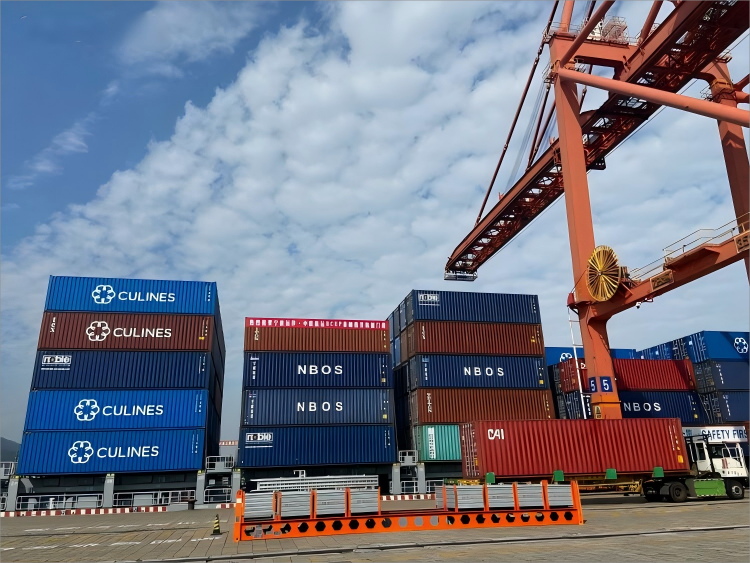
Factors Affecting The Ocean Freight
Some factors influence the rate and time of ocean freight. These are:
1. Weather
Le freight forwarders or carriers might increase the cost of ocean freight due to poor weather conditions. In the winter season, the chances of storms or fog are greater, therefore chances of an increase in shipment cost are also greater. It is recommended to avoid shipping your goods in bad climate conditions.
2. Shipment Amount
The amount of the cargo also impacts the cost of freight. The greater amount of cargo puts more weight on the ship which leads to more fuel consumption. In addition, the costs of handling goods also increase the overall cost.
Moreover, shipping hazardous material requires special care during transport which leads to higher shipment costs.
3. Distance
The greater the distance from the root terminal to the final port, the longer time is needed to transport the cargo. The longer route also becomes the reason for higher freight costs due to the large fuel required to reach the destination. Therefore, the journey of your cargo also decides the cost & time of the shipment.
4. Delivery Rate
If you need urgent delivery then you have to pay through your nose. The ocean freight cost also depends on the delivery time. Therefore, you have to be flexible because these types of things take time to complete.
Remarque : The sea freight takes about one to two months to deliver your goods to another country.
5. Fuel Prices
Fuel prices fluctuate due to global economic conditions and may increase from time to time. When the cost of fuel increases, it affects not only freight forwarders but also all the ways of transporting humans and goods. This will indirectly affect the bank balance of businesses and the common man.
6. Service Charges
Except for freight charges, there are also other service charges like cargo handling and port entrance costs. These extra charges depend on the source and target country. There are also some other taxes you have to pay for your transport.
How to Reduce Ocean Sea Freight Costs: 10 Smart Ways to Save
Fret maritime remains one of the most cost-effective methods for shipping large volumes of goods internationally — especially from China to destinations like the U.S., Australia, and Europe. However, with rising fuel costs, container shortages, and fluctuating rates, reducing your ocean freight costs is more important than ever.
This guide shares 10 practical strategies to lower your sea freight expenses without compromising shipping reliability or service quality.
1. Optimize Your Packaging
Poor packaging can lead to wasted space and higher freight charges. To reduce costs:
Utilisation palletized packaging or stackable cartons
Avoid shipping air by choosing the right container size
Reduce cargo volume through smarter design or material choices
Better packaging equals more efficient container loading, which means fewer containers and lower costs.
2. Consolidate Shipments (LCL to FCL)
If you’re regularly shipping small volumes (LCL), consider consolidating shipments to fill a full container (FCL). FCL rates are cheaper per cubic meter and reduce handling risks.
Alternatively, work with a freight forwarder offering LCL consolidation services, combining your cargo with others bound for the same destination.
3. Plan Ahead and Book Early
Booking at the last minute often leads to premium rates or limited space.
To avoid this:
Plan shipments 4–6 weeks in advance
Book containers early to lock in lower base rates
Avoid peak seasons (e.g., pre-Chinese New Year or Golden Week in China)
Advanced planning allows your forwarder to negotiate better prices with carriers.
4. Choose the Right Incoterms
The Incoterms you choose can directly impact your costs. For example:
FOB (franco à bord) gives you more control over ocean freight costs
Avoid EXW (départ usine) if you don’t have strong shipping expertise or local contacts
Discuss Incoterm options with your freight forwarder to align responsibilities and minimize unexpected charges.
5. Leverage Long-Term Contracts
If you ship regularly, negotiate long-term contracts with your freight forwarder or carrier. These often include:
Discounted rates for volume commitments
Priority space allocation
Better predictability during high-demand periods
Reliable shipping partners like BRF Logistics can help you structure favorable agreements.
6. Use Cost-Effective Ports
Sometimes, choosing an alternative port can lead to savings.
For example:
In the U.S., shipping to Los Angeles may be cheaper than Oakland
In China, Ningbo can be more cost-effective than Shanghai
Evaluate port handling charges, inland trucking costs, and transit times to find the most efficient route.
7. Avoid Unnecessary Fees
Ocean freight invoices often include hidden or avoidable charges, such as:
Detention and demurrage fees
Port congestion surcharges
Erreurs de documentation
Work with a forwarder who reviews these charges and helps you avoid them through enlèvement dans les délais, accurate paperwork, and proactive communication.
8. Select the Right Container Type
Choosing the wrong container can lead to inefficiencies and higher costs.
For heavy goods: Consider a 20-foot container
For voluminous goods: A 40-foot high cube may offer better value
Ask your logistics provider to help optimize container choice based on weight and volume.
9. Optimize Inland Transportation
Domestic trucking and drayage costs can inflate your total freight bill.
To reduce this:
Choose a port closer to your final destination
Consolidate inland deliveries
Work with a local provider who offers competitive last-mile delivery rates
10. Work With a Trusted Freight Forwarder
A professional freight forwarder can make a huge difference by:
Offering competitive rates
Helping you avoid penalties and delays
Advising on route optimization and documentation
À BRF Logistics, we specialize in cost-efficient ocean shipping from China to global destinations — offering tailored solutions to minimize costs and maximize reliability.
Conclusion: Start Saving on Sea Freight Today
Reducing ocean freight costs isn’t just about picking the cheapest carrier — it’s about smart planning, better consolidation, and choosing a proactive logistics partner who works in your interest.
Need help optimizing your ocean freight costs?
Contact BRF Logistics today for a free quote and expert shipping advice from China’s major ports — including Shanghai, Ningbo, Shenzhen, Qingdao, Tianjin, Dalian, and Xiamen.
FAQs: Reducing Ocean Freight Costs
How can I avoid demurrage and detention charges?
Pick up and return containers on time, and communicate closely with your freight forwarder to avoid delays at port.
Is LCL or FCL more cost-effective?
FCL is more cost-effective par CBM if you can fill most of the container. LCL is better for small, infrequent shipments.
Do freight forwarders help reduce costs?
Yes. A good forwarder negotiates rates, consolidates cargo, and advises on best routes and container usage to help reduce your total cost.