Versand von Waren from China to Canada is a common route for businesses engaged in international trade. With a strong trade relationship, both countries rely heavily on efficient logistics to ensure products reach their destinations in a timely manner. Whether you’re importing consumer goods, electronics, or industrial products, this guide will help you understand the key elements involved in shipping from China to Canada.
Whether you need to ship from China to Vancouver, Montreal, Toronto or any other cities in Canada, Bansar can always provide you with the best shipping solution. You will get the best cost shipping from China to Canada by sea freight, air freight. Ask our best shipping rate now!

Bitte kontaktieren Sie mich jederzeit für ein Angebot!
1. Shipping Methods from China to Canada
When choosing a shipping method from China to Canada, it’s important to weigh factors like cost, transit time, and the nature of the goods being shipped. Below are the most common shipping methods:
Sea Freight (Ocean Freight)
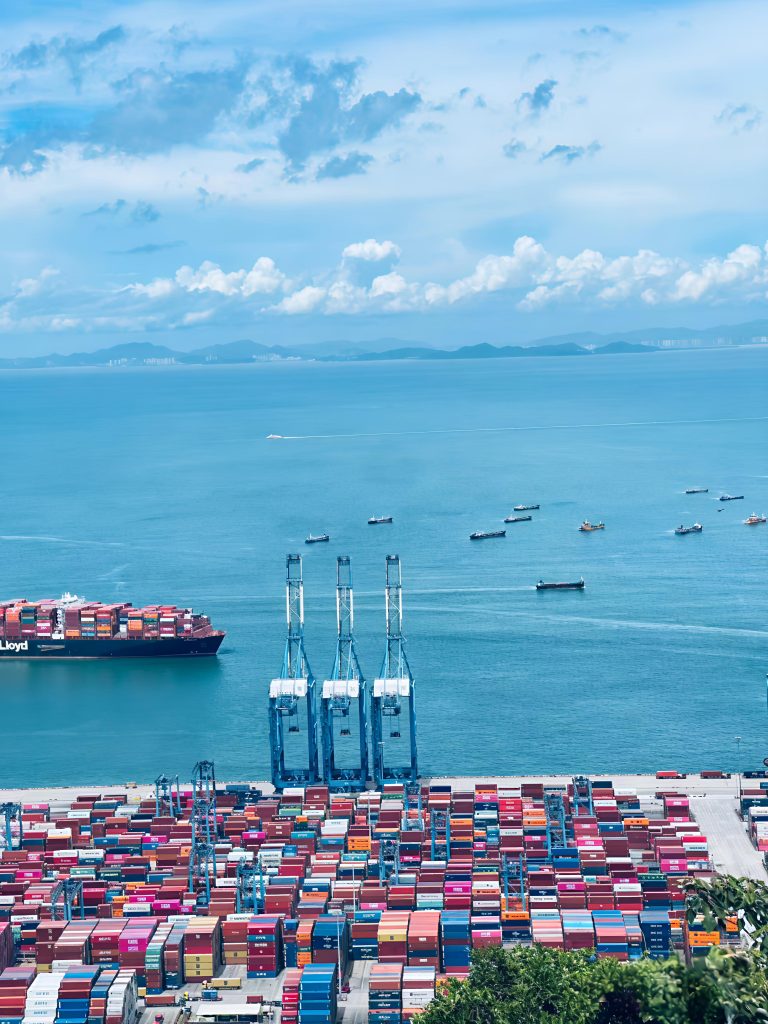
Sea freight remains the most economical option for shipping large quantities of goods from China to Canada. While it is slower (typically taking 20-30 days), it’s ideal for bulky or non-urgent shipments. This option is best for businesses importing in bulk.
Luftfracht
For faster delivery, air freight is the best choice. While more expensive than sea freight, air shipping can deliver goods from China to Canada in just 3-7 days. This method is most suitable for high-value or time-sensitive items.
Güterverkehr auf der Schiene
Rail freight can be a good alternative, especially for shipments that need to move from inland China to Canada. Rail transport typically takes longer than air freight but is more affordable and quicker than sea freight.
2. Factors Affecting Shipping Costs from China to Canada
The cost of shipping can vary based on several factors:
Weight and Volume: Heavier and bulkier shipments cost more to ship. However, large shipments often benefit from volume discounts.
Versandart: Air freight is the most expensive, followed by rail, while sea freight offers the lowest cost, especially for bulk shipments.
Bestimmungshafen: The cost of shipping can differ depending on the Canadian port you’re shipping to. Major ports like Vancouver, Toronto, and Montreal are common entry points.
Seasonality: Costs can fluctuate depending on peak seasons such as the Chinese New Year or the holiday season in Canada.
3. Essential Steps for Shipping from China to Canada
Step 1: Choose the Right Freight Forwarder
A reliable freight forwarder plays a crucial role in managing your shipping process. They will handle logistics, customs documentation, and ensure smooth coordination between different transport modes.
Step 2: Prepare Documentation
Proper documentation is essential for customs clearance. Key documents you’ll need include:
Handelsrechnung
Frachtbrief
Packliste
Ursprungszeugnis
Emanifest(EMF)
Step 3: Customs Clearance in Canada
Once your shipment reaches Canada, it must go through customs clearance. A customs broker can help ensure your goods comply with Canadian regulations. Be prepared for duties and taxes depending on the product classification.
Step 4: Final Delivery
After clearing customs, your goods will be delivered to their final destination. Whether it’s a warehouse or your business location, ensure you track the shipment for updates on delivery status.
4. Major Ports in Canada for Shipping from China
Canada’s major ports play a key role in facilitating trade with China. The following ports are commonly used for shipping from China:
Hafen von Vancouver: The busiest port on the west coast, offering excellent connectivity for shipments arriving from China.
Hafen von Montreal: Located in the eastern part of Canada, it serves as a key port for international trade, especially for shipments moving to central Canada.
Hafen von Toronto: A major gateway for goods entering Ontario and the surrounding regions.
5. Customs Duties and Taxes in Canada
The Canadian government imposes duties and taxes on goods imported from China. The duty rates vary depending on the classification of the goods under the Harmonized System (HS) Codes. Be aware of these tariffs, as they can impact the overall cost of your shipment. Additionally, Canada’s Goods and Services Tax (GST) und Provincial Sales Tax (PST) may apply depending on the province.
6. Tips for Efficient Shipping from China to Canada
Plan Ahead: Shipping from China can take time, so it’s essential to plan your logistics well in advance to avoid delays.
Consolidate Shipments: If possible, consolidate smaller shipments into larger ones to reduce shipping costs.
Understand Incoterms: Get familiar with Incoterms (EXW, FOB, DDP, etc.) to clarify responsibilities and costs between you and the seller.
Track Shipments: Always track your shipments to ensure they arrive on time and manage any potential delays.
7. How will my goods be picked up and delivered?
A freight forwarder will pick up the goods at any location you specify. Depending on the quantity and weight of the goods, the freight forward will find the optimal method to pick up the goods such as FCL shipment, LCL shipment, or OOG shipment.
About the delivery, your choice of Incoterm is an important factor that will determine the means of transportation and the place to end the responsibility to deliver goods.
8. What are the reasons why my shipment is not delivered on time?
Some reasons why your shipping may be delayed include:
- Trouble with customs clearance because you do not prepare the necessary documents completely and accurately
- Bad weather conditions such as storms will affect the departure time
- Shipping goods during peak shipping times will cause congestion of goods and take longer to process
Versand von China nach Kanada involves a detailed process, but with careful planning and the right partners, it can be a smooth and cost-effective experience. Whether you choose sea freight, air freight, or rail, understanding the various steps, costs, and documentation required will ensure that your goods arrive safely and on time. With the right freight forwarder and knowledge of Canadian customs, you can streamline your shipping process and enhance your international business operations.