Why Picking the Right Chinese Port Matters
China hosts several of the world’s busiest seaports—and choosing the right one profoundly influences your shipping costs, delivery speed, and logistics efficiency. For example, selecting Shenzhen for electronics or Ningbo for heavy industrial cargo can boost your supply chain performance, reduce delays, and cut expenses.
Sea freight is the main shipping mode not just China but also in international logistics.
Presently, over 90% of imports from China are shipped by sea.
And the shipping is mostly done from the ports of Shanghai, Shenzhen, Qingdao, Dalian, Xiamen, Tianjin, Ningbo and Guangzhou to various destinations across the globe.
Now, with your interest to trade in China, it would be best to know which ports you will be shipping your goods from.
So, here are the main seaports in China.
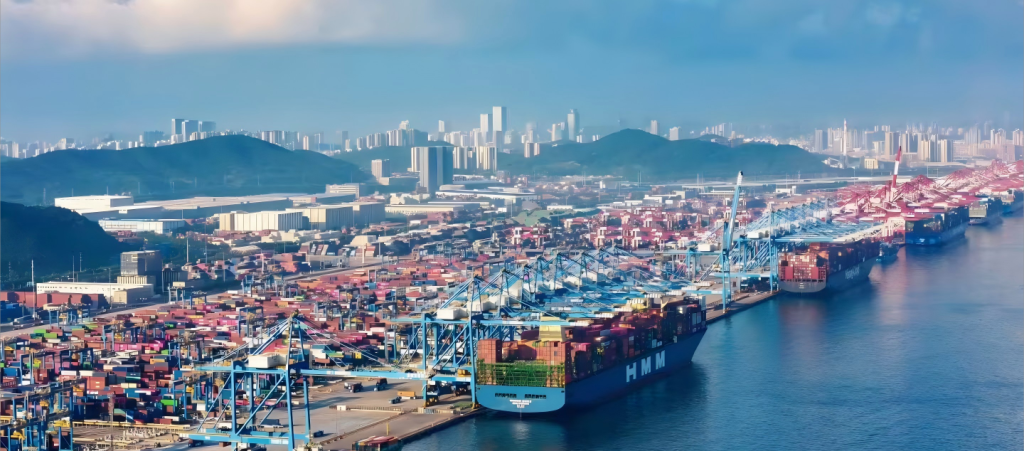
· Port of Shanghai – World’s Busiest Container Hub
The Shanghai seaport is one of China’s largest and busiest seaports.
It is located in Shanghai city east of the East China Sea and south of Hangzhou Bay.
The port handles a massive amount of cargo with records as at 2024 showing that a historic 50 million TEUs of cargo was handled by the port that year alone.
That aside, Shanghai seaport is managed by the Shanghai international port.
Ideal für: High-volume exports, electronics, consumer goods
Thanks to its immense capacity and automation, Shanghai consistently tops global rankings.
· Port of Guangzhou – Pearl River Delta Export Hub
Economically, Guangzhou is a very important city in China.
It serves as the main trade hub of the country’s southern region.
The city plays an important role in the development of China’s economy.
As a seaport, Guangzhou is located in Guangzhou city, Guangdong province of China.
Its maritime trade reaches over 300 ports in more than 80 destinations across the globe.
Note that the port also serves as Guangdong’s and the Pearl River Delta region’s primary economic and transportation hub.
The numerous industries in Guangzhou and neighboring towns, i.e., Hubei, Hunan, Huizhou, Yunnan, and Sichuan; also rely on this seaport for transportation among other trade-related activities.
With its balanced mix of cargo types and transport links, Guangzhou suits varied export needs.
· Port of Tianjin – Maritime Gateway for Beijing
Tianjin seaport which was formerly known as port Tangju is the largest port in northern China.
It is definitively located on the western shore of Bohai Bay, centered on the estuary of Haihe River, 170km southeast of Beijing.
It covers 121 km² of land surface, with over 31.9 km of quay shoreline.
The port of Tianjin remains to be the largest man-made seaport in mainland China and among the top ten largest ports in the word.
Rated as the world’s 4th largest seaports by cargo throughput, Tianjin port is an important trading center in northern China, mainland China.
Starting as just a small port, Tianjin has grown at a rapid rate to become one of the world largest and busiest seaports.
The port links to over 600 ports in more than 180 countries all over the world.
The reference gateway underlines its strategic importance to Beijing.
Because it serves Beijing’s hinterland, Tianjin suits companies targeting North China markets.
· Ningbo–Zhoushan Port – Container Throughput Leader
This is a deep sea port that is with modern infrastructure and other developments.
The port is located in Ningbo and Zhou Shan, on the coast of the East China Sea.
Ningbo and Zhou Shan are in Zhejiang province south of Hangzhou Bay, across which it faces Jinxing and Shanghai.
The superior hinterland and natural conditions of Ningbo and industrial affinity of Zhou Shan, make this port quite a sterling.
The constant development done at this port continues to increase its demand in cargo transportation.
Currently, the port can handle over 100 million tons of cargo annually.
It also serves more than 560 ports in over 90 countries globally.
Because of its scale and infrastructure, Ningbo–Zhoushan suits heavy freight and long-haul shipments.
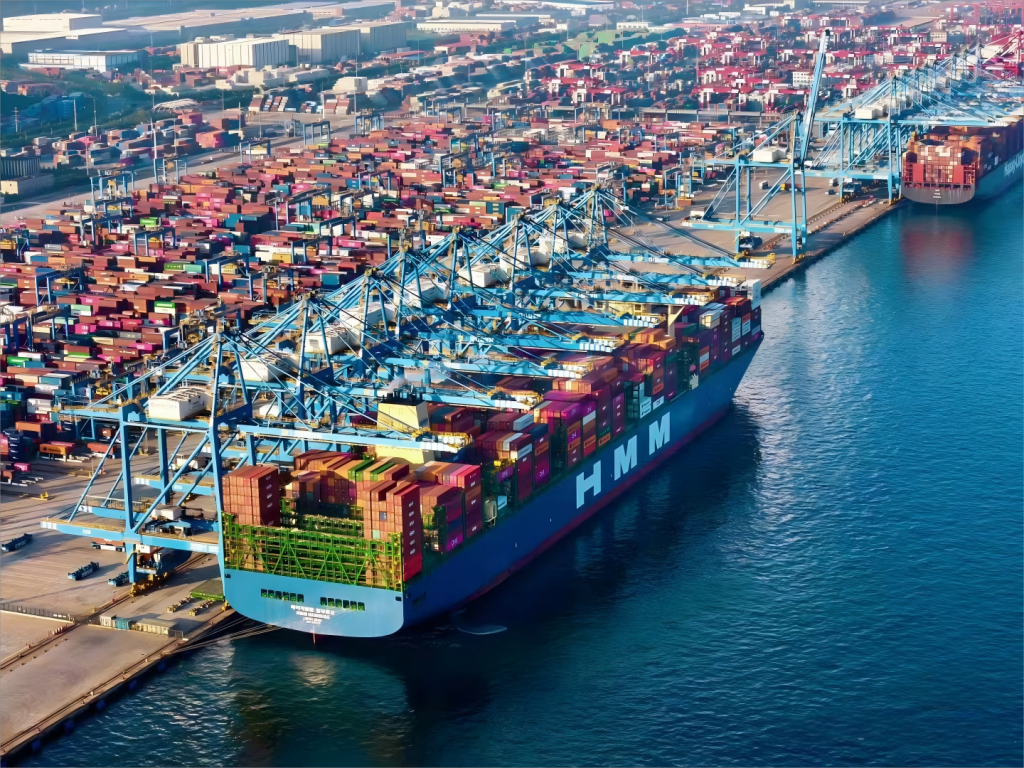
· Port of Shenzhen – Pearl River Delta’s Shipping Powerhouse
The port of Shenzhen is bulging. Its annual container throughput has exceeded the 25 million TEU mark.
The port is spread across the 260 km coastline of Shenzhen, Guangdong province of China.
Unlike the other ports we’ve mentioned above, the port of Shenzhen is not a singular port.
It is a collective name for various ports located on the Shenzhen coastline.
Cargo transported via the Shenzhen port mainly comprises of fertilizer, coal, oil, ore, sugar, steel, cement, grains and many more.
This port, I must mention, is one of the fastest growing, with an annual growth rate of over 20% both in cargo and container throughput.
Today, the port of Shenzhen is recognized globally as one of the largest and busiest seaports in the world.
Since Shenzhen neighbors the manufacturing heartland, it offers fast fulfillment and customs processing.
·Port of Qingdao – Versatile North‑East China Gateway
The port of Qingdao is large and busy one in China.
Like Shenzhen, Qingdao is a combination of three ports that were merged to form what is presently one of the largest shipping and logistics center in North East Asia.
This port comprises 15 terminals, 73 births and it mainly engages in the transportation of coal, crude oil, ore, among other types of goods.
Besides, freight services, Qingdao also engages in some cargo handling services which include customs clearance, loading and offloading, warehousing, etc.
The port has many shipping companies with establishments there.
Its operational routes serve over 450 ports in more than 130 countries and territories around the world.
Owing to its multi‑terminal setup, Qingdao handles both containers and general cargo effectively.
· Port of Xiamen
The port of Xiamen is located in Fujian province, south coast of China.
This port can handle 6th generation large container vessels linking over 68 routes in more than 50 countries worldwide.
It is an important port because some of the world’s top shipping companies have established their hubs and routes here.
The port of Xiamen has a cargo handling capacity of over 1.30 million TEUs of containers.
It is owned and operated by the Xiamen port authority.
· Port of Dalian
The Dalian seaport mostly engages in the transportation of crude oil, containers, refined oil, coal, grains, bulk minerals, chemical products and many other goods.
The port which is located in the Liaoning province of China is regarded as one of the most northern ice-free port in the country.
The port of Dalian is the main gateway to Pacific Northwest regions and serves routes across South, South and East Asia, North America and Europe.
It is also the largest container transshipment hub in mainland China.
This seaport I must say is quite large as it covers a water area of about 346 km² and land surface of about 15km².
The port has quite some loading and discharging equipment.
It also has about 80 modern berths which are in production.
38 of which are deepwater berths for vessels exceeding 10,000 tonnes of deadweight.
These are the 8 main seaports in China.
Note that extensive port knowledge and expertise is essential anytime you ship goods from China via water.
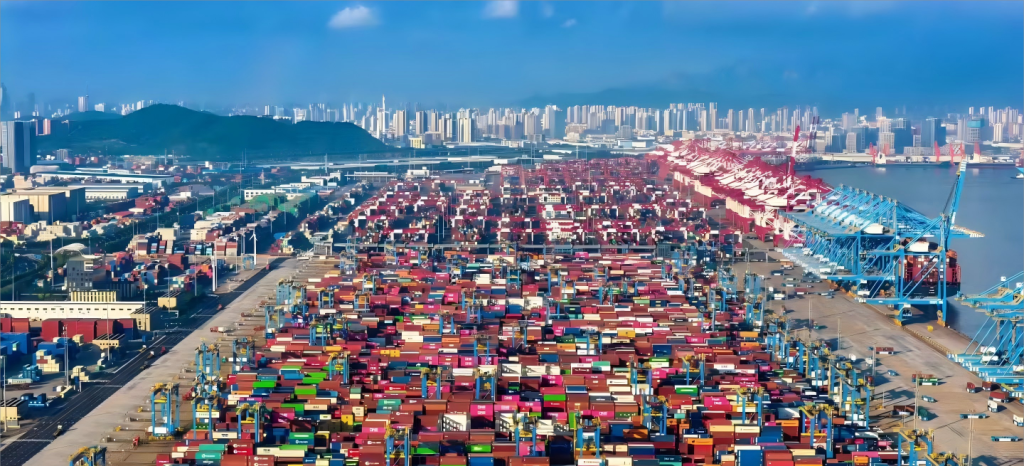
How to Choose the Right Port in China?
When choosing a Chinese port, consider:
Proximity to your supplier or factory
Shipping line availability and rates
Port congestion and lead times
Your cargo type and export volume
By partnering with a reliable forwarder like BRF Logistics, you can access data‑driven port selection and streamlined logistics support.
Plan Your Ocean Freight from the Right Chinese Port
China’s ports are strategic gateways for global trade. Understanding each port’s logistics strength ensures smoother shipments and better freight control. Whether you’re shipping via FCL or LCL, choosing the right sea port is critical for timely and cost-effective delivery.
Need help shipping from China?
Kontakt BRF Logistics – your expert Spediteur in China – to get tailored port recommendations and ocean freight solutions.
Q1: What is the busiest sea port in China?
A: The Port of Shanghai is the busiest, handling over 40 million TEUs annually.
Q2: Which port should I use for shipping from South China?
A: Shenzhen and Guangzhou are the best ports for exports from South China.
Q3: How do I choose a port for ocean freight from China?
A: Consider factors like location, cargo type, shipping route, and freight costs. Your freight forwarder can help you decide.
Q4: Can I ship LCL from all major Chinese ports?
A: Yes, most major ports like Shanghai, Ningbo, and Shenzhen support LCL (Less than Container Load) shipping.