Your guide to trade routes what you need to know
In the world of global commerce, trade routes are the invisible highways that connect countries, facilitate international trade, and keep the world economy moving. Whether you’re a Spediteur, an importer/exporter, or a global manufacturer, understanding key trade routes can give your business a competitive advantage.
This guide will walk you through the major trade routes, their significance, and how they affect your supply chain.
What Are Trade Routes?
Trade routes are established paths—land, sea, or air—used for transporting goods and services between regions. These routes date back centuries and are critical for global logistics, economic development, and international relations.
In modern logistics, the focus is on maritime trade routes, which handle over 80% of the world’s merchandise trade by volume.
CHINA TO UK
CHINA TO JAPAN

Why Trade Routes Matter in Logistics
Cost Efficiency:
Choosing the right route helps reduce transit time, fuel consumption, and freight charges.Faster Delivery:
Efficient routes help avoid bottlenecks, delays, and congested ports.Risk Management:
Certain trade routes may be more prone to piracy, political instability, or natural disasters.Customs and Regulatory Simplicity:
Some routes pass through countries with complex customs procedures; others offer streamlined clearance processes.
Types of Trade Routes
Land Routes
It deals with the transportation of goods by roads or highways. They are helpful if you’re transporting products where sea or air routes are not possible. These include:
- Trans-Siberian Highway that connects Europe and Asia.
- Pan-American Highway that goes all the way from Alaska down to Argentina.
Sea Routes
It mainly utilizes the ocean and sea for transportation of goods through ships. These routes are cost-effective for large size cargo, making it the great for international trade.These include:
- Suez Canal which reduces time to transport goods between Europe and Asia.
- Panama Canal which is helpful in shipping particularly between the Americas and Asia.

Air Routes
Air routes involve transportation of goods through aircraft that is helpful in the quick delivery of goods of high value or urgency. These include:
- Hong Kong to Los Angeles Flights that go over the Pacific for time-sensitive goods.
- Singapore to London Flights that offers fast connections between Asia and Europe.
Rail Routes
Rail routes use trains to move goods by land. They are effective in the transportation of bulky volumes of cargo over long distances. They include:
- Trans-Siberian Railway that connects Moscow to Vladivostok which gives you an efficient way of moving cargo between Europe and Asia.
- China-Europe Railway Express that provides an overland transport solution from China to Europe without using any sea route.
Major Global Trade Routes
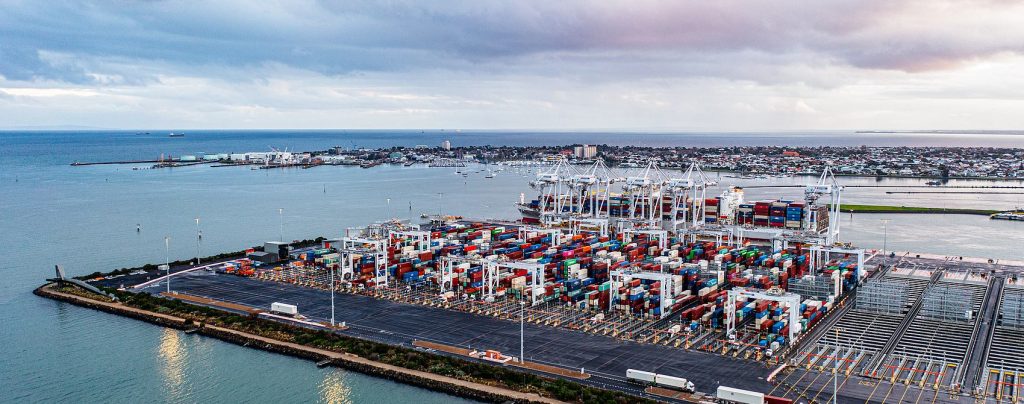
1. Trans-Pacific Route
Connects: Asia (China, Japan, South Korea) to North America (USA, Canada)
Key Ports: Shanghai, Shenzhen, Los Angeles, Long Beach, Vancouver
Importance: One of the busiest trade corridors, heavily used for electronics, consumer goods, and machinery.
2. Asia–Europe Route (via Suez Canal)
Connects: East Asia to Europe via the Indian Ocean and Red Sea
Key Ports: Ningbo, Rotterdam, Hamburg, Antwerp
Importance: Crucial for high-volume container shipping, especially for manufacturing goods.
3. Trans-Atlantic Route
Connects: North America and Europe
Key Ports: New York, Savannah, Hamburg, Felixstowe
Importance: Important for automotive, pharmaceutical, and chemical industries.
4. Intra-Asia Route
Connects: East, Southeast, and South Asia
Key Ports: Singapore, Hong Kong, Port Klang, Busan
Importance: High frequency and shorter distances; driven by regional manufacturing.
5. China to Australia Route
Connects: East China ports to major Australian cities
Key Ports: Qingdao, Shanghai, Sydney, Melbourne
Importance: Fast-growing route for raw materials and consumer goods.
Importance of Trade Routes in Modern Business
Trade routes impact the movement of goods and services around the globe. Here’s why they matter:
- Efficient Supply Chains
Trade routes can help you move products faster and at affordable costs and improve your supply chain.This efficiency lowers your costs while shortening delivery times if handled properly.
- Accessing Global Markets
Using established trade routes, you can reach customers anywhere in the world, expanding your market and sale opportunities. Such access helps your business grow and stay competitive.
- Economic Growth
Trade routes can offer you economic growth through the sale and buying of goods between countries. The exchange raises the bar for your business and contributes to economic development in the areas you serve.
- Cost Reduction
Efficient trade routes reduce the costs of shipping and logistics. Direct and shorter routes reduce transport cost, and minimize delays which could increase your profits.
- Ease of Access to Resources
Trade routes give you access to many resources and materials that are not available in your local vicinity. Access is important in sourcing raw materials necessary for your products and operation.
How to Choose the Right Trade Route
When planning your international shipments, consider the following:
| Faktor | Consideration |
|---|---|
| Durchlaufzeit | Choose faster routes for perishable or urgent goods |
| Freight Cost | Ocean freight is cheaper, but slower than air |
| Port Congestion | Avoid frequently congested ports like LA during peak season |
| Trade Agreements | Routes between FTA countries may reduce tariffs |
| Carrier Schedules | Work with reliable carriers that serve your desired route |
| Customs Efficiency | Countries with clear customs procedures can speed up delivery |
Future Trends in Global Trade Routes
Arctic Shipping Lanes:
Melting ice opens new routes between Asia and Europe via the Arctic, reducing travel time.Green Trade Routes:
Ports and shipping companies are shifting toward eco-friendly operations, using cleaner fuels and carbon-neutral technologies.Digital Trade Corridors:
Integration of blockchain, AI, and digital customs platforms will make trade routes more transparent and efficient.
Understanding global trade routes is essential to streamlining your international shipping operations. By choosing the right route, your business can save time, reduce costs, and improve supply chain efficiency.
If you’re unsure which trade route works best for your shipment, consult a trusted freight forwarder like BRF Logistics. We help you navigate complex international routes with optimized shipping solutions tailored to your business needs.
Häufig gestellte Fragen (FAQ)
Q1: What is the most commonly used trade route in global shipping?
A: The Trans-Pacific Route (China to the U.S.) is one of the busiest and most vital for global commerce.
Q2: How do trade routes affect shipping costs?
A: Longer or congested routes typically increase shipping costs due to higher fuel use, port fees, and delays.
Q3: Can trade routes change over time?
A: Yes, factors like geopolitical tensions, climate change, and infrastructure development can shift preferred trade routes.
Q4: Which is faster – sea freight or air freight?
A: Air freight is faster but more expensive. Sea freight is more economical for large, non-urgent shipments.