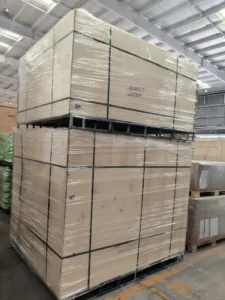
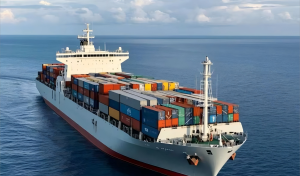
Buying marine cargo insurance is an important step in protecting an international shipment. However, arranging insurance does not automatically mean every stage of transportation—or every type of damage—is covered.
One detail deserves particular attention: where does the insurance coverage end?
A shipment of polyurethane waterproof coating from Qingdao, China, to Mundra Port, India, illustrates why the insured destination must be checked carefully before departure. Damage was discovered at the customer’s premises, but the insurance policy named the destination port rather than the final warehouse.
The claim resulted in an 80% compensation outcome, according to the shipment’s reported handling experience. This case highlights the importance of matching insurance coverage to the actual journey.
Case Study: Polyurethane Waterproof Coating from Qingdao to Mundra Port
| Shipment Detail | 信息 |
|---|---|
| 大宗商品 | POLYURETHANE WATERPROOF COATING |
| 装货港 | 中国青岛 |
| Port of discharge | Mundra Port, India |
| 容器 | 1 × 40HQ |
| Insurance arrangement | Purchased at the customer’s request |
| Damage discovery | At the customer’s premises |
| Claim response | The customer reported the damage, and an insurance-appointed agent inspected the cargo |
| Policy destination issue | The destination was described as the port, without identifying the final warehouse |
After the damage was reported, the insurance-appointed agent visited the cargo for inspection. During the claim discussions, the policy’s destination wording became an important issue.
The insured destination referred to Mundra Port. It did not expressly identify a final warehouse address or confirm that coverage extended through the onward inland journey to that location.
According to the reported outcome, compensation was limited to 80%.
This was an individual claim outcome, not a standard rule that port-destination policies always pay 80%. The precise basis for any reduction must be established from the insurer’s written assessment, policy terms and supporting evidence.
Why the Insured Destination Matters
An international shipment may continue through several stages after the vessel arrives:
- Discharge and terminal handling.
- Port storage and cargo release.
- Import customs procedures.
- Inland trucking to the consignee.
- Delivery and unloading at the receiving premises.
These stages are part of the wider ocean freight shipping process, but their inclusion in a transport arrangement does not automatically establish insurance coverage for each stage.
If insurance ends at the destination port, damage occurring during subsequent inland transportation may fall outside the insured journey.
The place where damage is discovered is also different from the place where damage occurred. Damage noticed at a warehouse may have happened earlier, while apparently sound cargo leaving a port may suffer damage later. Inspection records and handover evidence help establish that distinction.
Can a Port-Only Destination Lead to a Reduced or Rejected Claim?
Yes, a coverage gap can affect a claim.
If the policy’s terms end coverage at the port and the damage occurs after that termination, the insurer may reject the loss attributable to the uninsured stage.
However, the absence of a warehouse address does not automatically invalidate every claim. Damage established as occurring during the insured transit must still be assessed against the applicable policy.
Likewise, a claim for damaged goods is not necessarily a claim for the entire shipment value. Partial damage, deductibles, valuation provisions and other policy conditions can affect the amount payable.
The practical lesson is to confirm the required insured journey before shipment, rather than assume the policy follows the goods wherever they go.
Writing “Mundra” Instead of “Mundra Port” Is Not Enough
Replacing a port name with a city name does not, by itself, establish warehouse delivery coverage.
For cargo continuing beyond the port, provide the insurer with:
- The consignee’s legal name.
- The complete final warehouse address and postcode.
- The intended inland transport arrangements.
- Any planned intermediate storage or transshipment.
- The required loading and unloading coverage.
- The requested coverage termination point.
If the customer’s warehouse is outside Mundra, use the actual destination address.
An accurate address must be supported by appropriate policy wording and written confirmation of coverage. Simply adding a warehouse address does not override exclusions or other termination provisions.
For shipments requiring onward delivery, discuss the transport scope through BRF’s door-to-door shipping service and separately confirm the insurance scope. brf-logistics.com
Insurance Considerations for Polyurethane Waterproof Coating
Declare the Exact Product and Transport Classification
“Polyurethane waterproof coating” is a commercial description. Different formulations may have different transport requirements.
Provide accurate product information and the Safety Data Sheet, together with any classification or transport assessment required by the carrier and insurer.
Do not assume that every polyurethane coating has the same dangerous goods status, or use a simplified description that does not match the actual product.
Confirm Packaging and Leakage Conditions
Where the product is shipped in drums or pails, review:
- Container and closure condition.
- Pallet strength and stability.
- Stacking arrangements.
- Protection against movement and impact.
- Suitability for the expected transport conditions.
Ask the insurer how leakage, container rupture, impact damage and contamination are treated.
A leakage incident is not automatically an insured claim. Its cause, packaging condition and policy terms still matter.
Keep Loading Evidence
Record the cargo’s condition before and during loading. Useful evidence includes photographs of the packaging, closures, pallet arrangement, securing method, empty container condition and final seal number.
These records can help establish the cargo’s condition when handed over for transportation.
Marine Cargo Insurance Checklist Before Departure
| 项目 | What to Confirm |
|---|---|
| Cargo declaration | Accurate commodity, value, quantity, packaging and relevant product characteristics |
| Insured journey | Exact origin, destination and intended transport stages |
| 报道范围 | Insured risks, exclusions and any required extensions |
| Inland delivery | Whether the journey from the destination port to the customer is included |
| Storage and handling | Conditions applying to intermediate storage, loading and unloading |
| Insured value | Agreed valuation basis and treatment of underinsurance |
| Deductible | Amount or percentage applied to a covered loss |
| Termination | Events and time limits that end coverage |
| Claims | Reporting contacts, required documents and applicable deadlines |
Arrange cover before the insured transit begins and review the issued documents promptly.
Do not rely on “all risks” as a substitute for reading the policy. Exclusions and conditions remain relevant even under broad cargo coverage. www.epicc.com.cn
Suggested Insurance Confirmation Request
For a similar shipment, the shipper or consignee can request written confirmation using the following wording:
Please confirm coverage for one 40HQ container of POLYURETHANE WATERPROOF COATING shipped from Qingdao, China, via Mundra Port, India, to the consignee’s full warehouse address below.
Please specify whether destination inland trucking, intermediate storage, loading and unloading are included. Also confirm the applicable conditions for leakage and impact damage, the insured value, deductible, exclusions, coverage termination provisions and claim notification requirements.
This request helps identify gaps before the shipment departs. Coverage is established by the insurer’s accepted terms and issued policy documents.
What to Do When Cargo Damage Is Discovered
Record the Condition Immediately
Photograph or film the container, seal, external packaging, affected goods and the extent of damage. Record the container number, delivery date and damaged quantities.
Where leakage is involved, document the affected area while following the product’s safety instructions.
Note Visible Exceptions on Delivery Documents
If damage or other abnormalities are visible at handover, record them accurately on the relevant receipt or delivery document. Ask the delivering party to acknowledge the observations where possible.
Notify the Insurer Promptly
Follow the policy’s reporting instructions and request guidance on inspection, mitigation and document requirements. Notify relevant transport parties where appropriate and preserve recovery rights.
Preserve Cargo and Packaging
Keep damaged goods and packaging available for inspection. Take reasonable steps to prevent further loss, but coordinate repairs, disposal or salvage with the insurer and document any urgent action.
Prepare the Claim File
Common supporting documents include:
- Insurance policy or certificate.
- Commercial invoice and packing list.
- Bill of lading.
- Delivery and handover records.
- Photographs and videos.
- Survey report.
- Evidence of the claimed loss.
- Relevant correspondence with transport parties.
A surveyor’s attendance does not itself mean that liability or full compensation has been accepted. Inspection gathers evidence; the insurer then assesses the claim under the policy.
Coordinate Freight and Insurance Before Shipping
BRF LOGISTICS provides 从中国出发的海运, including FCL, LCL, port-to-port and door-to-door options. The quotation process should identify both the destination port and any required final delivery address. brf-logistics.com
When requesting transport and insurance arrangements, send the product details, packing information, cargo value, pickup location, destination port and complete receiving address.
The Qingdao–Mundra case shows why these details matter: the required insurance endpoint should match the journey the customer wants protected, with that scope confirmed in writing before departure.
联系 BRF LOGISTICS to discuss your shipment and the insurance arrangements required for the intended route.
Case information is based on the reported shipment experience. The 80% outcome is specific to this case. Coverage and compensation for any shipment depend on its policy, endorsements, evidence and insurer’s written assessment.