Export shipping is one of the most important — and often most confusing — steps in international trade. For beginners, understanding how goods move from a factory to an overseas buyer can feel overwhelming, with unfamiliar terms, documents, and regulations at every stage.
This guide breaks export shipping down into clear, practical steps. Whether you are a first-time exporter, an e-commerce seller, or a manufacturer entering global markets, this article will help you understand how export shipping works and how to avoid costly mistakes.
What Is Export Shipping?
Export shipping refers to the process of transporting goods from one country to another for commercial purposes. It includes:
Preparing goods for international transport
Completing export documentation
Clearing customs at the origin country
Transporting cargo by sea, air, rail, or road
Delivering goods to the destination port or final consignee
Export shipping is not just about transportation — it also involves compliance, coordination, and risk management.
Step-by-Step Export Shipping Process
1. Confirm the Sales Terms (Incoterms)
Before shipping begins, the buyer and seller must agree on Incoterms®, which define who is responsible for:
Transportation costs
İhracat ve ithalat gümrük işlemleri
Sigorta
Risk transfer point
Common Incoterms for beginners include EXW, FOB, CIF, and DDP. Choosing the wrong Incoterm can lead to unexpected costs or legal disputes.
2. Prepare the Goods for Export
Proper cargo preparation is critical to avoid damage and delays. This includes:
Export-grade packaging suitable for long-distance transport
Correct labeling (shipping marks, consignee details, country of origin)
Palletizing or crating if required
Many countries enforce ISPM 15 rules for wooden packaging, so compliance is essential.
3. Choose the Right Shipping Method
Selecting the correct transport mode depends on cargo type, urgency, and budget.
Deniz Taşımacılığı
Best for large, heavy, or non-urgent shipments
Options include FCL (Tam Konteyner Yükü) ve LCL (Konteyner Altı Yük)
Lowest cost per unit, but longer transit times
Hava Kargo
Ideal for high-value, urgent, or lightweight cargo
Faster transit, higher cost
Strict security and cargo restrictions
Rail & Road Freight
Common for regional trade or landlocked countries
Often combined with sea or air transport
4. Book Cargo with a Freight Forwarder
Most beginners work with a nakliye acentesi, who coordinates the entire shipping process, including:
Carrier booking
İhracat belgeleri
Gümrük işlemleri
Yük birleştirme
Tracking and delivery coordination
A reliable forwarder reduces risk and saves time, especially for first-time exporters.
5. Prepare Export Shipping Documents
Accurate documentation is critical for customs clearance and payment.
Common export documents include:
Ticari Fatura
Paket İçeriği Listesi
Konşimento (B/L) veya Hava Taşıma Senedi (AWB)
Menşe Belgesi
Export Customs Declaration
Errors in documents are one of the most common causes of shipment delays.
6. Export Customs Clearance
Export customs clearance ensures the shipment complies with local export laws. This step may involve:
HS kodu sınıflandırması
Export license verification
Gümrük denetimi
Export duty or tax assessment (if applicable)
Once cleared, cargo is released for international transport.
7. International Transportation
After customs clearance, goods are loaded onto the selected carrier. During transit, exporters should:
Track shipment status
Monitor estimated arrival times
Communicate proactively with buyers
Unexpected delays such as port congestion or weather disruptions can occur, so buffer time is recommended.
8. Destination Customs & Final Delivery
At the destination country, goods must clear import customs before final delivery. Depending on the Incoterms, this may be handled by:
The buyer
The seller
A designated logistics provider
Once cleared, cargo is delivered to the warehouse, distribution center, or end customer.
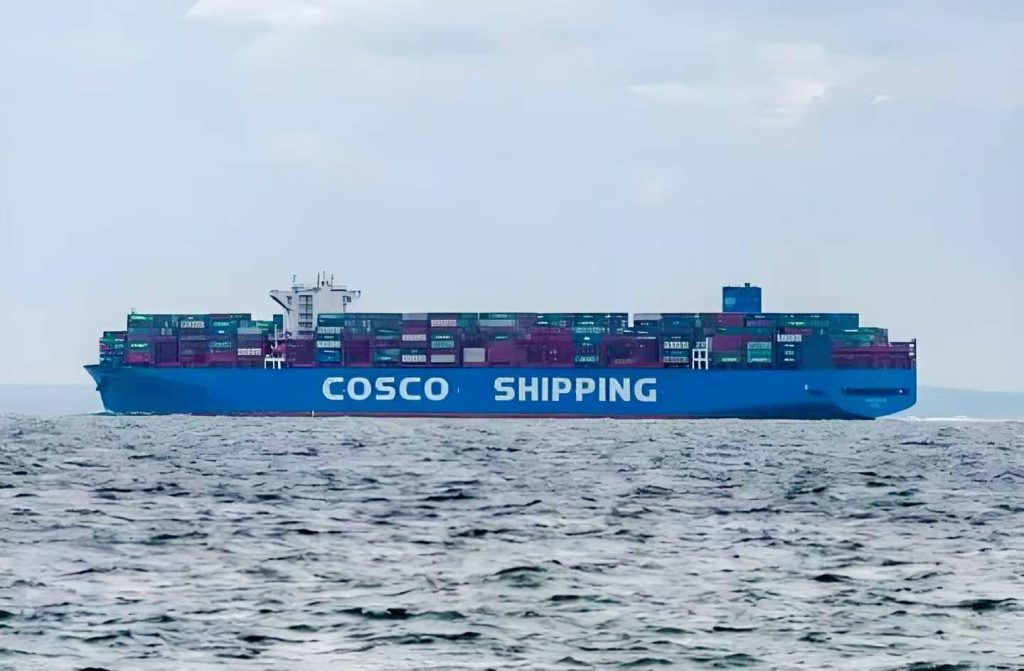
Common Export Shipping Costs
Beginner exporters should be aware of the following cost components:
Freight charges
Origin and destination port charges
Customs clearance fees
Belgeleme ücretleri
Sigorta
Demurrage and detention (if delays occur)
Understanding cost structure helps prevent margin erosion.
Common Export Shipping Mistakes to Avoid
Choosing the wrong Incoterms
Incorrect HS codes
Incomplete or inaccurate documents
Underestimating transit time
Focusing only on freight cost instead of total landed cost
Avoiding these mistakes can save significant time and money.
Tips for First-Time Exporters
Start with small, low-risk shipments
Work with experienced freight forwarders
Double-check all documents before submission
Insure valuable cargo
Build buffer time into delivery schedules
Export shipping becomes much easier once you understand the process.
Sık Sorulan Sorular (SSS)
Is export shipping complicated for beginners?
It may seem complex at first, but with proper guidance and a reliable freight forwarder, beginners can manage export shipping successfully.
How long does export shipping take?
Transit time depends on shipping method and destination. Air freight may take days, while sea freight can take several weeks.
Do I need a freight forwarder?
While not mandatory, freight forwarders are highly recommended for beginners due to regulatory and operational complexity.
Son Düşünceler
Export shipping is the backbone of international trade. By understanding the process, documentation, costs, and risks involved, beginners can ship goods globally with confidence.
With the right preparation and professional support, exporting can become a powerful growth engine for your business.