Shipping products can be a money-making business.
If you’re a beginner in shipping, you need to know some important shipping incoterms like FCA.
Despite being such an important part of the shipping process.
Most of the people don’t understand what FCA is and how this term is used in the shipping of the products.
That’s why I write this guide for you to provide inclusive information about FCA (Free Carrier).
And clearly explaining the responsibilities of the buyer and seller.
What Does FCA Mean in Shipping?
FCA (Taşıyıcıya Teslim) means the seller delivers the goods, cleared for export, to the carrier or another party nominated by the buyer at the seller’s premises or another named place.
Once delivery is made, the risk and responsibility transfer from the seller to the buyer.
This term is widely used for containerized cargo, air freight, and inland transport arrangements where the buyer controls the main carriage.
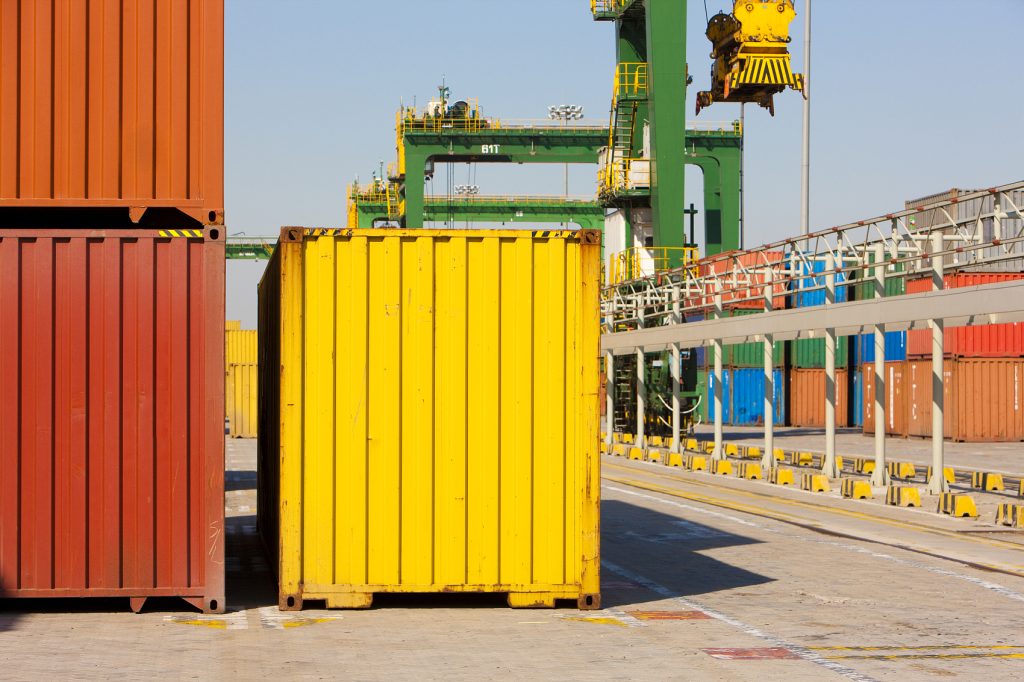
Delivery Point Under FCA
There are two main types of FCA delivery points:
FCA Seller’s Premises
The seller loads the goods onto the transport vehicle provided by the buyer.
Risk transfers to the buyer once goods are loaded.
FCA Named Place (e.g., Port, Warehouse, Terminal)
The seller delivers the goods to a specified place, ready for loading.
The buyer is responsible for loading and main carriage.
Örnek:
FCA Shanghai Warehouse – means the seller delivers the goods to the carrier at the warehouse in Shanghai.
Seller’s Responsibilities Under FCA
| Sorumluluk | Açıklama |
|---|---|
| Packaging & Labeling | Seller must properly pack and mark goods for export. |
| İhracat Gümrük İşlemleri | Seller handles export licenses, documentation, and export clearance. |
| Delivery to Named Place | Seller arranges transportation to the agreed location. |
| Proof of Delivery | Seller provides transport documents such as a loading receipt or waybill. |
Buyer’s Responsibilities Under FCA
| Sorumluluk | Açıklama |
|---|---|
| Main Carriage | Buyer arranges and pays for ocean freight, air freight, or inland carriage. |
| Sigorta (İsteğe bağlı) | Buyer decides whether to purchase transport insurance. |
| Import Clearance & Duties | Buyer is responsible for import customs, taxes, and delivery to the final destination. |
| Unloading at Destination | Buyer handles unloading at the destination port or warehouse. |
Advantages of Using FCA (Free Carrier Incoterms 2020)
Using FCA Shipping Terms (Free Carrier) offers several key benefits for both exporters and importers engaged in international trade, especially when shipping from China. This Incoterm provides flexibility, cost efficiency, and a clear division of responsibilities between the buyer and the seller.
1. Flexibility Across All Transport Modes
FCA can be applied to any mode of transport—air, sea, rail, or road.
Unlike FOB, which is limited to ocean freight, FCA covers multimodal shipments, making it ideal for containerized goods or air freight exports from China.
2. Clear Transfer of Risk
One of the strongest advantages of FCA is the precisely defined risk transfer point.
Once the seller delivers the goods to the buyer’s nominated carrier or freight forwarder, the risk shifts from seller to buyer. This clarity helps both parties avoid disputes about responsibility in case of loss or damage during transit.
3. Cost Control for Buyers
Under FCA terms, the buyer manages the main carriage, allowing them to negotiate competitive freight rates with their preferred carrier or freight forwarder.
For large importers or established logistics partners, this results in significant cost savings and better control over international shipping expenses.
4. Reduced Responsibility for Sellers
Sellers benefit from FCA because they are responsible only up to the point of delivery and export clearance. Once goods are handed over, their liability ends.
This is especially useful for Chinese exporters who prefer to avoid handling international freight and insurance after goods leave the country.
5. Better Coordination with Freight Forwarders
FCA allows buyers to nominate their own freight forwarder for pickup. This arrangement ensures smoother communication, proper document handling, and consistency across supply chains—particularly when working with trusted logistics partners like BRF Lojistik.
Disadvantages of FCA Shipping Terms
Although FCA (Taşıyıcıya Teslim) provides many operational and financial advantages, it also has some potential drawbacks that both buyers and sellers should understand before applying it in contracts.
1. Early Transfer of Risk
Once the seller delivers goods to the carrier, the risk transfers immediately to the buyer.
If damage occurs after this point—such as during loading, handling, or inland transit—the buyer bears the loss, even before the goods leave the exporting country.
2. More Responsibility for Buyers
Under FCA, the buyer must arrange the main carriage, insurance, ve import clearance.
This means buyers need strong logistics knowledge or partnerships to manage international shipping efficiently. Small importers may find this challenging without a reliable forwarder.
3. Coordination Challenges at Delivery Point
FCA requires both parties to clearly agree on the delivery location and timing.
If the buyer’s nominated carrier fails to arrive on time, or if there is confusion about the handover process, it can cause delays, storage costs, or extra handling fees.
4. Limited Control for Sellers After Delivery
Once the goods are handed over, the seller loses visibility and control over the shipment.
If the buyer’s carrier mishandles the cargo or delays the export, the seller may still face customer dissatisfaction—even though they are no longer responsible.
5. Complexity in Export Documentation
While sellers handle export customs clearance, they must also ensure the proof of delivery (such as a forwarder’s receipt or transport document) is properly documented.
Any error or missing paperwork can lead to disputes or delays in payment under letters of credit (L/C).
FCA vs FOB: What’s the Difference?
| Yön | FCA | FOB |
|---|---|---|
| Ulaşım Şekli | Any (Air, Sea, Land) | Sea or Inland Waterway Only |
| Risk Aktarım Noktası | When goods are handed to carrier | When goods are loaded on the vessel |
| Gümrük İşlemleri | Seller handles export clearance | Seller handles export clearance |
| Who Books Main Freight | Alıcı | Satıcı |
When Should You Use FCA?
Kullanım FCA ne zaman:
The buyer has better freight rates or contracts with carriers.
The seller wants to minimize shipping risk after delivery.
You are exporting containerized goods from China via freight forwarders.
FCA and Freight Forwarders
Working with a reliable freight forwarder in China gibi BRF Lojistik ensures:
Smooth export customs clearance
On-time delivery to the carrier
Proper documentation under FCA terms
Transparent communication between buyer and seller
FAQs About FCA Shipping Terms
Q1: Can FCA be used for air freight?
Yes. FCA is suitable for all transport modes, including air, sea, and land.
Q2: Who pays for export customs clearance under FCA?
The seller handles export clearance.
Q3: Is FCA better than FOB for container shipping?
Yes. FCA is preferred for containerized shipments since risk transfer happens before port loading, avoiding confusion with terminal handling.
Q4: What document proves FCA delivery?
Typically, a transport document or forwarder’s receipt showing goods delivered to the carrier.
Sonuç
FCA (Taşıyıcıya Teslim) is one of the most practical and balanced Incoterms for international trade, especially for Chinese exporters working with overseas buyers.
It clearly defines responsibilities and ensures smooth logistics coordination between both parties.
For exporters in China, partnering with an experienced freight forwarder like BRF Lojistik can make FCA shipping simple, compliant, and cost-effective.