Sea Freight China to USA: A Complete Shipping Guide by BRF
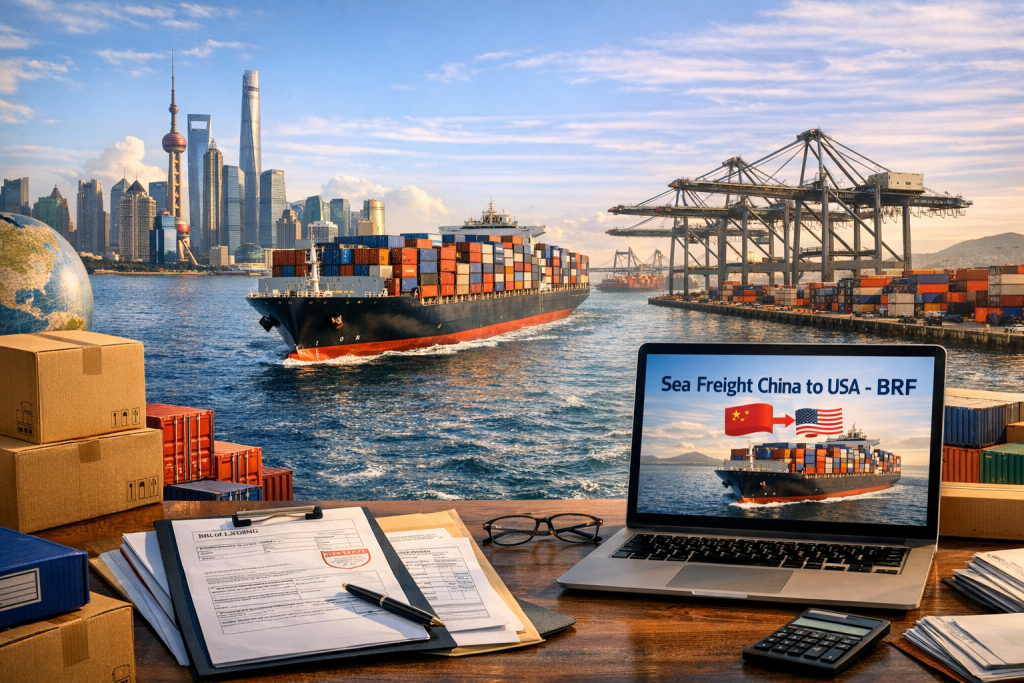
Sea freight between China and the United States dominates global trade, accounting for more than 90% of cargo movement between these two economic powerhouses. For businesses shipping large or heavy volumes, sea freight remains the most cost-effective and reliable solution across the Pacific.
Whether you are a fast-growing e-commerce seller or a global brand managing complex supply chains, understanding sea freight from China to the USA can help you reduce costs, avoid delays, and maintain predictable delivery schedules. Without a clear grasp of the process, importers often face unexpected charges, congestion issues, and customs complications.
Shipping goods internationally is never as simple as placing cargo on a vessel. Container selection, transit planning, port choice, documentation, customs clearance, and freight rate volatility all play a critical role. BRF has prepared this comprehensive guide to help importers navigate every stage of sea freight China–USA with confidence.
This guide covers shipping options, transit times, costs, routes, documentation, customs compliance, and value-added services—giving you the clarity needed to plan efficiently and avoid common pitfalls.
Key Takeaways
- Sea freight is the most economical option for large or heavy shipments from China to the USA
- Transit times average 14–20 days to the US West Coast and 28–35 days to the East Coast
- Correct documentation and customs compliance are essential to prevent delays and penalties
- Choosing the right shipping method (FCL vs LCL) significantly impacts cost and timing
Understanding Sea Freight China–USA
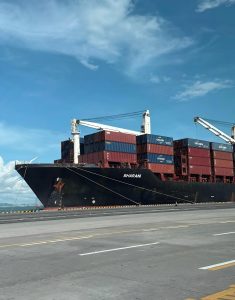
Sea freight refers to the transportation of goods in standardized containers aboard ocean-going cargo vessels. Containers are loaded at major Chinese ports and shipped via established trans-Pacific routes to American ports.
This method forms the backbone of physical goods trade between China and the United States. Containerized shipping enables the movement of everything from consumer electronics and furniture to industrial machinery and raw materials.
How Sea Freight Works
The process begins with booking container space through a shipping line or a freight forwarder such as BRF. Goods are collected from the supplier, delivered to a Chinese export port, and loaded into 20-foot or 40-foot containers.
Once on board, vessels follow scheduled routes across the Pacific Ocean to major US ports. After arrival, containers are unloaded, inspected by customs authorities, and released for onward delivery to warehouses or final destinations.
Key Participants in Sea Freight Operations
- Shipping Lines: Operate vessels and publish sailing schedules
- Freight Forwarders (BRF): Coordinate logistics, documentation, customs, and inland transport
- Port Operators: Manage terminals and container handling
- Customs Brokers: Handle import clearance and compliance
- Trucking & Rail Providers: Move cargo inland
Each party plays a vital role in keeping international trade flowing smoothly.
Why Choose Sea Freight with BRF?
Compared to air freight, sea freight offers significantly lower costs—especially for bulk shipments. While transit times are longer, container shipping provides unmatched capacity, flexibility, and sustainability.
Container vessels can transport oversized cargo, vehicles, refrigerated goods, and hazardous materials. Additionally, sea freight produces far fewer emissions per ton compared to air transport, supporting long-term sustainability goals.
Shipping Options: FCL vs LCL
Tam Konteyner Yükü (FCL)
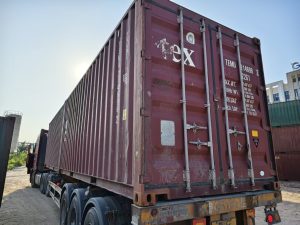
FCL shipping means using an entire container exclusively for your cargo. Containers remain sealed from origin to destination, reducing handling risks.
Common container sizes:
- 20ft (20GP) – ~28 CBM
- 40ft (40GP) – ~58 CBM
- 40ft High Cube – ~68 CBM
FCL is most cost-effective for shipments above 10–13 CBM and offers faster transit and improved security.
Less Than Container Load (LCL)
LCL allows shippers to share container space with others, paying only for the volume used. Cargo is consolidated at origin and deconsolidated at destination.
While suitable for smaller shipments, LCL involves additional handling, longer transit times, and higher per-unit costs.
Choosing Between FCL and LCL
The decision depends on cargo volume, urgency, and product sensitivity. High-value or fragile goods benefit from FCL, while low-volume shipments often favor LCL.
Major Shipping Routes and Ports
Primary Routes
- Trans-Pacific Route: Fastest option to US West Coast (14–20 days)
- Panama Canal Route: Serves East and Gulf Coasts (25–35 days)
Key Ports
China: Shanghai, Shenzhen, Ningbo-Zhoushan, Qingdao
USA West Coast: Los Angeles, Long Beach, Oakland, Seattle
USA East Coast: New York/New Jersey, Savannah, Houston
Port choice affects cost, transit time, and congestion risk.
Sea Freight Costs and Rate Structure
Sea freight pricing depends on container size, route, seasonality, and market demand. Base ocean freight rates are often supplemented by surcharges such as:
- Bunker Adjustment Factor (BAF)
- Peak Season Surcharge (PSS)
- General Rate Increase (GRI)
- Terminal Handling Charges (THC)
BRF provides transparent, all-inclusive quotations to help importers understand true landed costs.
Transit Times and Scheduling
Average transit times vary by route:
| Kaynak | Varış noktası | Aktarma Süresi |
|---|---|---|
| Şanghay | Los Angeles | 18–22 days |
| Shenzhen | Long Beach | 20–25 days |
| Şanghay | New York | 30–35 gün |
Peak seasons, port congestion, weather, and customs inspections can affect schedules. Early booking and pre-clearance help minimize delays.
Customs Clearance and Documentation
Required Documents
- Ticari Fatura
- Paket İçeriği Listesi
- Konşimento
- Menşe Belgesi
- Import licenses (if applicable)
Accuracy is critical. Errors can result in customs holds, fines, or cargo rejection.
Customs Process
Exports are cleared through Chinese customs before departure. Upon arrival, US Customs and Border Protection (CBP) reviews declarations, HS codes, and duty payments.
Many imports from China are subject to Section 301 tariffs. BRF works with licensed customs brokers to ensure compliance and minimize risk.
Shipping Services Offered by BRF
- Kapıdan Kapıya Nakliye
- Port-to-Port Shipping
- Consolidation & Warehousing
- Express Sea Freight Solutions
- Kargo Sigortası
- Refrigerated & Special Containers
BRF tailors solutions based on shipment size, urgency, and regulatory requirements.
Packaging and Labeling Best Practices
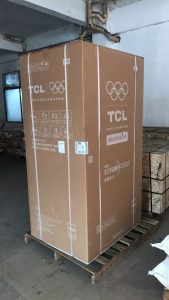
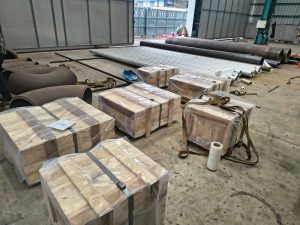
Proper packaging is essential for long-distance ocean transport. Use export-grade cartons, moisture-resistant materials, and secure palletization.
All cargo must be labeled clearly with origin, consignee details, and handling instructions. Inadequate packaging increases damage risk and insurance disputes.
Why Choose BRF for Sea Freight China–USA
BRF provides end-to-end logistics solutions backed by industry expertise, transparent pricing, and strong carrier partnerships. From booking and documentation to customs clearance and final delivery, BRF ensures reliable and compliant shipping for businesses of all sizes.
Sea freight remains the backbone of China–USA trade. With proper planning, documentation, and the right logistics partner, importers can reduce costs, improve reliability, and scale their supply chains efficiently.
BRF is committed to helping clients navigate global shipping with confidence—turning complexity into clarity at every step.