What Is a Flexitank? Advantages, Applications, Manufacturing Challenges & FAQ
Shipping large volumes of liquid products internationally can be complicated and expensive. Traditional solutions such as ISO tank containers, drums, intermediate bulk containers (IBCs), and small packaging require significant handling, cleaning, storage, and packaging costs.
For many non-hazardous bulk liquid products, a flexitank provides a practical alternative.
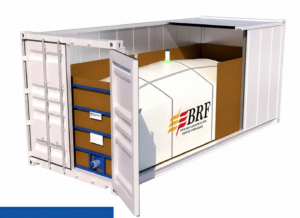
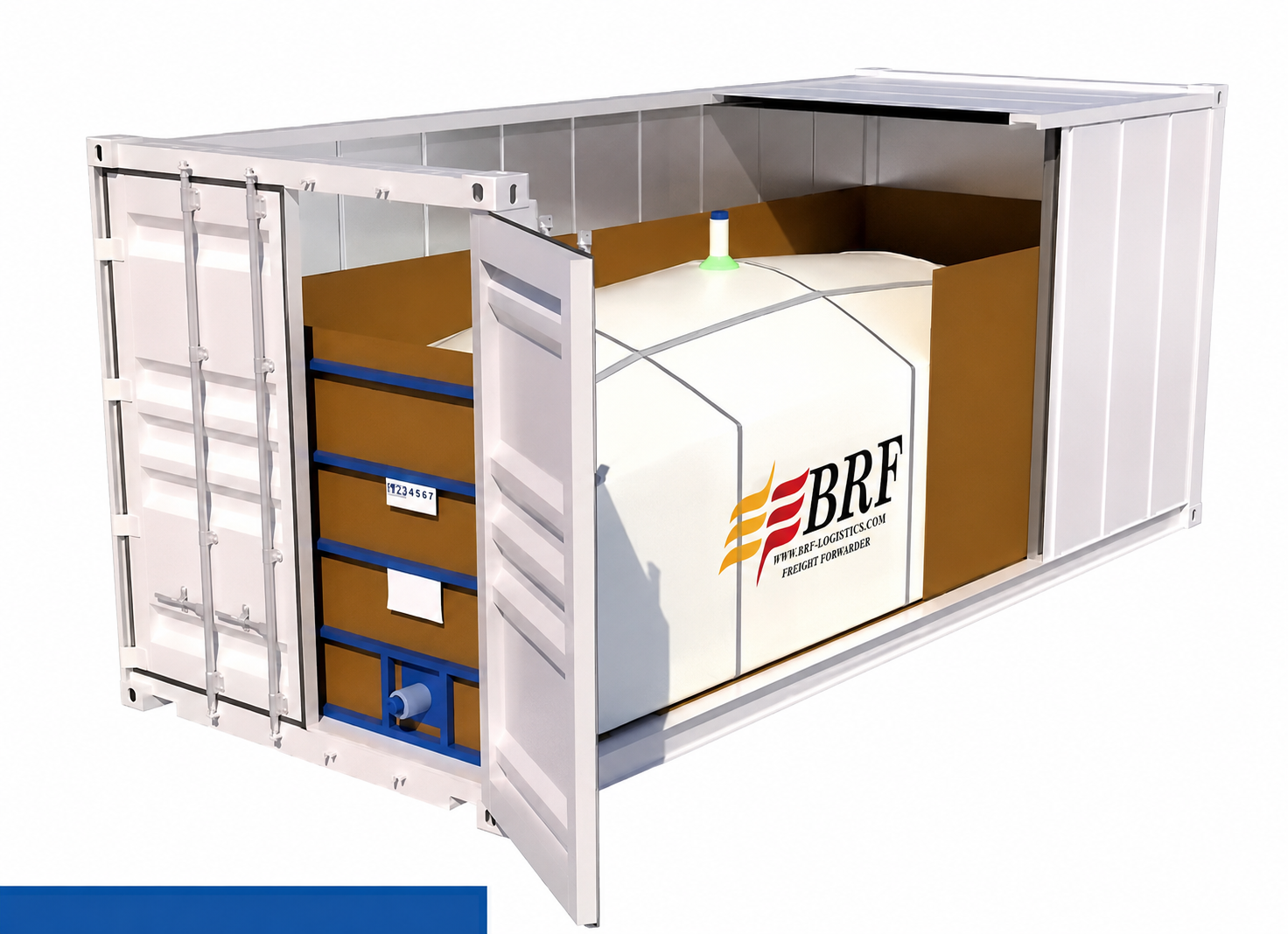
A flexitank, sometimes called a flexibag, liquid container bag, or container flexitank, is a large flexible liquid bladder installed inside a standard shipping container. It allows a conventional 20ft container to be converted into a bulk liquid transportation unit.
Flexitanks are widely used for transporting edible oils, fruit juice concentrates, wine, food ingredients, industrial oils, and many other non-hazardous liquids.
このガイドでは、以下の点について解説します what a flexitank is, how it works, its main advantages, common applications, manufacturing challenges, loading requirements, and frequently asked questions.
フレキシタンクとは何ですか?
A flexitank is a flexible bulk liquid transportation bag designed to fit inside a standard dry shipping container, most commonly a 20ft general-purpose container.
The flexitank itself is normally manufactured from several layers of specialized polyethylene film, sometimes combined with an outer woven polypropylene layer for additional strength and protection.
Once properly installed inside the container, the bag can be filled with liquid through a specially designed loading valve.
Depending on the flexitank design and cargo density, typical capacities are approximately:
- 16,000 liters
- 18,000 liters
- 20,000 liters
- 21,000 liters
- 22,000 liters
- 24,000 liters
- 26,000 liters
A common configuration is approximately 20,000–24,000 liters per 20ft container, although the appropriate volume depends on cargo density, payload limits, flexitank specifications, container condition, and shipping line requirements.
Because the flexitank uses the interior space of a standard container efficiently, it can significantly reduce packaging and handling costs compared with transporting the same liquid in drums or IBCs.
How Does a Flexitank Work?
Before loading, an empty flexitank is placed inside a suitable 20ft shipping container.
The basic process usually includes:
- Inspecting the shipping container.
- Cleaning and preparing the container interior.
- Installing protective lining or corrugated material where required.
- Positioning the flexitank inside the container.
- Installing a bulkhead or retaining system near the container doors.
- Connecting the filling hose to the flexitank valve.
- Pumping the liquid cargo into the flexitank.
- Closing and securing the valve.
- Inspecting the installation before the container is transported to port.
At destination, the discharge hose is connected to the flexitank valve and the liquid is pumped into the consignee’s storage tank or processing system.
The flexitank is normally designed for single-trip use, which eliminates the need to return the empty packaging to the exporter.
Advantages of Flexitanks for Liquid Shipping
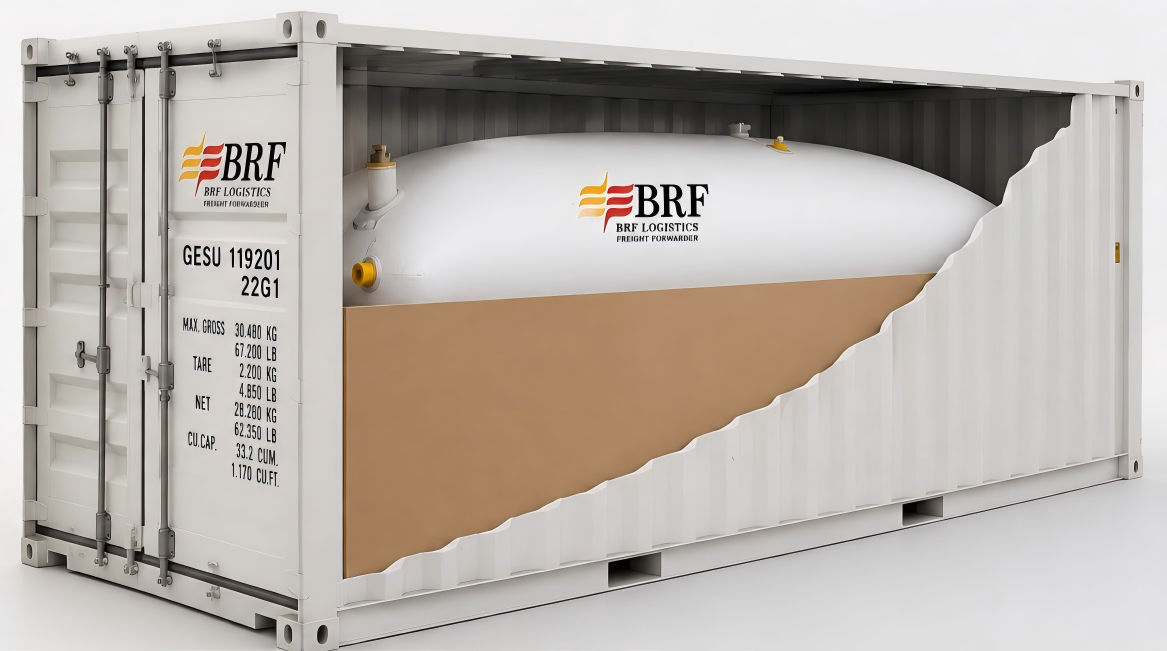
The popularity of flexitanks has increased because they can offer important economic and operational advantages for certain bulk liquid products.
1. Higher Liquid Capacity
Compared with drums or IBCs, a flexitank can use a much larger percentage of the internal volume of a 20ft shipping container.
For example, a flexitank may transport approximately 20,000 to 24,000 liters of liquid in one container, depending on the cargo.
This can improve transportation efficiency and reduce packaging materials.
2. Lower Packaging Costs
Traditional liquid transportation may require:
- Steel drums
- Plastic drums
- IBC tanks
- パレット
- Strapping
- Additional packaging materials
A flexitank replaces hundreds of individual packages with one large flexible bag.
This can reduce packaging procurement, handling, palletization, and disposal costs.
3. No Empty Tank Return
ISO tank containers usually need to be repositioned, cleaned, inspected, and returned after unloading.
Flexitanks are normally single-use systems.
Once the cargo has been discharged, the flexitank can be removed and disposed of or recycled according to local regulations.
There is therefore generally no tank return or empty repositioning requirement.
4. Easy Conversion of Standard Containers
One of the biggest advantages is that a standard 20ft dry container can be converted into a liquid transportation unit.
This gives exporters access to the global dry-container shipping network without needing a dedicated tank container for many non-hazardous liquid products.
5. Reduced Loading and Unloading Labor
Loading hundreds of drums requires considerable forklift operation, pallet movement, and warehouse handling.
With a flexitank, the liquid can usually be pumped directly from a factory storage tank into the container.
At destination, it can be pumped directly into the customer’s tank.
This can simplify both loading and unloading.
6. Reduced Packaging Waste
Although the flexitank itself requires disposal or recycling after use, it can eliminate hundreds of drums, pallets, and other packaging components.
For appropriate cargoes, this can significantly reduce the volume of packaging associated with each shipment.
7. Suitable for Door-to-Door Transportation
Flexitanks can be integrated into normal containerized logistics operations, including:
- 工場での引き取り
- 倉庫での積み込み
- Truck transportation
- 輸出通関
- 海上輸送
- 輸入通関
- コンテナの配送
- Flexitank discharge
This makes the system suitable for international door-to-door bulk liquid transportation.
Common Flexitank Applications
Flexitanks are mainly designed for non-hazardous liquid cargo.
Their applications span food, agriculture, chemical manufacturing, industrial processing, and other industries.
Food and Beverage Liquids
One of the largest flexitank markets is food-grade liquid transportation.
Typical products include:
- Edible vegetable oil
- Palm oil
- Sunflower oil
- Soybean oil
- Olive oil
- Coconut oil
- Corn oil
- Fruit juice concentrate
- Glucose syrup
- Fructose syrup
- Molasses
- Wine
- Drinking water
- Food additives
- Liquid sweeteners
Food-grade flexitanks require strict material control and cleanliness during manufacturing, installation, and transportation.
Industrial Oils and Lubricants
Flexitanks can also transport certain non-hazardous industrial liquids, including:
- Base oils
- Lubricating oils
- Transformer oils
- White mineral oils
- Process oils
- Certain non-hazardous chemical liquids
Cargo compatibility must always be checked before filling.
Agricultural Liquids
Agricultural and food-processing industries frequently use flexitanks for products such as:
- Molasses
- Liquid fertilizers classified as non-hazardous
- Vegetable extracts
- Plant-based oils
- Feed-grade liquid ingredients
Latex and Other Industrial Liquids
Certain grades of synthetic latex and other compatible industrial liquids may also be shipped using specialized flexitank systems.
However, viscosity, temperature, chemical compatibility, cargo classification, and unloading requirements must be evaluated before selecting the flexitank.
What Products Should Not Be Shipped in a Flexitank?
A standard flexitank should generally not be used for dangerous goods or incompatible liquids.
Examples may include:
- Flammable liquids
- Explosive liquids
- Highly corrosive chemicals
- Toxic substances
- Dangerous goods regulated under applicable maritime regulations
- Liquids that react with polyethylene
- Products requiring pressure-controlled transportation
Before booking transportation, exporters should verify the cargo’s Safety Data Sheet (SDS) and confirm whether the cargo is suitable for flexitank transportation.
Shipping line acceptance should also be confirmed before loading.
Flexitank Manufacturing Structure
Although a flexitank looks relatively simple, manufacturing a reliable liquid container bag requires advanced material control and production technology.
A typical flexitank may include:
Inner PE Layers
Multiple polyethylene layers hold the liquid cargo.
These layers need to provide:
- High tensile strength
- Flexibility
- Low permeability
- Chemical compatibility
- Resistance to puncture
- Reliable heat-sealed joints
Outer Protective Layer
Some flexitank designs use a woven polypropylene outer layer to increase mechanical strength and protect the inner polyethylene film.
Loading and Discharge Valve
The valve is one of the most critical parts of the entire flexitank.
It must maintain a secure seal while allowing efficient loading and discharge.
Common systems include bottom-discharge or top-loading configurations depending on the flexitank design.
Major Challenges in Flexitank Manufacturing
Producing a high-quality flexitank is considerably more difficult than manufacturing an ordinary plastic bag.
A fully loaded flexitank can contain more than 20 metric tons of liquid. During ocean transportation, the cargo continuously generates dynamic forces caused by vessel movement, braking, cornering, container handling, and road transportation.
For this reason, several technical challenges must be carefully controlled.
1. Film Strength and Uniformity
The polyethylene film must be thin enough to remain flexible while strong enough to withstand significant hydrostatic pressure.
Inconsistent film thickness can create weak points that may eventually result in leakage.
Manufacturers therefore need precise control over:
- Raw material quality
- Film extrusion
- Film thickness
- Tensile strength
- Elongation
- Puncture resistance
2. Welding and Seam Quality
The seams of a flexitank are critical structural areas.
Poor heat sealing or welding can create microscopic defects that become serious failures when the bag is filled with thousands of liters of liquid.
Manufacturing parameters such as temperature, pressure, sealing time, and material alignment must therefore be carefully controlled.
3. Valve Sealing
The valve experiences significant mechanical stress during both filling and unloading.
Potential problems include:
- Valve leakage
- Poor gasket sealing
- Loose connections
- Damage during transportation
- Incorrect installation
Reliable valve design and inspection are essential.
4. Material Compatibility
Not every polyethylene formulation is compatible with every liquid cargo.
Different products may contain oils, acids, alcohols, additives, or other components that interact differently with packaging materials.
Manufacturers and shippers therefore need to conduct appropriate cargo compatibility evaluations.
5. Food-Grade Requirements
Flexitanks used for edible oils, juice, wine, syrup, and other food products require additional hygiene and material controls.
The manufacturing environment, raw materials, valves, packaging, and storage conditions must all minimize contamination risks.
6. Transportation Stress
A flexitank may be exposed to long-distance truck transportation, port handling, vessel movements, temperature changes, and weeks at sea.
The design must withstand repeated dynamic loading throughout the transportation cycle.
Why Container Inspection Is Important
Even a high-quality flexitank can fail if installed inside a damaged container.
Before installation, the container should be checked carefully.
Inspectors should look for:
- Sharp metal edges
- Protruding screws
- Damaged internal walls
- Holes
- Rusted surfaces
- Damaged flooring
- Water leakage
- Contamination
- Strong odors
- 破損したドア
Sharp surfaces can puncture the flexitank when the liquid moves during transportation.
For this reason, container preparation and protective lining are essential parts of the flexitank loading process.
Flexitank vs. ISO Tank vs. IBC
Choosing the correct liquid transportation system depends on cargo type, shipment volume, destination, equipment availability, and total landed cost.
Flexitank: Best suited to many non-hazardous bulk liquids where single-trip transportation and high container utilization are priorities.
ISO Tank: Commonly used for bulk liquids requiring a reusable dedicated tank system and for cargoes suitable for tank-container transportation.
IBC: Suitable for smaller shipment quantities and customers requiring individually packaged units.
For many exporters moving approximately one container load of compatible non-hazardous liquid, the flexitank can provide an attractive balance between capacity and logistics cost.
Important Factors Before Booking a Flexitank Shipment
Before shipping liquid cargo in a flexitank, confirm:
- Cargo product name
- SDS or technical specification
- Cargo density
- Total loading weight
- Required loading volume
- Loading temperature
- Discharge temperature
- Viscosity
- Origin location
- 目的地
- Container payload
- Shipping line approval
- Flexitank compatibility
- Destination unloading equipment
Payload limits are particularly important.
A flexitank should never simply be filled to its maximum volume without considering the density of the cargo and the legal weight limitations of the container, truck, port, and destination country.
FAQ About Flexitanks
What is a flexitank used for?
A flexitank is used to transport large quantities of compatible non-hazardous liquid products inside a standard shipping container. Common cargoes include edible oils, fruit juice concentrates, wine, syrups, base oils, and other industrial liquids.
How much liquid can a flexitank hold?
Flexitanks are available in different sizes, commonly ranging from approximately 16,000 to 26,000 liters. Many international shipments use capacities around 20,000–24,000 liters, depending on cargo density and transport weight restrictions.
What container is used for a flexitank?
A standard 20ft general-purpose dry container is most commonly used.
The container must be inspected and prepared before the flexitank is installed.
Is a flexitank reusable?
Most conventional flexitanks used in international shipping are designed for single-trip use.
After unloading, they are normally removed from the container and recycled or disposed of according to local requirements.
Can a flexitank transport dangerous goods?
Standard flexitanks are generally intended for non-hazardous liquids.
Dangerous goods should not be loaded unless an approved specialized system, regulations, carrier requirements, and cargo classification specifically permit it.
Can food products be shipped in flexitanks?
Yes.
Food-grade flexitanks are commonly used for edible oil, wine, juice concentrate, syrup, and other food liquids.
Appropriate food-contact materials and hygienic handling procedures are required.
Is a flexitank cheaper than drums?
For large-volume liquid shipments, flexitanks can often reduce packaging, handling, pallet, and warehouse costs compared with drums.
The actual total cost depends on shipment volume, destination, ocean freight, installation, and disposal requirements.
How long does it take to load a flexitank?
Loading time varies depending on pump capacity, product viscosity, hose diameter, temperature, and factory equipment.
Low-viscosity products can normally be loaded more quickly than thick liquids.
Can viscous liquids be transported in a flexitank?
Some viscous liquids can be transported, but temperature management and unloading methods must be considered.
Certain products may require heating solutions to reduce viscosity before discharge.
What happens if a flexitank leaks?
Leakage can damage the container, nearby cargo, terminal equipment, and potentially create environmental or operational problems.
This is why flexitank quality, correct installation, container inspection, cargo compatibility, shipping line approval, and professional loading procedures are essential.
結論
A flexitank is one of the most efficient solutions for transporting large quantities of non-hazardous liquid cargo in standard shipping containers.
By converting a 20ft dry container into a bulk liquid transportation unit, flexitanks can provide high loading capacity, lower packaging costs, reduced handling, and simplified international logistics.
However, successful flexitank transportation depends on much more than simply placing a plastic bag inside a container.
Film quality, welding strength, valve reliability, food-grade compliance, cargo compatibility, container inspection, installation procedures, payload calculations, and shipping line requirements all play an important role.
For exporters of edible oils, juice concentrates, wine, syrups, base oils, lubricants, and other non-hazardous bulk liquids, flexitank shipping can be a highly competitive solution when the equipment and logistics process are correctly managed.