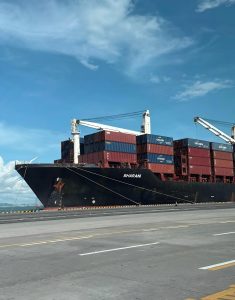
As the global logistics industry moves into the second quarter of 2026, ocean freight rates are showing renewed volatility. While the beginning of the year saw relatively soft pricing due to oversupply and moderate demand, March has introduced new dynamics across major trade lanes. Changes in global capacity, geopolitical tensions, and post-holiday cargo demand are all contributing to fluctuations in container shipping prices.
For importers, exporters, and freight forwarders, understanding these trends is essential for managing transportation costs and maintaining supply chain stability.


Global Ocean Freight Market Overview
Entering 2026, the container shipping market was expected to stabilize compared to the extreme volatility experienced in previous years. However, several structural factors continue to influence freight rate behavior, including vessel overcapacity, shifting trade patterns, and geopolitical risks affecting key maritime routes.
Analysts note that freight rates are unlikely to follow a simple upward or downward trajectory this year. Instead, the market is expected to remain within a fluctuating range, with periodic spikes driven by disruptions or sudden demand increases.
March 2026 represents a good example of this pattern: some trade lanes have seen moderate rate increases after the Lunar New Year, while others remain under pressure due to weak demand.
Post-Chinese New Year Cargo Rebound
One of the main drivers of freight rate changes in early March is the traditional recovery in shipping activity following the Lunar New Year holidays in China.
As factories across Asia resume production and export orders resume, shipping demand typically rebounds, putting upward pressure on freight prices. Recent data from the Shanghai Containerized Freight Index (SCFI) shows a weekly increase of over 6%, with rates rising across several major routes.
Examples of current spot rates include:
- Shanghai → US West Coast: about $1,857 per FEU
- Shanghai → US East Coast: about $2,691 per FEU
- Shanghai → Europe: around $1,420 per TEU
- Shanghai → Mediterranean: about $2,303 per TEU
These increases reflect the return of export demand, particularly for consumer goods, electronics, and seasonal retail products.
Mixed Performance Across Major Trade Routes
Despite the overall rebound in cargo volumes, freight rate performance differs significantly between trade lanes.
Transpacific Trade (Asia–US)
Rates on the transpacific route have begun to rise moderately. Recent reports show spot rates from Shanghai to Los Angeles climbing roughly 10%, while shipments to New York increased about 7%.
This increase is largely due to:
- Resumption of manufacturing in Asia
- Restocking demand in the United States
- Reduced blank sailings after the holiday period
However, overall demand remains cautious as retailers manage inventory levels following economic uncertainty.
Asia–Europe Trade
In contrast, Asia–Europe shipping rates have remained relatively weak. For example, the Shanghai-Rotterdam route recently declined slightly to around $2,052 per 40-foot container.
This reflects softer consumer demand in Europe and increasing vessel capacity entering the market.
Emerging Trade Lanes
Routes to emerging markets, including Latin America, Africa, and the Middle East, have shown more unpredictable movements due to fluctuating demand and regional logistics challenges.
Geopolitical Risks Impacting Shipping Costs
Another key factor affecting freight rates in March 2026 is geopolitical instability in critical shipping regions.
Recent tensions in the Middle East and disruptions around the Strait of Hormuz have created uncertainty for global shipping routes. Some carriers have diverted vessels or suspended services due to security risks, which can tighten available capacity and increase logistics costs.
At the same time, certain shipping lines have introduced additional surcharges. For example, emergency fuel surcharges have been applied on some routes connecting Northern Europe with the Red Sea and East Africa.
These geopolitical developments highlight how external events can quickly influence freight pricing across the entire shipping market.
Carrier Strategies: Capacity Management and Blank Sailings
Shipping carriers are also playing a major role in shaping freight rate trends this year.
To prevent prices from falling too sharply due to excess vessel capacity, many carriers continue to adjust their networks through strategies such as:
- Blank sailings (canceled voyages)
- Capacity redeployment
- Slow steaming
- Alliance coordination
These measures help maintain supply-demand balance and stabilize freight pricing.
However, with a large number of new container ships scheduled for delivery in 2026, overcapacity remains a long-term concern for the industry.
Freight Rate Volatility Is the New Normal
Industry experts increasingly believe that the container shipping market has entered a new phase where volatility is the norm rather than the exception.
Even when demand appears relatively stable, freight rates can change rapidly due to operational disruptions, policy changes, or geopolitical events.
This means that logistics planners must adapt to a more dynamic pricing environment, where flexibility and market awareness are essential.
What Shippers Should Do in 2026
Given the current market conditions, businesses involved in international trade should consider several strategies to manage freight costs effectively.
1. Combine Contract and Spot Rates
Many companies are adopting hybrid freight strategies—locking in long-term contracts for stability while using spot bookings to take advantage of favorable market conditions.
2. Diversify Shipping Routes
Alternative ports and routing options can help mitigate disruptions caused by congestion or geopolitical issues.
3. Work With Experienced Freight Forwarders
Professional logistics partners can provide market insights, flexible solutions, and cost-efficient shipping strategies across different trade lanes.
Outlook for the Rest of 2026
Looking ahead, the ocean freight market is expected to remain volatile but manageable.
Key factors that will influence rates throughout 2026 include:
- Global economic growth and consumer demand
- New vessel deliveries and fleet expansion
- Geopolitical developments affecting major shipping routes
- Environmental regulations and fuel costs
While large spikes like those seen during the pandemic are unlikely, the market will continue to experience periodic fluctuations.
March 2026 highlights the complex and evolving nature of the global ocean freight market. Post-holiday cargo recovery, geopolitical disruptions, and ongoing capacity adjustments are all contributing to shifting freight rates across major trade lanes.
For businesses engaged in global trade, staying informed about shipping market trends is critical. By understanding the factors influencing freight rates and adopting flexible logistics strategies, companies can better navigate uncertainty and maintain efficient supply chains in the year ahead.