
Understanding the main parts of a ship is essential whether you work in maritime logistics, shipbuilding, offshore engineering, or international shipping. Ships are complex machines designed to transport cargo and passengers across oceans, and each section plays a vital role in safety, performance, and navigation.
This guide explains the most critical parts of a ship, their functions, and why they matter.
1. Hull
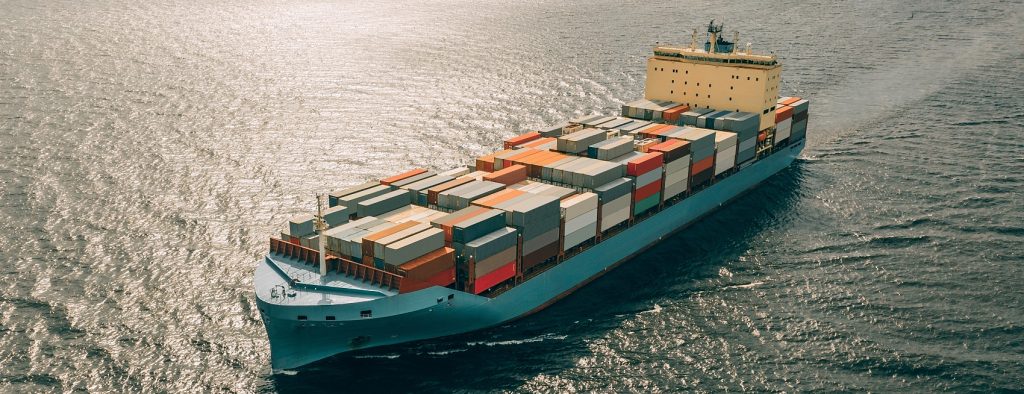
Die hull forms the main body of the ship and is designed to provide buoyancy and stability. It protects internal structures from water pressure and impacts while ensuring the vessel can float and handle heavy cargo loads.
Key functions:
Provides watertight structure
Ensures buoyancy and stability
Covers cargo spaces, crew quarters, and engine rooms
Learn more about how ships transport cargo → Link to:https://brf-logistics.com/ocean-freight-shipping
2. Bow
Die bow is the front part of the ship, shaped to cut through the water efficiently. Modern ships often feature bulbous bows to reduce drag and increase fuel efficiency.
Zweck:
Reduces resistance
Improves stability and maneuverability
Enhances speed and fuel performance
3. Stern
Die stern refers to the rear of the ship, where propulsion and steering components are located. A well-designed stern helps maintain direction and hydrodynamic efficiency.
Components often found at the stern:
Propeller(s)
Rudder
Steering gear
4. Deck
Die deck is the horizontal platform covering the hull. Ships usually have multiple decks depending on type and purpose.
Common ship decks include:
Main Deck: Primary working or cargo area
Upper Deck: Exposed deck used for navigation and crew operations
Bridge Deck: Where the navigation bridge is located
5. Bridge (Wheelhouse)
Die bridge is the command and control center of the ship where navigation and communication equipment is located. It is where officers monitor course, speed, and maritime safety systems.
Typical equipment includes:
Radar and AIS (Automatic Identification System)
GPS and electronic chart systems
Communication radios and controls
Understand common shipping terms → Link to:https://brf-logistics.com/incoterms-guide
6. Engine Room
Die engine room houses machinery that powers the ship, including the main engine, generators, pumps, and fuel systems. It is one of the most critical operational zones and requires highly trained engineers to maintain.
7. Propeller
Die propeller converts engine power into movement. Most commercial vessels use single or twin propellers made of strong alloys for durability in harsh marine environments.
8. Rudder
Die rudder is located behind the propeller and controls the ship’s direction. When the steering wheel or autopilot turns the rudder, water pressure forces the vessel to change course.
9. Keel
Often called the backbone of the ship, the keel runs along the bottom center of the hull. It provides structural strength and stability, especially against waves and rotational forces.
10. Cargo Hold / Tank Spaces
Cargo ships contain large internal areas designed to store goods securely during transport.
Beispiele:
Container Ships: Container slots and lashing systems
Bulk Carriers: Cargo holds for grain, coal, or ore
Tankers: Liquid-tight tanks for oil, LNG, or chemicals
11. Superstructure
Die superstructure consists of all structures above the main deck—living quarters, command rooms, safety equipment platforms, and communication towers.
12. Lifeboats and Safety Gear
Every ship must comply with SOLAS (Safety of Life at Sea) regulations, requiring lifesaving equipment such as:
Lifeboats
Life rafts
Firefighting systems
Emergency escape routes
Fazit
Ships are engineering marvels designed to operate in one of the harshest environments on Earth. From the keel to the bridge, each component plays an essential role in stability, safety, propulsion, and cargo handling. Understanding the main parts of a ship helps professionals in freight forwarding, maritime operations, port logistics, and global trade communicate more effectively and ensure smoother shipping operations.
Häufig gestellte Fragen
1. What is the most important part of a ship?
There isn’t just one single most important part—each component has a unique function. However, the hull, engine room, bridge, and keel are considered essential for the vessel’s stability, propulsion, and navigation.
2. What is the difference between the bow and the stern?
Die bow is the front part of the ship, designed to cut through water efficiently. The stern is the rear area, where propellers, rudders, and steering equipment are typically located.
3. What is located in the engine room?
The engine room contains the ship’s main propulsion engine, fuel systems, generators, pumps, control systems, and supporting mechanical equipment needed for ship operation.
4. Why is the bridge important?
The bridge is the ship’s command center. It houses navigation instruments such as radar, ECDIS, GPS, AIS, and communication systems used to safely operate the vessel.
5. What are cargo holds used for?
Cargo holds are enclosed spaces where ships store goods during transport. Their structure varies based on vessel type—container ships, bulk carriers, and tankers all use different cargo systems.
