A Practical Guide for Shippers and Freight Forwarders
In international trade, choosing the correct shipping terms is essential for smooth logistics operations. One of the most commonly used trade terms is FOB (Free On Board) under the rules of the International Chamber of Commerce’s Incoterms 2020. While FOB terms are widely used for ocean freight shipments, they can sometimes lead to misunderstandings or complaints between shippers, consignees, and freight forwarders.
A common issue occurs when the shipper works with a freight forwarder appointed by the consignee. In this situation, the shipper may complain about high local charges at the origin port 或 poor communication from the forwarder. These problems can affect cooperation between buyers and sellers and may delay shipments.
To avoid these issues, both shippers and consignees must clearly understand their responsibilities under FOB terms and work with professional freight forwarders who provide transparent pricing and effective communication.
This article explains why complaints happen under FOB terms and how businesses can avoid them.
Understanding FOB Shipping Terms
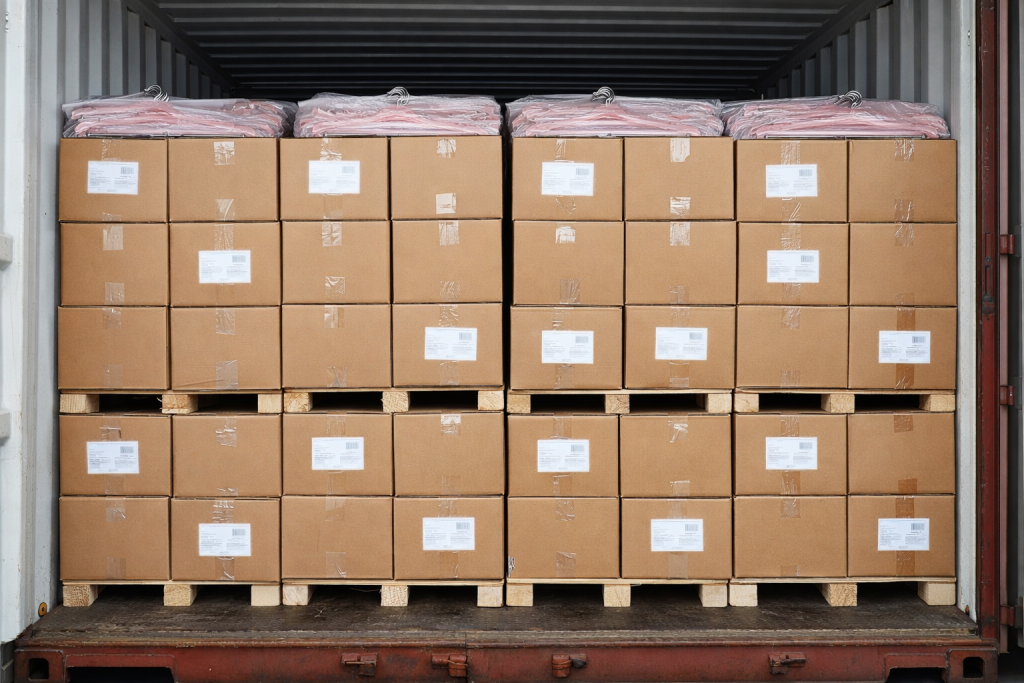
Under FOB terms, the seller (shipper) is responsible for delivering the cargo to the vessel at the port of origin and completing export customs clearance. Once the goods are loaded onto the vessel, the responsibility transfers to the buyer (consignee).
The main responsibilities include:
Seller (Shipper) Responsibilities
- Produce and package the goods
- Transport the cargo to the port of loading
- Complete export customs clearance
- Deliver the cargo on board the vessel
Buyer (Consignee) Responsibilities
- Appoint the 货运代理
- Pay ocean freight costs
- Pay destination port charges
- Arrange import customs clearance
- Handle inland delivery after arrival
Because the buyer usually appoints the freight forwarder, the shipper must coordinate with a 物流 company they may not know. This situation sometimes leads to disputes.
Common Complaints from Shippers Under FOB
When the consignee appoints a freight forwarder, the shipper may encounter several problems.
High Local Charges
One of the most frequent complaints from shippers is unexpected local charges at the origin port. These charges may include:
- Terminal handling charges
- Documentation fees
- Customs clearance fees
- Container handling charges
- Trucking arrangements
If these fees are not communicated clearly before booking the shipment, the shipper may feel the costs are unreasonable or excessive.
Poor Communication
Another common complaint is bad communication or unprofessional service from the freight forwarder appointed by the consignee.
Problems may include:
- Slow responses to emails
- Lack of shipment updates
- Unclear instructions for documentation
- Unfriendly service attitude
Poor communication can delay cargo preparation and affect the overall shipping schedule.
Confusion About Responsibilities
Sometimes shippers misunderstand their obligations under FOB terms. This confusion may lead to disputes regarding who should pay certain logistics costs or who should arrange specific services.
How to Avoid Customer Complaints Under FOB
Although complaints can occur under FOB shipping terms, most problems can be prevented through proper communication and transparency.
1. Clearly Quote Local Charges Before Booking
Before the shipment is booked, the freight forwarder should provide a clear and detailed quotation of all origin charges.
This quotation should include:
- Terminal handling charges
- Documentation fees
- Customs declaration fees
- Container loading costs
- Trucking charges
By providing transparent pricing in advance, the shipper understands the total cost and avoids unexpected expenses.
2. Choose a Professional Freight Forwarder
The consignee should always select a reliable and experienced freight forwarding company that provides professional service and clear communication.
A good freight forwarder should:
- Respond quickly to both shipper and consignee
- Provide accurate shipping instructions
- Offer transparent pricing
- Maintain a professional attitude
- Coordinate shipments efficiently
Choosing the right logistics partner significantly reduces the risk of disputes.
3. Maintain Good Communication Between All Parties
Successful international shipping requires cooperation between three parties:
- Shipper (seller)
- Consignee (buyer)
- 货运代理
All parties should maintain open communication regarding shipping schedules, documentation requirements, and cargo preparation.
Clear communication ensures that shipments proceed smoothly without misunderstandings.
4. Provide Clear Shipping Instructions
The consignee should provide detailed shipping instructions to the shipper and freight forwarder, including:
- Booking confirmation
- 容器类型
- 发货时间表
- Documentation requirements
- Contact information for the forwarder
When the shipper understands the process clearly, the risk of mistakes is greatly reduced.
5. Work with Freight Forwarders Who Understand FOB Operations
Experienced freight forwarders understand the special coordination required under FOB shipments. They know how to communicate effectively with both buyers and sellers and can help manage expectations on both sides.
Professional freight forwarders act as a bridge between the shipper and consignee, ensuring the cargo moves smoothly from origin to destination.
The Role of Freight Forwarders in FOB Shipments
Freight forwarders play a crucial role in FOB shipping arrangements. Their responsibilities often include:
- Coordinating with the shipper for cargo pickup
- Booking space with the shipping line
- Preparing shipping documents
- Managing container loading schedules
- Communicating with both buyer and seller
When freight forwarders provide clear communication and transparent charges, they help prevent disputes and ensure efficient logistics operations.
结论
FOB shipping terms are widely used in international trade, but they can sometimes lead to complaints from shippers if communication and pricing transparency are not handled properly.
The most common issues include high local charges and poor service from freight forwarders appointed by the consignee. However, these problems can be avoided by quoting all origin charges in advance, maintaining clear communication, and selecting professional freight forwarding partners.
When shippers, consignees, and freight forwarders work together with transparency and cooperation, FOB shipments can be handled efficiently and goods can reach their destination smoothly and on time.
For businesses engaged in global trade, working with an experienced freight forwarder ensures that shipments move safely, efficiently, and without unnecessary disputes.