In the complex world of international trade, countless professionals work behind the scenes to keep global commerce running smoothly. Among them, stevedores play one of the most vital yet often overlooked roles. Without their expertise, efficiency, and precision, the seamless flow of goods between ships and shore would not be possible. This article explores the essential duties of stevedores, their importance in global logistics, and how they contribute to safe and efficient port operations.
What Is a Stevedore?
A stevedore is a dock worker or longshoreman responsible for loading and unloading cargo from ships at ports. The term originates from the Spanish word estibador, meaning “a person who stows cargo.” Today, stevedores operate as part of organized port terminal teams, using advanced machinery and safety protocols to handle goods of all kinds — from bulk commodities to containers and breakbulk cargo.
Key Responsibilities of Stevedores
Stevedores handle multiple critical tasks that ensure cargo safety and port efficiency:
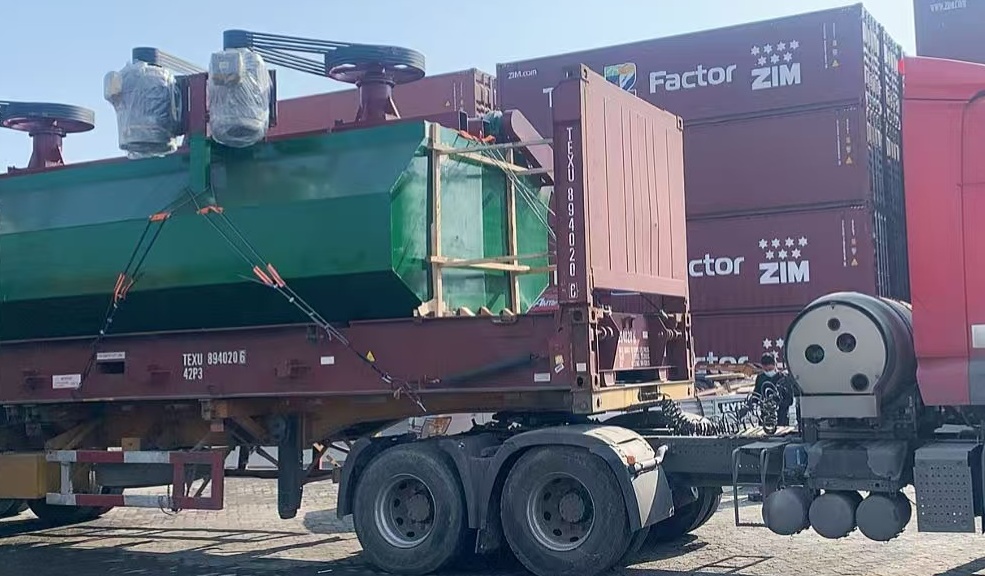
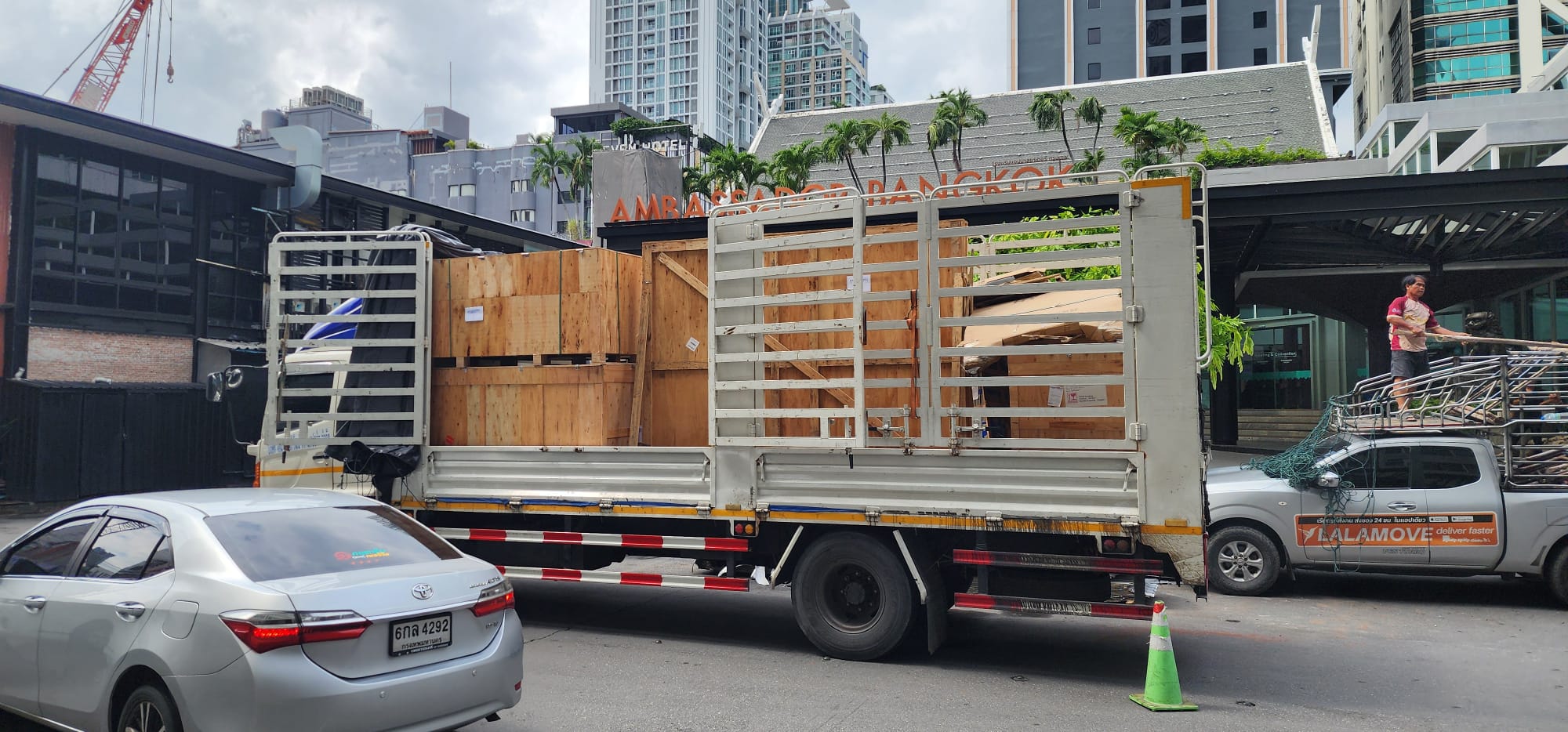
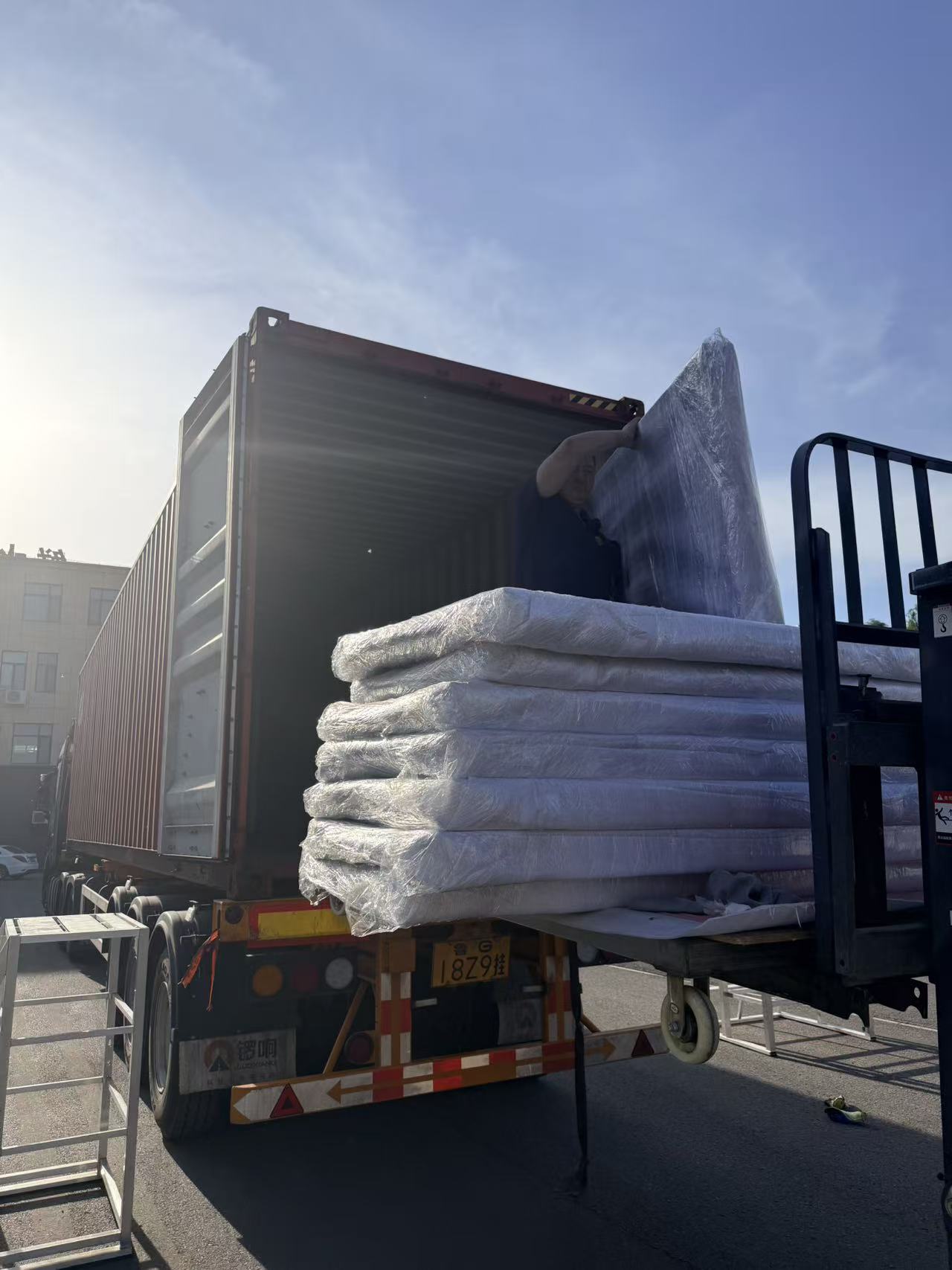
Loading and Unloading Cargo They use cranes, forklifts, and other heavy equipment to load or unload containers, vehicles, and bulk cargo efficiently and safely.
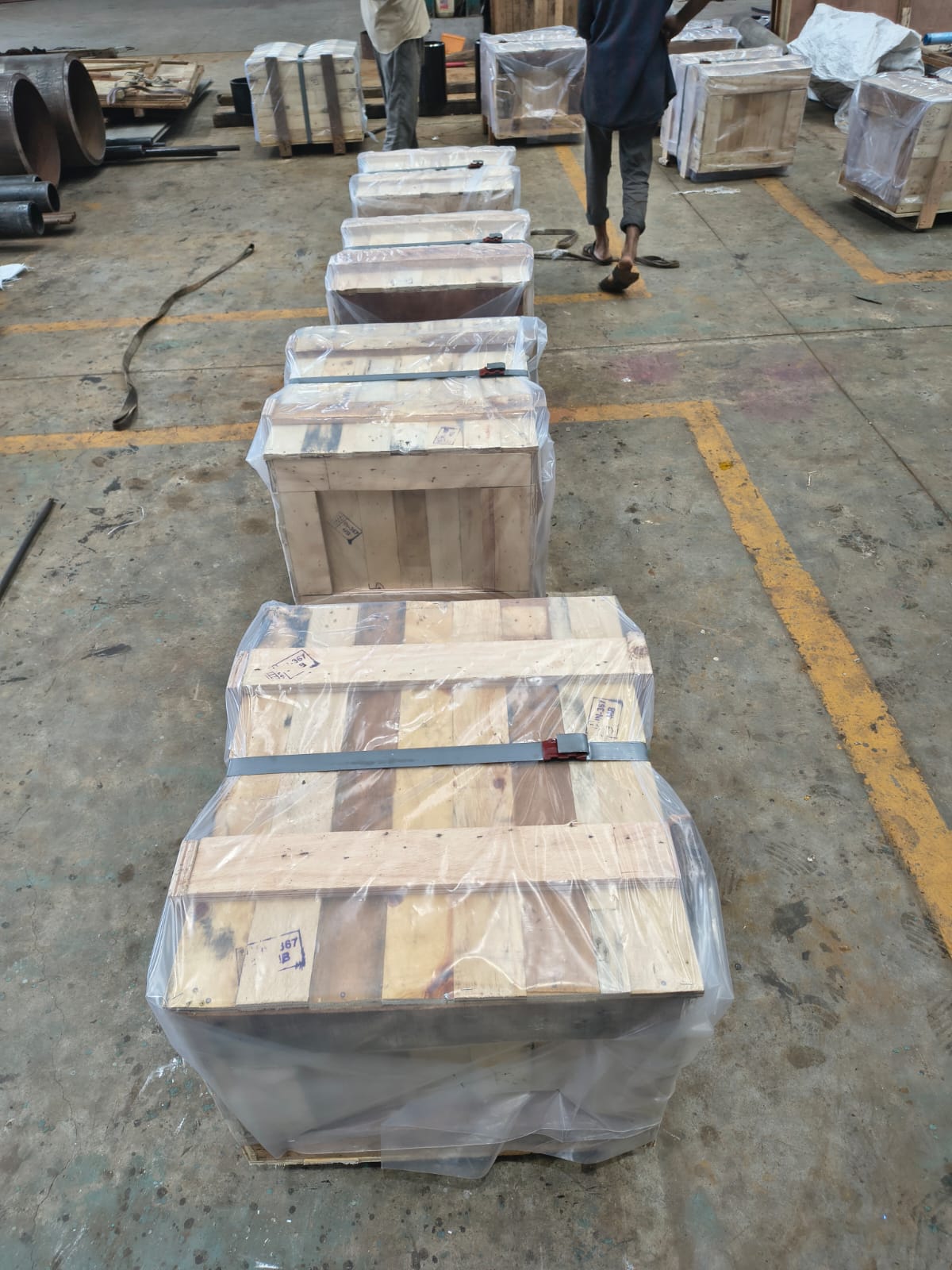
Cargo Securing and Stowage Properly securing cargo inside a vessel’s hold or container is essential to prevent damage during sea transport. Stevedores follow stowage plans provided by ship planners and logistics coordinators.
Inspection and Documentation Stevedores often assist in inspecting cargo conditions and verifying documentation to ensure all shipments comply with port and customs requirements.
Safety Compliance Port environments involve significant hazards. Stevedores are trained in safety standards, including wearing protective gear, following lifting procedures, and operating machinery responsibly.
Why Stevedores Are Essential in International Trade?
Ensuring Supply Chain Efficiency Efficient stevedoring operations reduce vessel turnaround times, keeping the global supply chain moving smoothly and minimizing demurrage costs.
Reducing Cargo Damage Risks Skilled handling prevents costly damage to goods and containers, safeguarding both the shipper’s and consignee’s interests.
Supporting Port Productivity The speed and precision of stevedores directly influence port throughput — a crucial metric in global trade competitiveness.
Enabling Multimodal Connectivity Stevedores coordinate with trucking, rail, and warehousing teams, ensuring a seamless transition of cargo between different transport modes.
Modern Stevedoring: Technology and Innovation
Modern ports have evolved far beyond manual labor. Today’s stevedores rely heavily on digitalization and automation, including:
Automated container cranes (STS cranes)
Terminal Operating Systems (TOS) for real-time cargo tracking
RFID and IoT sensors for cargo monitoring
AI-based safety and efficiency analytics
These technologies help stevedores work faster, safer, and with greater precision, enhancing overall port performance.
Stevedores vs. Longshoremen: Is There a Difference?
While the terms stevedore and longshoreman are often used interchangeably, there are slight regional distinctions:
Stevedore often refers to the company or contractor managing dock labor and cargo operations.
Longshoremen typically refers to the individual workers who physically handle cargo on the dock.
Both roles, however, are integral parts of the port logistics ecosystem.
Challenges Faced by Stevedores
Despite technological progress, stevedores face several ongoing challenges:
Weather and working conditions: Ports operate around the clock, in all weather.
Safety risks: Heavy machinery and high cargo volumes require strict adherence to safety protocols.
Labor shortages: Skilled dock labor is increasingly in demand as global trade grows.
Automation pressure: Balancing efficiency with employment stability in an automated era.
Stevedores form the backbone of port logistics and international trade. Their skill, experience, and dedication ensure that cargo moves efficiently between ships and shore — powering the global economy. As ports continue to modernize, stevedores will play an evolving role, combining traditional expertise with cutting-edge technology to meet the growing demands of global commerce.
FAQs About Stevedores
1. What does a stevedore do at a port? A stevedore is responsible for loading, unloading, and securing cargo on ships using cranes and heavy machinery.
2. How are stevedores different from dockworkers? Stevedores focus on cargo handling operations, while dockworkers may perform a broader range of tasks, including maintenance and logistics support.
3. Why are stevedores important for shipping companies? Efficient stevedoring minimizes vessel waiting times, prevents cargo damage, and ensures smooth turnaround — saving time and cost.
4. Do stevedores work with all types of cargo? Yes. They handle containers, breakbulk, bulk, Ro-Ro, and even hazardous materials, depending on the port and trade type.
5. How has technology changed stevedoring? Automation, robotics, and AI have made stevedoring faster, safer, and more data-driven than ever before.