Freight From China To Australia
Your Trusted Freight Forwarding Partner in China
Freight Forwarder From China to Australia
For 11 years, CHINA BRF LOGISTICS has been a leading freight forwarding expert in China, dedicated to delivering your cargo with precision and care. We offer a comprehensive range of services to meet all your shipping needs
We have focused on the Australia market for many years, so we can handle every shipment from China to Australia very well. Including door to port, door to door, port to port, and port to door service.
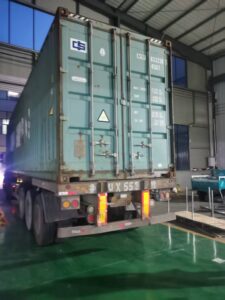
Whether you ship FCL from China on 20GP container, 40 GP container, or LCL shipping goods from China to Sydney, Brisbane, Melbourne,Fremantle, CHINA BRF LOGISTICS will always provide you cheapest shipping freight to save your shipping cost.
CHINA BRF LOGISTICS is an expert on both sea freight from China to Australia and air freight from China to Australia, you can rely on us and we will be your best freight forwarder and partner in China.
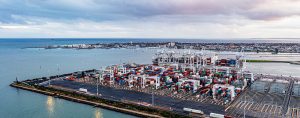
We can ship to any port in Australia by sea. For example,Sydney, Brisbane, Melbourne,Fremantle
We can arrange DDU DDP terms and deliver to your doorstep on time
Sea Freight from China to Australia
We can make sure there is space in the carrier even during peak season with a competitive price.
Air Freight from China to Australia
We will choose the best air route and rate based on your budget and schedule.
Door to Door Shipping from China to Australia
We can provide a fast customs clearance service in Australia, and deliver your goods to your warehouse or home.
More Services When Shipping from China
Custom Clearance
You do not need to provide us any documents,We handle all paperwork and other details for you.
Door To Door Delivery
different regions have different delivery methods. If you want to know how your goods are delivered
Your Best Freight Forwarder from China to Australia
- We can quote lower freight rates than the market average because of our contract rates with carriers.
- Shipping service from any port in China.
- Paperwork in China and Australia.
- Warehouse and distribution service.
Time of Shipping from China to Australia
Port of Loading | Port of Arrive | Transmit Time |
Tianjin | Sydney/Brisbane/Melbourne | 28 |
| Qingdao | Sydney/Brisbane/Melbourne | 23 |
Shanghai | Sydney/Brisbane/Melbourne | 17 |
| Ningbo | Sydney/Brisbane/Melbourne | 16 |
Xiamen | Sydney/Brisbane/Melbourne | 15 |
| Shenzhen | Sydney/Brisbane/Melbourne | 11 |
Shipping from China to Australia: The Complete Guide for Importers
Are you looking for the most comprehensive guide for shipping from China to Australia?
Or, you’re planning to import from China.
Well, I have made this guide for you.
Because I am going to cover everything you need to know when shipping from China to Australia.
From sea freight, air freight, Australia import customs, products to best freight forwarders, just to mention a few.
The best part?
This guide will help you reduce shipping cost and time from China to Australia.
- BRF Freight Forward Services to Australia
- Ways of Shipping from China to Australia
- A Complete Guide to Australia Import Customs
- Main Products Australia Imports from China
- How to choose best Freight Forwarder from China to Australia
- FAQs on Shipping from China to Australia
Chapter 1: BRF Freight Forward Services to Australia
With the rising competition in logistic industry, freight forwarding companies have cropped up with the majority giving substandard services.
At BRF, we offer some of the best freight forwarding services to Australia.
When importing from China to Australia, you can benefit from our ever-growing partnerships and networks.
We not only help you find high quality products, but also ensure you receive them within the shortest time possible.
You can always benefit from our 8 years’ experience in the logistics industry.
CHINA BRF LOGISTICS is continuously growing to support its ever increasing clients importing from China to Australia. By 2019, we had got the NVOCC.
I can tell you this for free:
CHINA BRF LOGISTICS team will help you at every stage.
From custom clearance, packaging, loading to inspection, CHINA BRF LOGISTICS ensures all your cargo reaches Australia without delays.
We always update you on every single movement of the shipment.
Whether you need:
1.Air freight from China to Australia
2. Sea freight from China to Australia or,
3. Door to door shipping from China to Australia
From LCL shipping from China to Australia to FCL shipping from China to Australia, CHINA BRF LOGISTICS offers the best freight forwarding service.
What’s more?
CHINABRF LOGISTICS is one of the leading freight forwarder from China to Australia that offers:
2. Warehousing and distribution
3. Cargo insurance
4. Customs clearance
5.Loading supervision, among other services
And by the way, at CHINA BRF LOGISTICS, our main focus is you – we want you to import from China to Australia without any hurdles.
Can you imagine this?
With CHINA BRF LOGISTICS to Australia, you are guaranteed of 10 to 15 days free warehousing.
You can also use our containers for a maximum of 21days.
We do all these to save on shipping cost from China to Australia.
During our logistics process, when shipping from China to Australia, we send pictures and videos of your goods.
Why am I telling all these?
Because CHINA BRF LOGISTICS is a company you can trust for all your shipping needs from China to Australia.
But, that’s not everything you need to know about shipping from China to Australia.
Here are even more critical things you must know:
Chapter 2: Ways of Shipping from China to Australia
Whenever you’re looking for the best ways to ship from China to Australia, you need to consider a number of factors.
Basically, there are only two main ways to ensure that your goods reaches the destination in time.
The two main modes of transportation include:
Whether to choose an air freight from China to Australia or ocean freight from China to Australia will depend on:
i. Nature of goods you’re shipping
ii. How urgently do you need to the goods?
On this, once the product reaches the destination port,CHINA BRF LOGISTICS will always ensure the door to door delivery even if it means road transport.
CHINA BRF LOGISTICS has priority to satisfy the customer within the shortest time possible.
Now, let’s explore on ways of shipping from China to Australia:
2.1. Sea Freight from China to Australia
China is approximately 7470 kilometers from Australia.
Sea/ocean freight is very effective in ensuring commodities reach Australia from China.
Ocean freight is basically the transportation of the commodities via the sea from one port location to the other.
During this mode of transportation, the cargo can be put on the shipping vessel directly or put on the shipping containers first.
To ensure your cargo arrives safely in Australia, the freight forwarder handles all logistics work.
From cargo clearance, verifying documents to supervising the loading process.
But, even before you think of ocean freight from China to Australia, you need to know both the port of origin and destination.
That’s where I want to take you next.
2.1.1. Main Sea Ports in China
China has so many sea ports in China and they include:
- Port of Shanghai
- Port of Tianjin xingang
- Port of Guangzhou
- Port of Qingdao
- Port of Shenzhen
- Port of Ningbo
- Port of Dalian
- Port of Xiamen
- Port of Lianyungang
- Port of BANGKOK and many others.
COSCO The most stable and reliable route
EMC will first connect to the Sydney route
The bottom, you need to know the sea port where you want to ship from in China.
This way, you will know how long goods will take to reach the sea port in China.
2.1.2. Main Sea Ports in Australia
Australia also has a number of the receiving sea ports which can handle millions of tonnes of cargo in a year.
Australian busiest ports include:
· Seaport of Brisbane
It is the third busiest port in Australia located on the East Coast of the state of the Queensland.
It can handle more than 2600 ships in a year and can transport 28 million tons of cargo within a year.
· Seaport of Fremantle
Is one of the biggest ports located in West Australia and can handle a vessel size of over 500 feet in length.
· Seaport of Melbourne
Situated in the city of Melbourne and handles around 2.6 million TEU and with ship capacity of 3000 ships annually.
· Port of Darwin
It is situated in the northern part of Australia.
Darwin, Northern Territory has operated in locations such as Stokes Hill Wharf, Cullen Bay and East Arm Wharf.
· Seaport of Sydney
Situated in Botany Bay next to the Sydney airport in Sydney, New South Wales.
Has a capacity of 300 thousand TEUs per year.
Has ship capacity of over 1700 ships annually.
You can learn more about these ports here: List of Ports in Australia.
2.1.3. How Long it Takes to Ship from China to Australia
Let me tell you the truth:
The shipping time can range from 3 days to even a month when one ship from China to Australia.
Normally the time it takes to ship from China to Australia will depend on the:
1.Location of the port
2. Time it takes for custom clearance in China
There are so many tools you can use to calculate this.
Here is a useful resource from ports.com: Sea Route & Distance:
The table below shows the time it takes to ship from a port in China to Australia.
Port of Loading | Port of Arrive | Transmit Time |
Tianjin | Sydney/Brisbane/Melbourne | 28 |
| Qingdao | Sydney/Brisbane/Melbourne | 23 |
Shanghai | Sydney/Brisbane/Melbourne | 17 |
| Ningbo | Sydney/Brisbane/Melbourne | 16 |
Xiamen | Sydney/Brisbane/Melbourne | 15 |
| Shenzhen | Sydney/Brisbane/Melbourne | 11 |
As the number of days varies depending on the port of origin and destination.
2.1.4. Shipping Companies from China to Australia
There are many shipping companies which can promptly facilitate movement of your consignment from China to Australia.
Depending on the reputation and services of the company, one can easily choose the best amongst the well-known ones.
The companies which have operated on that route include;
COSCO SHIPPING
CMA/ CGM/ ANL/ APL SHIPPING
Hapag Lloyd SHIPPING
EMC SHIPPING
ONE SHIPPING
OOCL SHIPPING
OWL SHIPPING
PIL SHIPPING
TSL SHIPPING
Ecru-Line MSC SHIPPING
Hamburg Sud SHIPPING
Chapter 3: Sea Freight: FCL vs. LCL – Which Is Right for You?
Efficient international shipping starts with the right container choice. Learn the key differences between Full Container Load (FCL) and Less-than-Container Load (LCL), their advantages, and when to use each for sea freight from China to Australia, and beyond.
• FCL (Full Container Load): A single shipper uses the full capacity of a 20ft or 40ft container. Ideal for bulk goods, high-value items, or when shipping time and privacy matter.
• LCL (Less-than-Container Load): Cargo from multiple shippers is consolidated into one container. Cost-effective for smaller shipments that don’t fill an entire container.
Comparison Table: FCL vs. LCL
| Feature | FCL | LCL |
|---|---|---|
| Container Usage | Full container used by one shipper | Shared container with others |
| Cost Efficiency | Cheaper per unit for large volume | Lower upfront cost for small volume |
| Handling | Loaded/sealed at origin by shipper | Multiple handling and consolidation |
| Transit Time | Generally faster (less handling) | Slightly longer (more coordination) |
| Risk of Damage | Lower risk | Slightly higher (shared container) |
| Documentation | Simpler | More complex (consolidation required) |
Less than Container Load Shipping from China to Australia (LCL)
Less than Container Load (LCL) is consignment shared by many other customers with small amounts of goods to export.
In one container, different types of goods are packed inside till the container is full.
All the goods packed in the same container will be consolidated until the shipping thresh hold is met.
These goods must have the same destination port.
The shipping cost of the whole consignment will be shared by the individuals whose goods are inside the container as per the individual space (volume in cubic meters) occupied.
This type of sea/ocean shipping is considered cheaper when one is shipping very small quantities from China to Australia.
Though very cheap, it takes longer as the handling and consolidation takes time.
Why?
Consolidating goods at the port of departure is long and can be tedious.
Moreover, at the port of destination, you need to separate goods to their respective owners.
Again, each package will be cleared independently.
So basically, you require a lot of manpower and time.
It is important to handle these goods carefully in China and Australia to prevent possible damaging of goods.
Full Container Load Shipping from China to Australia (FCL)
Full Container Load (FCL) is suitable where one is importing goods which can fill one container.
This will give easy handling since every this is treated as one entity and can be cleared as one.
Tracking of such a consignment is therefore straightforward.
This makes it safer than LCL where many other packages are mixed in one container.
Once the consignment departs, the shipping container/booking number can be used to estimate the container duration in the sea/ocean.
When FCL is used, the charges are on flat rate as compared to LCL where the charges are levied on every individual package.
Normally, the maximum load permitted for every container during shipping is 28 tones with the 3 commonly used types of the containers being 20 feet, 40 feet and 40 feet high cube container.
At the port of departure and at the port of destination, LCL and FCL have different ways of handling due to the nature of goods available in each and every container.
Their difference in handling is such that:
a) FCL has very minimal handling. This is because the supplier takes the responsibility of sealing, loading and transporting cargo to the port in China.
Once it is loaded to the ship, there will be no need of opening it again at the destination port till the customer gets its procession.
LCL has taken a lot of time since every package has to be handled independently during consolidation at the departure port. You will go through a similar process at the port of destination when segregating individual packages.
b) The Freight forwarder will always issue a bill of Lading directly when one used FCL. For LCL, the bill of lading will be issued by the official shipping line.
c) Due to less handling activities in FCL, its charges are less compared to the LCL. The difference in the charges is due to high charges levied on the handling of the LCL both at the destination port and the departure port.
d) In FCL, the container number will just be one while when using LCL, every package inside the container has to be marked with the shipping mark to differentiate it with other packages. Normally, this mark must be visible with bold, black and water proof color which cannot be erased easily.
It should be written in English and if possible in the language of the destination port. Cargos carrying dangerous substances/chemicals must be marked using orange or red colors.
Key Ports in Australia for Sea Freight
Port of Sydney (NSW)
Handles mid-size container shipments.
Gateway to New South Wales and nearby regions.
Direct connections to major Chinese ports.
Port of Melbourne (VIC)
Australia’s busiest container port.
Efficient for bulk and high-frequency shipping.
Well suited for FCL sea freight from China.
Port of Brisbane (QLD)
Specialized in agricultural and refrigerated cargo.
Important for exporters in Northern Australia.
Connects well with Shenzhen and Ningbo.
Port of Fremantle (WA)
Key port for Western Australia.
Ideal for mining, energy, and general imports.
Strategic for China–Middle East–Europe transits.
Chapter 4: Australia Customs Clearance and Door-to-Door Delivery Process
Learn the step-by-step process for customs clearance and door-to-door delivery in Australia. Ensure your shipments are delivered smoothly and efficiently.
Customs Clearance to Door Delivery in Australia: A Complete Guide
Australia’s import process involves several steps to ensure the safe and legal delivery of goods. Whether you’re shipping by sea or air, understanding the Australian customs clearance process and how your goods are delivered to your door is crucial for efficient trade.
1. Arrival of Goods in Australia
Import Process for Containerized or Bulk Cargo Arriving in Australia (Sydney, Melbourne, Brisbane, etc.)
When a container or bulk cargo shipment arrives at an Australian port (such as Sydney, Melbourne, or Brisbane) or airport, the following key steps occur:
Arrival Notification & Customs Declaration
The shipping line, airline, or terminal operator notifies the appointed freight forwarder (or importer’s customs broker) of the cargo’s arrival.
The freight forwarder submits a customs declaration to the Australian Border Force (ABF) via the Integrated Cargo System (ICS), ensuring all required documents (e.g., commercial invoice, packing list, bill of lading/air waybill) are provided.
Duty/Tax Assessment & Payment
ABF reviews the declaration and assesses applicable duties, taxes (GST), and import charges (e.g., customs processing fees, port charges).
The importer or broker must settle these fees before the cargo can be released. In some cases, deferred payment arrangements may apply for trusted traders (e.g., AEOs).
Bill of Lading (B/L) Amendment (if required)
If changes to the B/L are needed (e.g., consignee updates), the freight forwarder coordinates with the shipping line, often requiring payment of amendment fees.
ABF Cargo Review & Clearance
ABF conducts a risk assessment and may:
Automatically clear low-risk shipments.
Request additional documentation (e.g., permits, certificates of origin).
Order an inspection (physical or X-ray) for compliance with biosecurity (DAFF), safety, or trade regulations.
For perishable or time-sensitive cargo, priority processing may be requested.
Release & Delivery
Once cleared, the cargo is released to the importer or transport provider for onward delivery.
For containerized cargo, detention fees may apply if not collected within the port’s free storage period.
Key Variations:
Air Cargo: Faster clearance timelines; often requires pre-arrival declarations.
Bulk Cargo: Subject to additional checks (e.g., mineral inspections, agricultural bulk goods).
Restricted Items: Requires permits (e.g., DAFF for food, timber, or animal products).
2. Submitting Customs Documents
To clear goods through Australian Customs, the following documents must be submitted:
Transport Documents (Bill of Lading, Air Waybill)
Commercial Invoice
Packing List
Import/Export Permits (if applicable)
Certificate of Origin (if applicable)
Import Declaration
Once submitted, Australian Customs will classify and assess the goods.
BRF can assist in creating all files
3. Customs Review & Duties Payment
Australian Customs reviews all submitted documents and calculates applicable duties 5% and Goods and Services Tax (10%GST), The importer is responsible for paying these fees, If the supplier can provide a certificate of origin from China and Australia, tariffs can be waived,often managed by the freight forwarder.
4. Goods Inspection (If Required)
Customs Inspection & Associated Costs
In certain cases, the Australian Border Force (ABF) may conduct a physical inspection of the shipment to:
Verify the accuracy of the declared contents (e.g., quantity, description, value).
Ensure compliance with biosecurity regulations (DAFF inspections for food, plant, or animal products).
Detect prohibited or restricted goods (e.g., undeclared items, counterfeit goods, hazardous materials).
If an inspection is required:
Inspection Fees: The importer or their customs broker may incur ABF inspection charges (e.g., manual examination, X-ray scanning).
Storage Fees: If the inspection delays cargo release, demurrage or port storage fees may apply (varies by terminal).
Quarantine Fees: For biosecurity-related inspections, the Department of Agriculture, Fisheries and Forestry (DAFF) may impose additional handling or testing fees.
Note: All such costs are borne by the importer and should be factored into landed cost calculations. Delays can be minimized by ensuring accurate documentation and pre-clearing high-risk goods.
In addition, a very important point
Fumigation Requirements for Solid Wood Products Imported into Australia
Mandatory Fumigation Certification
All solid wood products (e.g., timber, pallets, crates, furniture) entering Australia must be accompanied by a valid fumigation certificate issued by an accredited treatment provider.
The certificate must confirm compliance with Australian biosecurity standards, typically using methyl bromide or heat treatment to eliminate pests (e.g., bark beetles, termites).
Consequences of Non-Compliance
If the shipment arrives without a fumigation certificate, the Department of Agriculture, Fisheries and Forestry (DAFF) will:
Detain the goods and require re-fumigation at the importer’s expense.
Issue financial penalties (up to AU$1.1 million for corporations under the Biosecurity Act 2015).
In severe cases, destroy or re-export the cargo.
Key Considerations for Importers
Pre-shipment treatment: Fumigation must occur before departure and be documented using the DAFF-approved template.
Country-specific rules: Some timber exports (e.g., from China, USA, Europe) require additional phytosanitary certificates.
Inspection risk: Untreated wood is high priority for DAFF inspections, causing delays.
Pro Tip: Work with a licensed customs broker to ensure all timber imports meet ISPM 15 standards (international wood packaging regulations).
5. Customs Clearance Completion
Once all requirements are met, Customs will grant clearance, and goods are allowed to enter Australia. At this point, the freight forwarder arranges the next step of the process: transportation to the final destination.
6. Last-Mile Delivery (Door-to-Door Service)
Freight carriers will transport goods from the port or airport to the delivery address. The final step is door-to-door delivery, ensuring that goods are safely and promptly delivered to the consignee’s specified location.
7. Receipt & Confirmation
Upon delivery, the consignee signs for the goods, confirming receipt and the condition of the cargo. Any remaining fees are settled before completing the delivery process.
Understanding the customs clearance and door-to-door delivery process in Australia is essential for smooth international shipments. Ensuring all documents are correctly filed, customs duties are paid, and goods are properly inspected can prevent delays and reduce additional costs.
For hassle-free customs clearance and efficient door-to-door delivery services in Australia, contact BRF LOGISTICS today. We ensure timely, compliant, and cost-effective shipping solutions for your business.
Frequently Asked Questions (FAQs)
Q1: Which Australian port should I choose for FCL from China?
Port of Melbourne is ideal for high-volume shipments due to its scale and efficiency.
Q2: Is LCL viable for shipping to Fremantle?
Yes, especially if your goods are not urgent and volume is limited.
Q3: What documents are required for importing to Australia?
Bill of Lading, Packing List, Commercial Invoice, Import Declaration, Biosecurity Certificates if applicable.
Q4: How can I reduce delays at Australian customs?
Ensure proper documentation, clean goods, and ISPM 15-compliant wood packaging.
Q5: Does BRF LOGISTICS operate in all major Australian ports?
Yes, BRF LOGISTICS covers Sydney, Melbourne, Brisbane, and Fremantle with door-to-door solutions.
Chapter 5: Air Freight from China to Australia
When time is a constraint to ship any cargo, it is important to know the fastest way of having your commodity reach Australia.
Air freight is considered the fastest means of transportation.
In air freight, the services include:
- Domestic air freight forwarding
- Oversize air freight forwarding
- Real-time shipment tracking and tracing
- Specialized export services which may include export compliance
- Export documentation
- Coordination with banks for banking compliance
- Crating and packaging, just to mention a few
All these ensure the arrival of the shipment in time to give the customer satisfaction.
2.2.1. Advantages of Air freight
Some of the main advantages of air freight over sea freight include:
a. Faster delivery time since the flight have higher speeds compared to the ships. Normally, air freight companies know the shortest routes to be used depending on the agency of the cargo
b. Cost effective since there will be minimal point of contact since one freight broker can easily handle all the logistics
c. Consignment will as well be safe as it will always be insured for risk reduction and tracking
When it comes to air freight services, the customers will always be concerned about time to ensure he receives his consignment in time.
The customer’s expectation can be met by giving additional specialized export services such as:
- Export documentation
- Coordination with banks for banking compliance
- Export compliance and more are offered.
All these aim to ensure faster delivery of goods as per the wish of the customer.
Before using air freight from China to Australia, it is important to be well versed with the airports in China and their locations.
China as a country has so many airports which aid movement of different commodities from different locations.
Depending on different places where goods are sourced, the airports will always be busy on a cargo basis to export the goods out of the country.
Some of the main airports in china include:
- Beijing Capital International Airport
- Shanghai Pudong International Airport
- Chengdu Shuangliu International Airport
- Hong Kong International Airport
- Xi an Xianyang International Airport
- Kunming Changshui International Airport
- Guangzhou Baiyun International Airport
- Shenzhen Bao’an International Airport
- Hangzhou Xiaoshan International Airport
- Xiamen Gaoqi International Airport
- Changsha Huanghua International Airport
- Qingdao Jiaodong International Airport
- Wuhan Tianhe International Airport
- Haikou Meilan International Airport
- Tianjin Binhai International Airport
- Phoenix International Airport
- Harbin Taiping International Airport
- Guiyang Longdongbao International Airport
- Dalian Zhoushuizi International Airport
- Taiyuan Wusu International Airport
- Lanzhou Zhongchuan International Airport
- Shijiazhuang Zhengding International Airport
Since the cargo leaves from China to Australia, it is important to know the locations of each and every airport in Australia.
This will help you to plan accordingly when importing from China to Australia.
The busiest airports in Australia include:
- Sydney Airport in New South Wales
- Melbourne Airport in Victoria
- Brisbane Airport in Queensland
- Perth Airport in Western Australia
- Adelaide Airport in Adelaide, South Australia
- Gold Coast Airport in Gold Coast, Queensland
- Cairns Airport in Cairns, Queensland
- Canberra Airport in Canberra, Australian Capital Territory
- Hobart International Airport in Hobart
- Darwin International Airport in Darwin, Northern Territory
- Moorabbin Airport in Melbourne, Victoria
- Parafield Airport in Adelaide, South Australia
- Jandakot Airport in Perth, Western Australia
- Bankstown Airport in Sydney, New South Wales
- Archerfield Airport in Brisbane, Queensland
And some of the main cargo airlines you can consider when shipping from China to Australia include:
- Sichuan Airline
- Air China
- China Airlines
- Cathay Airline
- China Southern Airline
- AirAsia X
- Etihad Airline
- Garuda Airline
- Hong Kong Airline
- Capital Airlines
- Xiamen Airline
- China Eastern Airline
- Singapore Airline
- Thai Airline
Case Analysis #1
Customized Container Warehouse Solution: CHINA BRF LOGISTICS Helps You Achieve Efficient Logistics with “Warehouse and Transportation Integration
In the fiercely competitive global business environment, enterprises pursue not only high-quality warehousing space, but also ultimate cost-effectiveness and operational efficiency. Customized container warehouses, with their flexible, sturdy, and transportable characteristics, have become an ideal solution. **As a professional international logistics and customized warehousing solution provider, CHINA BRF LOGISTICS understands the needs of our customers. Our ingenuity lies in the fact that during transportation, the huge internal space of the warehouse itself can serve as a cargo hold, loading other goods for you to transport together, achieving “warehouse and transportation integration”, maximizing the use of valuable space in each sea freight container, and significantly reducing your overall costs.
Why choose customized container warehouse from CHINA BRF LOGISTICS?
By collaborating with us, you will gain outstanding advantages far beyond traditional construction methods:
*Flexibility and Scalability: We precisely customize the size according to your actual storage needs, and can increase or decrease the number of units at any time to easily cope with business fluctuations.
*Cost effectiveness: Our integrated production and logistics services significantly reduce your upfront construction and time costs, resulting in a high return on investment.
*Durable and sturdy: Made of high-quality steel, it has excellent wind, water, and corrosion resistance, making it safe and reliable.
*Convenient mobility: The standard container structure design facilitates transportation and migration through various modes such as sea, land, and air, achieving a “warehouse that moves with business”.
** * [Core Advantage] Integrated warehouse and transportation, dual benefits: * * Our innovative logistics planning makes the warehouse not a simple “cargo” when shipping by sea, it is itself a standard and protected transport container. Its spacious interior is a free sea freight space, and our team can assist you in safely loading any cargo such as equipment, raw materials, tools, and goods, significantly reducing overall logistics costs.
Project practice: CHINA BRF LOGISTICS completes the “warehouse and transportation integrated” sea freight solution for three customized warehouses
Taking a typical project we recently completed as an example, we tailored three exclusive container warehouses for our clients and fully utilized their internal space for mixed transportation.
**1. Precise customization: designed for transportation and loading**
Our engineering team closely communicated with the client and, based on their site and storage requirements, ultimately determined the precise dimensions of each container warehouse as follows:
** * External dimensions: * * 3.8 meters (length) x 2.44 meters (width) x 2.26 meters (height)
This size not only perfectly meets the storage needs of customers, but also has a huge internal space of about 21 cubic meters, making it a “treasure hold” during transportation. Our design always follows international transportation standards and is prepared to choose the most economical frame box transportation solution.
**2. Efficient “warehouse and transportation integrated” solution: 1 * 40FR frame box professional transportation**
**CHINA BRF LOGISTICS * * has extensive experience in handling special goods. For this type of fully assembled full box cargo, we decisively use * * 1 * 40ft frame box (40 ‘Flat Rack, abbreviated as 1 * 40FR) * * for sea transportation to ensure no mistakes.
Our professional operations:**
*Accessible loading and unloading: Under our supervision, a professional dock operation team uses cranes directly from the top or side for loading and unloading operations, ensuring safety and efficiency.
** * Perfectly matched customized size: * * We accurately calculate the cargo size and the loading scheme of the frame box to ensure compliance with all maritime safety regulations.
** * Securely fixed: * * Our binding and strengthening team uses professional equipment to firmly fix the goods, so as to ensure that they can be as stable as Mount Tai even when encountering wind and waves during ocean shipping.
** * [Core Highlights] Space utilization to create additional value:**
Before the warehouse is lifted into the frame box, our warehousing team will first safely load the customer’s planned shipment of other goods, such as production line accessories, packaging materials, office furniture, etc., into the warehouse and secure them properly. This is precisely the value of * * CHINA BRF LOGISTICS * * – we not only provide products, but also offer intelligent logistics integration solutions. This has achieved:
1. * * Transported the warehouse itself * *: The main purpose was achieved.
2. * * Free transportation of a large amount of other goods * *: Fully utilizing the internal space of the warehouse that was originally “empty”, saving customers the sea freight and miscellaneous fees required for shipping these goods separately in one or even multiple containers.
1*40FR
Professional Australian transportation of building materials, hardware, assembled houses, sunlit houses, aluminum fences, aluminum gate products, wood plastic products from China,
Overview of the “Integrated Warehouse and Transportation” Process:
1. Factory production and acceptance: 3 container warehouses complete all manufacturing and quality inspection in our cooperative factory.
2. Internal cargo loading: In our logistics center, a professional team safely loads the goods that customers need to transport together into the warehouse and performs professional fixation.
3. Closed warehouse: Lock the warehouse door and seal it with waterproof materials as necessary to fully protect the internal goods.
4. Port loading and unloading and reinforcement: Under the supervision of our experienced port operations manager, the warehouse, which has been filled with internal goods, will be lifted as a whole onto a 40 foot frame box and finally reinforced.
5. Customs declaration and shipping: CHINA BRF LOGISTICS provides one-stop processing for all export customs clearance procedures, ensuring safe departure of goods on international cargo ships.
6. Destination delivery: We can provide destination port customs clearance and delivery services to achieve door-to-door delivery. Customers can open the door lock to receive both their new warehouse and the goods already placed inside, saving time and effort.
Widely applicable scenarios
This type of customized container warehouse has a wide range of uses and is a powerful assistant for your global business:
*Temporary construction site office/material warehouse: It can transport construction tools, safety equipment, spare materials, etc. to the warehouse for global construction projects.
*Expansion of Warehousing and Relocation of Production Lines: Manufacturing enterprises can load idle machines, molds, or raw materials into their warehouses to simultaneously complete warehouse expansion and global material allocation.
*Mobile retail store/workstation: The inventory, shelves, and decorations required for opening can be transported internally and quickly opened upon landing.
*Emergency command center or medical station: * * can pre load disaster relief supplies and medical equipment, and can be put into operation immediately after arriving in the disaster area.
Contact us for your exclusive “warehousing+transportation” one-stop solution! **
**CHINA BRF LOGISTICS is committed to providing customers with the most economical and reliable customized container warehouses and global shipping services. No matter where you are, we can safely deliver your warehousing solution.
Consult now for a free quote!
Phone/WhatsApp:+8618561990998
Email: quote@brf-logistics.com
Services: Container Warehouse Customization | International Shipping | Integrated Warehouse and Shipping Solution | Global Logistics| CHINA LOGISTICS
Let us provide professional solutions to safeguard your business expansion!
Case Analysis #2
Freight Estimate Proposal: Shanghai → Port of Brisbane
I. Basic Information
| Item | Detail |
|---|---|
| Place of Origin | Shanghai, China |
| Cargo Type | General goods (non-hazardous) Expansion houses, Folding houses |
| Container Type | 40′ High Cube (40HQ) |
| Cargo Dimensions (unfolded) | 5.9 × 6.6 × 2.46 m x 2set |
| Cargo Dimensions (folded for container loading) | 5.9 × 2.2 × 2.48 m x 2set |
| Container Internal Dimensions (approx., 40′HC) | Length ≈ 12.03 m; Width ≈ 2.35-2.39 m; Height ≈ 2.67-2.70 m |
Product categories: Assembled houses, Sunshine houses, Expansion houses, Folding houses
Conclusion on Fit: The folded dimensions of your cargo are within the internal capacity of a 40′HC container. It is feasible to load one 40HQ container with your goods.
II. Market Freight Rate References
From recently collected data for the Shanghai → Brisbane route (40HQ, FCL):
Approx. USD 2,000 to USD 2,500 for port-to-port sea freight.
III. Estimated Total Cost (Door-to-Door)
Here is a composed cost estimate including sea freight and other essential fees:
| Cost Component | Estimated Amount (USD) | Notes |
|---|---|---|
| Sea Freight (Shanghai port → Brisbane port, 40HQ FCL) | USD 2,000 – 2,500 | Based on current market rates, port-to-port |
| Inland / Domestic Transport + Port Handling in Shanghai + Loading into Container | USD 200 – 500 | Depends how far goods are from port, local trucking, labor |
| Export Customs, Documentation, Packaging / Reinforcement | USD 100 – 300 | If paperwork and preparation are straightforward |
| Arrival Port (Brisbane) Unloading + Port Fees + Import Customs + Inspection / Quarantine | USD 300 – 800 | Depending on goods, inspection requirements, port charges |
| Insurance | Approximately 0.2%-1% of cargo value | For example, if cargo value = USD 10,000 → insurance ≈ USD 20-50 |
Estimated Total (Door-to-Door):
Lower-end scenario (with minimal extras, smooth paperwork): ~ USD 3,500 – 4,000
Higher-end scenario (with more fees, delays, or extra services): ~ USD 5,500 – 6,500
IV. Estimated Transit Time
| Phase | Duration |
|---|---|
| Loading + Domestic transport + Export customs in Shanghai | A few days up to 1 week (assuming everything is ready) |
| Sea voyage (Port to Port) | ≈ 12-18 days depending on whether the route is direct |
| Arrival at Brisbane → Customs, unloading, local delivery | two days up to 1 week, depending on inspection & distance to final destination |
Total Door-to-Door Estimate: Approximately 20-25 days
V. Risks & Variables to Confirm
Peak / off-peak season surcharges (shipping lines often add extra fees during busy periods)
Whether the shipping is direct or includes transshipment (indirect routes tend to increase time + cost)
Customs / quarantine / inspection rules in Australia especially for packaging materials, wood pallets, etc.
Whether extra packaging or reinforcement is needed to prevent damage during sea transport
Fuel surcharge & currency rate fluctuations that may affect final cost
How Freight Forwarders Help You Clear Aluminum Alloy Products in Australia
Importing aluminum alloy products into Australia involves strict customs, biosecurity checks, and detailed tariff classification requirements. Due to the product’s industrial value and potential anti-dumping considerations, importers often face challenges during clearance. Working with an experienced freight forwarder ensures your aluminum goods enter Australia smoothly, with full compliance and no unexpected costs.
This guide explains the import regulations for aluminum alloys in Australia, the documents required, and how freight forwarders assist throughout the clearance process.
1. Why Aluminum Alloy Products Face Strict Clearance in Australia
Lorem ipsum dolor sit amet, consectetur adipis
Aluminum alloys are commonly used in construction, machinery, automotive parts, marine applications, and manufacturing. Because of their wide use and economic impact, Australia enforces strict compliance for these imports.
Key reasons include:
Precise HS Code Classification
Different alloy grades (e.g., 5052, 6061, 6082) and product forms (sheet, coil, extrusion, bar, tube) determine the correct duty rate.
Potential Anti-Dumping Duties
Some aluminum products originating from China are subject to Australian Anti-Dumping Commission (ADC) investigations or duties.
Safety & Standards Compliance
Customs may require material certificates, composition sheets, and technical specifications to confirm alloy composition.
Biosecurity & Packaging Rules
The Department of Agriculture, Fisheries and Forestry (DAFF) mandates strict rules for wooden packaging, fumigation, and contamination checks.
Because of these requirements, importers often rely on freight forwarders to avoid delays or penalties.
2. What a Freight Forwarder Does for Aluminum Alloy Customs Clearance in Australia
A professional forwarder helps you manage every requirement of Australian Border Force (ABF) and DAFF biosecurity.
1. HS Code Classification & Duty Assessment
Forwarders help determine the correct tariff code based on:
Alloy grade
Form (sheet, plate, extrusion, tube, coil, bar)
Manufacturing method (rolled, extruded, cast)
Final application
Correct HS code ensures accurate import duty, GST, and potential anti-dumping duty calculations.
2. Document Pre-Check Before Shipment
To ensure smooth clearance, the forwarder verifies:
Commercial invoice
Packing list
Bill of lading
HS code and product descriptions
Country of origin certificate
Mill Test Report (MTR)
Material composition documents
Fumigation certificates (if wooden packaging is used)
Correct and consistent documentation significantly reduces clearance time.
3. Anti-Dumping Duty (ADD) Evaluation
Certain aluminum extrusions from China are subject to ADD under Australia’s regulations.
Freight forwarders assist with:
Checking applicable anti-dumping notices
Verifying producer/exporter details
Estimating duties
Preparing evidence to avoid misclassification
This helps prevent unexpected charges upon arrival.
4. ISPM-15 and Biosecurity Compliance
Wooden crates and pallets must comply with ISPM-15 standards.
Forwarders help ensure:
Wooden packing is heat-treated or fumigated
Packaging bears correct marking
No soil, seeds, insects, or contamination
DAFF biosecurity holds can cause long delays; proper preparation prevents issues.
5. Coordinating with Licensed Customs Brokers
Freight forwarders work with licensed Australian customs brokers to handle:
Import declaration (ICS)
Duty & GST payment
DAFF entry lodgment
Customs inspection arrangements
Close coordination ensures timely clearance at major Australian ports such as:
Sydney
Melbourne
Brisbane
Fremantle
Adelaide
6. Managing Inspections & Exams
If customs or DAFF orders an inspection, the forwarder:
Arranges transport to inspection facilities
Communicates with ABF and DAFF officers
Coordinates rework if contamination or packaging issues are found
Minimizes storage and port fees
This is crucial for avoiding delays and demurrage costs.
7. Door-to-Door Logistics Services
From China to Australia, forwarders can manage the entire supply chain:
Export clearance
Australia customs & biosecurity clearance
Final delivery to warehouse or job site
This reduces workload and helps importers avoid operational risks.
3. Documents Required to Import Aluminum Alloy Products into Australia
Mandatory Documents
Commercial invoice
Packing list
Bill of lading / Air waybill
HS code & product description
Country of origin certificate
Product-Specific Documents
MTR (Mill Test Report)
Composition analysis
Technical data sheet
Product photos (if required)
If Anti-Dumping Duties Apply
Exporter and producer details
ADC reference information
Proof of alloy grade and production method
If Using Wooden Packaging
ISPM-15 fumigation/heat treatment certificate
A freight forwarder helps prepare, review, and submit all documents properly.
4. Common Problems Importers Face with Aluminum Shipments to Australia
Wrong HS code → Incorrect or higher duty
Forwarders help with accurate classification.
Incomplete documents → ABF hold
Document pre-checking avoids clearance delays.
DAFF contamination → Biosecurity inspection
Forwarders arrange proper fumigation and packaging compliance.
Anti-dumping risks → Unexpected high duty
Forwarders review ADC notices and assess possible duty liability.
Port storage & demurrage costs
A forwarder coordinates faster clearance and delivery.
5. Why Work With a Freight Forwarder for Australia Aluminum Imports
Familiar with Australian import laws
Including ABF and DAFF requirements.
Strong experience with metals & industrial materials
Ensures correct HS code and compliance.
Reduces clearance risk
Proper documentation and packaging avoid delays.
Full supply chain support
From China factory to Australian warehouse.
Transparency & predictable cost
No hidden charges or unexpected duties.
6. How BRF Logistics Helps You Import Aluminum Products into Australia
BRF Logistics provides:
Tariff & HS code classification
ADD risk assessment
Document pre-checking
ISPM-15 packaging guidance
Customs & biosecurity clearance
China–Australia sea/air freight
Last-mile delivery across Australia
Whether you ship aluminum plates, coils, billets, extrusions, tubes, or alloy components, BRF ensures a fast, compliant, and cost-effective delivery process.
Importing aluminum alloy products into Australia requires strict compliance with customs, biosecurity, and anti-dumping regulations. An experienced freight forwarder significantly reduces risk, speeds up clearance, and ensures your shipment meets all Australian government requirements.
Working with the right logistics partner guarantees a smooth, predictable, and efficient import experience.
Waiting for updates …….
BRF Logistics: Aluminium Alloy Customs Clearance in Australia
Australia remains one of the world’s top destinations for aluminium alloy imports, particularly for industries such as manufacturing, construction, and automotive. However, importing aluminium alloys requires precision and compliance with Australian customs regulations. That’s where BRF Logistics comes in—our expertise in aluminium alloy customs clearance ensures your shipments are processed smoothly, efficiently, and cost-effectively.
In this guide, we’ll break down how BRF Logistics offers significant advantages to businesses importing aluminium alloys into Australia, including competitive tariff rates, clearance efficiency, and comprehensive compliance support.
1. Competitive Tariffs and Cost Savings for Aluminium Alloy Imports
Australia’s Free Trade Agreements (FTAs) with key aluminium-exporting nations like China and the United States offer significant tariff reductions for aluminium alloy products. At BRF Logistics, we ensure that your imports benefit from these tariff reductions.
Additionally, our team helps businesses navigate the harmonized tariff schedule (HTS) for aluminium alloys, ensuring that the right duty rate is applied to every shipment. This helps avoid overpaying on duties and ensures you’re in full compliance with Australian import regulations.
2. Efficient Customs Processing for Faster Delivery
Navigating Australia’s customs clearance process can be time-consuming and complex. However, BRF Logistics simplifies this process through our automated customs management system. Here’s how:
Fast and accurate classification of goods: We ensure your aluminium alloy products are classified correctly under Australia’s Customs Tariff, avoiding costly errors and delays.
Streamlined import declaration submission: With the use of the Integrated Cargo System (ICS), we quickly submit your cargo declarations to the Australian Border Force (ABF).
Efficient compliance checks: Our experts handle all required documentation, including Bill of Lading, Packing List, and Certificate of Origin, so you don’t have to worry about regulatory compliance.
Our focus on accuracy and speed ensures that your shipments pass through customs smoothly and arrive on time.
3. Expertise in Handling Special Requirements for Aluminium Alloy Imports
Aluminium alloy products often come with special handling requirements, such as custom packaging, special stowage needs, or certifications. At BRF Logistics, we have extensive experience in managing these specific needs.
Special Packaging Compliance: We ensure that your aluminium alloys meet Australian safety standards and packaging requirements (such as compliance with ISPM 15 for wooden packaging).
Regulatory Expertise: We are experts in the Australian customs regulations, including special certifications for non-dangerous chemicals or recyclable materials, which are often relevant to aluminium alloys.
Advanced Logistics: We offer tailored solutions for transporting aluminium alloys, whether by sea freight, air freight, or land transportation.
4. Full Compliance with Australian Customs Regulations
The Australian Border Force (ABF) enforces strict regulations regarding imports, and the Department of Agriculture, Water and the Environment (DAWE) imposes specific rules related to biosecurity. BRF Logistics ensures your aluminium alloy imports meet these requirements through:
Pre-arrival checks and documentation: We handle all paperwork, including Import Declarations, Biosecurity Certificates, and Quarantine Clearances, ensuring your goods are fully compliant with Australia’s import laws.
Risk Management: Our team ensures that your shipments are not only compliant with Australian law but also meet safety regulations, including fire prevention and environmental standards for aluminium alloys.
5. Why BRF Logistics?
BRF Logistics has extensive experience in aluminium alloy imports to Australia, providing businesses with a smooth, efficient, and cost-effective customs clearance process. Here’s why you should choose us for your next import:
Expertise: We are specialists in Australian import regulations, especially for aluminium alloys, and can handle complex shipments with ease.
Speed: Our experienced team ensures your goods are cleared quickly, reducing waiting time and getting your products to the market faster.
Reliability: With BRF Logistics, you can count on safe, accurate, and efficient customs clearance, backed by our deep knowledge of industry regulations and practices.
Get Started with BRF Logistics Today
If you’re ready to simplify your aluminium alloy imports into Australia, BRF Logistics offers the expertise, technology, and support you need for smooth customs clearance. Whether you’re importing bulk shipments or smaller loads, our team is here to help you every step of the way.
Updated: DEC 1 2025