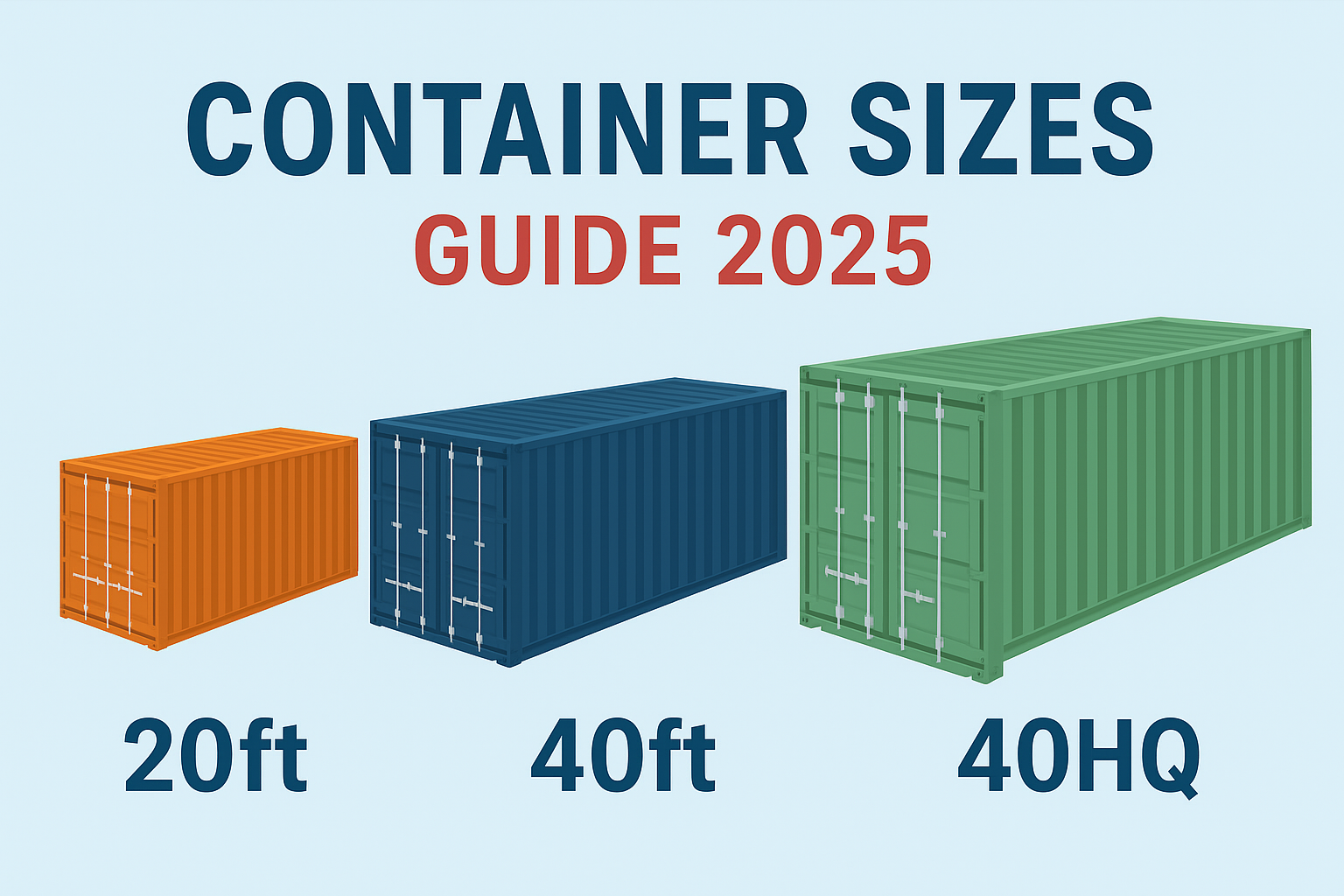
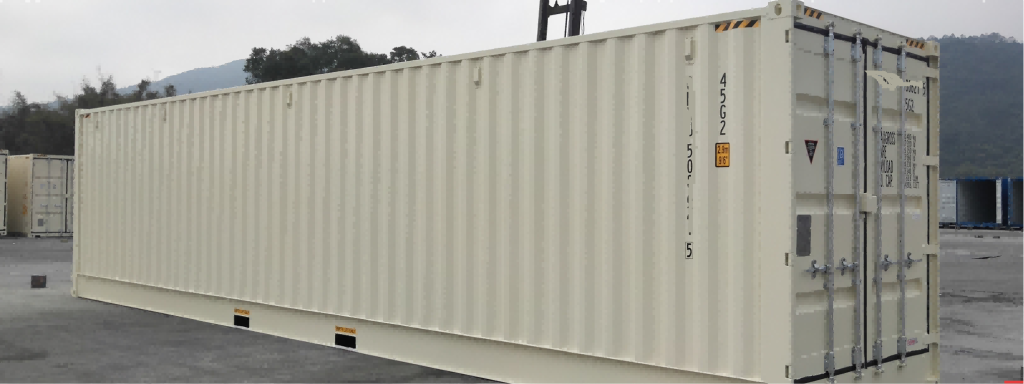
해상 컨테이너 are the backbone of global trade, designed to standard dimensions that ensure smooth transportation across ships, trucks, and rail. Understanding the differences between a 20ft container, a 40ft container, and a 40ft High Cube (40HQ) is essential for businesses planning international shipments.
Container Size Comparison (Optimize the size based on actual loading)
컨테이너 유형
Internal Dimensions (L × W × H)
Door Opening (W × H)
Capacity
Max Payload
공중량
Max Gross Weight
20ft Standard
5.90 m × 2.30 m × 2.30 m
2.3 m × 2.2 m
31.2 m³
28,230 kg
2,170 kg
30,480 kg
40ft Standard
11.8 m × 2.3 m × 2.3 m
2.3 m × 2.2 m
62.4 m³
28,790 kg
3,710 kg
32,500 kg
40ft High Cube (40HQ)
11.8 m × 2.3 m × 2.60 m
2.3 m × 2.58 m
70.5 m³
28,660 kg
3,840 kg
32,500 kg
Which Container Should You Choose?
20피트 컨테이너 → Ideal for heavy cargo (e.g., minerals, machinery parts) that may reach weight limits before volume capacity.
40피트 컨테이너 → Best for large-volume cargo, general consumer goods, or bulky items.
40ft High Cube (40HQ) → Perfect for lighter but voluminous shipments (e.g., furniture, textiles, e-commerce products).
Why Container Size Matters
비용 효율성: The right container helps reduce shipping costs per unit.
화물 안전: Choosing the correct size minimizes damage risk from excess empty space.
Logistics Planning: Ensures compatibility with shipping lines, ports, and customs clearance.
자주 묻는 질문 (FAQ)
Q1: What is the standard size of a 20ft container? A 20ft container typically measures 5.9m in length, 2.3m in width, and 2.3m in height, with a capacity of about 31.2 cubic meters.
Q2: How does a 40ft container differ from a 20ft container? A 40ft container is twice the length (11.8m) and has a cubic capacity of around 62.4 cubic meters, making it suitable for bulk cargo.
Q3: What is a 40ft High Cube (40HQ) container used for? A 40HQ container is similar to a standard 40ft but with extra height (2.6m), giving it a larger capacity of around 70.5 cubic meters.
Q4: When should I choose FCL over LCL? Choose FCL when your cargo volume exceeds 15 cubic meters or when goods are fragile, time-sensitive, or high-value.
Q5: Are container sizes standardized worldwide? Yes, ISO standards ensure consistency in container dimensions, making them compatible with global shipping lines, ports, and handling equipment.