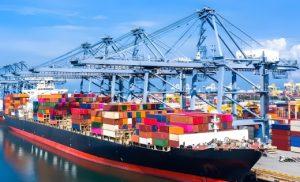
In 2026, global supply chains continue facing significant operational pressure as port congestion returns across multiple international trade hubs. Although the extreme disruptions seen during the pandemic have eased, shipping delays, terminal overcrowding, rail bottlenecks, and vessel schedule instability are once again affecting the global logistics industry.
From Asia to Europe and North America, ports are experiencing increasing pressure caused by geopolitical uncertainty, changing shipping routes, early peak-season demand, and infrastructure limitations.
For importers and exporters, port congestion is no longer a temporary issue — it has become a long-term logistics challenge that directly impacts transportation costs, delivery reliability, and inventory planning.
~에서 BRF 물류, we help businesses reduce logistics risks through flexible transportation planning and professional global freight solutions.

Current Situation of Global Port Congestion
In 2026, port congestion is affecting several major shipping regions around the world.
Although operational conditions differ between countries and ports, the main causes of congestion are relatively similar:
- Vessel schedule disruptions
- Red Sea shipping diversions
- Increased cargo volumes
- Limited inland transportation capacity
- Rail and trucking shortages
- Container yard overcrowding
- Equipment repositioning delays
The continued rerouting of vessels around the Cape of Good Hope has significantly impacted shipping schedules worldwide. As ships arrive late at destination ports, terminals face uneven cargo surges and operational inefficiencies.
Many shipping lines are also reducing schedule buffers to maintain operational flexibility, which further increases the risk of vessel bunching and port delays.
Analysis of Major Asian Ports
Asia remains the center of global manufacturing and container exports, making Asian ports especially sensitive to changes in global trade patterns.
상하이 항구
Port of Shanghai remains the world’s busiest container port in 2026.
Current challenges include:
- Strong export demand
- Container repositioning pressure
- Peak-season cargo growth
- Occasional vessel waiting times
Despite high cargo volumes, Shanghai continues maintaining relatively stable operational efficiency due to advanced port automation systems.
Singapore Port
Port of Singapore is currently facing significant transshipment pressure.
Because many shipping routes have changed due to the Red Sea crisis, Singapore has become an even more important global transfer hub.
Main congestion issues include:
- Increased transshipment volume
- Delayed vessel arrivals
- Yard density pressure
- Schedule disruptions
As a result, some containers experience longer transshipment waiting times.
Yantian & Ningbo Ports
Yantian Port and Port of Ningbo-Zhoushan continue handling strong export demand from South China manufacturers.
Current operational pressure mainly comes from:
- US market peak-season cargo
- E-commerce shipment growth
- Tight vessel schedules
- Equipment imbalances
Although congestion levels remain manageable, occasional delays continue affecting vessel departures.
Changes in Waiting Times at European Ports
European ports are once again facing operational challenges in 2026.
Major Northern European gateways are experiencing increasing waiting times because of delayed vessel arrivals caused by rerouting around Africa.
로테르담
Port of Rotterdam remains Europe’s largest container port.
Current congestion factors include:
- Delayed vessel arrivals
- Inland rail bottlenecks
- Yard congestion
- High import cargo volumes
Some vessels experience extended waiting periods before berth allocation.
함부르크
Port of Hamburg continues facing pressure from rail transportation limitations and inland logistics delays.
Rail network congestion affects cargo movement between terminals and inland European destinations.
안트베르펜
Port of Antwerp-Bruges is also experiencing increased operational pressure due to cargo surges and vessel schedule instability.
For European importers, these delays create inventory planning challenges and higher storage costs.
North American Rail and Port Challenges
Although North American ports are more stable compared with previous years, logistics challenges still remain in 2026.
US West Coast Ports
Ports such as Port of Los Angeles and Port of Long Beach have improved operational efficiency through automation and labor coordination improvements.
However, peak-season demand still creates occasional congestion risks.
Canadian Rail Issues
Canadian rail systems continue experiencing periodic disruptions caused by:
- 기상 상황
- Labor negotiations
- Capacity limitations
- 장비 부족
These issues affect inland cargo transportation from ports such as Port of Vancouver.
East Coast Import Pressure
East Coast ports including New York/New Jersey and Savannah continue handling strong import demand driven by e-commerce and retail inventory replenishment.
Truck shortages and rail congestion occasionally slow inland cargo distribution.
How Port Congestion Impacts Cargo Owners
Port congestion affects nearly every aspect of international logistics.
Main impacts include:
1. Longer Transit Times
Cargo delivery schedules become less predictable.
2. Increased Logistics Costs
Importers face higher:
- Demurrage fees
- Detention charges
- Storage costs
- Trucking expenses
3. Inventory Planning Problems
Retailers and manufacturers may experience stock shortages or production delays.
4. Reduced Supply Chain Reliability
Frequent schedule changes increase operational uncertainty.
5. Customer Service Challenges
Delayed deliveries can affect end customers and business relationships.
For many companies, logistics stability has become just as important as freight pricing.
How to Avoid Delays and Extra Costs
Businesses can reduce the impact of congestion through proactive logistics planning.
권장되는 전략은 다음과 같습니다:
1. Book Cargo Earlier
Early bookings improve access to vessel space and reduce last-minute disruptions.
2. Use Flexible Ports and Routes
Alternative gateways may reduce congestion risks.
3. Improve Documentation Accuracy
Correct paperwork reduces customs and terminal delays.
4. Monitor Cargo in Real Time
Shipment visibility improves response speed during disruptions.
5. Work with Experienced Freight Forwarders
Professional logistics providers can offer emergency routing solutions and operational support.
BRF Logistics Emergency Logistics Solutions
~에서 BRF 물류, we help businesses manage global shipping disruptions through flexible logistics strategies and professional operational support.
당사의 서비스는 다음과 같습니다:
- 해상 운송 (FCL & LCL)
- 항공 화물 솔루션
- Rail Freight Services
- 문 앞까지 배송
- 통관
- Warehouse & Distribution
- 다모드 교통
- Emergency Cargo Solutions
With strong global agent networks and experienced logistics teams, BRF Logistics helps clients reduce delays, control costs, and maintain supply chain stability during uncertain market conditions.
자주 묻는 질문
Why is port congestion returning in 2026?
Port congestion is caused by vessel rerouting, schedule disruptions, increased cargo demand, and inland transportation limitations.
Which ports are currently most congested?
Major congestion pressure affects ports such as Singapore, Rotterdam, Hamburg, and several North American gateways.
How does port congestion affect shipping costs?
Congestion increases storage fees, detention charges, demurrage costs, and inland transportation expenses.
What industries are most affected?
Retail, manufacturing, automotive, electronics, and e-commerce industries are especially sensitive to logistics delays.
How can companies reduce congestion risks?
Early planning, flexible routing, shipment visibility, and working with experienced freight forwarders can help minimize disruptions.
Why choose BRF Logistics?
BRF Logistics offers reliable global freight solutions, flexible transportation planning, and professional logistics support to help businesses navigate complex shipping environments.