Ocean Freight Rates Remain Elevated as Peak Season Arrives Ahead of Schedule
The global ocean freight market is entering July 2026 with strong momentum, continuing the upward trend that began in late May and accelerated throughout June. Many importers and exporters were caught off guard by the speed and scale of recent rate increases, particularly on major trade lanes connecting Asia with North America and Europe.
Traditionally, the peak shipping season begins in late July or August. However, this year demand has arrived much earlier than expected. Retailers, manufacturers, and distributors are rushing to replenish inventory ahead of back-to-school sales, holiday promotions, and year-end demand. As a result, vessel capacity is tightening across multiple routes, and securing space has become a bigger concern than freight pricing itself.
At BRF Logistics, we are closely monitoring market developments and helping customers secure capacity before conditions become even more challenging. In this article, we analyze the key factors driving the market and provide practical recommendations for shippers planning their July exports.
Why Ocean Freight Rates Continue to Rise

Early Peak Season Demand
One of the primary drivers behind the current market surge is the arrival of the peak season several weeks earlier than usual.
Retailers across North America and Europe are accelerating inventory replenishment to avoid potential supply chain disruptions later in the year. Many companies are placing larger orders and shipping earlier than normal to ensure shelves remain stocked during the busy holiday shopping season.
Back-to-school products, consumer goods, furniture, building materials, and industrial equipment are all contributing to increased shipping demand. As booking volumes rise, vessel utilization rates continue to climb, leaving less available space for last-minute shipments.
Carrier Capacity Management
Shipping lines are also actively managing capacity to maintain market stability and profitability.
Several carriers continue to implement:
- Blank sailings
- Space allocation controls
- Premium service surcharges
- Equipment repositioning strategies
These measures reduce available capacity and help support higher freight rates. Even when vessel schedules appear available, exporters may encounter booking restrictions or premium fees to secure guaranteed space.
Fuel Costs and Geopolitical Factors
Global geopolitical developments continue to impact shipping costs.
Tensions in the Middle East have increased concerns regarding fuel prices and shipping route security. Rising bunker fuel costs directly affect carrier operating expenses, leading many shipping lines to introduce or increase fuel-related surcharges.
At the same time, ongoing disruptions to traditional shipping routes continue to place pressure on global vessel networks, reducing efficiency and increasing transit costs.
Trade Lane Analysis for July 2026
China to U.S. West Coast
The China-to-U.S. West Coast trade lane remains one of the busiest and most competitive routes in the world.
Expected July trends include:
- Continued freight rate increases
- Tight vessel capacity
- Potential equipment shortages
- Increased demand for premium space
Major ports such as Los Angeles, Long Beach, and Oakland continue to experience strong cargo flows as importers prepare for peak retail demand.
For exporters shipping to the United States, securing bookings early will be critical to avoiding delays and unexpected costs.
China to U.S. East Coast
The East Coast market is expected to experience the strongest rate increases during July.
Several factors are contributing to this trend:
- Longer transit times
- High demand levels
- Increased vessel utilization
- Greater risk of cargo rollovers
Many importers prefer East Coast gateways due to their proximity to major population centers, creating additional pressure on capacity and pricing.
China to Europe
Europe remains a stable but increasingly expensive market for exporters.
Expected trends include:
- Moderate freight rate increases
- Stable but limited vessel space
- Strong summer inventory demand
The ongoing Red Sea situation continues to impact vessel routing, with many services still utilizing longer routes around the Cape of Good Hope. These longer voyages increase operating costs and reduce overall network efficiency.
China to Australia
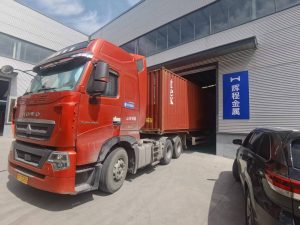
Compared to North America and Europe, the Australian market remains relatively stable.
Expected July trends include:
- Slight freight rate increases
- More predictable schedules
- Better capacity availability
- Lower volatility
For products such as building materials, aluminum railings, glass products, fencing systems, and PE film, Australia remains one of the most reliable export destinations during the current market cycle.
China to Southeast Asia
Southeast Asia continues to offer one of the most stable shipping environments.
Key markets include:
- Malaysia
- Thailand
- Vietnam
- Indonesia
- Philippines
Freight rates are expected to remain relatively stable throughout July due to strong carrier competition and shorter transit distances.
The Biggest Challenge: Space Availability
While many exporters focus primarily on freight rates, the biggest challenge during July may actually be securing vessel space.
The risks associated with late bookings include:
- No available space
- Cargo rollovers
- Delayed departures
- Missed delivery deadlines
- Production interruptions
As carriers prioritize high-volume contracts and premium bookings, smaller and last-minute shipments may face increasing difficulty obtaining confirmed space.
In today’s market, securing capacity early often delivers greater value than simply chasing lower freight rates.
BRF Logistics Recommendations
To help customers navigate peak season successfully, BRF Logistics recommends the following booking timelines:
U.S. Routes
Book at least 14 to 21 days before cargo readiness.
Europe Routes
Book 10 to 14 days in advance whenever possible.
Australia Routes
Book 7 to 10 days ahead of departure.
Large Project Cargo
For products such as:
- Glass products
- Aluminum railings
- Construction materials
- Steel products
- PE Film
We strongly recommend securing vessel space as early as possible to avoid peak-season congestion and unexpected delays.
How BRF Logistics Supports Shippers
At BRF Logistics, we understand that successful shipping requires more than competitive freight rates.
Our customers benefit from:
- Competitive freight contracts
- Space protection programs
- Real-time shipment tracking
- Multi-supplier cargo consolidation
- Door-to-door logistics solutions
- Customs clearance support
- Dedicated customer service teams
Whether shipping a single container or managing large-scale project cargo, our experienced logistics professionals help customers navigate market challenges while maintaining supply chain reliability.
FAQ: July 2026 Ocean Freight Market Outlook
1. What is the overall outlook for ocean freight rates in July 2026?
In July 2026, ocean freight rates are expected to remain moderately firm to slightly high, driven by peak-season demand in several major trade lanes. Export activity from Asia is increasing ahead of mid-year production cycles, while inventory restocking in Europe and North America is also supporting volume growth.
However, the market is not showing extreme volatility compared to previous peak seasons. Instead, it reflects a stable-to-firm pricing environment with occasional rate adjustments depending on carrier capacity management.
2. Why do freight rates usually increase in July?
July is traditionally part of the global peak shipping season, especially for:
- Back-to-school retail inventory (US & Europe)
- Construction and industrial project shipments
- Pre-holiday stocking cycles
- Mid-year manufacturing restocking
At the same time, carriers often implement Peak Season Surcharges (PSS) and reduce blank sailings to balance demand, which keeps rates elevated.
3. Which trade lanes are most affected in July 2026?
The most active and rate-sensitive routes include:
- Asia → North America West Coast (Los Angeles, Long Beach)
- Asia → North America East/Gulf Coast (New York, Houston)
- Asia → Europe (Rotterdam, Hamburg, Southampton)
- Asia → Australia & New Zealand (Sydney, Melbourne)
Among these, Asia–US East/Gulf Coast routes may experience stronger pressure due to longer transit times and higher equipment demand.
4. Are container shortages expected in July 2026?
Some regional equipment imbalance may occur, especially:
- Inland China export hubs
- Southeast Asian transshipment ports
- US inland rail-connected terminals
While no global container shortage is expected, temporary repositioning delays may affect availability in certain inland cities or smaller ports.
5. How long will peak season conditions last in 2026?
Peak season pressure typically lasts from:
- June → September 2026
However, the intensity may vary. In 2026, analysts expect:
- Strong demand in July–August
- Gradual stabilization in September
- Rate corrections in Q4 if demand slows
6. What factors could cause freight rates to drop in July 2026?
Possible downward pressures include:
- Reduced consumer demand in key markets
- Excess vessel capacity on certain routes
- Fuel price stabilization
- Carrier competition on low-volume lanes
- Slower-than-expected retail imports
However, these factors may only soften increases rather than trigger major rate drops during peak season.
7. How should importers prepare for July 2026 shipping conditions?
Importers are advised to:
- Book shipments 2–4 weeks in advance
- Lock in rates early where possible
- Avoid last-minute peak surcharges
- Consolidate cargo to reduce cost per unit
- Maintain flexible routing options
- Ensure accurate documentation for customs clearance
Early planning is especially important for high-volume cargo such as construction materials, machinery, and consumer goods.
8. Will transit times be affected in July 2026?
Yes, mild delays may occur due to:
- Port congestion at major hubs
- Vessel schedule adjustments
- Peak-season cargo accumulation
- Inland trucking and rail congestion
Typical delays range from 2–7 days, depending on the route and port.
9. Which regions are expected to be most stable?
Relatively stable lanes include:
- Intra-Asia trade routes
- China → Middle East (selected ports)
- China → Australia (with pre-booked space)
These lanes may still see demand growth but are expected to have better schedule reliability compared to trans-Pacific routes.
10. What is BRF Logistics’ recommendation for July 2026?
BRF Logistics recommends:
- Early booking strategy (minimum 14–21 days ahead)
- Flexible port selection (alternate gateways when needed)
- Split shipment planning for large cargo volumes
- Real-time space monitoring
- Using door-to-door solutions to reduce inland delays
By planning ahead, shippers can significantly reduce the impact of peak season cost increases and avoid supply chain disruptions.
11. Will rates continue rising after July 2026?
Rates are expected to:
- Remain elevated through August 2026
- Peak around mid-to-late July or early August
- Begin stabilizing in September
- Potentially soften in Q4 depending on demand
However, geopolitical events, fuel costs, and carrier capacity decisions can still influence short-term fluctuations.
12. What industries are most affected by July 2026 freight trends?
Industries most impacted include:
- Construction materials (aluminum, steel, panels)
- Machinery and industrial equipment
- Retail and consumer goods
- Automotive parts
- E-commerce fulfillment cargo
These sectors typically experience higher shipping volumes during peak season and are more sensitive to rate increases.
Conclusion
July 2026 is shaping up to be one of the most active shipping periods of the year. Freight rates are expected to remain elevated across major trade lanes, while vessel capacity continues to tighten.
For exporters and importers alike, early planning will be the key to success. Companies that secure space in advance will reduce the risk of delays, avoid premium charges, and maintain better control over their supply chains.
As the market continues to evolve, BRF Logistics remains committed to helping customers move cargo efficiently, reliably, and cost-effectively.
Contact BRF Logistics today to secure your July shipments and avoid peak-season disruptions.