Essential Tips from a Professional フォワーダー
In international trade, ensuring that cargo arrives safely at its destination is one of the most important responsibilities for exporters, importers, and logistics providers. Whether you are shipping consumer goods, building materials, machinery, or fragile products, cargo damage during transportation can lead to significant financial losses, shipment delays, and dissatisfied customers.
During international transportation, goods often pass through multiple stages including factory pickup, warehouse handling, container loading, ocean freight or air freight transport, port operations, customs clearance, and inland delivery. At each stage, cargo may be exposed to vibration, pressure, humidity, stacking stress, and handling risks. This is why professional freight forwarding companies emphasize proper cargo preparation before shipment.
To minimize shipping risks, experienced freight forwarders usually recommend three key measures: proper packaging of goods, professional cargo reinforcement inside containers, and reasonable container loading planning. These steps are essential to protect cargo throughout the global supply chain.
Why Preventing Cargo Damage Is Important in Freight Shipping
Cargo damage can occur for several reasons, such as poor packaging, incorrect container loading, excessive cargo weight, or improper handling during transportation. When damage occurs, businesses may face a variety of problems:
- Loss of product value due to damaged goods
- Increased logistics and replacement costs
- Delays in delivery schedules
- Customer complaints and reduced business reputation
For companies involved in international freight forwarding, ocean freight shipping, and global logistics, preventing cargo damage is essential to maintaining efficient supply chain operations.
1. Properly Package Your Shipping Goods
Packaging is the first and most important step in protecting goods during transportation. Proper packaging reduces the risk of impact damage, vibration damage, and moisture exposure during long-distance shipping.
Choose Strong and Suitable Packaging Materials
Different types of cargo require different packaging methods. Professional freight forwarders and logistics companies often recommend the following materials:
- Heavy-duty corrugated cartons for general cargo
- Wooden crates or reinforced pallets for heavy or valuable items
- Foam padding or bubble wrap for fragile goods
- Plastic wrapping or shrink film for moisture protection
For fragile items such as glass products, electronics, or decorative materials, internal cushioning is essential to absorb shocks during transportation.
Protect Against Moisture and Humidity
During international ocean freight shipping, containers may experience humidity changes that cause condensation. This can damage goods made from wood, paper, or metal.
To prevent moisture damage, exporters often use:
- Waterproof plastic wrapping
- Container desiccants
- Sealed packaging materials
These protective measures help ensure cargo remains dry throughout the voyage.
Stabilize Products Inside Packaging
Products inside cartons or crates should be secured to prevent movement. Foam inserts, cardboard partitions, and padding materials can prevent items from colliding with each other during shipping.
Proper internal protection greatly reduces the risk of product damage.
2. Reinforce Cargo Inside the Shipping Container
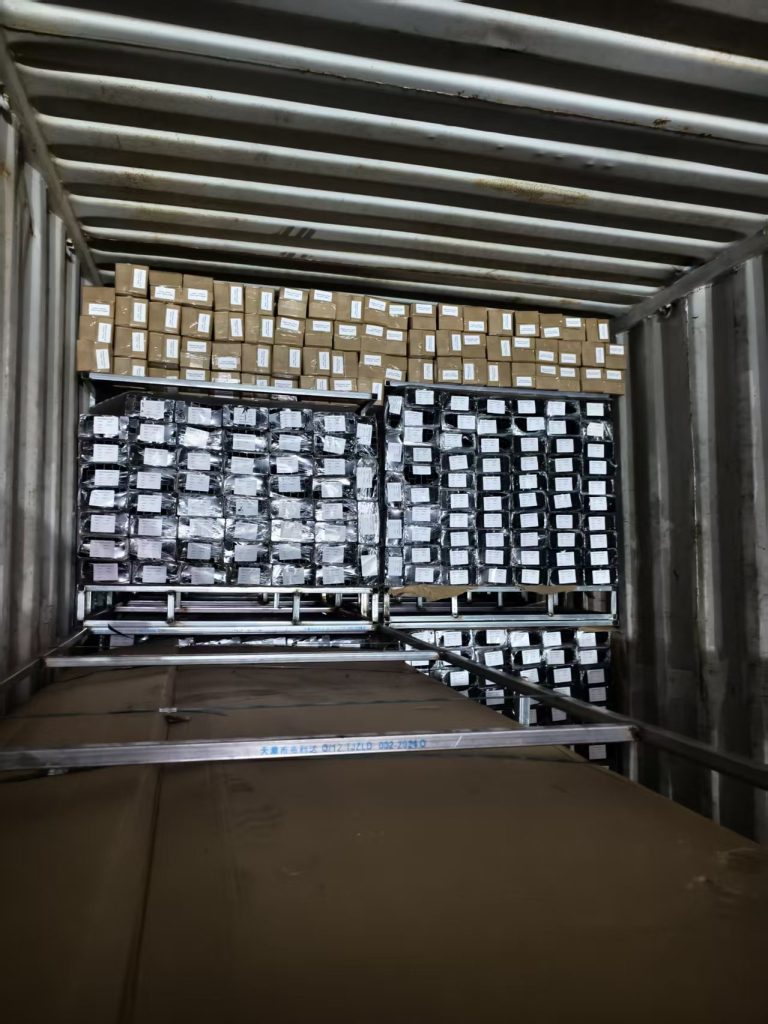
Even well-packaged goods can be damaged if cargo is not properly secured inside the container. During container shipping, vessels experience movement caused by waves, wind, and port handling operations.
Professional freight forwarding companies reinforce cargo inside containers to prevent shifting.
Use Cargo Securing Equipment
Logistics professionals often use several reinforcement methods, including:
- Lashing straps and belts to secure heavy cargo
- Wooden blocking and bracing to prevent cargo movement
- Inflatable dunnage bags to fill empty spaces
- Anti-slip mats to increase cargo stability
These materials ensure cargo remains stable during long-distance transport.
Ensure Proper Weight Distribution
Cargo weight distribution is a key factor in container safety. Heavy cargo should always be placed at the bottom of the container and evenly distributed across the container floor.
Improper weight distribution can lead to cargo shifting, container imbalance, or product damage.
Use Protective Barriers
When shipping items such as furniture, metal products, or construction materials, separators or protective boards should be placed between items to prevent friction and impact damage.
This method is widely used in international freight forwarding and container loading operations.
3. Load a Reasonable Amount of Cargo into the Container
Maximizing container space is important for cost efficiency, but overloading containers can increase the risk of damage.
Avoid Exceeding Container Weight Limits
Each shipping container has a maximum weight capacity. Overloading may cause:
- Structural stress on the container floor
- Compression damage to cargo
- Safety issues during transportation
Professional freight forwarders always check cargo weight before loading to ensure safe shipping.
Leave Space for Cargo Securing
Some empty space inside the container is necessary to place reinforcement materials such as airbags, wooden supports, or blocking structures.
These materials prevent cargo movement during transit.
Plan Container Loading Carefully
Experienced logistics providers and freight forwarding companies usually design container loading plans based on:
- 貨物のサイズと重量
- Packaging structure
- コンテナの種類
- Shipping distance
Proper loading planning helps maximize container efficiency while protecting cargo safety.
Additional Tips from Freight Forwarding Experts
In addition to packaging and container loading, there are several professional logistics practices that can reduce the risk of cargo damage.
Select the Right Container Type
Different types of cargo require different container solutions, such as:
- Open-top containers for oversized cargo
- Flat rack containers for heavy machinery
- Refrigerated containers for temperature-sensitive goods
Choosing the right container is an important part of international freight forwarding services.
Use Palletized Cargo
Palletizing goods improves cargo stability and simplifies loading and unloading during transportation.
Clearly Label Fragile Cargo
Labels such as “Fragile,” “Handle with Care,” and “This Side Up” help warehouse staff and port workers handle cargo properly.
Work with Experienced Freight Forwarders
Professional freight forwarding companies have extensive experience in cargo packaging, container loading, international shipping, and customs procedures. Working with an experienced logistics partner ensures that cargo is handled correctly throughout the supply chain.
結論
Preventing cargo damage during international shipping requires careful preparation and professional logistics management. By focusing on three key principles—proper packaging, strong container reinforcement, and reasonable container loading—businesses can significantly reduce transportation risks.
For companies involved in global trade, ocean freight shipping, and international logistics, working with an experienced フォワーダー provides valuable expertise in cargo protection and shipment planning.
Safe shipping practices not only protect the value of the cargo but also improve supply chain reliability and customer satisfaction. With the right packaging strategies and professional freight forwarding support, businesses can ensure their goods arrive safely and efficiently at destinations around the world.