2,435 Chinese Containers Detained — A Wake-Up Call for Cross-Border Compliance
On September 15, the European Public Prosecutor’s Office (EPPO) released a major announcement that has sent shockwaves across the global trade community.
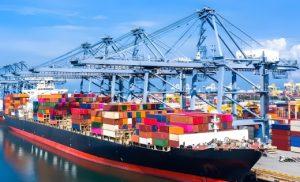
Following the June “Operation Calypso,” during which nearly 500 containers were seized, further investigations at the Port of Piraeus in Greece led to the confiscation of a significant number of additional containers arriving from China. The total number of detained containers has now reached 2,435, making this the largest single container seizure operation in EU history.
The seized cargo — including electric bicycles, apparel, footwear, and consumer goods — is estimated to be worth €250 million. Even more alarming, investigators uncovered an estimated €800 million tax evasion scheme, equivalent to the annual cultural budget of 13 EU member states combined.
For cross-border sellers and exporters, this case marks a critical turning point. The era of regulatory tolerance is over.
At BRF Logistics, we believe this incident is not merely news — it is a compliance warning that every exporter to Europe must take seriously.

The 8-Year Tax Evasion Network Behind the Case
According to official reports, the criminal network had operated for nearly eight years, using a systematic and highly coordinated structure involving customs officials, brokers, shell companies, and underground financial channels.
Two Greek customs officers allegedly falsified documentation, while four customs brokers collaborated in undervaluing goods and manipulating customs declarations.
The scheme was built around three core tactics:
1. Massive Undervaluation of Goods
The primary method involved falsifying declared values.
For example:
- Electric bicycles with a real value of €500 were declared at €100.
- Only 10%–15% of the actual cargo value was reported.
- In 360 out of 500 seized e-bike containers, goods were not declared at all.
This allowed operators to avoid:
- Anti-dumping duties
- Standard customs duties
- VAT rates reaching up to 27%
The scale and consistency of this manipulation indicate an industrialized system of fraud rather than isolated misconduct.
2. Exploiting CP42 and Shell Companies
The network leveraged EU internal VAT deferment mechanisms, particularly the CP42 customs procedure, which allows VAT to be deferred when goods are imported into one EU country and sold in another.
Using 29 shell companies registered in countries such as Bulgaria and Hungary, the group fabricated intra-EU invoices to shift tax liability.
These shell companies typically existed for only 24 months before being dissolved — a calculated move to avoid triggering tax monitoring systems.
By separating the customs clearance country from the actual sales market, the group indefinitely delayed VAT payments while distributing goods across France, Italy, and other EU countries.
3. Black Market Distribution and Underground Money Transfers
Seized goods were reportedly stored in warehouses controlled by the criminal network.
Through falsified transportation documents, the goods were diverted into black markets, sold primarily in cash transactions.
Profits were allegedly transferred back to China via underground banking systems, bypassing formal financial supervision.
“The Rules Have Changed”
European Chief Prosecutor Laura Codruța Kövesi issued a firm statement:
“The rules of the game have changed. Criminals will no longer find safe harbor.”
This statement signals a broader regulatory shift:
- Increased data sharing between EU member states
- Cross-border tax enforcement cooperation
- Enhanced scrutiny of Chinese-origin shipments
- Stronger customs audits on undervaluation and VAT compliance
For legitimate businesses, the message is clear: compliance is no longer optional — it is foundational.
Compliance Is No Longer a Choice — It Is Survival
For Chinese exporters and cross-border sellers operating in Europe, this case carries serious implications.
1. Beware of “Tax-Inclusive” Clearance Traps
Some freight forwarders advertise low “tax-inclusive” or “package clearance” services. In many cases, these rely on:
- Undervaluation tactics
- False HS codes
- Misuse of VAT deferment schemes
If investigated, consequences may include:
- Cargo seizure
- Administrative penalties
- Criminal liability
- Blacklisting from EU customs systems
Low-cost clearance today may lead to catastrophic loss tomorrow.
At BRF Logistics, we strictly refuse any service that involves falsified declarations or tax evasion practices.
2. Build a Complete Documentation Chain
To withstand customs audits, exporters must maintain:
- Authentic purchase contracts
- Accurate commercial invoices
- Packing lists
- Payment records
- Logistics documentation
EU customs increasingly applies “triple verification” checks — matching goods, documents, and financial transactions.
Inconsistent documentation is often the first trigger for deeper investigation.
BRF Logistics assists clients in ensuring that shipment documentation aligns with EU customs requirements before cargo departure.
3. Stay Updated on EU Regulatory Developments
The EU has strengthened VAT compliance rules for cross-border e-commerce.
Under updated regulations:
- Platforms such as Amazon and AliExpress have VAT collection obligations.
- Seller verification processes have tightened.
- Customs authorities have increased post-clearance audit frequency.
Failure to align with new compliance standards may result in account suspension, shipment detention, or VAT recovery penalties.
The Hidden Cost of Non-Compliance
The €800 million tax loss uncovered in this case reflects the actions of a small group — yet the reputational impact affects the entire industry.
Heightened enforcement may result in:
- Increased inspection rates for Chinese-origin goods
- Slower customs clearance
- Stricter valuation reviews
- Higher compliance requirements
Ultimately, businesses that attempt short-term tax savings risk long-term market exclusion.
Compliance cost is not an expense — it is a survival investment.
BRF Logistics: Compliance-Driven Global Shipping
In today’s regulatory climate, logistics providers must do more than move containers — they must safeguard client risk exposure.
At BRF Logistics, our compliance-focused approach includes:
- Accurate customs classification support
- Transparent valuation verification
- Lawful DDP and DAP solutions
- Full documentation review prior to shipment
- Real-time customs advisory updates
- Strict rejection of gray-clearance operations
We believe sustainable growth in the European market requires both product competitiveness and regulatory discipline.
Final Reflection
The EU’s largest container seizure in history is not simply an enforcement milestone — it is a warning signal.
The global trade environment is entering a new phase of transparency and cross-border enforcement. Businesses that rely on loopholes will find fewer and fewer places to hide.
For Chinese cross-border sellers, the future belongs to those who:
- Prioritize compliance
- Invest in documentation integrity
- Choose reliable logistics partners
- Build brands on credibility rather than tax avoidance
True competitiveness is not built on evading duties — it is built on product quality, operational efficiency, and respect for international rules.
BRF Logistics — Shipping with Integrity. Growing with Compliance.