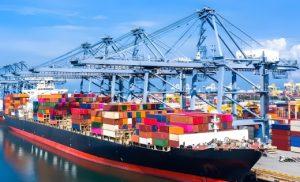
In early 2026, extreme snowstorms and freezing temperatures have swept across Northern and Western Europe, severely disrupting operations at several of the continent’s most critical shipping hubs. Major ports including Rotterdam, Hamburg, and Antwerp are experiencing operational paralysis, with terminal shutdowns, inland transport interruptions, and widespread congestion impacting the entire European supply chain.
Global shipping giants such as Maersk, Hapag-Lloyd, and Kuehne + Nagel have issued formal advisories warning of significant shipment delays. Additional costs resulting from weather-related disruptions — including demurrage, detention, and rerouting charges — are expected to be borne by cargo owners.
For cross-border e-commerce sellers and businesses deeply engaged in the European market, this situation presents immediate risks to inventory planning, order fulfillment, and cash flow stability.
At BRF Logistics, we are closely monitoring developments and advising clients on proactive mitigation strategies.

Widespread Port Shutdowns and Escalating Congestion
The scale and duration of this severe weather system have created a cascading impact across Europe’s integrated sea, rail, and road transport networks.
Hamburg Port – Operations Severely Restricted
As Germany’s largest port, Hamburg has been heavily affected:
- Eurogate Terminal suspended both quay-side and landside operations starting January 3.
- HHLA’s CTA terminal resumed limited vessel handling, but productivity remains significantly reduced.
- Rail and trucking services are operating at minimal capacity.
- CTT terminal’s rail and road transport operations remain suspended.
Truck waiting times have increased dramatically, creating additional delays for cargo already discharged.
Rotterdam Port – Operations at a Standstill
Europe’s largest container port has also been severely impacted:
- ECT Delta Terminal has announced a full suspension of operations.
- Official advisories have urged truck drivers to avoid the terminal area.
- Vessel berthing and cargo handling activities are temporarily halted.
With Rotterdam serving as a central gateway for European distribution, disruptions here are rapidly spreading across neighboring countries.
Other Ports Facing Slowdowns
- Antwerp remains operational but with significantly reduced processing speeds.
- Wilhelmshaven and Bremerhaven are experiencing operational inefficiencies and scheduling disruptions.
Inland Transport Network Under Pressure
The crisis extends far beyond port terminals.
Highway Closures and Congestion
Heavy snow accumulation and icy conditions have forced closures or slowdowns on major European highways, severely affecting trucking capacity.
Rail Disruptions
Frozen track switches and technical issues have disrupted rail freight services:
- Key routes from Rotterdam to Venlo and Duisburg are facing cancellations and interruptions.
- Intermodal cargo flow between ports and inland logistics hubs is severely restricted.
Weather forecasts indicate that adverse conditions may continue for several days, raising concerns of further escalation.
Three Major Risks for Cross-Border Sellers
The impact of these disruptions is already visible across the supply chain. Businesses shipping to Europe must prepare for three core risks:
1. Significant Transit Delays
Vessel berthing queues are lengthening. Cargo unloading and customs clearance timelines are expected to extend by 1–2 weeks or longer.
For sellers preparing spring inventory or promotional campaigns, delayed replenishment may result in:
- Stockouts
- Missed sales windows
- Revenue loss
- Reduced market competitiveness
2. Rising Logistics Costs
Carriers have clarified that weather-related surcharges — including:
- Port congestion fees
- Demurrage and detention charges
- Emergency inland transportation costs
— will be charged to cargo owners.
As congestion intensifies, these costs can accumulate rapidly. Combined with potential fuel surcharge increases, total logistics expenses may rise by 20%–50%, placing direct pressure on profit margins.
3. Fulfillment and Customer Experience Risks
Delayed cargo can lead to:
- Late order fulfillment
- Platform performance penalties
- Increased refund requests
- Negative customer reviews
For e-commerce sellers, prolonged stock shortages may impact store ratings and long-term account health.
How Cross-Border Sellers Should Respond
In times of logistics crisis, passive waiting only increases losses. BRF Logistics recommends activating an emergency response plan built around four key strategies: Avoid, Reallocate, Reroute, Stabilize.
1. Avoid Congested Ports
Immediately review all shipments destined for severely affected ports such as Rotterdam or Hamburg.
Where possible, coordinate with your freight forwarder to:
- Divert cargo to alternative gateways such as Southampton or Le Havre, which are currently less affected.
- Utilize secondary European ports with better operational capacity.
Although inland trucking from alternative ports may increase costs slightly, this approach can significantly reduce overall delay.
At BRF Logistics, we provide real-time port condition assessments and rerouting solutions tailored to cargo urgency and destination markets.
2. Activate Backup Inventory
For sellers with European overseas warehouses:
- Prioritize local inventory dispatch to maintain order fulfillment.
- Reevaluate safety stock levels for best-selling SKUs.
- Trigger emergency replenishment plans for fast-moving items.
Strategic stock allocation can prevent platform penalties and maintain customer trust during disruption.
3. Adjust Transportation Modes
For urgent replenishment shipments:
- Consider switching from ocean freight to air freight or sea-air hybrid solutions.
- Evaluate cost-versus-speed trade-offs carefully.
For non-urgent cargo:
- Delay shipment departure until port operations stabilize.
- Avoid allowing cargo to sit idle at congested terminals, which may generate unnecessary storage charges.
BRF Logistics offers flexible multimodal solutions to help clients balance speed, cost, and reliability during volatile conditions.
4. Communicate Proactively with Customers
Transparency reduces customer dissatisfaction.
Recommended actions:
- Send proactive notifications explaining weather-related delays.
- Update estimated delivery timelines clearly.
- Offer small compensation incentives (discount codes or loyalty benefits).
- Assign dedicated support for key accounts.
Managing expectations is critical to preserving brand reputation during unforeseen disruptions.
The Importance of Risk Management in Global Logistics
Extreme weather events are becoming more frequent and unpredictable. Businesses engaged in international trade must adopt proactive risk management strategies rather than reactive solutions.
At BRF Logistics, we help clients build resilient supply chains through:
- Diversified routing strategies
- Alternative port planning
- Dynamic cost forecasting
- Real-time shipment tracking
- Customs compliance expertise
- Emergency response logistics planning
Our experienced team continuously monitors port conditions, carrier advisories, and inland transportation developments to provide actionable intelligence.
Moving Forward
European port authorities are closely monitoring weather developments and working toward restoring normal operations. However, recovery timelines remain uncertain.
In the current complex trade environment, supply chain resilience is no longer optional — it is a competitive advantage.
Businesses that plan ahead, diversify routes, and collaborate with experienced logistics partners will navigate disruption more effectively than those who rely on single-channel solutions.
Final Advice from BRF Logistics
The core principle of cross-border logistics is preparedness. Building flexible transport strategies and maintaining contingency plans allow companies to withstand unforeseen events without severe operational damage.
If your shipments are affected by the current European disruptions, contact BRF Logistics for immediate assessment and alternative routing solutions.
BRF Logistics — Navigating Uncertainty with Confidence. Delivering Stability in a Changing World.