In international trade and cross-border logistics, choosing the right freight forwarder is one of the most critical decisions a business can make. A reliable and experienced forwarder helps you control costs, reduce risks, and ensure smooth delivery. On the other hand, selecting the wrong partner can lead to delays, unexpected charges, cargo being rolled during peak season, or even customs clearance failures at the destination.
So how should you choose a freight forwarder you can truly rely on? Below are the key factors every importer and exporter should carefully evaluate.

1. Do Not Choose Based on Price Alone
One of the most common mistakes businesses make is choosing a freight forwarder solely because they offer the lowest price. While competitive pricing is important, the cheapest option often comes with the highest risk.
Extremely low freight rates may indicate:
- Unstable vessel schedules and frequent rollovers
- Hidden charges added after booking
- No space protection during peak seasons
- Weak or nonexistent destination agents
A professional freight forwarder provides reasonable pricing, transparent cost structures, and realistic transit solutions. Paying a fair and market-aligned rate often means better service reliability, stronger carrier relationships, and fewer surprises later in the shipment process.
2. Experience on Your Specific Trade Lane Matters
Not all freight forwarders specialize in the same routes. Some focus on Europe and North America, others on Southeast Asia or Australia, while some mainly handle LCL shipments or e-commerce logistics.
When choosing a freight forwarder, always ask:
- How long have you been operating this route?
- Do you have stable carrier contracts?
- Can you secure space during peak season?
- Do you ship this lane regularly?
For example, BRF Logistics has long-term and hands-on experience across multiple core trade lanes, including:

- China to Thailand and Southeast Asia
- China to Australia and New Zealand (long-standing door-to-door services)
- China to Japan, with frequent weekly shipments from Qingdao, even during peak seasons
- China to the United States and Canada
- China to Europe and the United Kingdom
A forwarder that ships the same routes consistently is far more capable of handling unexpected challenges.
3. Warehouse and Cargo Pickup Capabilities
A freight forwarder’s service should extend beyond booking space on a vessel. A truly capable forwarder should be able to manage cargo at the origin with flexibility and efficiency.
Key capabilities to look for include:
- Domestic warehousing for consolidation and temporary storage
- Factory or warehouse pickup services
- Professional LCL and FCL operations
- The ability to handle last-minute changes
BRF Logistics operates with established warehouse and pickup networks across major Chinese ports such as Qingdao, Shanghai, and Shenzhen. This allows flexible solutions including factory pickup, warehouse consolidation, and mixed FCL/LCL operations, especially valuable for shippers with multiple suppliers or complex cargo requirements.
4. Destination Port Customs Clearance Experience
Many logistics problems do not occur at the origin, but at the destination port. A forwarder without strong overseas agents can leave shipments stuck in customs, causing delays and unexpected costs.
Before choosing a freight forwarder, confirm:
- Whether they have reliable destination agents
- Their experience with local customs regulations
- Their ability to provide DDU or DDP services
- Their track record with door-to-door deliveries
BRF Logistics has extensive destination clearance experience in key markets:
- Thailand and Australia: many years of successful door-to-door operations with strong knowledge of local customs processes
- Japan: stable and frequent shipments with reliable clearance partners
- Europe, the UK, North America: long-term cooperation with professional customs brokers covering major ports
A shipment is not complete until the cargo is delivered safely to the final destination.
5. Communication and Problem-Solving Ability
A good freight forwarder is not just a service provider, but a long-term logistics partner. Clear communication and fast response times are essential, especially when issues arise.
Signs of a reliable forwarder include:
- Proactive risk reminders during peak seasons
- Clear documentation and shipment updates
- Quick and practical problem-solving
- Accountability when unexpected situations occur
Professional forwarders focus on long-term cooperation, not just one-time transactions.
6. Choose Long-Term Reliability Over Short-Term Savings
Ultimately, selecting a freight forwarder is about choosing stability, expertise, and risk management, not just price.
A trustworthy freight forwarder should offer:
- Reasonable and transparent pricing
- Strong expertise on core trade lanes
- Warehousing and pickup capabilities
- Proven destination customs clearance experience
- Consistent communication and dependable service
If your business ships to Japan, Southeast Asia, Thailand, Malaysia, Australia, New Zealand, North America, Europe, or the United Kingdom, BRF Logistics provides comprehensive international freight solutions designed to keep your supply chain moving smoothly.
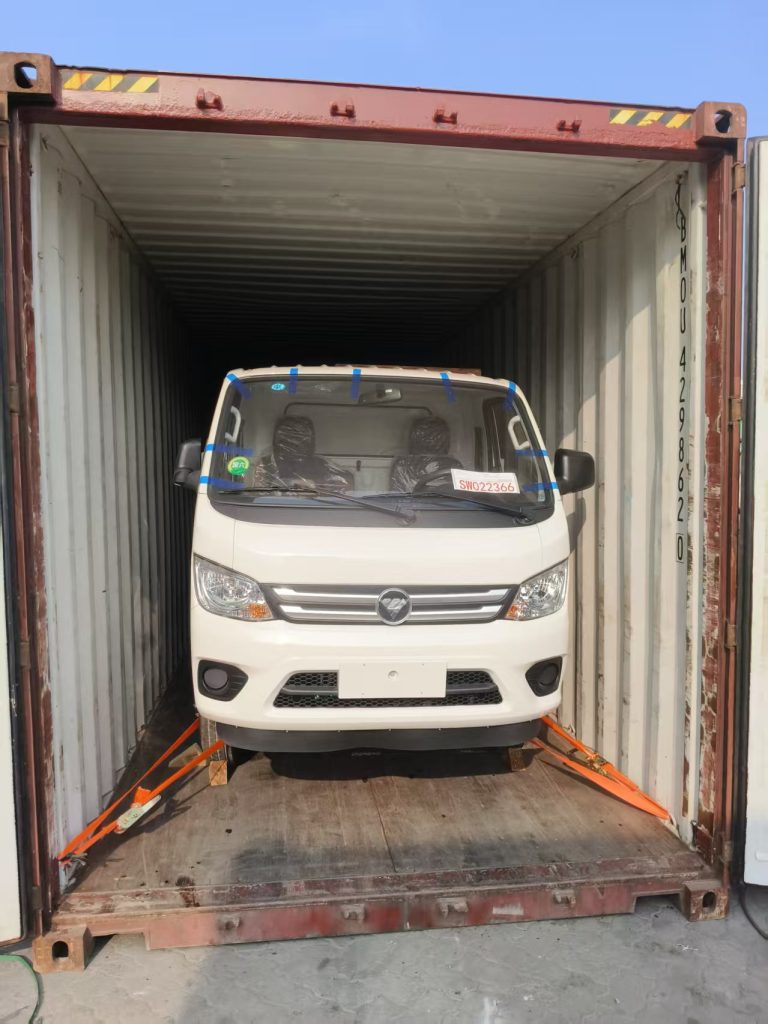
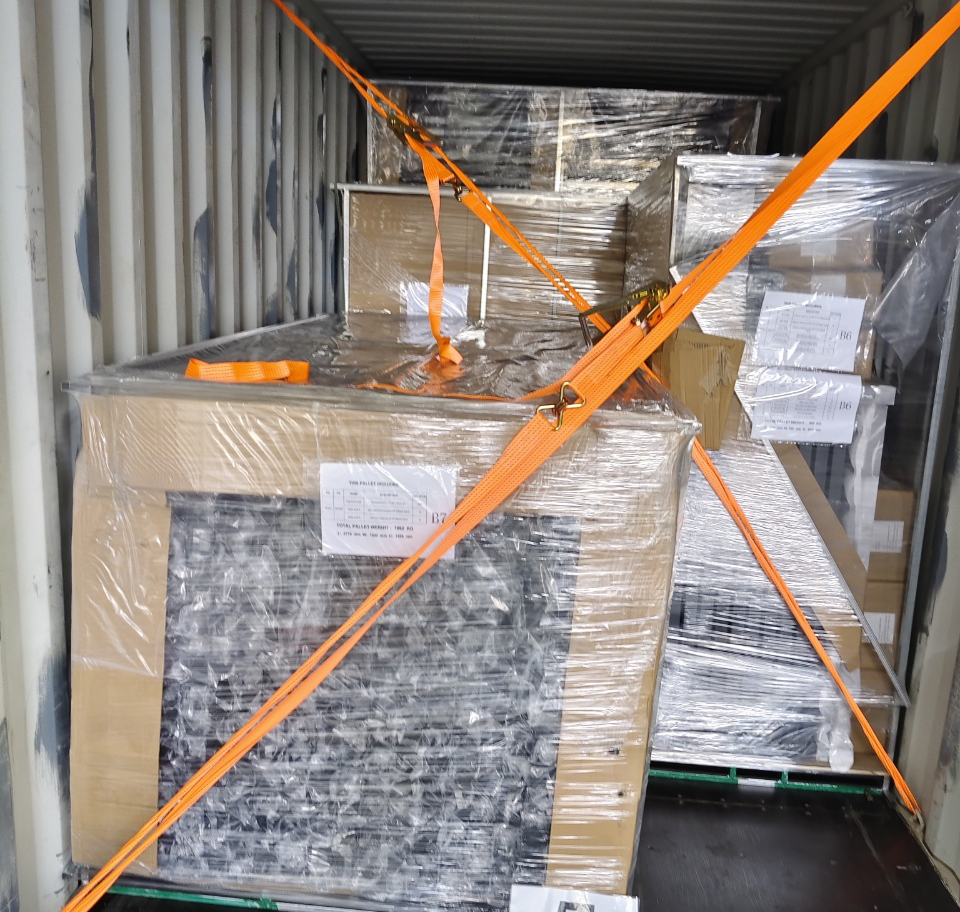
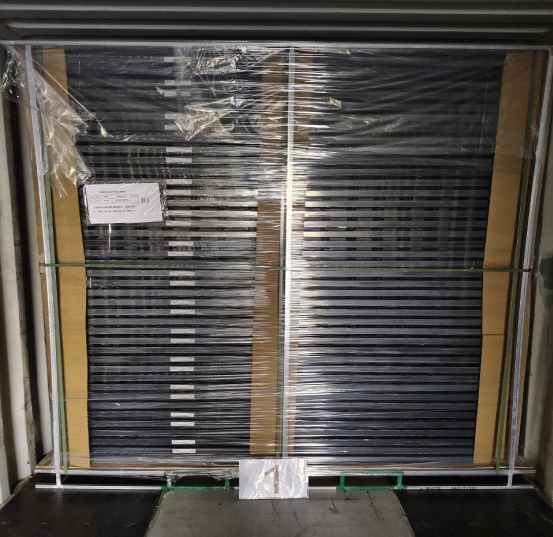
Reliable logistics is not about being the cheapest—it is about being dependable.